
Pruning
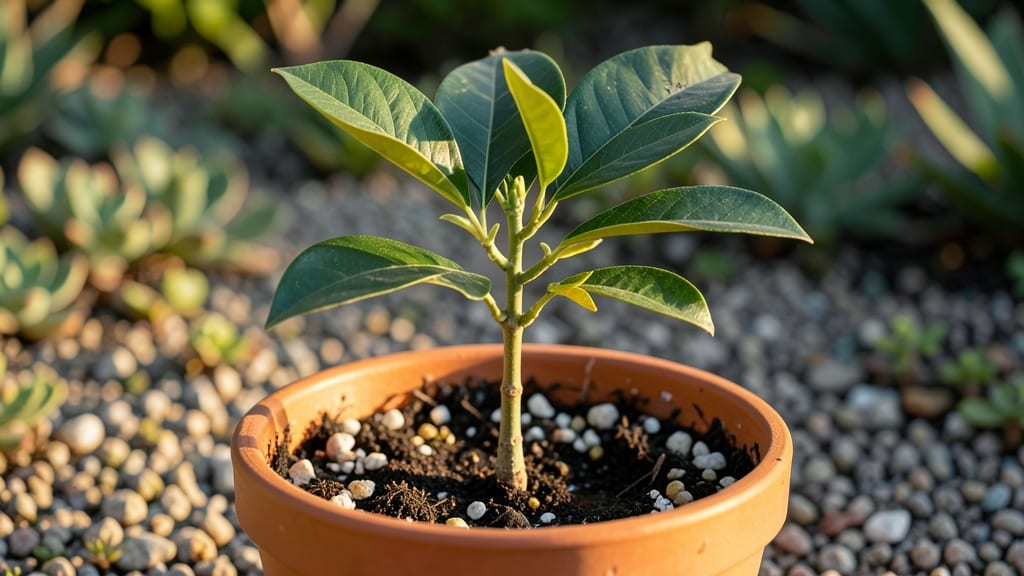
Growing an orange tree seedling from seed might sound like a slow process, but with the right approach, you can see those first leaves break through in just 4-6 weeks. 🌱 I’ve started citrus from seeds more times than I can count, and the excitement of watching that first green shoot emerge never gets old—even if it takes a few years for actual fruit.
The key is creating the perfect conditions from the very beginning, because citrus seedlings are picky about their environment.
You’ll need a few simple supplies: a well-draining potting mix (citrus hates soggy roots), a small pot with drainage holes, and a sunny spot that gets at least 6-8 hours of light daily. If you’re in a cooler climate, a grow light works wonders during the winter months.
The biggest mistake I see is overwatering—citrus seedlings rot faster than they grow, so let the top inch of soil dry out between waterings. Patience is key here, but the payoff of a thriving seedling makes it worth it.
By the time your seedling reaches 6-12 inches tall, you’ll be ready to prune and shape it, though true fruit production won’t happen for 3-5 years (or longer, depending on the variety). The good news?
Even if it never bears fruit, the glossy leaves and fragrant blossoms make it a stunning houseplant. For faster results, consider grafting later on, but the journey from seed is where the real magic happens.
This method works best in USDA Zones 9-11, but with a little extra care—like overwintering indoors—you can grow citrus seedlings almost anywhere. Whether you’re starting with a seed from your grocery store orange or a special heirloom variety, the process is the same. Let’s get those seeds sprouting!
📚 In This Guide
- What you need
- Instructions
- Tips and common mistakes
- Wrapping up and next steps
What you need
- ● Orange seeds – 3–5 fresh, plump seeds from a ripe, organic orange (avoid seedless varieties).
- ● Small pots or seed trays – 3–4 inch diameter (biodegradable or plastic with drainage holes).
- ● Well-draining potting mix – A blend of peat moss, perlite, and coconut coir (or a pre-mixed citrus seed-starting mix).
- ● Spray bottle – For gentle watering (avoid over-saturating seeds).
- ● Plastic wrap or humidity dome – To create a mini greenhouse effect.
- ● Grow lights or sunny windowsill – A south-facing window (6+ hours of sunlight) or a full-spectrum LED grow light (12–16 hours/day).
- ● Pruning shears – For trimming leggy seedlings later (sterilized with rubbing alcohol).
- ○ Heat mat (optional) – Keeps soil warm (70–80°F) for faster germination.
- ● Fertilizer (balanced, water-soluble) – Diluted to half-strength once sprouts appear (e.g., 5-5-5 NPK ratio).
- ● Larger container (6+ inches) – For transplanting seedlings after 3–4 weeks.
- ○ Moisture meter (optional) – Ensures soil stays consistently damp but not soggy.
Step-by-step instructions for growing an orange tree seedling
Here's how to get those first true leaves in just weeks—not years.
🌱 Step 1: Select and Prepare the Seed
Start with a fresh, plump orange seed from a ripe fruit. I like to use navel or Valencia oranges—they're more reliable than tangy varieties. Remove the seed by cutting the orange in half, then gently scoop out the pulp and rinse the seeds clean. Let them air-dry for 24 hours to prevent mold.
This drying step is critical. Damp seeds rot in the soil, and you'll waste weeks waiting for germination. Place them on a paper towel in a warm, dry spot. Once completely dry to the touch, they're ready to plant.
💧 Step 2: Soak and Plant the Seed
Soak the dried seeds in lukewarm water for 12-24 hours to soften the hard outer shell. This speeds up germination by breaking dormancy. I use a small glass so the seeds stay submerged but visible. You'll see tiny bubbles forming—that's the seed waking up!
After soaking, plant each seed ½ inch deep in a small pot filled with moist, well-draining potting mix. Use a pencil to make a hole just big enough for the seed. Cover it lightly with soil—just enough to hide it completely. Water gently until the soil is damp but not soggy.
☀️ Step 3: Provide Warmth and Light for Germination
Place the pot in a warm spot with indirect light, like a sunny windowsill or under a grow light. Citrus seeds need 75-85°F soil temperatures to sprout. If your home runs cooler, use a seedling heat mat to keep the soil warm. Germination can take 2-4 weeks, so be patient.
Keep the soil consistently moist but never waterlogged. You'll know it's right when the top inch feels damp to the touch. Once the first true leaves appear (not the initial seed leaves), move the seedling to a brighter spot. Leggy, pale growth means it needs more light—adjust immediately.
🌿 Step 4: Transplant and Encourage Strong Growth
When the seedling reaches 4-6 inches tall, transplant it into a slightly larger pot with fresh potting mix. Citrus seedlings grow slowly at first, so don't rush this step. Use a pot with drainage holes and fill it with a mix of potting soil and perlite for better aeration.
Place the seedling in a location with 6-8 hours of sunlight daily. A south-facing window works best, but supplement with a grow light if needed. Rotate the pot weekly so the seedling grows straight. You'll see stronger stems and darker green leaves within a few weeks—that's your sign it's thriving.
⏰ Step 5: Maintain Through the First Year
Water the seedling when the top 1-2 inches of soil feel dry. Overwatering is the biggest killer of young citrus trees. Use room-temperature water to avoid shocking the roots. Fertilize lightly every 2 months with a balanced citrus fertilizer once the seedling is established.
Watch for pests like aphids or spider mites. If you spot them, wipe the leaves with a damp cloth or spray with neem oil. By the end of the first year, your seedling should be 1-2 feet tall with a sturdy trunk—ready for the next stage of growth!
Tips & tricks for fast-sprouting citrus seedlings
Here's what nobody tells you about speeding up those first true leaves.
Seed Selection: Not all orange seeds are created equal. Navel and Valencia varieties sprout fastest because their seeds contain more stored energy. Avoid tangy oranges—they often produce weak seedlings. I've found that seeds from organic oranges germinate slightly faster, possibly because they're less processed.
Soaking Strategy: The 12-24 hour soak is your secret weapon. For faster results, change the water after 12 hours—this prevents bacterial growth that can slow germination. You'll know it's working when you see tiny bubbles forming around the seed. If you're impatient, you can soak for up to 48 hours (optional), but don't exceed that or the seed may start to rot.
Lighting Hack: While indirect light works, a simple LED grow light just 6 inches above your seedling provides perfect conditions. I use mine for 12 hours daily until true leaves appear. This mimics natural sunlight without the risk of scorching delicate seedlings. The key is keeping the light close but not touching the leaves.
Transplant Timing: Wait until your seedling reaches 4-6 inches before transplanting—this gives it a strong enough root system to handle the move. I've seen seedlings that were transplanted too early wilt dramatically. When you do transplant, water thoroughly before and after to reduce shock. The perlite mix is crucial here—it prevents compacted soil that can suffocate roots.
Pro Tips for Orange Tree Seedling
- Here's what nobody tells you about speeding up those first true leaves.
- Seed Selection: Not all orange seeds are created equal. Navel and Valencia varieties sprout fastest because their see...
- Soaking Strategy: The 12-24 hour soak is your secret weapon. For faster results, change the water after 12 hours—this...
Frequently asked questions
Got questions about growing an orange tree seedling from seed? You’re not alone! Here are answers to the most common queries to help you get started with confidence.
How long does it take for an orange seed to sprout?
With the right conditions—warmth (70–80°F), moisture, and indirect light—your orange seedling should sprout in 2–4 weeks. Patience is key! If nothing appears after 6 weeks, gently check for mold or rot (discard if needed) and try again with fresh seeds.
Can I grow an orange tree indoors from seed?
Start indoors near a sunny window or under grow lights for 12+ hours/day. Use a 4–6 inch pot with well-draining soil, and keep humidity high with a plastic cover. Once it’s 1–2 feet tall, transplant outdoors (if in a warm climate) or keep it as a houseplant.
Will my seedling actually produce oranges?
Most homegrown orange seedlings from grocery store seeds won’t bear fruit for 5–10 years (if ever). They’re often hybrids or sterile. For fruiting trees, buy a grafted citrus sapling from a nursery instead. Seedlings are great for learning or decorative purposes!
Why is my seedling turning yellow or wilting?
Yellowing leaves often mean overwatering or poor drainage. Let the top inch of soil dry out between waterings, and ensure your pot has drainage holes. Wilting could also signal underwatering or pests (like spider mites). Isolate the plant and inspect leaves for tiny webs or spots.
Can I plant multiple orange seeds together?
Yes! Planting 3–5 seeds in one pot is fine for early growth. Once seedlings are 3–4 inches tall, thin them to the strongest 1–2, transplanting the others into separate pots. This gives you backup plants if one fails. Just avoid overcrowding—they’ll compete for nutrients!
Pro Tip:
Label your seedlings! Orange trees can look like other citrus (like lemons or limes) as they grow. Use a toothpick with the date or variety name to track progress—especially if you’re experimenting with different seeds.
Wrapping up and next steps
Growing an orange tree seedling from seed is a rewarding journey that brings fresh citrus to your doorstep in just weeks! With the right materials, patience, and care, you’ll soon enjoy the sweet scent of blossoms—and maybe even homegrown oranges.
Whether you’re a gardening newbie or a seasoned green thumb, this fast-sprouting method makes it easier than ever to nurture your own citrus tree.
Now that you’re armed with tips and answers, it’s time to plant that seed! 🌱 Start today, and watch your tiny seedling transform into a thriving tree. Happy growing—your future harvest (and Instagram-worthy photos) await!