
Pruning
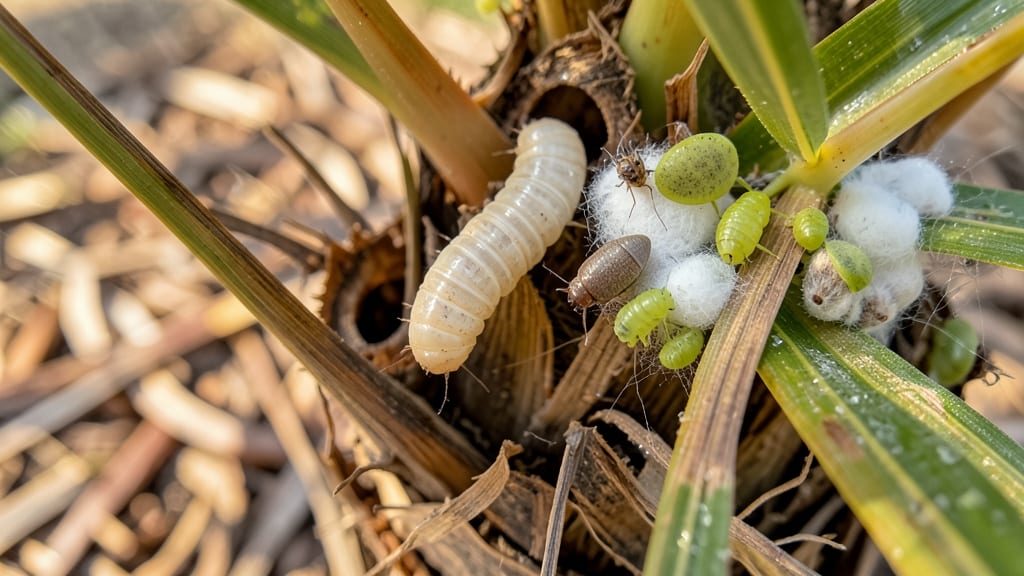
Your palm tree’s fronds could be hiding a silent crisis—palm tree insects like weevils and mealybugs turn lush canopies into skeletal shadows if you don’t act fast. 🌿 I’ve seen healthy palms crumble in months from these pests, but the right defense keeps them thriving.
The key? Spotting early signs before damage spreads.
Start by inspecting fronds for sticky residue (sap from sap-sucking pests) or tiny holes (weevil larvae). Mealybugs leave white cottony clumps, while scale insects appear as brown bumps.
Prune infected fronds immediately—sterilize tools with rubbing alcohol to stop spreading. For severe cases, neem oil or insecticidal soap works, but act before the tree’s health declines.
Prevention is easier than cleanup: keep the base clear of debris, water at the soil line (not the trunk), and choose pest-resistant varieties like Mediterranean fan palms.
A quarterly check saves you from costly treatments later. Healthy palms resist pests better—once you spot the warning signs, you’ll catch issues before they spiral.
This approach works for both indoor palms and outdoor varieties, from dwarf varieties to towering Canary Island palms. The goal is to keep your tree lush and productive—not just alive. Let’s get those pests under control before they take over.
📚 In This Guide
- What you need
- Instructions
- Tips and common mistakes
- Wrapping up and next steps
What you need
- ● Pruning shears or saw: Sharp, sterilized tools (bypass pruners for small fronds, a pruning saw for thicker stalks). Quantity: 1-2.
- ● Gloves: Heavy-duty, chemical-resistant gloves (e.g., nitrile-coated) to protect your hands. Quantity: 1 pair.
- ● Ladder or extension pole: Sturdy, 20-30 ft tall, with non-slip feet for safety.
- ● Insecticide spray (organic or synthetic): Neem oil spray (100% cold-pressed, 1-2% concentration) – 1 gallon.
- ● Systemic insecticide (e.g., imidacloprid, 0.5 lb/gal) – 1 quart (follow label instructions).
- ● Insecticidal soap (e.g., potassium salts of fatty acids, 18-25% concentration) – 32 oz.
- ○ Hose with nozzle: For rinsing or diluting sprays. Optional: Add a pressure sprayer for better coverage.
- ● Disposable bags or bucket: For collecting pruned fronds or insect debris. Quantity: 2-3.
- ● Magnifying glass or flashlight: To inspect hard-to-see areas (e.g., palm weevil entry points).
- ● Beneficial nematodes: (Steinernema carpocapsae) for targeting palm borers (apply during evening for best results).
- ● Sticky traps: Yellow or blue insect traps to monitor scale or mealybug populations.
- ● Fungicide: (copper-based) to prevent secondary infections if pruning wounds are exposed.
- ● Pruning sealant: (tree wound paint) for sealing cuts larger than ½ inch.
- ● Safety goggles & mask: If using strong pesticides or working in dusty conditions.
How to protect palm trees from common insect pests
Here’s my go-to approach for keeping palm trees thriving without harsh chemicals.
🌿 Step 1: Identify the Most Common Palm Tree Pests
Palm trees face three main insect threats: palm weevils (the most destructive), palm aphids, and spider mites. Palm weevils bore into the trunk, while aphids cluster on new fronds and spider mites create fine webbing on leaf undersides. I always start by inspecting the trunk base for sawdust-like frass (weevil sign) and leaf undersides for tiny moving dots (aphids/mites).
Check your palm’s frond tips for sticky residue—aphids excrete honeydew that attracts sooty mold. If you spot yellowing fronds with webbing, spider mites are likely. Early detection means you can act before damage spreads. I carry a hand lens in my gardening toolkit to spot tiny pests before they become a problem.
🪴 Step 2: Apply Natural Barriers and Traps
For palm weevils, I wrap the trunk base with sticky tree bands (available at garden centers) to trap emerging adults. These bands should be 12-18 inches wide and placed 6-12 inches above ground. I also drill small holes in the trunk and insert bait traps (cotton soaked in beer or a commercial weevil lure). Weevils are attracted to the bait but can’t escape.
Against aphids and spider mites, I spray the undersides of fronds with a neem oil solution (1 tablespoon neem oil per quart of water + a drop of dish soap as an emulsifier). This disrupts their life cycles without harming beneficial insects. I apply it early in the morning so the solution has time to dry before afternoon sun burns the leaves.
✂️ Step 3: Prune and Clean Infested Areas
Remove any fronds showing heavy webbing or yellowing with pest clusters using sterilized pruning shears. I dip the blades in rubbing alcohol between cuts to prevent spreading pests. For aphid-heavy fronds, I rinse them off with a strong stream of water to dislodge colonies. Discard pruned material in a sealed trash bag—never compost infested palm debris.
After pruning, I apply a kaolin clay spray (like Surround WP) to the remaining fronds. This creates a protective film that deters pests from settling. I mix it according to package instructions and apply it every 7-10 days during active pest seasons. The clay reflects sunlight and confuses insects, making your palm less appealing.
💧 Step 4: Strengthen the Tree’s Natural Defenses
Healthy palms resist pests better. I fertilize annually with a slow-release palm fertilizer (look for one with magnesium and potassium) to support frond growth. Overwatering weakens palms, so I water deeply once a week during dry spells, letting the soil dry 2-3 inches deep between waterings. I also mulch around the base with 3-4 inches of organic mulch to retain moisture and regulate soil temperature.
I introduce beneficial nematodes (like Steinernema carpocapsae) to the soil to target larval stages of weevils and other soil-borne pests. These microscopic allies are harmless to plants and pets but deadly to pests. I apply them early in the morning when soil is moist and cover the area lightly with mulch to keep moisture in.
⏰ Step 5: Monitor and Repeat as Needed
Inspect your palm weekly during growing seasons (spring through fall). Look for new frass piles, sticky residue, or fine webbing—these are early warning signs. I keep a small notebook by my patio door to log inspections and treatments. If pests return after a treatment, I rotate methods: neem oil one week, kaolin clay the next, and beneficial insects (like ladybugs) the following week.
In late fall, I apply a preventative spray of horticultural oil (diluted to 2% concentration) to fronds to overwintering pests. This smothers eggs and soft-bodied insects before they hatch. I also remove all dead fronds—these provide shelter for pests over winter. A healthy palm with proper care can go years without major pest issues if you stay vigilant.
Tips & tricks for protecting palm trees from pests
When it comes to keeping your palm trees thriving, early action and consistent care make all the difference. Here are my most effective strategies for maintaining healthy growth without harsh chemicals.
Early Detection is Everything: I can't stress enough how important it is to inspect your palm trees weekly during growing seasons. Focus on the trunk base for sawdust-like frass (a sure sign of palm weevils) and the undersides of fronds for tiny moving dots (aphids or spider mites). I keep a hand lens in my gardening toolkit—it's worth the small investment to spot pests before they become a major problem. The key is catching them early when natural treatments work best.
Timing Matters for Treatments: When applying neem oil or kaolin clay spray, always do it early in the morning. This gives the solution time to dry completely before the afternoon sun can burn the leaves. I also avoid treating when rain is forecasted within 24 hours—wet treatments wash away before they have a chance to work. The 7-10 day rotation between neem oil and kaolin clay is crucial too; pests don't develop resistance as quickly when you alternate methods.
Proper Pruning Technique: When removing infested fronds, always use sterilized pruning shears and dip the blades in rubbing alcohol between cuts. This prevents accidentally spreading pests to healthy parts of the tree. I also make sure to discard all pruned material in a sealed trash bag—never compost infested debris, as it can harbor pests and reinfest your palm. After pruning, I give the tree a good rinse with water to remove any remaining pests before applying protective sprays.
Seasonal Prevention Strategy: In late fall, I apply a preventative horticultural oil spray (diluted to 2% concentration) to all fronds. This smothers overwintering pests before they hatch in spring. I also remove any dead fronds at this time, as they provide shelter for pests during winter months. This one seasonal treatment has saved me from dealing with major infestations in subsequent years.
Pro Tips for Palm Tree Insects
- When it comes to keeping your palm trees thriving, early action and consistent care make all the difference.
- Early Detection is Everything: I can't stress enough how important it is to inspect your palm trees weekly during growing seasons.
- Timing Matters for Treatments: When applying neem oil or kaolin clay spray, always do it early in the morning.
Frequently asked questions
about palm tree insects—because even the toughest palms need a little extra care!What are the most common insects that attack palm trees?
Palm trees often face threats from palm weevils (the most destructive), spider mites, mealybugs, scale insects, and thrips. Early detection is key—look for wilting fronds, oozing sap, or tiny webs. Act fast to prevent irreversible damage!
How quickly can insects damage a palm tree if left untreated?
Palm weevils can kill a tree in as little as 2–4 weeks once they infest the crown. Other pests like mealybugs or scale may take months but weaken the tree over time. Regular inspections (every 4–6 weeks) help catch issues early!
Are there natural or chemical-free ways to treat palm tree insects?
Yes! Start with neem oil or insecticidal soap for mild infestations. Introduce beneficial nematodes or ladybugs to combat soft-bodied pests. For severe cases, consult a licensed arborist—they can recommend targeted organic sprays or systemic treatments.
How do I know if my palm tree’s damage is from insects or disease?
Insect damage often shows as holes, frass (sawdust-like debris), or sticky residue (honeydew). Fungal/bacterial diseases may cause yellowing fronds, black spots, or mold. Check the crown for weevil entry points or roots for fungal growth. When in doubt, send a photo to a local extension service!
Is professional treatment worth the cost for palm tree insects?
Absolutely—if your palm is healthy but at risk (e.g., young trees or high-value species), preventive sprays (like imidacloprid) can save thousands in replacement costs. For already infested trees, professional treatment often includes crown injections or soil drenches, which are more effective than DIY methods.
Wrapping up and next steps
Palm tree insects may seem intimidating, but with the right knowledge and tools, you can turn them into a manageable—and even preventative—part of your palm care routine! 🌿 From identifying early signs of infestation to using organic solutions, you now have a natural defense guide to keep your palms thriving.
The key is consistency and action—don’t wait until pests take over.
Ready to take the next step? Schedule a quick inspection of your palm trees this week—whether it’s a DIY check or calling a local arborist. Your palms (and future tropical vibes!) will thank you. 🌴✨