
Pruning
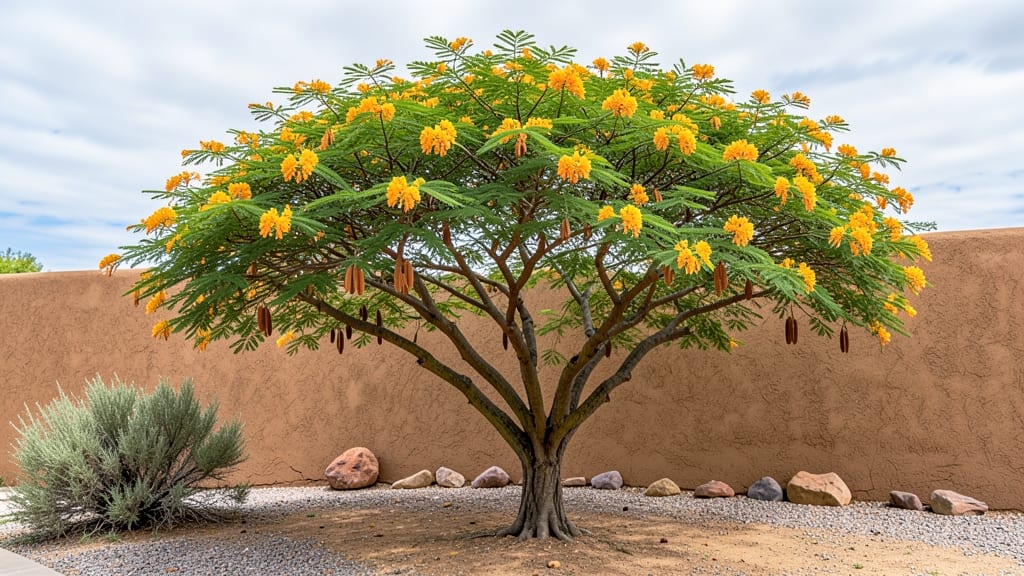
A palo verde tree in your front yard isn’t just a plant—it’s a sun-drenched statement that demands attention. 🌿 Its bright green bark and cheerful yellow blossoms turn ordinary landscapes into eye-catching focal points, especially in drought-prone climates where water conservation matters.
I’ve watched mine transform a plain sidewalk into a conversation starter, proving that curb appeal doesn’t require constant upkeep.
The magic lies in its low-maintenance nature: drought-resistant roots mean fewer water bills, and its fast growth lets you enjoy shade within a few years. Pair it with succulents or native perennials to create a cohesive, water-wise design that still feels lush.
Just plant it 15–20 feet from your house—close enough to frame your entryway, far enough to avoid root conflicts.
By summer, you’ll have a tree that blooms even when others are dormant, its vibrant foliage contrasting beautifully with seasonal flowers. The best part? It thrives in full sun, making it perfect for sunny front yards where other trees might struggle.
Ready to make your yard the talk of the neighborhood?
Whether you’re replacing an old tree or adding a bold new element, this guide covers spacing, companion plants, and pruning tips to keep your palo verde looking its best. Let’s get started!
Root Causes Behind Palo Verde Struggles
Palo verde trees (Parkinsonia spp.) are beloved for their vibrant foliage, drought tolerance, and year-round greenery—but even these hardy plants can face challenges in front-yard settings. Understanding the why behind common issues helps you address them before they escalate.
Below, we break down the science-backed reasons your palo verde might be underperforming, from soil to seasonal shifts.
Palo verdes thrive in well-draining, slightly alkaline soil (pH 6.0–8.0), but many front yards—especially in urban or clay-heavy areas—fall short. Here’s why soil becomes a culprit:
- Compacted or Clay Soil - Problem: Palo verdes hate soggy roots. Clay or compacted soil traps water, suffocating roots and inviting root rot (a fungal infection that blocks nutrient uptake). - Science: Roots need aeration—compacted soil reduces oxygen flow, weakening the tree’s ability to absorb water and minerals.
Over time, this leads to yellowing leaves (chlorosis) or stunted growth. - Actionable Fix: - Test your soil’s drainage: Dig a 12-inch hole, fill it with water, and time how long it takes to drain.
If it’s >6 hours, amend with compost, sand, or gravel. - For clay soil, mix in 2–3 inches of organic matter (like leaf mold or coconut coir) annually.
- Nutrient Deficiencies - Problem: Palo verdes are light feeders but still need nitrogen, phosphorus, and micronutrients like iron and zinc.
Front yards often lack these due to: - Over-fertilizing with lawn-focused blends (high in nitrogen, low in trace minerals). - Soil depletion from repeated planting or construction. - Science: Deficiencies show as: - Yellow between veins (iron/chlorosis) → Common in alkaline soils. - Purple stems/leaves (phosphorus deficiency). - Actionable Fix: - Use a slow-release, balanced fertilizer (e.g., 8-3-6) in early spring. - For iron deficiency, apply chelated iron (more effective in alkaline soil) or sulfur to lower pH slightly.
Palo verdes are desert-adapted, but front-yard microclimates can push them beyond their comfort zone.
- Extreme Heat or Drought
- Problem: While drought-tolerant, palo verdes wilting or dropping leaves in prolonged 100°F+ temps or when transplant shock occurs.
- Science: Their semi-deciduous nature means they shed leaves to conserve water—but if stress is chronic, they may fail to regrow foliage or develop leaf scorch (brown, crispy edges).
- Actionable Fix:
- Deep watering (1–2 inches per week) during establishment (first 2 years).
- Mulch heavily (3–4 inches of wood chips) to retain moisture and regulate soil temp.
- Avoid midday watering (loses to evaporation); opt for early morning or dusk.
- Cold Damage or Frost
- Problem: Palo verdes are hardy to USDA Zones 8–11, but unexpected frosts (especially in Zones 7–8) can kill new growth or blacken leaves.
- Science: Young trees (<5 years) are most vulnerable. Frost cracks (vertical splits in bark) or bud dieback occur when cells rupture from rapid temp drops.
- Actionable Fix:
- Mulch deeply in winter (6+ inches) to insulate roots.
- Wrap the trunk with burlap or frost cloth for young trees in frost-prone areas.
- Avoid pruning in late fall/winter—new growth is frost-sensitive.
- Wind or Salt Exposure - Problem: Front yards near coastal areas or high-traffic streets expose palo verdes to: - Salt spray (from roads or ocean) → Leaf burn (brown, brittle edges). - Strong winds → Physical damage (split branches) or desiccation (dried-out leaves). - Science: Salt increases soil osmotic pressure, making it harder for roots to absorb water.
Wind increases transpiration (water loss), stressing the tree. - Actionable Fix: - Flush soil with fresh water after winter salt applications. - Plant windbreaks (e.g., shrubs like oleander) on the prevailing wind side. - Stake young trees if in exposed areas.
Even tough trees fall prey to overlooked pests or opportunistic diseases when stressed.
- Psyllids or Scale Insects
- Problem: These sap-sucking pests (common in palo verdes) cause:
- Sticky honeydew (attracts sooty mold).
- Yellowing, curling leaves.
- Science: Psyllids inject toxins that disrupt photosynthesis, while scale insects weaken the tree by blocking nutrient flow.
- Actionable Fix:
- Blast off pests with a strong hose (disrupts their life cycle).
- Apply neem oil or horticultural oil in early spring (before eggs hatch).
- Prune and destroy heavily infested branches.
- Problem: These sap-sucking pests (common in palo verdes) cause:
- Root Rot (Phytophthora) - Problem: Overwatering + poor drainage creates the perfect storm for this fungal disease, which rots roots and strangles the tree. - Science: The fungus thrives in anaerobic (low-oxygen) soil, blocking water/nutrient transport.
Symptoms include: - Wilting despite moist soil. - Mushrooms at the base (late-stage sign). - Actionable Fix: - Stop watering immediately if soil is soggy. - Improve drainage with gravel trenches or raised beds. - Fungicide (e.g., copper-based) may help in early stages.
- Canker or Bacterial Leaf Spot
- Problem: Wet foliage (from sprinklers or humidity) invites bacterial infections, causing:
- Black, oily spots on leaves.
- Cankers (sunken, dead areas on bark).
- Science: Bacteria enter through wounds (e.g., pruning cuts) and thrive in moist conditions.
- Actionable Fix:
- Prune in dry weather and sterilize tools (70% alcohol).
- Remove infected leaves and dispose of them (don’t compost).
- Avoid overhead watering; use drip irrigation.
- Problem: Wet foliage (from sprinklers or humidity) invites bacterial infections, causing:
Palo verdes are semi-deciduous—they naturally shed leaves—but poor pruning timing or technique accelerates stress.
- Pruning at the Wrong Time - Problem: Cutting back during flowering (spring) or late summer removes energy sources (flowers/fruit) and new growth, weakening the tree. - Science: Palo verdes store energy in branches.
Pruning when they’re not dormant (winter) or post-flowering (late spring) reduces next year’s bloom and growth. - Actionable Fix: - Best time: Late winter/early spring (just before buds swell) or after flowering. - Avoid summer pruning—it stresses the tree during peak heat.
- Over-Pruning or Improper Cuts - Problem: Removing >25% of foliage in one go shocks the tree, while topping (cutting stems back to stubs) creates weak, dense growth. - Science: Palo verdes have limited energy reserves.
Severe cuts reduce photosynthesis and invite pests (exposed wood attracts borers). - Actionable Fix: - Thin selectively—remove dead, crossing, or weak branches (never >30% of canopy). - Use clean, sharp tools to make angled cuts (1/4
Revitalizing Your Palo Verde Tree
Transforming your front yard into a stunning, sun-loving landscape starts with addressing common issues that can affect your Palo Verde tree—whether it’s struggling with pests, poor growth, or environmental stress.
Below, we’ve mapped out practical solutions for each problem, complete with prevention tips to keep your tree thriving for years to come.
Cause: Cutting too aggressively or trimming at the wrong time can weaken the tree and reduce its natural beauty.
Fix It: 🔪 Prune at the Right Time
- The best time to prune is late winter or early spring (before new growth starts). Avoid heavy pruning in summer or fall, as this can stress the tree.
- Remove dead, diseased, or crossing branches first, using clean, sharp pruning shears or a saw for thicker branches.
🌱 Follow the "Rule of Thirds" - Never remove more than one-third of the tree’s foliage in a single pruning session.
This ensures the tree retains enough energy to recover. - Focus on thinning out dense areas rather than shearing for a bushy look—Palo Verdes naturally have an open, elegant shape.
💡 Pro Tip: If you’re unsure, hire a certified arborist for the first pruning session. They can teach you proper techniques to maintain the tree long-term.
Cause: Yellowing leaves, holes in foliage, or oozing sap may signal pests like scale insects, aphids, or fungal diseases (e.g., powdery mildew).
Fix It: 🚿 Start with a Good Cleaning
- Hose off pests with a strong stream of water (early morning or late evening to avoid shocking the tree).
- Use a soft brush to scrub off scale insects or spider mites from branches.
🌿 Apply Natural or Chemical Treatments - Neem oil or insecticidal soap (mix 1 tbsp neem oil + 1 tsp mild soap in 1 quart of water) works well for soft-bodied pests.
Spray every 7–10 days until the infestation clears. - For fungal issues, use a copper fungicide or baking soda spray (1 tbsp baking soda + 1 quart water + a few drops of soap).
🌡️ Prevent Future Problems
- Improve air circulation by pruning dense branches.
- Water at the base (not overhead) to reduce fungal spores in the air.
- Mulch properly (2–4 inches of organic mulch, keeping it 6 inches away from the trunk) to deter pests and retain moisture.
Cause: Palo Verdes are drought-tolerant but can suffer from root rot (overwatering) or leaf drop (underwatering).
Fix It: 💧 Adjust Your Watering Routine
- Newly planted trees: Water 2–3 times per week for the first year (deep soak, ~1–1.5 gallons per watering).
- Established trees: Water every 2–4 weeks (depending on rainfall). Deep watering (slow drip for 10–15 minutes) encourages strong root growth.
🌱 Check the Soil
- Stick your finger 2–3 inches into the soil—if it’s dry, water; if it’s soggy, hold off.
- Amend heavy clay soil with compost to improve drainage.
✨ Pro Tip: Use a soaker hose or drip irrigation to deliver water directly to the roots, reducing waste and fungal risks.
Cause: Intense desert sun or sudden temperature shifts can cause brown, crispy leaf edges (especially on young trees).
Fix It: 🌿 Provide Temporary Shade
- If your tree is newly planted, use a light shade cloth (30–50%) for the first 2–4 weeks to help it acclimate.
- Avoid full shade—Palo Verdes need sunlight to thrive.
💧 Boost Hydration & Mulch
- Increase watering slightly during extreme heat waves (but avoid overwatering).
- Apply a 2–3 inch layer of mulch to retain moisture and protect roots.
🎯 Long-Term Solution: Plant your Palo Verde in a slightly elevated spot to improve airflow and reduce heat stress.
Cause: Poor soil, lack of nutrients, or insufficient sunlight can lead to weak, stretched-out growth.
Fix It: 🌍 Test & Amend the Soil
- Palo Verdes prefer well-draining, slightly alkaline soil (pH 7.0–8.5).
- Add compost or a balanced fertilizer (10-10-10) in early spring to encourage growth.
☀️ Ensure Full Sun Exposure
- These trees thrive in direct sunlight (6+ hours/day). If growth is slow, consider relocating (if possible) or pruning nearby shade trees.
🔄 Prune for Structure
- Trim long, leggy branches to encourage bushier growth.
- Use hand pruners to shape the tree while it’s young for a natural, balanced form.
Cause: Heavy foot traffic, construction, or clay soil can strangle roots and stunt growth.
Fix It: 🏗️ Aerate the Soil
- Use a garden fork to loosen compacted soil around the root zone (avoid damaging roots).
- Mix in sand or perlite (for clay soil) to improve drainage.
🌱 Plant in a Raised Bed (If Needed)
- If your yard has poor drainage, consider planting the tree in a slightly raised mound of amended soil.
💡 Pro Tip: Avoid walking or parking near the tree’s drip line (the area under its branches) to prevent root damage.
To keep your tree lush and pest-free, follow this year-round care plan:
| Season | Task | Frequency |
|---|---|---|
| Spring | Prune, fertilize, check for pests | Once (early spring) |
| Summer | Deep water, monitor for heat stress | Every 2–4 weeks |
| Fall | Mulch, light pruning if needed | Once (late fall) |
| Winter | Inspect for pests, plan spring prep | As needed |
By addressing these common issues with proactive care, your Palo Verde tree will reward you with vibrant green foliage, year-round interest, and a front yard that stands out—no matter the season! 🌵💚
Frequently asked questions about Palo verde trees in front yards
How close can I plant a palo verde tree to my house?
Keep the tree at least 15–20 feet from your home to prevent root conflicts with foundations and to allow proper air circulation. Palo verdes have extensive root systems, so planting too close can damage plumbing or sidewalks over time.
What’s the best way to prepare the planting hole for a palo verde?
Dig a hole twice as wide as the root ball but no deeper. Mix the native soil with compost or sand (50/50 ratio) to improve drainage. Avoid adding fertilizer at planting—it can burn young roots. Water deeply before backfilling to settle the soil.
Can palo verde trees handle urban front yards with limited space?
Yes! Their compact growth habit makes them ideal for urban spaces. Choose a dwarf variety (like 'Blue Sky') if space is tight, or prune regularly to maintain shape. Just ensure they get 6+ hours of sunlight daily—they won’t thrive in shaded front yards.
How do I protect a young palo verde from pets or kids?
Use a tree guard (metal or plastic) around the trunk to prevent bark damage from curious pets or climbing. Mulch heavily (3–4 inches) to discourage digging while keeping roots cool. For high-traffic areas, consider planting it slightly set back from walkways.
Will a palo verde’s bright bark show through in winter?
Yes! Their distinctive green bark remains visible year-round, even when leaves drop in winter. This unique feature makes them stand out as a winter-interest plant. Prune lightly in late winter to shape branches and reveal more of the striking bark.