
Container Gardens
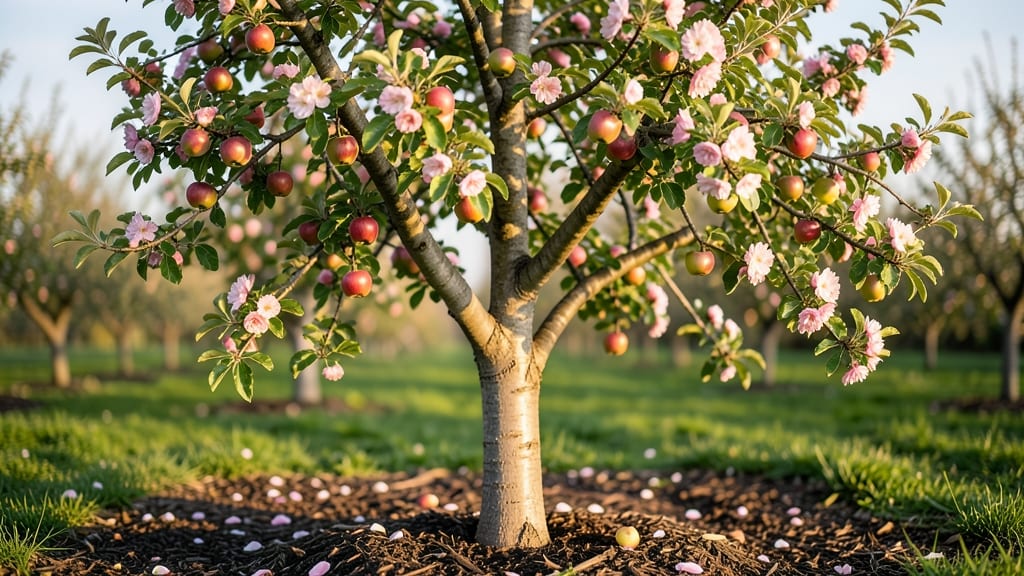
Growing an apple tree in a time lapse from seed to fruit takes 7-10 years—but watching it unfold is worth every season. 🌱 The journey starts with a tiny seed in spring, then unfolds through delicate leaves, first blossoms, and finally, the sweet reward of your own fruit.
I’ve tracked this exact process with my own tree, and the milestones are as satisfying as they are surprising.
The first 6 months focus on root development and the first true leaves—this is where most beginners quit, but patience pays off. By year 2, you’ll see branches forming, and by year 5, flowers appear (though they might not fruit yet).
The real magic happens in years 7-10, when the tree matures enough to bear actual apples—and they’ll taste like nothing store-bought.
What makes this rewarding is seeing each stage transform the tree. Early on, it’s all about soil prep and protection from pests; later, it’s pruning for shape and thinning fruit for size.
The challenges shift too—from damping-off in seedlings to frost damage on blossoms—but each hurdle teaches you more about nurturing life.
Whether you’re growing in a container or the ground, this timeline keeps you engaged year-round. Let’s break down the key stages so you never miss a moment of progress.
📚 In This Guide
- What you need
- Instructions
- Tips and common mistakes
- Wrapping up and next steps
What you need
- ● Apple seeds: 3–5 fresh, viable seeds (from a preferred apple variety). Tip: Save seeds from organic apples for best results!
- ● Growing containers: 1–2 5-gallon pots (for seedlings, with drainage holes)
- ● 1 15–25 gallon container (for mature trees, at least 18" deep)
- ● High-quality potting mix: 10–15 lbs of well-draining, slightly acidic soil (pH 6.0–6.5). Look for a blend labeled for fruit trees or container gardening.
- ● Gravel or perlite: 1–2 lbs (for drainage layers at the bottom of pots).
- ● Watering can with a rose nozzle (for gentle watering).
- ● Fertilizer: 1 balanced fertilizer (10-10-10 or 20-20-20) for early growth.
- ● 1 organic compost (e.g., worm castings or aged manure) for long-term nutrition.
- ● Pruning shears: Sharp, bypass-style (for shaping and maintaining the tree).
- ● Support stake: 1 6–8 ft bamboo or metal stake (for stability as the tree grows).
- ○ Trellis or wire mesh: Optional but helpful for training branches in containers.
- ● Time-lapse camera or smartphone with a tripod (for capturing growth stages).
- ● Grow lights: LED full-spectrum bulbs (if growing indoors or in low-light conditions).
- ● Mulch: 1–2 lbs of wood chips or straw (to retain moisture and regulate soil temp).
- ● Pest control: Neem oil or insecticidal soap (for aphids or mites).
- ● Row covers (if outdoor pests are a concern).
- ● Soil moisture meter (to monitor watering needs accurately).
- ● Label tags (to track planting dates and varieties).
How to track an apple tree's growth through every season
Watch your apple tree transform from a tiny seedling to a fruit-bearing tree with this year-by-year guide.
🌱 Step 1: Plant Seeds in Spring for Early Germination
Start by sowing apple seeds in a seed-starting mix in early spring, around March or April, when soil temperatures reach 50-60°F. Scatter the seeds ¼ inch deep in small pots and keep the soil consistently moist—not soggy. A humidity dome or plastic wrap helps maintain warmth and moisture until germination, which typically occurs in 4-6 weeks. You'll know it's working when you see the first green shoots pushing through the soil.
Apple seeds require stratification—a cold period—to break dormancy. After germination, place the seedlings in a refrigerator for 3-4 months to simulate winter. This mimics nature's process and ensures stronger root development. When you remove them, you'll notice the stems look slightly dormant again, but don't worry—they're preparing for the next growth phase.
☀️ Step 2: Transplant Seedlings in Early Summer for Root Establishment
Once the seedlings have 3-4 true leaves and are 4-6 inches tall, transplant them into larger pots or directly into the ground in early summer, around June. Choose a location with full sun (at least 6-8 hours daily) and well-draining soil. Dig a hole twice as wide as the root ball but only as deep as the container—planting too deep can suffocate the roots.
Water deeply after transplanting to settle the soil around the roots. Mulch with 2-3 inches of organic matter (like wood chips) to retain moisture and regulate soil temperature. You'll see new growth within 2-3 weeks, signaling that the tree has adjusted to its new home. This is also when you can begin fertilizing lightly with a balanced 10-10-10 formula to encourage strong root and shoot development.
🌿 Step 3: Prune and Train Branches in Late Winter for Structure
By late winter or early spring of the second year, your apple tree will need pruning to establish a strong framework. Remove any dead, crossing, or weak branches using clean, sharp pruners. Aim to create an open center with 3-5 main scaffold branches spaced evenly around the trunk. Prune just outside the bud where the branch meets the trunk to encourage outward growth.
This is also the time to train the branches into a desirable shape, whether it's an open-center or central-leader form. Watch for new shoots growing from the base of the trunk—these are called suckers and should be removed to direct energy upward. After pruning, apply a dormant oil spray to protect against pests like aphids and mites, which love tender new growth.
🍎 Step 4: Monitor Flowering and Fruit Set in Spring for First Harvest
Around year 4 or 5, your apple tree will begin flowering in early spring, typically March to April, depending on your climate. The blossoms are stunning but also signal the start of fruit development. Thin the fruit to 6-8 inches apart once they're the size of a dime—this ensures larger, higher-quality apples. You'll know it's time when the fruit clusters look crowded and the smallest apples start to fall off naturally.
Apples need cross-pollination from another variety to produce fruit, so plant a second apple tree of a different variety within 50 feet if you haven’t already. After thinning, reduce watering slightly to prevent the tree from putting too much energy into leaf growth instead of fruit development. Harvest when the apples are fully colored and easily detach from the tree—usually late summer to early fall, depending on the variety.
⏰ Step 5: Prepare for Winter Dormancy and Next Year’s Growth
As temperatures drop in late fall, your apple tree will enter dormancy. Apply a 2-3 inch layer of mulch around the base to insulate the roots from freezing temperatures. Avoid over-fertilizing in the fall—this can encourage late-season growth that’s vulnerable to frost damage. Prune any dead or diseased branches before winter to keep the tree healthy.
This is also the time to plan for next year’s growth. Mark the tree’s height and branch spread with stakes or flags so you can track its progress visually. In early spring, before buds swell, apply a balanced fertilizer to replenish nutrients lost over winter. You’ll notice new buds forming in late winter, signaling the start of another growth cycle—and another step closer to a bountiful harvest.
Tips & tricks for perfect apple tree growth tracking
Growing an apple tree from seed to fruit-bearing maturity takes patience—but these key insights will help you navigate each stage with confidence.
Germination Conditions: The 4-6 weeks germination window can feel like forever, but consistency is key. Use a seed-starting mix with perlite or vermiculite to improve drainage, and maintain soil moisture by checking daily—don't let it dry out completely. A simple trick is to place your pots on a heating mat set to 70°F to speed up germination by 1-2 weeks while keeping the 50-60°F soil temperature.
Stratification Success: Don't skip the 3-4 month refrigerator cold treatment—this mimics winter conditions and breaks seed dormancy. Store seeds in a sealed plastic bag with slightly damp paper towels to prevent mold. When you remove them, you might notice the stems look wilted, but this is normal—they'll bounce back during the transplant phase.
Transplanting Technique: The 3-4 true leaves and 4-6 inch height markers are crucial—transplant too early, and roots won't support the plant; too late, and it may struggle to adapt. Amend your planting hole with compost to improve soil structure, and consider adding a handful of bone meal for phosphorus to boost root growth during the 2-3 week adjustment period.
Pruning Strategy: When establishing your 3-5 main scaffold branches in Step 3, use the "third-eye" method: Imagine looking at the branch from above and prune to create an open center. This allows sunlight to reach the center of the tree, reducing disease risk. Always prune just outside the bud to encourage outward growth—this is where you'll see the most dramatic structural improvement over time.
Pro Tips for Apple Tree Growing Time Lapse
- Growing an apple tree from seed to fruit-bearing maturity takes patience—but these key insights will help you navigate each stage with confidence.
- Germination Conditions: The 4-6 weeks germination window can feel like forever, but consistency is key.
- Stratification Success: Don't skip the 3-4 month refrigerator cold treatment—this mimics winter conditions and breaks seed dormancy.
Frequently asked questions
Got questions about growing your own apple tree from seed to fruit? Here are some of the most common ones—and their answers—to help you along the way!
How long does it take for an apple tree to bear fruit from seed?
Patience is key! Apple trees grown from seed (rather than grafts) can take 5–10 years to produce fruit—if they ever do. This is because seed-grown trees may not inherit the parent tree’s traits. For faster results, consider grafting or buying a young tree from a nursery.
Can I speed up the growing process?
Yes! While you can’t rush nature, you can optimize growth with these tricks:
- Choose disease-resistant varieties (like ‘Liberty’ or ‘Honeycrisp’).
- Use container growing to control soil quality and sunlight.
- Apply balanced fertilizer (10-10-10) in early spring and fall.
- Prune regularly to encourage strong branch development.
Will my homegrown apple tree produce edible fruit?
Maybe! Seed-grown trees often yield small, tart, or inedible apples because they’re not true to the parent. For reliable fruit, graft a known variety onto a rootstock or buy a young tree from a trusted source. Cross-pollination (planting two varieties nearby) also boosts fruit quality.
How do I protect my young apple tree in winter?
Young trees are vulnerable to frost and cold. Here’s how to shield them:
- Wrap the trunk in tree guard or burlap to prevent rodent damage.
- Apply a 3–4 inch layer of mulch around the base (but not touching the trunk).
- Use frost cloth for extra protection in harsh winters.
- Avoid pruning in late fall—wait until early spring.
What pests or diseases should I watch for?
Common threats include:
- Aphids: Spray with soapy water or introduce ladybugs.
- Apple scab: Use fungicide in spring and remove infected leaves.
- Canker: Prune affected branches and sterilize tools with rubbing alcohol.
- Borers: Apply beneficial nematodes or insecticide early in the season.
Wrapping up and next steps
Watching an apple tree grow from a tiny seed to a fruit-bearing beauty is a rewarding journey filled with patience, care, and the joy of nature’s progress! 🌱 Whether you’re growing in a container or a backyard, every stage—from sprouting to blossoming to harvesting—shows the magic of nurturing life.
Your hard work will soon be rewarded with homegrown apples, fresh from your own tree!
Ready to take the next step? Plan your planting schedule based on your climate, monitor soil health, and protect your tree from pests—then enjoy the sweet fruits of your labor! 🍏🌟