
Pruning
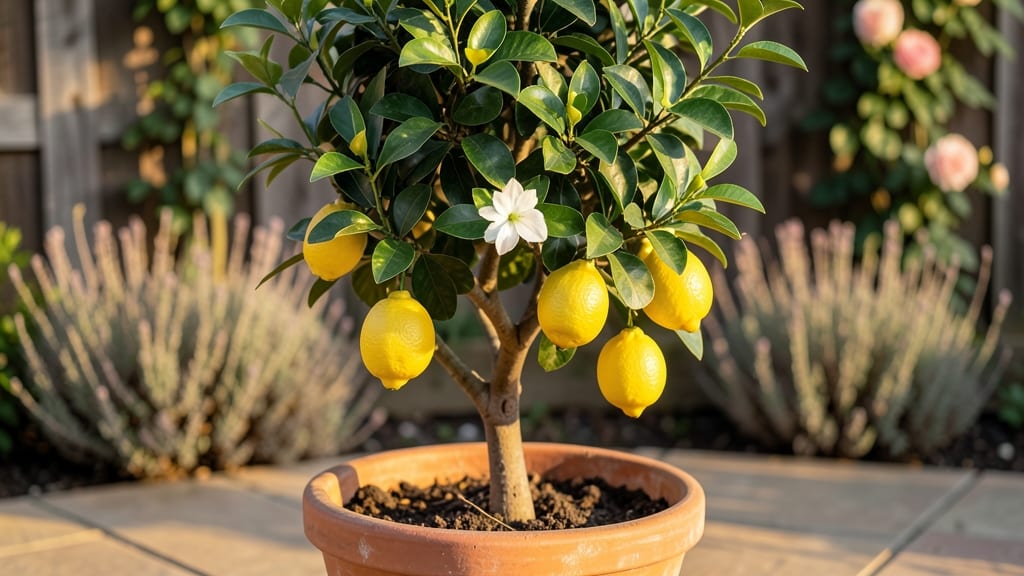
Your patio lemon tree can thrive year-round with the right care. 🌿 I've watched my dwarf Meyer lemon tree produce fruit every season—even on a tiny balcony—by following these simple but critical steps that keep citrus happy in containers.
The key starts with the right pot (at least 15 gallons for mature trees) and well-draining soil mixed with compost. Most people overwater, leading to root rot, so I check soil moisture by sticking my finger 2 inches deep before watering.
Citrus loves sun too—6-8 hours daily—but afternoon shade in hot climates prevents leaf scorch. You’ll notice new growth within weeks when you fertilize monthly during spring and summer with a citrus-specific blend. The first harvest comes after 12-18 months, and the sweet-tart fruit makes every effort worthwhile.
For small spaces, this method works whether you're growing on a deck, patio, or sunny windowsill. Here’s how to keep it productive all year.
📚 In This Guide
- What you need
- Instructions
- Tips and common mistakes
- Wrapping up and next steps
What you need
- ● Potting Soil: 10-15 gallons of well-draining citrus-specific potting mix (or a blend of 60% potting soil, 30% perlite, and 10% sand).
- ● Pot: A 5-gallon or larger container with drainage holes (terracotta or fabric pots work best).
- ● Pruning Shears: Sharp, bypass-style shears (sterilized with rubbing alcohol).
- ● Fertilizer: A balanced citrus fertilizer (e.g., 6-6-6 or 8-3-9 NPK ratio) or organic options like fish emulsion.
- ● Watering Can: A sprayer or drip nozzle for gentle hydration (avoid overhead watering when possible).
- ● Mulch: 1-2 inches of organic mulch (e.g., straw or bark chips) to retain moisture.
- ● Support Stakes: 1-2 bamboo or metal stakes (for young trees or windy patios).
- ● Slow-Release Fertilizer Pellets: For hassle-free nutrition (apply 2-3 times per year).
- ● Grow Lights: A full-spectrum LED grow light (if indoors or in low-light patios).
- ● Pest Control: Neem oil or insecticidal soap (for aphids or spider mites).
- ● Tree Tie or Twine: To secure branches to stakes during pruning.
- ● pH Test Kit: To monitor soil acidity (ideal range: 6.0–7.0).
Step-by-step instructions for patio lemon tree care
Here's how to keep your dwarf lemon tree happy and productive year-round—no green thumb required.
☀️ Step 1: Position for Sunlight and Shelter
Lemon trees need 6-8 hours of direct sunlight daily, but they also hate harsh afternoon sun in hot climates. Place your tree near a south- or west-facing window if indoors, or in a sheltered patio spot that gets morning sun and afternoon shade. You'll see leaves start turning yellow if it's not getting enough light—this is your first warning sign.
For outdoor patios, use a moveable pot so you can shift it as seasons change. In summer, move it to partial shade; in winter, bring it closer to the sun. A lightweight pot (like plastic or resin) makes this easy—just roll it to your new spot. Avoid glass containers; they trap too much heat and can scorch roots.
💧 Step 2: Water Deeply but Infrequently
Overwatering kills lemon trees faster than underwatering. Stick your finger 2 inches into the soil—if it feels dry, water thoroughly until it drains from the bottom. Let the top 1-2 inches of soil dry out completely between waterings. You'll know you're doing it right when you see water running out the drainage holes.
In summer, you may need to water every 3-4 days; in winter, every 7-10 days. Lemon trees store water in their trunks, so they prefer deep, infrequent watering over light daily sprinkles. Always use room-temperature water—cold water can shock the roots. If the leaves start curling or dropping, you're likely overwatering.
✂️ Step 3: Prune for Shape and Fruit Production
Prune your lemon tree twice a year: once in late winter (before new growth) and again in early summer (after flowering). Use clean, sharp pruning shears to cut back leggy branches and encourage bushier growth. Remove any dead, diseased, or crossing branches first—these compete with healthy growth.
Focus on shaping the tree to fit your patio space. Cut just above a leaf node (the bump where leaves grow) to encourage new branches. Never remove more than one-third of the foliage at once—this stresses the tree. After pruning, give it a light fertilizer to help it recover. You'll see new leaves filling in within 4-6 weeks if you've pruned correctly.
🌱 Step 4: Feed and Fertilize for Year-Round Growth
Lemon trees are heavy feeders, so fertilize every 4-6 weeks during growing season (spring through fall). Use a balanced citrus fertilizer (like 6-6-6 or 8-3-9) mixed at half strength to avoid burning roots. In winter, cut back to once every 8-12 weeks—the tree rests then, and too much fertilizer can harm it.
Work the fertilizer into the top 2 inches of soil after watering. You'll notice new growth within 2-3 weeks if the tree is happy. Avoid organic fertilizers like manure—they can cause root burn and salt buildup. If the leaves turn yellow with brown edges, you're over-fertilizing. Flush the soil with water and reduce the amount next time.
🪴 Step 5: Protect from Pests and Seasonal Shifts
Check your tree weekly for pests like scale, aphids, or spider mites, especially on the undersides of leaves. Wipe them off with a soapy water spray (1 tsp mild dish soap per gallon of water). Lemon trees are tough, but a heavy infestation can weaken them. You'll spot pests as sticky residue on leaves or tiny webs.
In winter, move potted trees indoors if temperatures drop below 40°F. Even dwarf varieties can suffer if exposed to frost. If you keep it outside, wrap the pot in burlap and place it against a wall for extra protection. In spring, harden it off by gradually reintroducing it to outdoor conditions over 1-2 weeks to avoid shock.
Tips & tricks for perfect patio lemon tree care
Here's what nobody tells you about keeping your patio lemon tree thriving—these secrets will prevent common mistakes and maximize fruit production.
Sunlight Strategy: That 6-8 hours of sunlight rule is non-negotiable, but timing matters just as much. In hot climates, position your tree to catch morning sun (when it's cooler) and afternoon shade. I've seen trees with perfect southern exposure get scorched when the afternoon sun hits directly—move it to the west side instead. For indoor trees, rotate the pot quarter-turn weekly so all sides get even light exposure, preventing lopsided growth.
Watering Wisdom: The 2-inch soil test is your best friend, but there's a trick to it: press your finger in gently—if the soil feels like a damp sponge (not wet or bone dry), you're golden. I've ruined trees by overwatering when the soil felt "just damp enough," only to discover the roots were suffocating. Also, water in the morning so excess drains away before evening—this prevents fungal issues. In winter, let that top 1-2 inches dry out completely between waterings, even if it's been 10 days.
Pruning Precision: When you're shaping your tree in Step 3, look for those leaf nodes—they're the tiny bumps where leaves attach. Cutting just above them encourages new growth, but cutting too close can damage the branch. I always make my cuts at a 45-degree angle about 1/8 inch above the node. This technique prevents water from pooling on the cut and causing rot. And remember: those two pruning sessions should be your tree's growth reset buttons—think of them like giving your tree a haircut to encourage fuller foliage.
Fertilizer Finesse: That balanced citrus fertilizer should be mixed to half strength—trust me, I've seen people burn their trees by using full strength. Work it into the top 2 inches of soil after watering, but here's the secret: add a handful of coarse sand or perlite to your potting mix before fertilizing. This prevents salt buildup that can occur with frequent feeding. In winter, when you cut back to every 8-12 weeks, you can actually reduce the amount by half—your tree's resting, so it doesn't need as much fuel.
Pro Tips for Patio Lemon Tree Care
- Here's what nobody tells you about keeping your patio lemon tree thriving—these secrets will prevent common mistakes and maximize fruit production.
- Sunlight Strategy: That 6-8 hours of sunlight rule is non-negotiable, but timing matters just as much.
- Watering Wisdom: The 2-inch soil test is your best friend, but there's a trick to it: press your finger in gently—if the soil feels like a damp sponge (not wet or bone dry), you're golden.
Frequently asked questions
Got questions about keeping your patio lemon tree happy? You’re not alone! Here are answers to the most common concerns—from pruning to pests and beyond.
How often should I prune my patio lemon tree?
Prune your lemon tree lightly 2–3 times a year: after harvest (to shape), in late winter/early spring (before new growth), and summer (to remove dead wood). Avoid heavy pruning—lemons thrive with a balanced shape, not drastic cuts. Focus on air circulation and sunlight access!
Can I grow a lemon tree in a pot year-round?
Yes! Choose a large, well-draining pot (15+ gallons) and move it indoors (near a sunny window or grow light) when temps drop below 40°F (4°C). Use a citrus-specific potting mix and water sparingly in winter—overwatering is the #1 killer of potted trees. A dwarf variety (like ‘Meyer’) is ideal for patios.
What should I do if my lemon tree leaves turn yellow?
Yellow leaves usually mean overwatering or nutrient deficiency. Check the soil—it should be slightly dry before watering. Feed with a citrus fertilizer every 4–6 weeks in growing season. If only older leaves yellow, it’s natural aging; if new leaves do too, check for root rot or pests like spider mites.
Do patio lemon trees need winter protection?
Most patio lemon trees (especially dwarf types) survive mild winters outdoors, but protect them if temps drop below 20°F (-7°C). Wrap the pot in bubble wrap or move it to a garage/shed (not freezing!). Avoid sudden cold snaps—gradually acclimate it back outside in spring. A mulch layer around the pot also helps insulate roots.
Why isn’t my lemon tree fruiting?
Lemon trees need full sun (6+ hours/day), consistent water, and regular feeding to produce fruit. If it’s young (<3 years), be patient—it may not fruit yet. Lack of blooms? Check for stress (over/under-watering, pests, or poor soil). Hand-pollinate flowers with a soft brush if bees aren’t visiting, and ensure temps stay above 55°F (13°C) for pollination.
Wrapping up and next steps
With the right tools, timing, and techniques, your patio lemon tree can thrive year-round—even in small spaces! 🌿 Remember to prioritize regular pruning for shape and health, seasonal adjustments for growth, and proactive care to prevent pests.
Whether you’re trimming for aesthetics or productivity, a little effort now means bountiful harvests and lush foliage later.
Ready to take the next step? Grab your pruners, schedule a quick check-in with your tree, and enjoy the sweet rewards of your hard work! 🍋✨