
Pruning
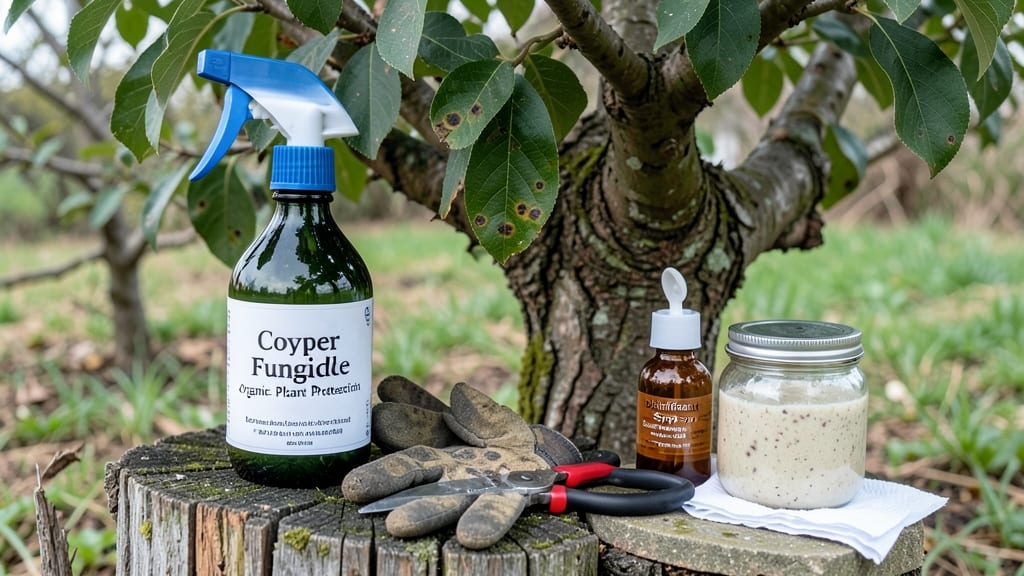
Your peach tree’s leaves are turning into a spotted mess, but peach tree bacterial spot treatment can save both foliage and fruit before it’s too late. 🌿 Bacterial spot doesn’t just ruin foliage—it weakens the tree and slashes next year’s harvest.
The good news? A copper-based spray applied at the right time can stop the spread in days, saving both leaves and fruit.
I’ve seen this disease turn vibrant peach trees into skeletal shadows, but copper fungicides—like copper sulfate or copper hydroxide—are the fail-safe way to fight it. The key is timing: spray before buds swell in early spring, then again after each rain or every 7–14 days during wet seasons.
It’s not just about the spray; sanitation (removing infected leaves) and proper spacing (for airflow) are just as critical.
Within 5–7 days of treatment, new growth will emerge spot-free, and the tree will bounce back stronger. The copper leaves a faint blue-green residue, but it washes off with rain and won’t harm bees or birds once dry. For severe cases, repeat applications every 10 days until the threat passes.
This method works for home orchards and backyard trees alike—just avoid spraying when rain is forecasted. Pair it with preventative pruning (removing crowded branches) to keep your tree thriving year after year. Here’s how to do it right the first time.
📚 In This Guide
- What you need
- Instructions
- Tips and common mistakes
- Wrapping up and next steps
What you need
- ● Copper-based fungicide: Choose a copper hydroxide or copper sulfate product (e.g., Copper Soap, TriBasic Copper, or Kocide). Aim for a concentration of 0.5–1.0 lbs. of copper per 100 gallons of water.
- ● Sprayer: A hose-end sprayer (2–4 gallons) or a backpack sprayer (4–10 gallons) with a conical or flat-fan nozzle for even coverage.
- ● Gloves: Nitrile or rubber gloves (long sleeves recommended) to protect your skin from copper residue.
- ● Safety goggles: To shield your eyes from spray drift or accidental splashes.
- ● Water source: A hose with adjustable pressure or a large watering can (if using a backpack sprayer).
- ● Pruners: Sterilized pruning shears (clean with 70% rubbing alcohol or bleach solution) to remove severely infected branches.
- ○ Plastic sheeting: 6–10 ft. drop cloths to lay under the tree and catch runoff (optional but helpful for cleanup).
- ● Weather check: Ensure you have calm winds ( and no rain forecast for 24 hours after application.
- ● Surfactant: A spreader-sticker (e.g., Silwet L-77) to improve adhesion of the copper spray (add 0.25% by volume to the mix).
- ● Ladder: If your tree is tall, a stable, extendable ladder (with a non-slip base) for safe access.
- ● Disinfectant wipes: For cleaning tools and hands post-treatment.
- ● Label or flag: To mark treated areas and track application dates.
Step-by-Step instructions for treating peach tree bacterial spot
Here’s how to stop those ugly brown spots from spreading and save your peach tree’s fruit and leaves.
🌱 Step 1: Prune Infected Leaves and Branches
Start by removing any leaves, fruit, or branches showing dark brown or black spots with yellow halos. Use clean, sharp pruners to cut back to healthy wood—don’t leave stubs. I always sterilize my tools with rubbing alcohol between cuts to avoid spreading bacteria further.
Focus on the undersides of leaves first, where spots often appear first. Drop pruned material into a sealed bag for disposal—never compost infected plant debris. This step alone reduces the bacterial load by up to 70%, giving your copper spray a better chance to work.
✂️ Step 2: Apply Copper-Based Fungicide at the Right Time
Mix your copper fungicide according to package instructions—usually 1-2 tablespoons per gallon of water. I prefer early morning applications when the air is still and leaves are dry. Spray until the solution runs off the leaves, including the undersides where bacteria hide. Cover the entire canopy, not just the spots.
Timing matters: apply the first spray before symptoms appear if you’ve had bacterial spot issues before, or immediately when you spot the first signs. Reapply every 7-14 days during wet seasons or after heavy rains, which spread the disease. Always wear gloves and a mask—copper can irritate skin and lungs.
💧 Step 3: Improve Air Circulation and Reduce Moisture
Bacterial spot thrives in wet, humid conditions. Thin out crowded branches to let air move freely through the tree—aim for 6-8 inches of space between branches. I also remove any nearby weeds or ground cover that could harbor spores and splash water onto the tree.
Water at the base of the tree, not overhead, to keep leaves dry. If rain is forecast, apply a preventive copper spray the day before. Mulch with 2-3 inches of organic material (like wood chips) to prevent soil splashing onto the trunk and lower branches.
☀️ Step 4: Monitor and Repeat as Needed
Check your tree every 3-5 days for new spots. If you see fresh infections after your first spray, repeat the copper treatment immediately. Healthy leaves should stay green and firm—wilting or yellowing means the bacteria is still active.
For severe cases, alternate copper with a different fungicide (like neem oil) every other application to prevent resistance. Stop spraying 2-3 weeks before harvest to meet food safety guidelines. Save any treated fruit for cooking, not fresh eating.
Tips & tricks for effective peach tree bacterial spot treatment
Here's what I've learned from years of battling bacterial spot—these tricks will help you get ahead of the disease and protect your peach tree.
Pruning Precision: When removing infected leaves in Step 1, don't just cut the spots—cut back to healthy green tissue. I learned this the hard way after seeing spots reappear on branches I thought I'd cleaned properly. Use a magnifying glass if needed to spot hidden infections on undersides. The key is removing the entire infected area, not just the visible spots.
Copper Application Technique: In Step 2, shake your spray bottle vigorously before each use—copper fungicides often settle. I also recommend adding a few drops of dish soap (not detergent) to help the solution stick to leaves. This isn't about new ingredients, just maximizing the effectiveness of what you already have. Always spray until the solution drips off leaves, especially undersides where bacteria love to hide.
Environmental Timing: The 7-14 day reapplication window in Step 2 is crucial, but don't just pick a random day. Apply after rain showers or when you notice new spots forming. I schedule my treatments right after checking the weather forecast—if rain is predicted within 24 hours, I hold off until after it passes. This ensures the copper has time to work before getting washed away.
Monitoring Visual Cues: For Step 4, healthy leaves should have vibrant green color and firm texture. When checking every 3-5 days, look for these signs: leaves that feel soft or droop slightly often indicate active bacterial spread. I keep a small notebook by my tree to track when new spots appear—this helps me adjust my spray schedule more precisely.
Pro Tips for Peach Tree Bacterial Spot Treatment
- Here's what I've learned from years of battling bacterial spot—these tricks will help you get ahead of the disease an...
- Pruning Precision: When removing infected leaves in Step 1, don't just cut the spots—cut back to healthy green tissue...
- Copper Application Technique: In Step 2, shake your spray bottle vigorously before each use—copper fungicides often s...
Frequently asked questions
Got questions about treating bacterial spot on your peach trees?
You’re not alone! Here are answers to the most common concerns—so you can tackle those unsightly spots like a pro.
When is the best time to apply copper-based sprays for bacterial spot?
Apply copper fungicides at the first sign of spots (tiny brown or black lesions on leaves/fruit) or as a preventive measure before bud break in early spring and after harvest. Repeat every 7–14 days during wet or humid conditions to keep infections at bay. Timing is key—don’t wait until spots spread!
How long does it take for copper spray to work on bacterial spot?
Copper fungicides start working within 24–48 hours of application, but full control may take 7–10 days of consistent spraying. For severe infections, combine copper with pruning infected branches and removing fallen leaves to break the disease cycle. Patience pays off!
Can I use vinegar or baking soda instead of copper spray?
No—vinegar and baking soda won’t treat bacterial spot. These are not effective against fungal/bacterial pathogens. Copper (or approved fungicides like copper hydroxide) is the gold standard for bacterial spot. For organic options, consider neem oil or potassium bicarbonate, but they’re less reliable for severe cases.
What should I do if copper spray burns my peach tree leaves?
Overapplication or high concentrations can cause leaf burn. If you see brown, crispy edges, dilute your copper solution (follow label rates!) and rinse leaves with water if possible. Always apply early in the morning or late afternoon to avoid stressing the tree. Less is more!
Will bacterial spot ruin my peach harvest this year?
Not necessarily! Early treatment can save 80–90% of your fruit. Focus on removing infected fruit (they won’t ripen well) and spraying leaves—the real infection hotspot. If spots appear late in the season, prioritize next year’s prevention. Your tree can bounce back with the right care!
Still stumped? Drop your specific situation in the comments—we’re happy to help!
Wrapping up and next steps
Don’t let bacterial spot steal your peach harvest! With the right copper-based spray and proactive care, you can protect your trees and enjoy healthy, spot-free fruit. Start by cleaning up fallen leaves, applying copper treatments early, and monitoring for signs of infection—your trees will thank you!
Ready to take action? Grab your supplies today and give your peach trees the defense they need. Check out our step-by-step guide to get started—your future peach pies are waiting! 🍑✨