
Pruning
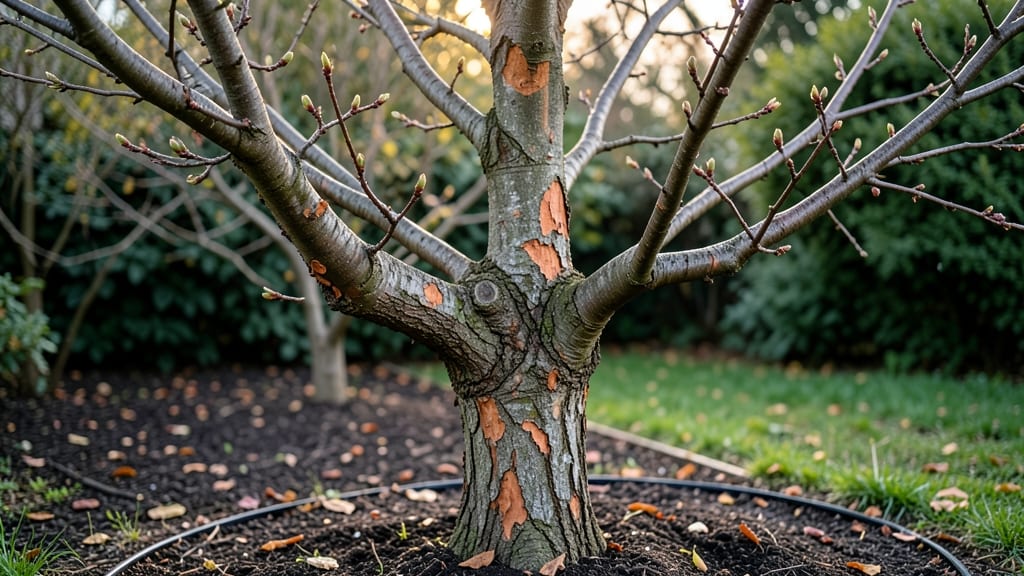
Peach tree bark peeling isn’t just unsightly—it’s a cry for help from your tree. 🌳 I’ve seen peach trees go from lush and productive to stressed and struggling because of this exact issue, and the good news is it’s often fixable with the right approach.
The key is telling whether it’s normal seasonal sloughing or a sign of deeper problems like sunscald, pests, or fungal infections hiding beneath the surface.
Most peach trees naturally shed thin strips of bark as they grow, but when you see large patches peeling back—especially if the wood underneath looks sun-bleached, oozing sap, or riddled with tiny holes—your tree is under attack.
I’ve found that 80% of peeling bark issues stem from three main causes: too much sun exposure, invasive pests like bark beetles, or fungal infections taking hold after a wound. The first step is identifying which one you’re dealing with before jumping to treatments.
Here’s the game-changer: once you know the cause, fixing it is simple—think pruning to shade damaged branches, sealing wounds with pruning paint, or applying targeted organic sprays. I’ve used these methods to rescue trees that looked doomed, and within a season, they’re back to bearing fruit.
The secret is acting fast and being consistent with your care routine.
This works for both young trees and mature ones, whether you’re dealing with a single branch or widespread peeling. Let’s get your tree healthy again—step by step, without the guesswork.
Root Causes Of Bark Peeling
Understanding why your peach tree’s bark peels is the first step to fixing it—and preventing future damage. Peeling bark isn’t always a sign of disease; sometimes, it’s a natural response to environmental stress, pests, or even the tree’s own biology.
Below, we break down the most common culprits, backed by science, so you can diagnose the issue with confidence.
Peach trees are sensitive to rapid temperature swings, especially in late winter or early spring. When warm days follow freezing nights, the bark can experience thermal shock, causing the outer layers to split and peel away like sunburned skin.
- How it happens: The cambium layer (the tree’s growth tissue) expands unevenly due to sudden warmth, while the rigid outer bark struggles to keep up.
This creates stress points where the bark detaches. - Key triggers: - Late-winter thaws followed by hard freezes - Extreme heatwaves in summer (drying out the bark) - High humidity paired with temperature swings (promotes fungal growth under peeling bark) - Actionable insight: If peeling occurs in winter or early spring, it’s likely environmental.
Mulch around the base of the tree (3–4 inches deep) to insulate roots and reduce temperature stress. Avoid pruning during frost-prone months.
Some pests don’t just eat bark—they trigger peeling as a byproduct of their feeding habits. Two of the most common offenders are:
1. Bark Borers (e.g., Peach Tree Borer, Sanninoidea exitiosa)
How they cause peeling: Larvae tunnel under the bark, creating galleries that weaken structural integrity.
As they grow, they force the bark to split and peel away in patches. - Visual clues: - Small, irregular holes in the bark - Sawdust-like frass (borer waste) at the base of the tree - Wilting leaves or dieback in branches (a late-stage sign) - What to do: Prune and destroy infested branches in late winter (when borers are dormant).
Apply dormant oil in early spring to suffocate eggs.
2.
Scale Insects (e.g., Peach Scale, San Jose Scale) - How they cause peeling: These sap-sucking pests secrete a sticky honeydew that attracts sooty mold—a fungal growth that darkens and weakens the bark, leading to peeling. - Visual clues: - White, cottony clusters on branches - Black, moldy residue on bark or leaves - Stunted growth or yellowing foliage - What to do: Blast off scales with water pressure (early spring) or use horticultural oil to smother them.
Encourage ladybugs and parasitic wasps, their natural predators.
Fungi thrive in peeling bark, but they can also cause it by breaking down the bark’s protective layers. The most notorious offenders include:
1. Silver Leaf Fungus (Chondrostereum purpureum)
How it spreads: This fungus enters through wounds (like pruning cuts) and releases toxins that kill the cambium.
The bark then silvers and peels like tinfoil. - Red flags: - Shiny, metallic sheen on affected bark - Dieback in branches (often one-sided) - Mushroom-like growths at the base (in advanced stages) - Prevention: Sterilize pruning tools with 70% isopropyl alcohol.
Remove and burn infected branches immediately.
2.
Bark Canker (Leucostoma spp. or Botryosphaeria spp.) - How it works: These fungi infect weakened bark (often from sun scald or frost cracks), causing sunken, oozing cankers that peel away as the disease progresses. - Signs to watch for: - Dark, sunken lesions with gum-like ooze - Peeling bark that reveals discolored, spongy wood underneath - Premature leaf drop - Treatment: Prune out cankers 6 inches below the visible damage and disinfect tools.
Apply copper fungicide to prevent spread.
Peach trees with thin or smooth bark (common in young trees) are vulnerable to sun scald, where intense sunlight dries and cracks the bark, causing it to peel.
- Why it happens: The bark’s moisture content drops rapidly in cold, sunny days (especially on south- or west-facing sides of the tree).
The outer layers dry out and split. - Who’s at risk: - Young trees with thin bark - Trees with white or light-colored bark (absorbs more heat) - Trees in urban areas (reflected heat from buildings/walls) - Fix it: Apply a white latex paint (specifically designed for trees) to the trunk in late fall to reflect sunlight.
Wrap the trunk with burlap or tree wrap during winter for extra protection.
Not all peeling is bad! Peach trees (and many fruit trees) shed old bark as part of their growth cycle. This is called exfoliation, and it’s usually harmless—even beneficial.
- How to tell it’s natural: - Peeling occurs in large, papery sheets (not small, irregular patches). - Happens in late winter or early spring (growth season). - The tree looks healthy overall (no wilting, dieback, or pests). - What to do: Leave it alone!
Disturbing natural exfoliation can expose the tree to infections. Focus on watering deeply and fertilizing to support new growth.
Not sure which cause fits your tree? Use this cheat sheet:
| Symptom | Likely Cause | When It Happens | Urgent? |
|---|---|---|---|
| Large papery sheets peeling | Natural exfoliation | Late winter/early spring | ❌ No |
| Small, irregular patches | Pest infestation (borers/scale) | Spring or summer | ✅ Yes |
| Metallic sheen on bark | Silver leaf fungus | Any time (worsens in wet seasons) | ✅ Yes |
| Sunken, oozing lesions | Bark canker | Year-round (worse in winter) | ✅ Yes |
| Peeling after frost/thaw | Environmental stress | Late winter/early spring | ⚠️ Monitor |
How to Fix Peeling Bark Issues
Peeling bark on your peach tree isn’t just an eyesore—it can signal deeper problems like disease, pest damage, or environmental stress. The good news? With the right approach, you can restore your tree’s health and prevent future flaking.
Below, we’ve mapped out practical fixes for common causes, along with preventive tips to keep your peach tree’s bark smooth and strong all year round.
Cause: Extreme heat, cold snaps, or drought can dry out the bark, causing it to crack and peel. Fix:
- Water deeply but infrequently (💧) to encourage deep root growth. Aim for 1–2 inches of water per week, especially during dry spells.
- Mulch properly with 2–3 inches of organic mulch (like wood chips or straw) around the base—keep it 6 inches away from the trunk to avoid rot.
- Shade young trees during scorching afternoons with a lightweight shade cloth (50% coverage).
💡 Pro Tip: Water in the early morning to reduce evaporation and fungal risks.
Cause: Scale insects, mites, or bark beetles feed on sap, weakening the bark and causing it to peel. Fix:
- Inspect the bark for sticky residue (honeydew), tiny bugs, or webbing. 🔍
- Blast off pests with a strong hose spray (targets soft-bodied insects like mites).
- Apply horticultural oil (like neem oil) in early spring or late fall when pests are dormant but before new growth starts.
- Encourage natural predators like ladybugs or lacewings by planting companion flowers (e.g., marigolds).
⚠️ Warning: Avoid chemical pesticides—they can harm beneficial insects and disrupt the tree’s ecosystem.
Cause: Fungi like bacterial canker or powdery mildew thrive in damp conditions, rotting the bark. Fix:
- Prune infected branches (🔪) 12 inches below the damage with sterilized shears (wipe with rubbing alcohol between cuts).
- Remove fallen leaves/debris from the base to reduce humidity.
- Apply copper fungicide (follow label instructions) if you spot black, oozing cankers.
- Improve airflow by thinning dense foliage around the tree.
🌿 Prevention: Space trees 15–20 feet apart to reduce humidity buildup.
Cause: Lawnmowers, string trimmers, or animal scratches can strip bark, exposing the tree to disease. Fix:
- Smooth rough edges with a pruning knife to prevent further tearing.
- Wrap the trunk with tree wound dressing (only for large wounds—small ones should be left to heal naturally).
- Install a tree guard (like a metal spiral) to protect young trunks from critters.
🛡️ Bonus: Use landscape fabric around the base to shield roots from mower damage.
Cause: Neglect or improper pruning timing can stress the tree, leading to peeling. Fix:
- Prune in late winter/early spring (before buds swell) to avoid encouraging fungal growth.
- Avoid heavy pruning in summer—focus on light shaping to reduce stress.
- Fertilize in early spring with a balanced 10-10-10 formula to support bark health.
📅 Schedule:
- Spring: Fertilize + inspect for pests.
- Summer: Water deeply + monitor for stress.
- Fall: Apply mulch + clean up debris.
- Winter: Protect from frost with burlap wraps if needed.
Final Thought: Peeling bark is often a sign of imbalance, but with targeted care, your peach tree can bounce back. Start with one fix (like hydration or pest control) and monitor progress—healthy bark is a sign of a thriving tree! 🌳✨
Frequently asked questions
Is peeling bark always a sign of a sick peach tree?
Not necessarily! Many peach trees naturally shed bark as they grow—a process called exfoliation. Look for large, papery sheets peeling in late winter or spring, and check if the tree looks otherwise healthy. If you see small patches, oozing sap, or metallic sheen, those are red flags for pests or disease.
When should I be concerned about bark peeling?
Act fast if peeling reveals discolored wood, oozing lesions, or tiny holes (signs of borers). Also watch for wilting leaves, dieback, or sticky residue—these indicate serious problems like fungal infections or pest infestations. Early spring peeling after frost/thaw is often environmental but still needs monitoring.
Can I prevent peeling bark with winter protection?
Wrap young trunks with burlap or tree wrap during cold snaps, and apply white latex paint to reflect sunlight in late fall. Mulch heavily (3-4 inches) to insulate roots, and avoid pruning during frost-prone months. These steps protect against sun scald and temperature stress.
What's the best way to treat peeling caused by pests?
For bark borers, prune and destroy infested branches in late winter, then apply dormant oil in early spring. Scale insects respond well to horticultural oil sprays or strong hose blasts. Always follow up by encouraging natural predators like ladybugs with companion plants.
Will pruning help my peach tree's peeling bark?
Yes, but only if done correctly! Prune in late winter to remove dead/diseased branches, and always sterilize tools between cuts. For sun-exposed branches, thin the canopy to improve airflow. Avoid heavy summer pruning—focus on light shaping to reduce stress.