
Blooming
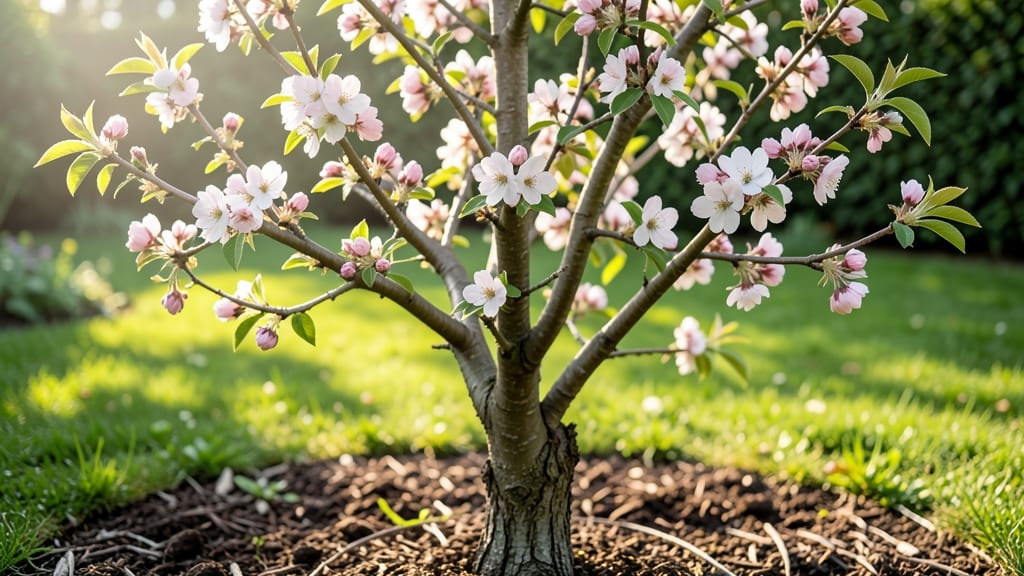
The peach tree bloom time in late winter to early spring 🍑 is a critical window that determines whether your harvest will be full or sparse.
Timing your peach tree’s bloom period correctly is the key to a bountiful harvest—but getting it wrong can mean lost fruit or weak yields.
In USDA Zone 6a, like where I live, blooms typically appear between late March and early April, though varieties and local climate can shift that by weeks.
Below, I’ll break down the exact bloom months for your zone, how to protect delicate blossoms from frost, and when to prune for the best fruit set.
Peach tree bloom time by USDA climate zones: exact months
Peach trees are delicate bloomers, and their bloom timing varies dramatically by USDA climate zone. In Zone 5, for example, blooms often appear in late April to early May, while Zone 9 peaches may burst into pink blossoms as early as February.
Understanding these regional differences helps you protect blooms from late frosts and optimize fruit production. Whether you're in Michigan or California, knowing your tree's bloom window is critical for success.
Most peach varieties need 300-1,000 chill hours (temperatures between 32-45°F) to trigger blooming. This means Southern varieties (like ‘Redhaven’) bloom earlier than Northern types (like ‘Elberta’). Even within a zone, microclimates—like urban heat islands or valley floors—can shift bloom times by 1-3 weeks.
For instance, San Diego (Zone 10) peaches may bloom in January, while Chicago (Zone 5) trees wait until mid-May.
Early bloomers (like ‘Flavor Grenade’) often appear in February-March, while late bloomers (such as ‘Halehaven’) may wait until April-May. This variation is why frost protection—like row covers or sprinklers—is essential in Zones 5-7. In warmer zones (8-9), early blooms can coincide with winter rains, increasing the risk of bacterial spot or fungal diseases. Always monitor your local frost dates and adjust care accordingly.
| USDA Zone | Typical Bloom Window | Early Varieties | Late Varieties | Frost Risk Notes |
|---|---|---|---|---|
| Zone 5 | Late April – Early May | ‘Redhaven’ (April) | ‘Elberta’ (May) | High risk; use frost cloths |
| Zone 6 | Mid-April – Late April | ‘Flavor Grenade’ (April) | ‘Halehaven’ (Late April) | Moderate risk; monitor forecasts |
| Zone 7 | Early April – Mid-April | ‘Contender’ (Early April) | ‘Relenta’ (Mid-April) | Low risk; occasional late frosts |
| Zone 8 | Late February – Early March | ‘Springcrest’ (Feb) | ‘Suncrest’ (Early March) | Minimal risk; focus on disease prevention |
| Zone 9 | January – February | ‘June Gold’ (Jan) | ‘O’Henry’ (Feb) | Negligible frost; watch for winter rains |
*Bloom times can shift 1-2 weeks earlier in coastal or urban areas.
In Zone 5, where late frosts are common, ‘Elberta’ peaches often bloom in early May, just as dangerous frost risks subside. If you’re in Michigan or Minnesota, consider late-blooming varieties like ‘Halehaven’ to avoid frost damage.
Meanwhile, Southern gardeners in Zone 9 (like those in Arizona or Florida) may see ‘June Gold’ blooms as early as January, requiring disease monitoring rather than frost protection.
Regional variations matter too. For example, California’s Central Valley (Zone 9) has earlier blooms than Florida’s coastal areas (Zone 10) due to temperature inversions. Similarly, Appalachian regions (Zone 6) may experience delayed blooms if winters are harsh.
Always check local weather patterns—tools like the National Weather Service or USDA Plant Hardiness Maps can help refine your bloom predictions.
If you’re in a transition zone (like Zone 7b), your peach tree might bloom in late March one year and early April the next, depending on winter chill accumulation.
To adjust care, prune lightly in late winter to reduce frost damage and avoid over-thinning branches, which can stress the tree. Always
How climate affects peach tree bloom time: heat, chill hours, and frost risks
Understanding how climate influences your peach tree bloom time is crucial for maximizing fruit production. Peach trees are sensitive to temperature shifts, and their blooming schedule depends heavily on chill hours and frost timing.
In warmer climates, trees may bloom earlier, while colder regions often see delayed flowering. These variations directly impact when your tree sets fruit—and whether it sets any at all.
Peach trees typically require 300-1,000 chill hours (temperatures between 32°F and 45°F) to trigger blooming. Without enough cold exposure, buds may fail to open, leaving you with no flowers—or worse, no fruit.
Meanwhile, late spring frosts can devastate open blooms, turning a promising harvest into a loss. Balancing these factors is the key to a successful peach season.
⚠️ Frost Risk Warning
Late frosts after blooming can destroy peach flowers in 24 hours, wiping out your harvest. Monitor frost forecasts and use frost cloths or row covers if blooms appear before the last frost date.
🌱 Pro Tip: Plant late-blooming varieties in frost-prone areas to avoid early-season damage.
Heat waves during bloom can also stress peach trees, causing bud drop or poor fruit set. If temperatures rise above 85°F during flowering, pollinators like bees become less active, reducing fertilization rates.
To mitigate this, ensure your tree has consistent moisture and partial afternoon shade during extreme heat. Mulching around the base helps regulate soil temperature and retains moisture.
Adjusting your pruning schedule based on climate is another smart move. In warmer zones, prune later in winter to avoid encouraging early bud break. In colder climates, prune early in dormancy to protect buds from winter damage.
Always remove dead or diseased wood first, then shape the tree to improve airflow—this reduces humidity-related stress during bloom.
For gardeners in transition zones (like USDA Zone 7), selecting low-chill varieties (e.g., 'Contender' or 'Redhaven') can help sync blooming with local frost patterns. Pair this with frost protection strategies, like windbreaks or drip irrigation (which releases heat at night).
These small adjustments can mean the difference between a failed bloom and a full harvest.
Pay attention to your tree’s bloom timing cues: swollen buds in late winter signal imminent flowering. If your area has a history of unpredictable frosts, consider planting near a heat-retaining wall or using smart sprinklers to create a microclimate.
Every little bit helps when it comes to protecting those delicate blooms!