
Leaf Blower
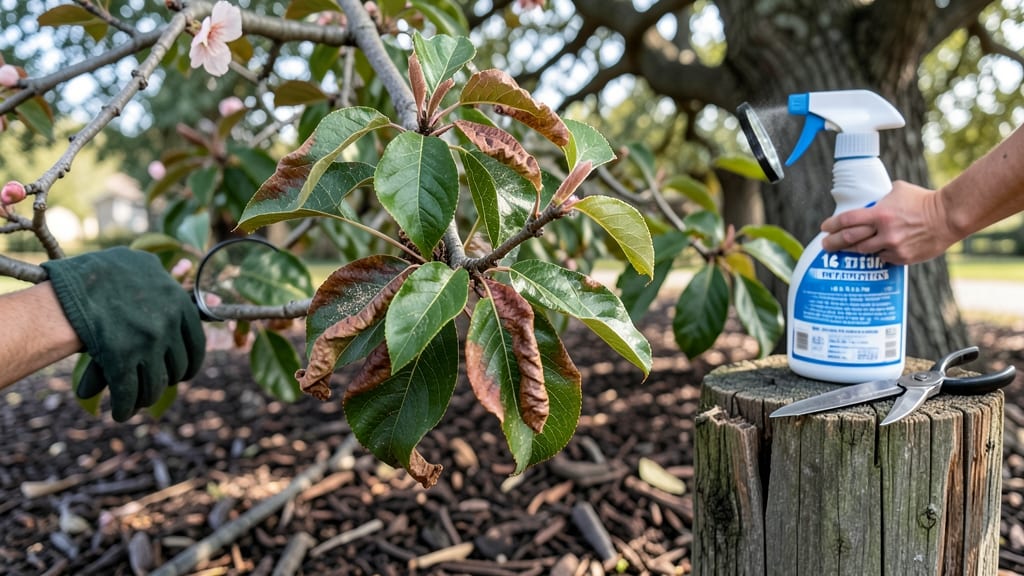
Your peach tree’s problems with leaf curl—those tight, puckered shapes—aren’t just unsightly; they’re a warning sign. 🌿 Leaf curl on peach trees is usually a fungal infection called Taphrina deformans, and if left unchecked, it weakens the tree, reduces fruit quality, and can even kill young trees over time.
The good news? With the right organic approach, you can stop it in its tracks and restore your tree’s health.
This problem thrives in cool, wet springs, which is why you might’ve noticed the curling leaves right after rain or in shady spots. The fungus spreads through spores that latch onto new growth, causing those telltale twisted, thickened leaves.
Pruning infected branches early (before spores spread) and cleaning up fallen leaves are your first lines of defense. I’ve seen trees bounce back completely when caught early—it’s all about acting fast.
Organic treatments like neem oil or copper fungicide (applied as a spray) can smother the fungus without harming your tree or the ecosystem. For best results, spray in early spring before buds swell and again after pruning.
Pair this with a balanced fertilizer to boost the tree’s resilience, and you’ll see fresh, healthy leaves pushing out within weeks.
The key is consistency—don’t just treat the symptoms, but strengthen the tree’s defenses for next season. With proper care, your peach tree can recover fully and produce juicy, disease-free fruit for years to come. Let’s get your tree back on track!
Root Causes Of Leaf Curl
Peach trees are stunning when healthy, but when their leaves start curling, spotting, or twisting, it’s often a sign of stress or infection. Understanding the why behind leaf curl is the first step to saving your tree.
Below, we break down the most common culprits—from fungal invaders to environmental stressors—with clear, actionable explanations.
🍄 Peach Leaf Curl (Taphrina deformans) is the #1 cause of leaf curl in peach trees, and it’s highly contagious. Here’s how it works:
- Overwintering Spores: The fungus survives winter on buds, twigs, or fallen leaves. When spring arrives, spores release and infect new leaves as they emerge. - Moisture-Loving Pathogen: High humidity (especially >75%) and wet conditions (like rain or overhead watering) create the perfect breeding ground.
The fungus thrives when leaves stay damp for 12+ hours. - Symptoms You’ll See: - Thickened, puckered, red or purple leaves (instead of green). - Leaves may curl upward or downward, resembling a "cup" or "funnel." - Premature leaf drop if severe.
💡 Pro Tip: If you see these symptoms in early spring, act fast—fungal spores spread rapidly before leaves fully unfurl.
🔬 While less common than leaf curl, bacterial leaf spot (caused by Xanthomonas or Pseudomonas) can also warp and curl leaves. Here’s the breakdown:
- Entry Points: Bacteria often hitch a ride on rain splashes, tools, or insects and enter through leaf wounds (e.g., from hail, thorns, or pruning cuts).
- Symptoms to Watch For:
- Small, water-soaked spots that turn brown/yellow with a greasy sheen.
- Spots may expand, causing leaves to curl, blister, or develop holes.
- In severe cases, branches may ooze a yellowish bacterial fluid.
- Why It Spreads: Warm, wet conditions (60–85°F with high humidity) accelerate bacterial growth.
✨ Key Difference: Unlike fungal curl, bacterial spots often have ragged edges and may ooze when wet.
🌡️ Leaf curl isn’t always about pathogens—sometimes, your peach tree is screaming for help due to environmental factors:
| Stressor | How It Causes Curl | Quick Fixes |
|---|---|---|
| Extreme Heat | Leaves curl to reduce water loss (like closing a fan). | Mulch deeply, water deeply in roots, and provide afternoon shade. |
| Drought | Roots struggle to supply water, causing wilting and curling at leaf edges. | Water 1–1.5 inches per week (deep soak, not surface spray). |
| Cold Damage | Sudden freezes or late frosts rupture leaf cells, leading to curling or scorch. | Plant in a microclimate (sheltered from wind/frost) or use frost cloths. |
| Poor Drainage | Root rot or waterlogged soil starves leaves of oxygen, causing stress symptoms. | Amend soil with compost or sand, and ensure raised beds if needed. |
| Nutrient Deficiencies | Lack of magnesium (Mg) or zinc (Zn) distorts leaves. | Test soil and apply Epsom salt (Mg) or zinc sulfate as needed. |
🔥 Hot Tip: If curl appears suddenly with no spots, check the soil moisture and leaf undersides for mites (another stress trigger).
🐜 While not the primary cause, pests can weaken trees, making them susceptible to curl:
- Spider Mites: These microscopic pests suck sap, causing leaves to yellow, curl, and develop stippling (tiny white dots). They thrive in dry, hot conditions. - Scale Insects: These armored pests clog leaf pores, starving the tree.
Infested leaves may curl, thicken, or drop prematurely. - Aphids: Clusters of aphids distort new growth, leading to curled, sticky (honeydew-covered) leaves.
💪 Solution: Blast off mites with a strong spray of water, use neem oil, or introduce ladybugs (natural predators).
🧪 Over-fertilizing—especially with high nitrogen (N) or synthetic salts—can burn leaf edges and cause curling. Here’s why:
- Salt Buildup: Excessive fertilizers (or poor-quality water) leave salts in the soil, which roots can’t absorb.
Leaves curl as a toxic response. - Nitrogen Shock: Too much N promotes soft, sappy growth that’s prone to curling, especially in hot weather. - Symptoms: - Brown or crispy leaf edges (like a "scorched" look). - Stunted growth despite lush foliage. - Yellowing between leaf veins (a classic N burn sign).
🎯 Fix It: Flush the soil with water, switch to organic compost, and avoid fertilizing in extreme heat.
Quick Fixes for Peach Tree Leaf Curl
Peach tree leaf curl can be frustrating, but with the right approach, your tree can bounce back to healthy, vibrant foliage. Here’s a step-by-step guide to diagnosing and treating the root causes—whether it’s fungal infections, pests, or environmental stress—while keeping solutions organic and effective.
If your peach tree’s leaves are curling, thickening, and turning orange or red, a fungal infection like leaf curl is likely the culprit. Here’s how to tackle it:
🔥 Prune Infected Leaves & Branches
- When: Early spring or fall (avoid pruning during wet seasons).
- How:
- Use sterilized pruners (wipe with rubbing alcohol between cuts).
- Remove all curled, distorted, or spotted leaves—don’t leave them on the ground.
- Trim small branches showing severe symptoms (larger branches may need removal if heavily infected).
- Dispose of prunings in the trash (not compost)—fungal spores can survive in soil.
🍳 Apply Organic Fungicides
- Best options:
- Baking soda spray (1 tsp baking soda + 1 tbsp horticultural oil + 1 quart water + a drop of dish soap).
- Neem oil (1 tbsp neem oil + 1 tsp soap per quart of water).
- Copper fungicide (organic-certified, like Copper Soap or Fixed Copper).
- How to apply:
- Spray thoroughly on both sides of leaves and branches.
- Reapply every 7–10 days until new growth appears healthy.
- Best timing: Early morning or late afternoon (avoid direct sunlight).
🌡️ Improve Air Circulation & Reduce Moisture
- Thin out dense branches to allow airflow.
- Water at the base (not overhead) to keep leaves dry.
- Mulch properly (2–3 inches of organic mulch) to prevent soil-borne fungi.
If pests like aphids, mites, or scale insects are causing leaf curl, act fast to prevent further damage.
👨🍳 Blast Off Pests with Natural Sprays
- Insecticidal soap (1.5 tbsp per quart of water) – safe for most pests.
- Horticultural oil (dormant season application kills overwintering eggs).
- Spinosad (organic insecticide from fermentation, great for aphids/mites).
- How to apply:
- Spray directly on pests (undersides of leaves too).
- Reapply every 5–7 days until pests are gone.
🔪 Introduce Beneficial Predators
- Ladybugs, lacewings, or parasitic wasps eat aphids and mites naturally.
- Buy from garden centers and release them in the evening (they’re sensitive to sunlight).
🌿 Strengthen Tree Resilience
- Fertilize lightly with compost or worm castings (over-fertilizing attracts pests).
- Avoid broad-spectrum pesticides (they kill beneficial insects too).
If leaf curl stems from heat, drought, or poor soil, adjust care immediately.
💡 Hydrate Properly
- Deep watering (1–2 inches per week) is better than frequent shallow watering.
- Mulch heavily (4–6 inches of straw or wood chips) to retain moisture.
- Drip irrigation prevents leaf wetness (a fungal magnet).
🎯 Provide Shade & Windbreaks
- Temporary shade cloth (30–50% coverage) can protect young trees in extreme heat.
- Plant windbreaks (like shrubs or a fence) to reduce stress.
🥗 Soil & Nutrition Fixes
- Test soil pH (ideal for peach trees: 6.0–6.5).
- Amend with compost if soil is compacted or nutrient-poor.
- Avoid high-nitrogen fertilizers (they encourage soft, pest-prone growth).
- Plant resistant varieties (e.g., ‘Redhaven’ or ‘Elberta’ are less prone to leaf curl).
- Clean up debris in fall (remove fallen leaves to prevent fungal overwintering).
- Apply preventive sprays (neem oil or copper fungicide) before buds swell in early spring.
- Monitor regularly (check undersides of leaves weekly for early signs).
Pro Tip: 💡 The key to organic success? Consistency. Fungal infections and pests won’t disappear overnight—stick to your treatment plan, and your peach tree will reward you with lush, healthy leaves come next season!
Frequently asked questions
How can I tell if my peach tree has leaf curl from fungus vs. pests?
Fungal leaf curl (like Taphrina deformans) creates thickened, puckered leaves that often turn red or orange. Look for curled edges and no visible bugs. Pest-related curl usually has tiny white dots (mites) or sticky residue (aphids) on leaf undersides. Check with a magnifying glass!
Is it safe to compost leaves from a peach tree with leaf curl?
Never compost infected leaves—the fungal spores survive and reinfect your tree! Instead, bag and trash them immediately. For fallen leaves, burn them if possible, or dispose in yard waste (not compost bins). This prevents next year’s outbreak.
Can I still harvest fruit from a peach tree with leaf curl?
Yes, but only if the fruit itself looks healthy (no spots or curling). The fungus primarily affects leaves, not fruit directly. However, severe infections can weaken the tree, reducing next year’s harvest. Focus on treating the leaves to protect future yields.
How often should I spray neem oil for leaf curl prevention?
Apply neem oil spray every 2–3 weeks during early spring (before buds swell) and again after pruning. For active infections, spray weekly for 3–4 weeks until new growth appears healthy. Always mix with water and a drop of soap for better adhesion.
Will pruning help if my peach tree already has leaf curl?
Prune infected branches immediately to stop spore spread. Use sterilized tools and remove all curled leaves—even small ones. Thin out dense growth to improve airflow, which reduces humidity (fungus thrives in damp conditions). Do this in dry weather for best results.