
Diseases
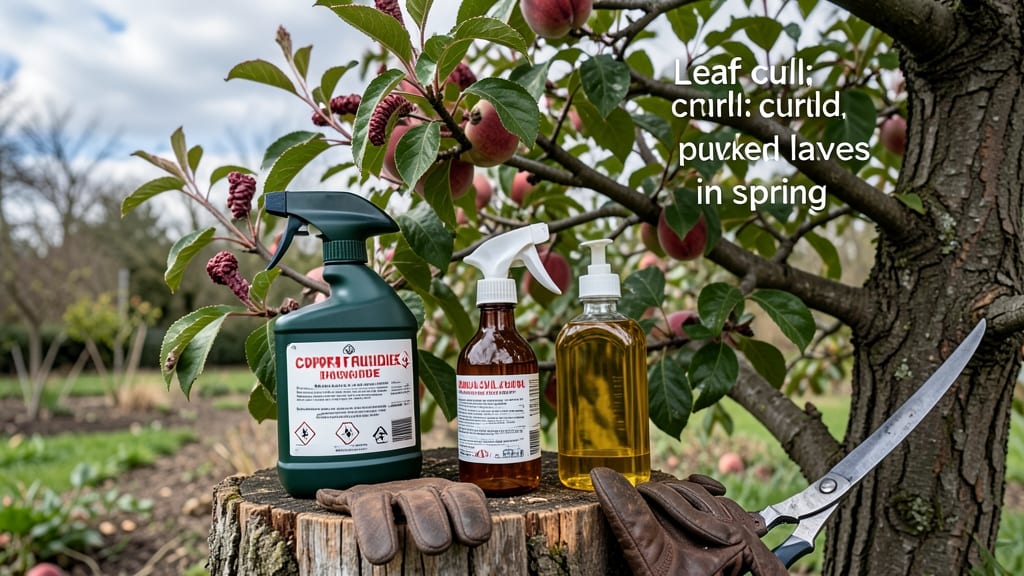
Peach tree diseases like leaf curl turn your springtime blooms into a crinkled mess before they even open. 🌿 I’ve seen this fungal infection ruin entire harvests, but early action can save your tree—and your fruit. The key is catching it before those telltale puckered leaves spread across the branches.
This disease, caused by Taphrina deformans, thrives in wet springs and overwinters on infected branches. Most gardeners mistake it for frost damage or nutrient deficiency, but the curled, red-tinged leaves are dead giveaways. Without treatment, your tree’s energy goes into fighting the fungus instead of producing fruit.
You can stop it in its tracks with copper fungicide sprays in late winter before buds swell, followed by pruning out infected branches. Healthy trees bounce back fast—within a season, you’ll see smooth leaves and full blooms again. The secret? Consistent monitoring and proactive care.
Works for backyard orchards, container-grown trees, and even urban patios with dwarf varieties. Let’s get your peach tree back on track before next spring’s bloom.
Root Causes Of Leaf Curl
Peach tree leaf curl isn’t just a random misfortune—it’s a clear signal that your tree is under siege by a specific fungal pathogen. Understanding the why behind this disease is the first step to stopping it in its tracks.
Let’s break down the key factors that turn your lush peach tree into a battleground for curled, puckered leaves.
---
The primary culprit behind peach tree leaf curl is the fungus Taphrina deformans. This microscopic invader thrives in moist, cool conditions and infects trees during dormancy (late fall to early spring). Here’s how it works:
- Overwintering Spores: The fungus survives winter on infected buds, branches, or even fallen leaves.
When temperatures rise in early spring (typically 40–60°F), these spores germinate and release ascospores—tiny, airborne spores that seek out new hosts. - Bud Infection: Ascospores land on peach tree buds, penetrating the tissue through natural openings (like lenticels or wounds).
Once inside, the fungus grows rapidly, distorting leaf cells as they develop. - Leaf Distortion: The fungus secretes enzymes that disrupt cell division, causing leaves to curl, thicken, and pucker—classic signs of leaf curl. Infected leaves may also turn reddish or purple before drying out.
Pro Tip: 🌡️ Monitor your tree in early spring when temperatures fluctuate between 40–60°F—this is the fungus’s prime infection window.
---
Leaf curl doesn’t strike randomly—it exploits specific weather patterns. The fungus loves: - Cool, Wet Springs: Ideal for spore release and germination.
Rainy, overcast days create a high-humidity environment, giving spores the moisture they need to infect buds. - Temperature Swings: Rapid shifts between cold nights and warm days (common in early spring) stress trees, making them more susceptible to infection. - Prolonged Dormancy: If winter is unusually mild, buds may start swelling early, giving the fungus a head start.
Key Stat: 📊 Studies show that leaf curl outbreaks are 2–3 times more severe in years with above-average rainfall during bud swell (February–March).
--- A weakened peach tree is an open invitation for Taphrina deformans. Common stressors that lower defenses include:
- Nutrient Deficiencies: Lack of zinc, nitrogen, or potassium weakens cell walls, making them easier targets for fungal invasion. - Water Stress: Both overwatering (leading to root rot) and drought reduce a tree’s ability to fight off pathogens. - Physical Damage: Pruning wounds, hail scars, or insect bites create entry points for spores. - Crowded Plantings: Poor air circulation in orchards or gardens traps moisture, creating a fungal paradise.
Pro Tip: ✨ Test your soil in early fall to check nutrient levels. Aim for a pH of 6.0–7.0—peach trees thrive in slightly acidic to neutral soil, which helps deter fungal growth.
--- Many gardeners assume diseases only strike in growing season—but leaf curl starts before leaves even appear. Here’s how dormancy plays a role: - Infected Buds: If last year’s leaf curl wasn’t treated, buds already harbor the fungus.
Pruning infected branches in late winter (before bud swell) can reduce spore load. - Debris Buildup: Leaving fallen leaves or mummified fruit near the tree provides a food source and shelter for overwintering spores. - Lack of Preventive Fungicides: Applying copper-based or sulfur sprays in late fall/early winter can create a protective barrier against spores.
Action Step: 🔪 Clean up fallen leaves and prune out infected branches before bud break (February–March) to starve the fungus.
--- While leaf curl is primarily fungal, certain pests compound the damage by: - Weakening Trees: Aphids, scale insects, and borers sap nutrients, making trees more vulnerable to fungal attacks. - Creating Wounds: Insect feeding (e.g., peach tree borers) opens doors for spores to enter. - Spreading Spores: Some insects unintentionally carry fungal spores between trees.
Pro Tip: 💡 Introduce beneficial insects like ladybugs or lacewings to control pests before leaf curl season peaks.
Fixing Leaf Curl in Peach Trees
Leaf curl may seem daunting, but with the right approach, you can restore your peach tree’s health and prevent future outbreaks. Below are practical, step-by-step solutions tailored to the most common causes—fungal infections, bacterial issues, and environmental stress—along with prevention tips to keep your tree thriving.
---
Fungal leaf curl is the most common culprit, and early action is key to stopping its spread.
#### 🔥 Remove Infected Leaves & Branches - 🍳 Step 1: Prune all curled, distorted, or discolored leaves immediately—this prevents spores from spreading. - 👨🍳 Step 2: Sterilize your pruners with rubbing alcohol (70% isopropyl) or a bleach solution (1 part bleach to 9 parts water) between cuts. - 🥘 Step 3: Bag and dispose of infected foliage in the trash (not compost)—fungal spores can survive in compost piles.
#### 🌡️ Apply Fungicides at the Right Time - ✨ Early Spring (Before Bud Break): Spray with a copper-based fungicide (like Copper Sulfate) or a fungicide containing potassium phosphate (e.g., Neem Oil or Myclobutanil). - 🎯 Follow-Up Sprays: Apply every 2–3 weeks during the growing season (spring to early summer) for protection. - 💡 Pro Tip: Mix 1 tbsp baking soda + 1 tsp dish soap + 1 gallon water as a low-cost, organic alternative—spray in the evening to avoid leaf burn.
#### 🌿 Improve Air Circulation & Reduce Moisture - 🌬️ Thin Out Dense Branches to allow sunlight and airflow—fungi thrive in damp, shaded conditions. - 💧 Water at the Base (not overhead) to keep leaves dry. Early morning watering gives foliage time to dry before evening.
---
Bacterial infections require aggressive action since they can’t be cured—only managed.
#### ⚠️ Sterilize Tools & Work Area - 🧹 Clean pruners, gloves, and containers with bleach or alcohol before and after use. - 🚫 Avoid Wounding Trees—bacteria enter through cuts, so prune only when necessary.
#### 🍄 Remove & Destroy Infected Plant Material - 🗑️ Cut out and burn or trash all infected branches—do not compost. - 🌳 Consider Removing Severely Infected Trees if the infection spreads beyond control.
#### 🛡️ Use Copper-Based Bactericides - 💊 Spray with Copper Hydroxide (e.g., Kocide 101) before symptoms appear (dormant season) and repeat every 7–14 days during wet conditions. - 💡 Pro Tip: Bacterial infections worsen in wet weather—improve drainage around the tree to reduce soil-borne bacteria.
---
If leaf curl stems from nutrient deficiencies, poor soil, or pest damage, focus on strengthening the tree’s defenses.
#### 📊 Test & Amend Soil - 🧪 Conduct a soil test (available through local extension offices) to check for nitrogen, phosphorus, or potassium deficiencies. - 🌱 Add Organic Matter: Mix in compost or well-rotted manure to improve soil structure and microbial activity. - 💪 Fertilize in Early Spring: Use a balanced, slow-release fertilizer (e.g., 10-10-10) to support new growth.
#### 🐛 Control Pest Infestations - 🐜 Aphids & Mites weaken trees—spray with soapy water (1 tsp mild soap + 1 quart water) or neem oil. - 🐝 Encourage Beneficial Insects: Ladybugs and lacewings prey on pests—plant marigolds or dill nearby to attract them.
#### 🌞 Provide Proper Sunlight & Spacing - ☀️ Ensure 6–8 hours of sunlight daily—leaf curl thrives in shaded, damp conditions. - 📏 Space Trees Properly (15–20 ft apart for standard peach trees) to prevent overcrowding and fungal spread.
---
Once your tree recovers, keep these habits to prevent future outbreaks:
✅ 🌱 Plant Resistant Varieties – Some peach cultivars (like Redhaven or Elberta) are less susceptible to leaf curl. ✅ 🍃 Monitor New Growth – Check for early signs (thickened, red/purple leaves) in spring and act fast. ✅ 🌧️ Improve Drainage – Avoid planting in low spots where water pools—raise beds or add gravel. ✅ 🧹 Clean Up Debris – Remove fallen leaves and fruit throughout the year to eliminate fungal spores. ✅ 🔄 Rotate Fungicides – If using chemicals, switch between copper, sulfur, and organic options to prevent resistance.
--- By following these targeted solutions, your peach tree can bounce back strong—and with a little luck, you’ll be enjoying juicy, disease-free fruit** in no time! 🍑✨
Frequently asked questions about peach tree leaf curl
Can peach tree leaf curl spread to other fruit trees?
The fungus causing leaf curl (Taphrina deformans) primarily targets peach, nectarine, and plum trees. While it won’t infect apple or citrus trees, related fungi can affect other stone fruits. Always remove infected debris and sterilize tools to prevent accidental spread between susceptible trees in your orchard.
How do I tell if my peach tree has leaf curl or frost damage?
Leaf curl shows up as thickened, puckered leaves with red/purple tinges that appear before buds fully open. Frost damage causes brown, crispy edges on fully emerged leaves. The key difference? Leaf curl distorts leaves before they unfold, while frost damage affects leaves after they’ve opened.
Is it safe to eat fruit from a tree with leaf curl?
While the fruit itself isn’t typically toxic, leaf curl diverts the tree’s energy from fruit production. Infected trees may yield smaller, lower-quality fruit. More concerning is that the fungus weakens the tree, making it vulnerable to secondary pests and diseases. Remove infected branches and treat the tree to protect next year’s harvest.
When is the best time to prune infected branches?
Prune during dormancy (late winter to early spring), before buds swell. This removes overwintering spores and prevents new infections. Sterilize your tools with rubbing alcohol between cuts, and dispose of infected branches in the trash—not compost—to stop the fungus from spreading.
Will copper spray harm beneficial insects?
Copper fungicides can harm bees and other pollinators if applied during bloom. Apply copper sprays before buds open (dormant season) or after flowering. For organic options, neem oil or potassium bicarbonate sprays are safer for beneficial insects while still controlling the fungus.