
Pruning
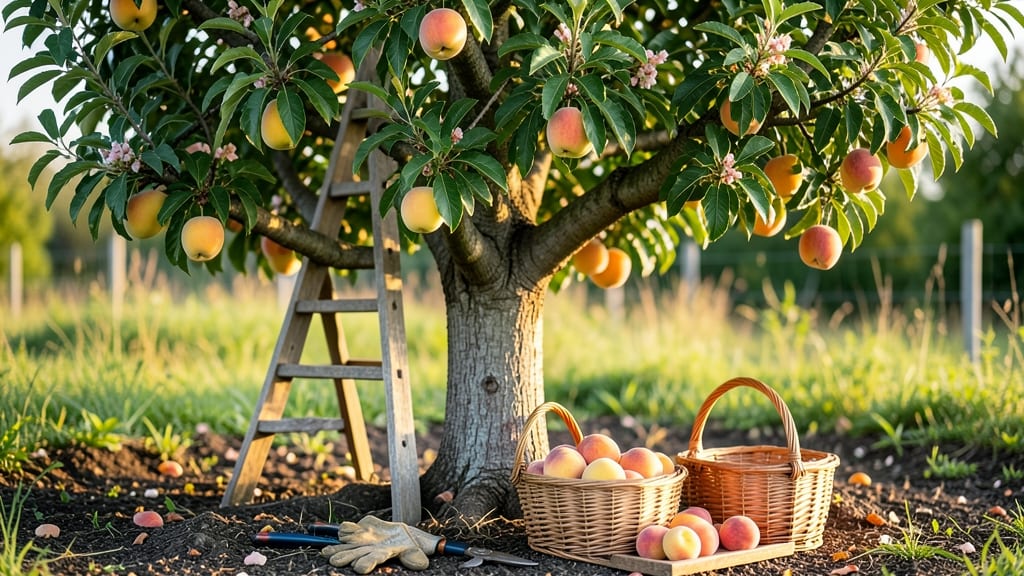
Peach tree season is all about timing—when you prune can make or break your harvest, turning a sparse branch into a fruit-laden feast.
Timing your peach tree pruning perfectly can mean the difference between a sparse harvest and a bounty of juicy, sweet fruit—so when exactly should you prune for peak production?
In USDA Zone 6, where frost lingers until mid-April, late winter is your window to shape the tree before buds swell. But prune too early, and you risk frost damage to fresh cuts; too late, and you steal energy from next year’s blossoms.
Below, I’ll break down the ideal pruning schedule by climate, how to spot over-pruning mistakes, and the one cut that doubles your fruit yield—no guesswork, just science-backed steps.
Peach tree season: the best pruning timeline by climate Zone
Timing your peach tree pruning is one of the most critical decisions you'll make for a bountiful harvest. Unlike many fruit trees, peaches thrive when pruned during dormancy, but the exact window depends on your USDA climate zone.
Prune too early, and you risk late-season frost damage to blooms. Prune too late, and you may reduce next year's fruit production. Let's break down the optimal pruning schedule for zones 3 through 10, including temperature thresholds to guide your timing.
Peach trees are deciduous, meaning they lose their leaves in winter and enter dormancy—the ideal time for major pruning. However, the bloom period varies dramatically across zones. In Zone 3, blooms appear in early May, while Zone 10 trees may bloom as early as February.
Understanding these differences ensures you prune when the tree is fully dormant but before new growth begins. This balance is key to preventing cold damage to fresh cuts.
Here's the comparison table showing the optimal pruning windows for each zone, including temperature thresholds and key seasonal milestones:
In Zones 3-5, where winters are harsh, prune after the ground thaws but before bud break (typically late February to early April). This timing minimizes frost damage to fresh cuts while allowing you to remove winter-killed branches.
In these colder zones, peach trees often bloom in May or early June, so pruning earlier ensures blooms aren't exposed to late frosts.
For Zones 6-7, the optimal window shifts slightly earlier (mid-February to mid-March) because blooms arrive in April or May. Prune when daytime temperatures consistently stay above 40°F (4°C) to avoid cold stress on the tree.
This zone is particularly critical because late frosts are still a risk, and peach flowers are highly sensitive to cold snaps.
In warmer zones (8-10), peach trees often bloom as early as January or February, so dormant pruning must occur in December or January. The key is to prune when nighttime temperatures remain above freezing (typically below 30°F (-1°C) for Zone 8, and 25°F (-4°C) for Zone 10).
These zones also benefit from post-harvest pruning in late summer to remove spent fruit wood and improve air circulation.
Regardless of your zone, avoid pruning during active growth periods like spring or summer. Pruning then can stimulate new shoots that won't harden off in time for winter, leaving them vulnerable to freeze damage.
Additionally, post-harvest pruning should be minimal—focus on removing diseased branches or those with low fruit production rather than heavy structural cuts.
One common mistake is pruning too aggressively in hopes of boosting fruit production. Peach trees produce fruit on second-year wood, so heavy pruning can reduce next year's crop.
Aim to remove no more than 20-25% of the canopy during dormant pruning. For young trees (under 5 years), limit pruning to 10-15% to encourage <
How to prune a peach tree for maximum fruit production: step-by-step
Pruning your peach tree isn't just about shaping it—it's a fruit production strategy. The right cuts encourage airflow and sunlight penetration, which means bigger, sweeter peaches and fewer disease issues.
But timing and technique matter: one wrong cut can reduce your harvest by 30-50% for the season. Let’s break down the step-by-step process to maximize your tree’s potential.
First, gather your tools: a sharp bypass pruner, loppers for thicker branches, gloves, and disinfectant (like rubbing alcohol) to clean tools between cuts. The goal is to remove deadwood, thin out crowded branches, and open the canopy for sunlight.
Start by focusing on 3 key areas: the center of the tree, water sprouts, and low-hanging branches that block airflow.
Step-by-Step Pruning Guide
- Step 1: Remove Dead or Diseased Wood
Start by cutting out any dead, broken, or diseased branches. Look for branches with dark spots, cracks, or no leaves. Make clean cuts just outside the branch collar to prevent damage to the tree’s healing tissue. - Step 2: Thin Out Crowded Branches
Focus on thinning cuts (cutting branches back to their origin) to reduce branch density. Aim to remove 20-30% of the smallest branches to improve airflow and sunlight exposure. Prioritize branches growing inward or crossing. - Step 3: Head Back Overgrown Branches
For heading cuts, trim 1/3 of the branch length to encourage lateral branching. This creates a bushier, fruit-bearing structure. Avoid cutting back to a stub—always leave a small bud or lateral branch. - Step 4: Open the Canopy
Remove low-hanging branches that touch the ground and suckers growing from the base. This reduces disease risk and directs energy to fruit production. Aim for a vase-shaped tree with an open center. - Step 5: Prune Water Sprouts
Water sprouts are fast-growing, vertical shoots that steal energy from fruit production. Cut them back to a lateral branch or bud to redirect the tree’s resources. - Step 6: Clean Up and Disinfect
After pruning, sterilize your tools and remove all debris from the base of the tree. This reduces fungal spores and prevents future infections.
One of the biggest mistakes gardeners make is over-pruning, which stresses the tree and reduces next year’s fruit. Limit yourself to no more than 25% of the tree’s canopy in a single year.
Also, avoid heading cuts on young trees—they need thinning cuts to establish a strong structure. Always prune during dormant season (late winter or early spring) to minimize stress and prevent disease spread.
Pay special attention to the central leader (the main upward-growing branch). If it’s weak or damaged, select a strong lateral branch to train as the new leader. This ensures the tree maintains a balanced, productive shape.
After pruning, apply a thin layer of mulch around the base to retain moisture and protect roots during the growing season.
Finally, monitor your tree in the weeks after pruning. If you see excessive leaf drop or slow regrowth, you may have pruned too aggressively. Adjust your approach for next year’s peach tree season by focusing on lighter cuts and better timing.
With the right technique, your peach tree will reward you with abundant, high-quality fruit for years to come.