
Pruning
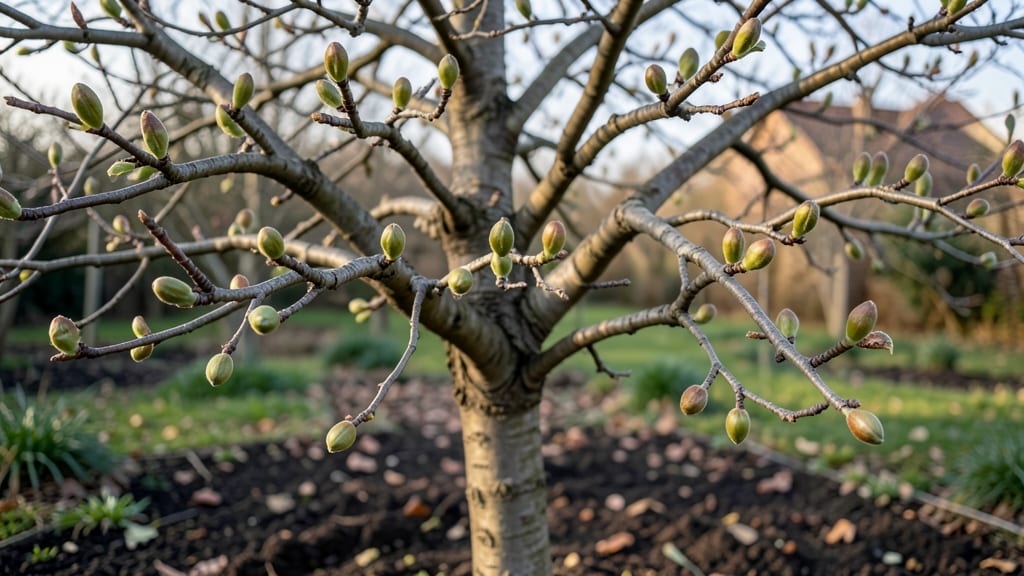
Those fat, plump pear tree fruit buds are your tree’s promise of next summer’s harvest—if you prune them right now. ✂️ I’ve watched my backyard pears go from scraggly branches to heavy-laden boughs just by understanding when and how to shape these buds, and it’s easier than you think.
The key is timing: prune in late winter or early spring before buds swell, but after the worst frost. You’re not just cutting branches—you’re directing energy to the strongest buds, which means fewer sparse clusters and more juicy fruit.
Look for buds that are rounder and fatter than leaf buds; those are your fruit producers. With the right cuts, you’ll see buds fattening by April, then blossoms by May, and fruit by midsummer. The tree rewards careful pruning with 30-50% more pears than if you just hack away.
It’s like giving your tree a spa day—less stress, more productivity. Works for both dwarf and standard pears, whether you’ve got one tree or a whole orchard. Let’s get those branches in shape before the buds wake up!
📚 In This Guide
- What you need
- Instructions
- Tips and common mistakes
- Wrapping up and next steps
What you need
- ● Pruning shears: Bypass shears (8–10 inches)—sharp, clean, and sanitized to prevent disease spread.
- ● Loppers: 16–24 inches for thicker branches (up to 2 inches in diameter).
- ● Pruning saw: Hand saw with a fine-tooth blade for branches over 2 inches thick.
- ○ Gloves: Heavy-duty, cut-resistant (optional but recommended for protection).
- ● Disinfectant: 70% isopropyl alcohol or bleach solution (1 part bleach to 9 parts water) for sterilizing tools.
- ○ Pruning sealant: Optional but helpful for large cuts (e.g., tree wound paint).
- ● Ladder or step stool: Sturdy and tall enough to reach branches safely (if your tree is over 6 feet).
- ● Trash bags or bucket: For collecting pruned branches and debris.
- ● Hand saw with a curved blade for tricky angles.
- ● Pole pruner for high branches (if you lack a ladder).
- ● Marking spray or tape to tag branches for removal.
- ● Safety glasses to shield eyes from debris.
- ● Notebook & pen to jot down pruning notes for future reference.
Instructions for pruning pear tree fruit buds in early spring
Here’s how to coax the best harvest from your pear tree by focusing on fruit buds.
🌿 Step 1: Identify and Locate Fruit Buds
Pear fruit buds appear as small, plump swellings along the branches, usually between the main stem and smaller twigs. They’re larger and rounder than leaf buds, which are more pointed. Start by examining the tree’s structure—look for clusters of buds near last year’s growth, as these are prime spots for fruit production.
I like to work on a clear, dry day when the tree is still dormant but buds are just beginning to swell. This makes them easier to spot and prevents accidental damage to tender new growth. If you’re unsure, snap off a small branch and compare the buds side by side—fruit buds are often fatter and more pronounced.
✂️ Step 2: Prune for Airflow and Light Penetration
Use clean, sharp pruning shears to remove any dead, diseased, or crossing branches first. These cuts should be made at a 45-degree angle, about ¼ inch above a bud or outward-facing branch. This ensures water runs off and new growth heads outward, away from the center of the tree.
Next, thin out overly dense areas to improve airflow. Pears thrive when sunlight reaches the inner branches—this prevents fungal issues and encourages stronger fruit bud development. Aim to reduce branch density by 20-30% for mature trees. You’ll know you’ve done enough when you can see light filtering through the canopy.
☀️ Step 3: Encourage Fruit Bud Formation
Focus on branches that bore fruit last year—these are your best candidates for repeat production. Prune back lightly (about 10-15% of the branch length) to stimulate new growth while preserving existing fruit buds. Avoid heavy pruning now; you want to avoid stressing the tree before it’s fully awake.
Watch for water sprouts—fast-growing, vertical shoots that steal energy from fruit production. Cut these out completely at their base. Also, remove any suckers growing from the trunk or roots. These compete with the tree’s energy and weaken fruit bud development.
⏰ Step 4: Time Your Pruning for Best Results
Prune in early spring, just as buds begin to swell but before they burst into leaves. This timing—typically 2-4 weeks before last frost—gives the tree time to heal before new growth demands energy. If you prune too early, you risk damaging buds; if you wait too long, you’ll encourage excessive leaf growth at the expense of fruit.
After pruning, apply a thin layer of mulch around the base (but not touching the trunk) to retain moisture and regulate soil temperature. Water deeply to help the tree recover. Avoid heavy fertilization right after pruning—let the tree focus on healing and bud development before pushing new growth.
Tips & tricks for pruning pear tree fruit buds
Here's what I've learned after years of pruning pears—and how to avoid the mistakes I made early on.
Timing is Everything: That 2-4 week window before last frost is critical. I learned this the hard way when I pruned too early one year and damaged buds that hadn't fully hardened off. Check your local frost dates and mark your calendar. If you're unsure, look for buds that are swollen but haven't started opening—this is your perfect window. The tree needs time to heal before new growth begins, so don't rush it.
Tool Prep Matters: I can't stress enough how important it is to use clean, sharp pruning shears. Dull tools crush branches instead of making clean cuts, which invites disease. I sterilize my shears with rubbing alcohol between cuts on different branches to prevent spreading any potential infections. Also, make sure your tools are sharp enough to cut through branches with minimal effort—you should be able to cut cleanly with just a few strokes.
The 20-30% Rule: When thinning dense areas for airflow, I find it helpful to visualize the tree's canopy like an umbrella. You want sunlight to filter through, not just hit the outer branches. Start by removing the smallest branches first—these are often the ones blocking light. For mature trees, I aim to reduce density by about 20-30%, but I don't stress over exact percentages. Just keep thinning until you can see light through the center branches.
Visual Cues for Pruning: When pruning back branches in Step 3, look for the "collar" where the branch meets the trunk or larger branch. This is where you want to make your cut—about ¼ inch above the bud. I like to make a slight upward angle to prevent water from pooling. For water sprouts, they're easy to spot—they're those fast-growing vertical shoots that look like they're reaching for the sky. Cut these completely at their base to redirect the tree's energy to fruit production.
Pro Tips for Pear Tree Fruit Buds
- Here's what I've learned after years of pruning pears—and how to avoid the mistakes I made early on.
- Timing is Everything: That 2-4 week window before last frost is critical.
- Tool Prep Matters: I can't stress enough how important it is to use clean, sharp pruning shears.
Frequently asked questions
Got questions about pear tree fruit buds and pruning? You’re not alone! Here are answers to the most common concerns—so you can prune with confidence and set your tree up for a bountiful harvest.
When should I prune pear tree buds for best fruit production?
Prune pear trees during late winter or early spring (just before buds swell but before they break). This timing ensures you remove dead wood while stimulating new growth. Avoid pruning in fall—it can invite disease or pests to hibernate in fresh cuts. For dwarf varieties, a light trim in summer (after harvest) can also encourage bushier growth.
What if my pear tree buds are frozen or damaged after winter?
If buds appear blackened, mushy, or slow to open, they may be frost-damaged. Don’t panic! Wait until buds show green tissue before pruning—healthy buds will push new growth. If most buds are dead, prune back to live wood and fertilize lightly in spring to encourage recovery. For severe damage, consult a local extension service for tree-specific advice.
How much can I safely remove from my pear tree’s branches?
Remove no more than 25% of the tree’s canopy in one season to avoid stress. Focus on:
- Dead, diseased, or crossing branches ()
- Suckers at the base ()
- Water sprouts (fast-growing vertical shoots)
Will pruning pear tree buds affect next year’s fruit?
Pruning encourages better fruit production by redirecting energy to healthy buds. However, over-pruning (especially late in the season) can reduce next year’s harvest. Balance is key: Prioritize structure in early years, then focus on thinning buds for larger, higher-quality pears. Young trees may need 2–3 years to recover from heavy pruning.
What’s the difference between pruning European and Asian pear trees?
Both types benefit from similar pruning, but timing and disease risks vary:
Type
Key Consideration
Action
European Pears
Fire blight susceptibility
Prune in dry weather and sterilize tools with rubbing alcohol between cuts.
Asian Pears
Dense growth habit
Thin buds more aggressively to improve light penetration and fruit size.
Wrapping up and next steps
Pruning your pear tree’s fruit buds in early spring isn’t just about shaping—it’s about setting the stage for a bountiful harvest. By following the right techniques, you’ll encourage healthier growth, better airflow, and more delicious fruit.
Now that you’re armed with the knowledge, grab those pruners and give your tree the care it deserves!
🌱 Next Step: Mark your calendar for early spring (just before buds swell) and start with a small test branch to build your confidence. Happy pruning—your future pear harvest will thank you! 🍐