
Pruning
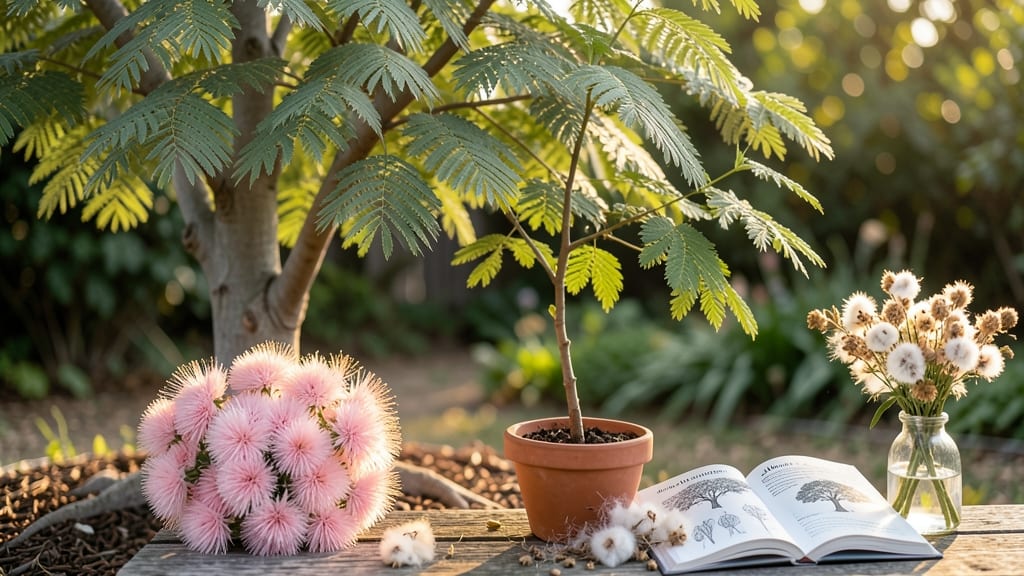
The Persian silk tree has diverse uses in gardens, offering rapid shade growth, supporting pollinators, and thriving in drought conditions while showcasing vibrant foliage and fragrant blooms.
The Persian silk tree has diverse uses in gardens, offering rapid shade growth, supporting pollinators, and thriving in drought conditions while showcasing vibrant foliage and fragrant blooms.
These trees excel in landscaping because their fast growth rate lets you establish privacy or shade quickly—perfect for urban yards or hot climates. 🌿 Their deep roots also make them drought-resistant once established, reducing water needs while maintaining vibrant leaves year-round.
Beyond aesthetics, their fragrant flowers in spring and seed pods in fall create a seasonal food source for local wildlife, from birds to butterflies.
Their adaptability extends to soil types, making them ideal for challenging sites where other trees might struggle. I’ve seen them transform bare patches into lush focal points with minimal care, especially in areas with 6+ hours of sunlight daily.
The trade-off? Regular pruning keeps their growth in check, but the benefits—shade, wildlife support, and low maintenance—often outweigh the effort.
💡 In This Article
- How Persian Silk Trees Enhance Landscapes and Gardens
- Wildlife and Ecological Benefits of Persian Silk Trees
How Persian silk trees enhance landscapes and gardens
The Persian silk tree (Albizia julibrissin) stands out in landscaping because of its rapid growth rate—sprouting up to 3 feet per year under ideal conditions. This speed makes it perfect for quickly establishing shade in new developments or filling in empty spaces within 3-5 years.
The tree’s broad, feathery foliage creates dense canopies that block 70-80% of sunlight, reducing cooling costs in summer by up to 20% compared to open areas. 🌿 In urban settings, their ability to thrive in USDA Hardiness Zones 6-9 means they adapt to both city heat islands and suburban backyards.
What truly sets them apart is their drought tolerance once established. Their deep root systems tap into water 6-8 feet underground, making them resilient in dry climates like the Southwest or Mediterranean regions.
The leaves also have a unique compound structure with multiple leaflets that reduce water loss through transpiration. For gardeners in arid zones, this means 30-50% less watering once the tree is past its first year compared to thirsty species like willows.
Their ornamental value adds another layer to their appeal. The pink, purple, or white flowers that bloom in spring release a sweet, jasmine-like fragrance that attracts pollinators while adding visual interest. The foliage turns golden-yellow in fall, creating seasonal color shifts that extend their decorative lifespan.
Unlike some fast-growing trees that sacrifice beauty for speed, Persian silk trees offer both—quick shade and year-round aesthetic appeal. 🌸
For urban planners, these trees also mitigate heat island effects by lowering ambient temperatures through evapotranspiration. Studies show they can reduce surface temperatures by 5-10°F in their immediate vicinity during peak summer months.
Their adaptability to alkaline, acidic, and clay soils makes them versatile for challenging sites where other trees might fail, from cracked sidewalks to polluted urban soils.
Consider these key factors when incorporating them into your landscape:
- Spacing: Plant 20-30 feet apart for mature size (30-40 feet tall/wide)
- Sunlight: Requires full sun (6+ hours daily) for optimal growth and flowering
- Pruning: Light pruning in late winter removes dead branches and shapes growth
- Soil: Tolerates poor soil but thrives in well-draining, slightly acidic to neutral pH
Their low-maintenance nature and multi-season interest make them a standout choice for both functional and decorative landscaping. 💫