
Pruning
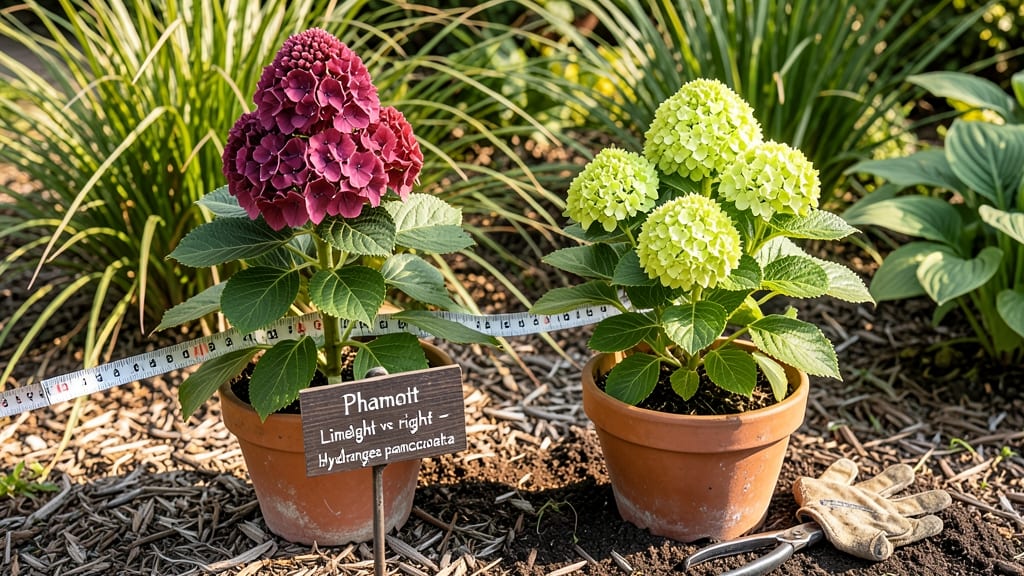
The phantom hydrangea tree vs Limelight looks like cousins until you see them side by side—one bursts with deep burgundy cones while the other glows chartreuse green that matures to soft cream. 🌸 I’ve grown both in my backyard, and the color contrast alone makes them worth comparing, but their growth habits and seasonal performance tell the real story of which thrives in your space.
Phantom’s bold, cone-shaped blooms reach 8-12 inches long, standing tall like torches through summer and fall, while Limelight’s slightly smaller flowers (6-10 inches) have a softer, arching habit that adds movement to borders.
Phantom’s dark foliage creates a dramatic backdrop, while Limelight’s lighter green leaves brighten shady spots—both handle heat and humidity better than most hydrangeas, but Phantom tolerates colder winters with ease.
For focal points, Phantom’s fiery blooms steal the show, while Limelight’s buttery hues blend seamlessly into cottage gardens or mixed borders. Pair Phantom with deep purple perennials (like coneflowers) to intensify its drama, or tuck Limelight beside blues and purples (like catmint) to make its colors pop.
Both add late-season interest when most gardens fade, but Phantom lingers longer into fall.
If your garden leans bold and structured, Phantom’s vertical drama wins. Prefer soft, layered looks with year-round charm? Limelight’s adaptability and versatile color shifts make it the crowd-pleaser. Either way, you can’t go wrong—just pick based on the vibe you want to set. 🌿
The first product explained
Meet the Phantom Hydrangea Tree—a showstopper in the world of ornamental trees! 🌿✨ With its bold, panicle-shaped blooms and a stunning color transformation, this tree is a favorite among gardeners and landscapers alike. Whether you're a seasoned horticulturist or a plant enthusiast looking to elevate your garden, the Phantom Hydrangea Tree delivers year after year with minimal fuss.
🌱 Key Specifications
Here’s what makes the Phantom Hydrangea Tree a standout:
- Scientific Name: Hydrangea paniculata
- Mature Height: 8–15 feet (depending on variety and pruning)
- Spread: 6–10 feet wide
- Growth Rate: Moderate to fast (1–2 feet per year)
- Hardiness Zones: 3–8 (USDA)
- Bloom Time: Mid-to-late summer, lasting into fall
- Flower Color: Starts pinkish-green, matures to deep magenta—a breathtaking transformation!
- Light Requirements: Full sun to partial shade (6+ hours of sun for best blooms)
- Soil Type: Adaptable but thrives in moist, well-drained soil
🌸 Standout Features
The Phantom Hydrangea Tree isn’t just pretty—it’s practical and versatile too:
- Long-Lasting Blooms: Unlike many hydrangeas, its flowers don’t fade quickly—they stay vibrant for weeks, even after drying.
- Low Maintenance: Drought-tolerant once established and resistant to most pests and diseases.
- Year-Round Interest: While the blooms steal the show, its exfoliating bark adds winter charm.
- Pruning Flexibility: Thrives with minimal pruning (best done in late winter/early spring) but can be shaped into a tree, shrub, or even a hedge.
- Wildlife-Friendly: Attracts butterflies and bees, making it a great addition to eco-conscious gardens.
🎯 Target Users
This tree is perfect for:
- 🏡 Homeowners looking to add color and texture to their landscape with minimal upkeep.
- 🌆 Urban gardeners in small yards or containers (dwarf varieties available).
- 🎨 Landscape designers who love seasonal interest and bold foliage.
- 🌿 Pruning enthusiasts who enjoy shaping and training trees for artistic designs.
- 💐 Floral arrangers—dried Phantom Hydrangea blooms make stunning, long-lasting bouquets!
💰 Price Point
The Phantom Hydrangea Tree offers excellent value for its beauty and durability. Prices vary based on size and retailer, but here’s a general range:
| Size | Price Range (USD) |
|---|---|
| 1-Gallon Container | $25–$40 |
| 3-Gallon Container | $40–$70 |
| 5-Gallon Container | $60–$100 |
| Mature Tree (10+ ft) | $150–$300+ |
Pro Tip: 💡 Buy in early spring for the best selection and potential discounts! Some nurseries also offer multi-pack deals for landscape projects.
The second product explained
Meet the Limelight Hydrangea (Hydrangea paniculata 'Limelight')—a showstopper that steals the spotlight with its bold, cone-shaped blooms and cool-toned elegance. 🌿✨ Unlike its rounder, softer cousin (the Phantom Hydrangea), the Limelight delivers structured drama and a longer bloom season, making it a favorite for gardeners who crave year-round interest.
📏 Key Specs & Features
The Limelight Hydrangea is a deciduous shrub that thrives in USDA Zones 3-8, reaching a mature height of 4-6 feet with a spread of 3-5 feet. Here’s what sets it apart:
- Bloom Shape: Distinctive, pyramid-shaped flower clusters (vs. Phantom’s rounded mopheads).
- Color Evolution: Starts lime-green, matures to creamy white with hints of pink—no fading to brown!
- Bloom Time: June through October (Phantom’s blooms peak in summer).
- Hardiness: Tolerates heat, humidity, and partial shade (though full sun enhances color).
- Growth Habit: Upright and arching branches, perfect for vertical gardens or as a privacy screen.
🎯 Who’s It For?
The Limelight Hydrangea is a versatile powerhouse loved by:
- Modern Gardeners: Its clean lines and structured blooms fit contemporary landscapes.
- Low-Maintenance Enthusiasts: Drought-tolerant once established and no deadheading required.
- Seasonal Stylists: The color-changing blooms add dynamic interest from summer to fall.
- Wildlife Lovers: Attracts butterflies and bees while providing winter interest with exfoliating bark.
💰 Price Point & Availability
Expect to invest $30–$60 per plant (1-3 gallon pots) from nurseries, garden centers, or online retailers like Proven Winners, Monrovia, or local growers. Pro Tip: 💡 Buy in early spring for the best selection and plant while dormant to reduce transplant shock.
For gardeners who want structure, longevity, and a pop of color without the fuss, the Limelight Hydrangea is a game-changer—especially when paired with the Phantom’s romantic, rounded blooms for a two-tone garden masterpiece.
Head-to-head comparison
Choosing between the Phantom Hydrangea Tree and the Limelight Hydrangea Tree can feel like picking between two masterpieces—each with its own stunning flair. 🌸 While both trees bring vibrant blooms to your landscape, their differences in performance, features, care requirements, and visual impact can help you decide which one steals the show in your garden.
Let’s break it down side by side!
🌿 Performance: Bloom Time & Seasonal Show
The Phantom and Limelight Hydrangeas shine in different ways when it comes to their blooming seasons and longevity.
- Phantom Hydrangea:
- 🌺 Bloom Time: Late spring to early summer (May–June), with occasional reblooming in fall if deadheaded.
- 🌿 Seasonal Interest: Starts with lush green foliage, transitions to deep pink blooms, and may fade to a softer hue as summer progresses. No fall color—focus is on spring/summer drama.
- ⏳ Reblooming: Not a reliable rebloomer; prune lightly in late winter to encourage new growth.
- Limelight Hydrangea:
- 🌺 Bloom Time: Mid-to-late summer (July–August), with prolonged blooming into early fall.
- 🍂 Seasonal Interest: Starts with chartreuse-green foliage that deepens to golden-yellow in fall. Blooms remain bright lime-green (or blush pink in cooler climates) for weeks.
- ✨ Reblooming: Consistent rebloomer—prune in late winter/early spring to promote fresh, vibrant flowers.
Winner for: Phantom if you love spring/summer drama; Limelight if you prefer a longer, late-summer-to-fall spectacle.
🎨 Features: Color, Shape, and Foliage
These trees aren’t just about blooms—their foliage, flower shape, and overall silhouette create entirely different vibes in your landscape.
| Feature | Phantom Hydrangea | Limelight Hydrangea |
|---|---|---|
| Flower Color | Deep pink (fades slightly in heat) | Lime-green (blushes pink in cooler areas) |
| Flower Shape | Large, mophead-style blooms (rounded, dense clusters) | Slightly looser, panicle-style blooms (cone-shaped, airy texture) |
| Foliage Color | Deep green (no fall color) | Bright chartreuse → golden-yellow in fall |
| Tree Shape | Upright, multi-stemmed shrub (can be trained as a small tree) | More arching, vase-shaped growth habit |
| Height & Spread | 8–12 ft tall, 6–8 ft wide | 6–8 ft tall, 5–6 ft wide |
Pro Tip: 💡 If you love bold, romantic blooms, Phantom wins. If you prefer a pop of color with seasonal foliage shifts, Limelight is your pick!
💰 Price & Availability
Budget and accessibility play a role in your decision—here’s how these two stack up.
- Phantom Hydrangea:
- 💵 Price Range: $40–$80 per tree (1–3 gallon pots). Larger sizes (15+ gallons) can reach $150+.
- 🌍 Availability: Widely available at nurseries, especially in southeastern U.S. (native to Japan).
- Limelight Hydrangea:
- 💵 Price Range: $50–$100 per tree (1–3 gallon pots). Premium growers may charge up to $120.
- 🌍 Availability: Popular but slightly less common than Phantom. Best found at specialty nurseries or online retailers.
Winner for: Phantom if you’re on a tighter budget or want easier local access. Limelight if you’re willing to invest in a trendier, longer-blooming variety.
🌧️ Durability & Care Requirements
Both trees are hardy, but their needs differ based on climate, soil, and maintenance.
| Factor | Phantom Hydrangea | Limelight Hydrangea |
|---|---|---|
| USDA Hardiness Zones | 5–9 (tender in extreme cold) | 4–9 (more cold-tolerant) |
| Soil pH Preference | Slightly acidic to neutral (5.5–6.5) for pink blooms | More flexible (5.0–7.0)—color shifts with pH but stays vibrant |
| Water Needs | Moderate—drought-tolerant once established | Moderate—prefers consistent moisture for best color |
| Pruning Needs | Light pruning in late winter to shape; avoid heavy cuts. | Prune in late winter/early spring to encourage new growth. |
| Pest/Disease Resistance | Susceptible to powdery mildew in humid climates | More resistant to pests but watch for aphids |
Pro Tip: 🌡️ For colder climates (Zone 4–5), Limelight is the safer bet. In humid areas, Phantom may need better airflow to
Which one should you choose?
So, which hydrangea takes the crown in your garden? The answer depends on your personal style, climate, and maintenance preferences! Let’s break it down to help you make the perfect pick. 🌸
🌿 For Bold, Showy Blooms & Year-Round Interest
Go with Phantom Hydrangea if...
- You love dramatic, long-lasting blooms that steal the show from summer to fall.
- You’re in a warmer or humid climate (Zones 5-9) and want a tree that thrives with minimal fuss.
- You prefer easy pruning—just trim back dead wood in late winter or early spring.
- You’re drawn to versatile landscaping, whether as a standalone specimen or mixed into shrub borders.
🌺 For Compact, Low-Maintenance Elegance
Choose Limelight Hydrangea if...
- You adore lush, rounded blooms in a soft, creamy hue that brightens shady spots.
- You live in cooler climates (Zones 4-9) and want a hardy, resilient tree.
- You’re a busy gardener—Limelight’s tolerant nature means fewer pests and diseases.
- You love textural contrast and plan to pair it with evergreens or other shrubs for a layered look.
🌱 Final Showdown: Key Deciding Factors
| Factor | Phantom Hydrangea | Limelight Hydrangea |
|---|---|---|
| Color Impact | 🔥 Dramatic pink-to-red (seasonal change) | 🌿 Soft lime-green to cream (subtle but cheerful) |
| Size & Shape | 🌳 Upright, tree-like (10-15 ft tall) | 🌿 Compact, rounded (8-10 ft tall) |
| Pruning Effort | ⏰ Moderate (trim dead wood annually) | ✂️ Minimal (light shaping suffices) |
| Best For | 🎭 Statement pieces, bold gardens | 🏡 Cozy, layered landscapes |
Still undecided? Plant one of each! Their contrasting blooms and growth habits create a stunning visual duo in any garden. 🌟 Whether you’re drawn to Phantom’s fiery romance or Limelight’s serene charm, both will bring joy—and major curb appeal—to your outdoor space.