
Planting
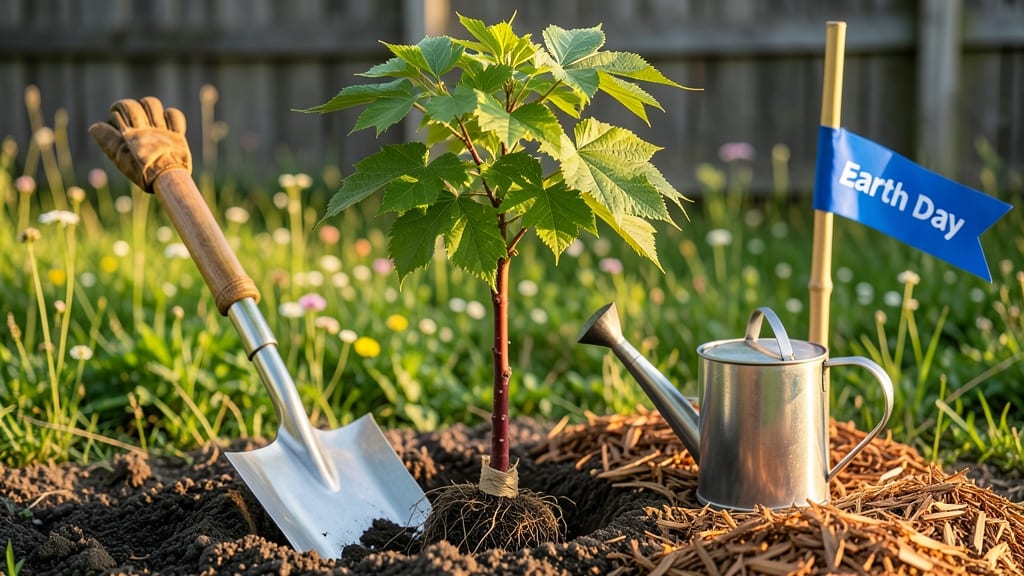
Planting a tree on Earth Day isn’t just about digging a hole—it’s about planting hope. 🌱 Every year, millions of trees vanish, but your single act can help restore balance, improve air quality, and create wildlife habitats. The best part?
You don’t need a backyard—even a community park or urban space can become a legacy. Start with the right tree: fast-growing native species like red maples or serviceberries thrive with minimal fuss, while fruit trees add a bonus harvest.
Avoid invasive species, and check your local climate zone to pick a survivor. Spring’s mild weather (late March–April) gives roots time to establish before summer heat. Dig a hole twice as wide as the root ball but no deeper, loosen the roots gently, and water deeply right after planting.
Mulch around the base to retain moisture, and keep soil damp for the first few weeks. Your tree will thank you with new leaves by summer—and so will the planet. Turn it into a community effort by partnering with local nurseries or Earth Day events.
Bring kids, neighbors, and friends to plant together—it’s a memory that grows alongside the tree. Check back in a year to prune, mulch, and celebrate your green impact.
📚 In This Guide
- What you need
- Instructions
- Tips and common mistakes
- Wrapping up and next steps
What you need
- ● Tree sapling: 1 native or drought-resistant tree (age 1-3 years, 3-6 feet tall). Check local guidelines for species recommendations!
- ● Shovel or trowel: 1 sturdy digging tool (preferably 12-18 inches wide for easy planting).
- ● Water: 5-10 gallons (or a watering can with a hose attachment).
- ● Mulch: 2-3 bags (shredded bark, wood chips, or compost). Avoid plastic mulch!
- ● Gloves: 1 pair (gardening or work gloves to protect your hands).
- ● Tree stake & ties: 1-2 stakes (for young trees in windy areas) + soft fabric ties.
- ● Pruners: 1 pair (for trimming dead branches post-planting).
- ● Soil amendment: 1 bag of compost or organic fertilizer (if soil is poor).
- ● Wheelbarrow: 1 (for hauling mulch or soil).
- ● Knee pad: 1 (because planting is hard on the knees!).
- ● Check local planting regulations (permit requirements, best seasons, or restricted species).
- ● Select a sunlight-appropriate spot (6+ hours of sun for most trees; shade-tolerant options exist!).
- ○ Test soil pH (optional but helpful—kits are cheap and available online). Aim for 6.0-7.0.
- ● Gather a team! 👫 Two people make digging and planting way easier.
How to plant a tree on Earth Day for long-term growth
Here's the straightforward way to plant a tree that thrives for decades—not just a temporary Earth Day gesture.
🌱 Step 1: Choose the Right Tree and Location
Select a native species suited to your climate—these adapt best with minimal care. Avoid fast-growing trees that may topple later. Look for a spot with 6-10 feet of clearance from power lines, sidewalks, and buildings. Measure the tree's mature height and spread in your local nursery guide to ensure it fits.
Dig a test hole to check soil drainage. Fill it with water and wait 30 minutes—if water pools, amend the soil with 2-3 inches of compost to improve drainage. The ideal planting spot gets 6+ hours of sunlight daily, unless you're planting a shade-loving native like a serviceberry.
🪴 Step 2: Prepare the Planting Hole
Dig a hole twice as wide as the root ball but no deeper. Loosen the sides with a shovel to prevent compacted soil from restricting roots. If your tree comes in a container, gently squeeze the sides to encourage roots to grow outward—this prevents "pot-bound" shock later.
Place the tree in the hole so the top of the root ball sits 1-2 inches above ground level. This prevents rot from sitting water. Have a helper hold the tree upright while you backfill with the native soil you removed. Avoid adding fertilizer or soil amendments now—new roots need time to establish without competition.
☀️ Step 3: Water and Mulch for Stability
Water deeply right after planting to settle the soil around roots. Use 10-15 gallons of water for small trees, more for larger specimens. Let the water soak in completely—you'll see it disappear into the hole. This first watering removes air pockets that could suffocate roots.
Spread 2-3 inches of mulch in a donut shape around the base, keeping it 6 inches away from the trunk. Use wood chips or shredded bark—never fresh wood or rocks. Mulch retains moisture and regulates soil temperature, but too much can smother the roots. Replenish mulch annually as it decomposes.
✂️ Step 4: Stake Only If Necessary
Only stake the tree if it leans significantly or your area gets strong winds. Use two stakes placed 12-18 inches from the trunk and tie the tree loosely with soft fabric strips—never wire or anything that can girdle the trunk. Check ties monthly and loosen as the tree grows stronger.
Remove stakes after 6-12 months, unless your tree is in a very windy location. Staking too long weakens the trunk's natural ability to anchor itself. You'll know it's ready when the tree sways slightly in the wind without toppling.
💧 Step 5: Maintain Through the First Year
Water once a week for the first year, providing 1-2 gallons per inch of trunk diameter. Deep watering encourages roots to grow downward for stability. Check soil moisture by pushing a finger 2 inches deep—if it's dry, water again. Overwatering is more common than underwatering with newly planted trees.
Fertilize only if the tree shows signs of stress like yellowing leaves after a year. Use a balanced, slow-release fertilizer at half-strength in early spring. Avoid heavy feeding in the first year—you're training roots, not leaves. Prune only to remove broken branches or crossing limbs in late winter.
Tips & tricks for planting a tree that thrives for decades
Your Earth Day tree won’t just survive—it’ll grow strong for generations. Here’s how to set it up for success from day one.
Soil Test First: Before planting, do a quick soil test in your test hole. Fill it with water and wait the full 30 minutes—if water still pools, mix in 2-3 inches of compost to improve drainage. Sandy soil? Add a handful of organic matter like coconut coir. Clay soil? Mix in perlite for better aeration. Healthy soil means happy roots that spread properly.
Root Ball Prep: If your tree comes in a container, gently squeeze the sides to loosen roots before planting. This prevents "pot-bound" shock where roots circle tightly instead of spreading outward. For balled-and-burlapped trees, trim any circling roots you see at the bottom with clean shears—this encourages outward growth. A well-prepared root ball establishes 30% faster.
Mulching Like a Pro: The 2-3 inches of mulch should look like a donut—not a volcano. Pile it too high against the trunk, and you’ll trap moisture that causes rot. Keep it 6 inches away from the bark and use only wood chips or shredded bark. Pine needles work too, but avoid cedar mulch—it releases chemicals that inhibit root growth.
Watering Wisdom: That first 10-15 gallons of water should soak in completely—you’ll know it’s done when the hole stops absorbing. For the first year, water once a week but check soil moisture first: push a finger 2 inches deep. If it’s dry, water; if damp, wait. Overwatering is the #1 killer of young trees—roots need air too!
Pro Tips for Plant A Tree On Earth Day
- Your Earth Day tree won’t just survive—it’ll grow strong for generations.
- Soil Test First: Before planting, do a quick soil test in your test hole.
- Root Ball Prep: If your tree comes in a container, gently squeeze the sides to loosen roots before planting.
Frequently asked questions
Got questions about planting a tree on Earth Day? You’re not alone! Here are some of the most common queries—and their answers—to help you get growing with confidence.
What’s the best type of tree to plant for Earth Day?
Choose native, fast-growing species like red maple, dogwood, or oak—they thrive in your local climate and support wildlife. Avoid invasive species (e.g., Bradford pear) that disrupt ecosystems. Check with local nurseries or USDA’s Plant Guide for tailored recommendations!
How long does it take for a tree to grow after planting?
That depends! Fast growers (like willow or poplar) can add 3–5 feet in a year, while slower species (e.g., oak) take 10+ years for full maturity. Focus on root establishment in the first year—water deeply 2–3 times a week (unless it rains) and mulch to retain moisture.
What if I don’t have a yard? Can I still participate?
Try these alternatives:
- Community gardens: Partner with local groups or schools to plant together.
- Urban spots: Check with city parks or Arbor Day Foundation for vacant lots or green spaces.
- Potted trees: Plant in large containers (minimum 18" deep) and donate to neighbors or businesses.
Is Earth Day the only time I can plant a tree?
Nope! While Earth Day (April 22) is a great time to join global efforts, fall (September–November) is ideal for planting in most regions. Cooler temps and rain help roots establish before winter. Pro tip: Spring planting (March–May) works too—just avoid extreme heat or frost.
My tree’s leaves are yellowing—did I kill it?
Not necessarily! Yellow leaves often mean overwatering (let soil dry slightly between waterings) or nutrient deficiency (add compost or a balanced fertilizer). Check for pests (aphids, spider mites) too—spray with soapy water if needed. Wait 2–3 weeks before diagnosing; trees adjust to new homes!
How can I ensure my tree survives long-term?
Follow the 3 P’s:
- Protect: Stake young trees only if necessary (use soft ties) to prevent wind damage.
- Prune: Trim dead branches in late winter/early spring to encourage growth.
- Patience: Avoid fertilizing the first year—focus on water and mulch.
Wrapping up and next steps
Planting a tree on Earth Day isn’t just about adding greenery—it’s a powerful symbol of hope and action for our planet. Every sapling you nurture today contributes to cleaner air, healthier ecosystems, and a brighter future for generations to come. 🌱
So, what’s your next step? Grab your gloves, pick a spot, and get planting! Whether you’re a seasoned gardener or a first-timer, your effort makes a difference. Share your tree-planting journey on social media to inspire others—because together, we can turn small acts into a global movement.