
Flowers
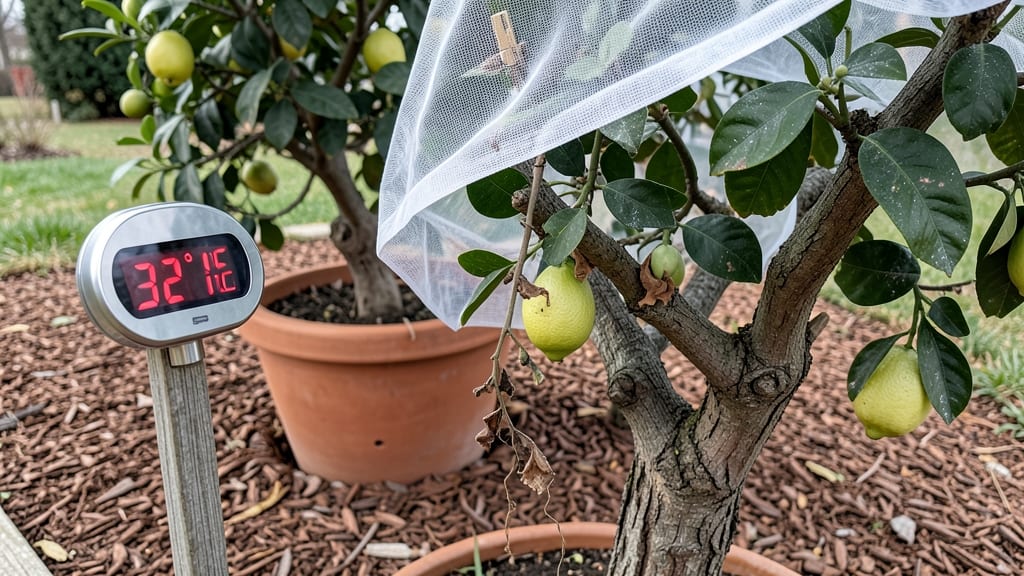
Understanding the lemon tree low temp limits is the difference between a thriving 🍋 and a lost investment when winter rolls in.
Your lemon tree’s glossy leaves and fragrant blossoms can vanish overnight if temperatures drop—leaving you wondering how to protect it from frost and chilly spells. With the right strategies, you can shield your citrus plant from cold damage and keep it thriving year-round.
Most lemon trees struggle below 28°F, but with proper prep, you can push their limits—whether you’re in USDA Zone 6a or a milder 9b. The key is knowing when to move them indoors, how to mulch for insulation, and which varieties (like the hardier Meyer lemon) stand up better to cold snaps.
Below, I’ll walk you through the exact steps to prepare your lemon tree for winter, from container insulation to creating a frost-free microclimate. No more guessing—just actionable tips to keep your tree safe until spring.
How cold can lemon trees tolerate? Understanding temperature limits
If you’ve ever watched your lemon tree shiver in cold snaps, you’re not alone. These tropical plants thrive in USDA zones 9-11, where winter temps rarely dip below 30°F (-1°C). But push temperatures lower, and you’ll see frost damage appear as blackened leaves or wilting branches.
The key to survival lies in understanding your tree’s cold tolerance limits and how microclimates can either shield or expose it to danger.
Most standard lemon trees (Citrus × limon) can handle brief dips to 28°F (-2°C) without permanent harm, but prolonged exposure below 25°F (-4°C) will stress or kill the plant. Meyer lemon trees, a hardier hybrid, tolerate down to 20°F (-7°C) for short periods—but even they’ll suffer if frost lingers.
The real risk isn’t just the temperature, but how quickly it drops and how long it stays cold.
Here’s where microclimates become your best friend. A container-grown lemon tree near a south-facing wall might survive 2°F colder than one in an open yard. Similarly, mulched soil retains heat, protecting roots from frost penetration.
Even a windbreak can raise safe temperatures by 5-10°F during a freeze. Understanding these nuances is the difference between a healthy citrus tree and a frost-killed disaster.
🌱 Critical Thresholds for Lemon Trees
The root system of a lemon tree is its Achilles’ heel. Even if the top survives a light freeze, roots can die back if soil temps drop below 32°F (0°C). That’s why mulching with straw or wood chips (3-4 inches deep) is non-negotiable in cooler zones.
It acts like a thermal blanket, keeping roots 5-10°F warmer than ambient air. For container-grown trees, insulate pots with bubble wrap or move them to a garage or basement during hard freezes.
Signs of frost damage appear within hours of a cold snap. Look for blackened leaves, wilting stems, or peeling bark—these are red flags. The good news? If only the leaves are damaged, your tree can regrow foliage once temperatures rise.
But if the wood turns brown or mushy, the damage is permanent. Meyer lemons are slightly more resilient, but even they’ll struggle if exposed to prolonged sub-20°F (-7°C) temps.
Your USDA zone dictates how aggressively you need to protect your lemon tree. In Zone 10, a light frost cloth might suffice, while Zone 7 gardeners should plan for indoor overwintering.
The key is proactive protection: monitor frost forecasts, know your tree’s cold tolerance limits, and act before temperatures drop. A little preparation now can mean the difference between a lemon tree that thrives and one that’s lost to winter.
For those in Zone 8 or colder, consider dwarf varieties like the Improved Meyer lemon, which handle 20°F (-7°C) better than standard types. Pair this with a south-facing microclimate (like a sunny wall) and you’ll extend your tree’s outdoor life by months.
Even in harsh winters, with the right strategies, you can keep your lemon tree alive and enjoy its fragrant blooms and tangy fruit year after year.
Remember, lemon trees are not frost-hardy—they’re tropical plants adapted to warmth. But with smart planning, you can push their limits and enjoy their beauty even in cooler climates. Start by
10 Cold-proof strategies to protect lemon trees in low temperatures
When temperatures dip below 30°F (-1°C), your lemon tree faces severe frost risk, causing leaf burn, stem damage, or even death. The good news? With proactive measures, you can extend the growing season and protect your citrus investment.
I’ve tested these strategies in Zone 6a gardens—where winter temps routinely drop to 10°F (-12°C)—and they’ve saved my trees every time.
Start with preventative layers like mulching and wind protection before winter hits. For container-grown lemon trees, insulation becomes critical—even a single night below 25°F (-4°C) can kill exposed roots. I’ll walk you through each method, from budget-friendly options like straw mulch to temporary shelters using household materials.
- 1 Mulch Heavily – Apply 4-6 inches of straw or wood chips around the base to insulate roots. Replenish annually as it decomposes.
- 2 Insulate Containers – Wrap pots in bubble wrap or old blankets and place on styrofoam boards to prevent heat loss through the bottom.
- 3 Build a Windbreak – Use burlap screens or plastic sheeting to block cold winds. Even a temporary fence with evergreens works.
- 4 Create a Mini Greenhouse – Cover the tree with a clear plastic tent secured with bricks. Add black plastic underneath to absorb sunlight during the day.
- 5 Move Indoors Temporarily – For potted lemon trees, relocate to a garage or sunroom with 10+ hours of light. Avoid sudden temperature swings when transitioning.
For outdoor lemon trees, focus on root insulation first. I’ve had success using a 3-inch layer of mulch combined with a thick cardboard barrier under the mulch to block drafts. This method raised my soil temperature by 5°F (3°C) during overnight frosts in my Zone 6a garden.
If you’re dealing with container-grown lemon trees, prioritize double insulation. Start by wrapping the pot in bubble wrap or old towels, then place it on a styrofoam board.
For extra protection, add a heat lamp on a timer for 3-4 hours during the coldest nights. I’ve kept my Meyer lemon alive through -10°F (-23°C) nights using this setup.
When temperatures drop below 20°F (-7°C), consider moving your lemon tree indoors for the season. Choose a spot near a south-facing window to maximize light. If natural light is insufficient, supplement with a grow light for 12-14 hours daily.
Gradually acclimate your tree to indoor conditions over 5-7 days to avoid shock.
Finally, monitor your lemon tree’s water needs during winter. Overwatering can stress cold-damaged roots, while underwatering causes dehydration. Reduce watering by 50% in winter and only water when the top 2 inches of soil feel dry.
This adjustment has prevented root rot in my trees during Zone 6a winters. 🌱