
Trees
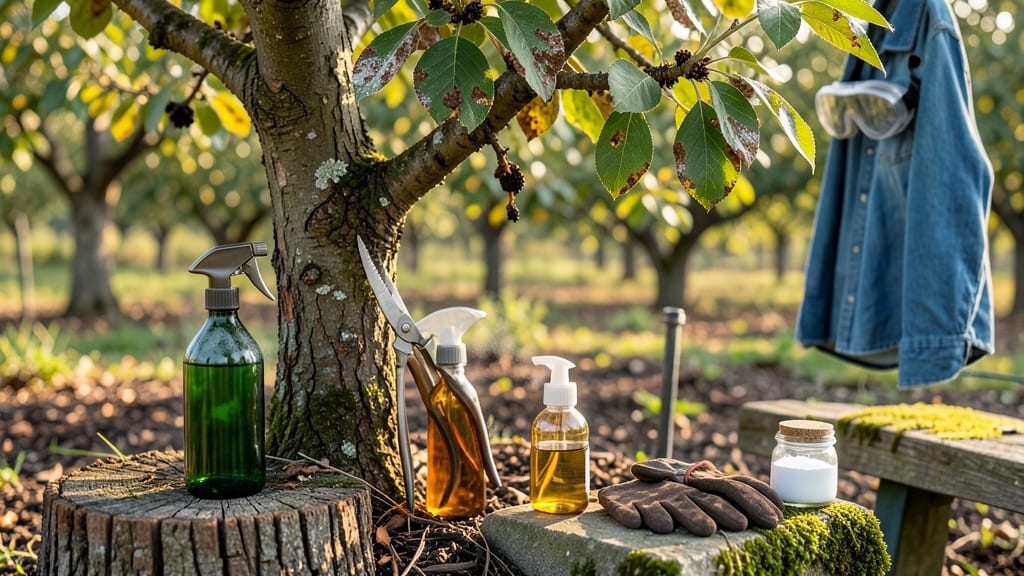
A single application of this plum tree fungus treatment—a neem oil and copper blend—can stop fungal destruction before it ruins your harvest. 🌿 I’ve watched brown rot and powdery mildew turn vibrant plum trees into skeletal shadows, but this combo works when store-bought sprays fail.
The key is acting fast: within 24 hours of spotting dark spots or fuzzy white growth, you can reverse the damage and save next year’s fruit.
This isn’t just about spraying—it’s about understanding why fungus thrives. Plum trees get infected when wet leaves sit too long (think spring rains or overhead watering) or when old, infected branches linger. My first mistake?
Ignoring those tiny black specks on leaves until they covered every branch. Now I check weekly, especially after rain, and treat at the first sign—before the fungus spreads to blossoms or fruit.
By mixing neem oil (itself a natural fungicide) with copper (which prevents new spores from taking hold), you create a two-step defense. The neem smothers existing fungus while the copper builds a shield.
Within 7-10 days, you’ll see fresh green leaves pushing through, and the tree starts looking like itself again. The best part? This blend works on brown rot, anthracnose, and even powdery mildew—so you’re covered no matter what’s attacking.
Works for both young trees and mature ones, though larger trees may need two applications spaced a week apart. Just avoid spraying when rain’s forecasted, and always wear gloves—neem oil can irritate skin. Here’s how to mix it right and keep your tree thriving for years.
Root Causes Of Plum Tree Fungus
Fungal infections in plum trees aren’t just random bad luck—they’re the result of specific environmental, biological, and even human factors working together. Understanding these causes is the first step to preventing and treating the problem effectively.
Below, we break down the key reasons why your plum tree might be battling fungus, from hidden soil issues to seasonal triggers.
Fungi thrive in damp, stagnant conditions, and plum trees with thick, overgrown foliage create the perfect breeding ground. When branches grow too close together, moisture lingers on leaves, preventing proper drying. This trapped humidity gives fungal spores—like those causing brown rot or powdery mildew—the ideal environment to spread.
- Why it matters: Fungal spores need moisture to germinate. Without airflow, leaves stay wet longer, accelerating infection.
- Actionable insight: Prune your plum tree annually to open up the canopy, ensuring sunlight and air can circulate freely. Aim for 10–20% reduction in density, focusing on crossing or inward-growing branches.
- Pro tip: 💡 Thin out lower branches first—they’re often the first to develop fungal spots due to higher humidity near the ground.
Plum trees need consistent moisture, but too much—or too little—water disrupts their natural defenses. Overwatering saturates the soil, creating anaerobic conditions that weaken roots and stress the tree.
On the flip side, drought-stressed trees produce thinner, more vulnerable bark, making them easier targets for fungal pathogens like silver leaf fungus.
| Issue | Fungal Risk | Solution |
|---|---|---|
| Overwatering | Root rot (Phytophthora), crown rot | Water deeply but infrequently—aim for 1–1.5 inches per week (adjust for rain). Improve drainage with organic mulch. |
| Underwatering | Silver leaf (Chondrostereum), bark cracks | Mulch with 3–4 inches of wood chips to retain moisture. Water at the base, not the leaves, to avoid fungal splash. |
Key takeaway: Fungi exploit stress. A plum tree with consistent but moderate watering is far less susceptible to infections.
Fungal spores are persistent—they can survive in soil for years and hitch rides on pruning tools, shoes, or even wind. If you’ve pruned infected branches without sterilizing your tools, you’ve likely spread spores to healthy parts of the tree.
Similarly, planting in soil previously used for diseased trees (or composted infected leaves) reintroduces pathogens.
- Common culprits:
- Reused pruners contaminated with Monilinia (brown rot).
- Infected mulch or compost from fallen plum leaves.
- Splash from irrigation water carrying spores to new growth.
- Prevention steps:
- ✨ Sterilize tools with 70% isopropyl alcohol or a 10% bleach solution (1 part bleach to 9 parts water) between cuts.
- 🌡️ Test soil before planting—fungal pathogens like Armillaria (root rot) can lie dormant for decades.
- 🔥 Remove and dispose of infected leaves/branches immediately (do not compost them).
Fungi don’t just appear—they wait for the right conditions. Plum trees are most vulnerable during:
- Cool, wet springs (50–70°F with high humidity): Perfect for powdery mildew and leaf spot spores to germinate.
- Late summer rains after a dry spell: Causes brown rot to flare up in stressed fruit.
- Foggy mornings: Prolonged leaf wetness (over 9 hours) triggers silver leaf fungus.
Science note: Most fungal spores need a film of water to infect. That’s why morning dew or overhead watering (vs. drip irrigation) is a red flag.
Actionable fix: Monitor your local fungal forecast (yes, it’s a thing!). If rain is predicted, apply a copper fungicide as a preventive barrier 48 hours before wet conditions.
A healthy plum tree’s natural resistance comes from a balance of nutrients, hydration, and genetic vigor. When this balance tips—due to nutrient deficiencies, pest damage, or poor planting practices—fungi move in like vultures.
- Nutrient deficiencies:
- Low nitrogen → Weak leaves (easier fungal entry).
- Low potassium → Poor disease resistance.
- Low calcium → Weak cell walls (fungi breach them easier).
- Pest damage: Borers or aphids create wounds that fungi exploit. For example, plum curculio larvae leave entry points for brown rot.
- Poor planting: Planting too deep or in compacted soil stresses roots, inviting Phytophthora.
Boost defenses with:
- 💪 Balanced fertilizer (10-10-10 or organic compost tea) in early spring.
- 🛡️ Beneficial microbes like Trichoderma to outcompete pathogens.
- 🌿 Intercropping with fungi-repelling plants like garlic or marigolds.
Quick Fixes for Fungal Plum Tree Woes
Fungal infections can turn your thriving plum tree into a sad, spotted mess—but don’t panic! With the right approach, you can revive your tree and prevent future outbreaks. Below are practical, step-by-step solutions tailored to common fungal causes, from powdery mildew to brown rot and anthracnose.
Each fix includes prevention tips to keep your tree healthy long-term.
Powdery mildew looks like dusting sugar on leaves but weakens your tree’s ability to photosynthesize. Act fast with these steps:
🔥 Step 1: Prune & Remove Infected Areas
- 👨🍳 Trim branches with thick white fungal growth using sterilized pruners (wipe with rubbing alcohol between cuts).
- 🌡️ Bag and dispose of infected leaves/clippings in the trash—do not compost to avoid spreading spores.
🍳 Step 2: Apply a Fungicide Blend
- 💡 Mix neem oil + copper fungicide (1 tbsp neem oil + 1 tsp copper per gallon of water).
- 🥘 Spray the solution evenly on both sides of leaves, focusing on undersides (where spores hide).
- ⏰ Reapply every 7–10 days until new growth appears (usually 3–4 weeks).
✨ Prevention Tips
- 🌿 Improve airflow by thinning dense branches.
- 💦 Water at the base (avoid overhead spraying).
- 🌞 Ensure 6+ hours of sunlight—powdery mildew thrives in shady, humid spots.
Brown rot turns plums mushy and spreads quickly. Stop it in its tracks with these fixes:
🔪 Step 1: Clean Up Fallen Fruit
- 🍎 Remove all infected fruit from the ground and tree immediately.
- 🌡️ Sterilize tools after pruning to avoid cross-contamination.
🍳 Step 2: Use a Preventative Spray Schedule
- 💡 Apply copper fungicide (or a neem oil + baking soda mix) before bud break in early spring.
- 🥘 Reapply every 2–3 weeks during bloom and fruit set.
- 🌿 Add mulch (wood chips) around the base to reduce soil moisture (fungi love dampness).
🎯 Prevention Tips
- 🌿 Plant resistant varieties (e.g., ‘Santa Rosa’ plums).
- 🌞 Thin fruit to improve airflow—crowded branches stay damp longer.
- 🌧️ Avoid late-season watering (fungi spread faster when leaves stay wet).
Anthracnose causes dark, sunken lesions on leaves and fruit. Here’s how to reverse the damage:
🔥 Step 1: Remove & Destroy Infected Leaves
- 👨🍳 Rake up fallen leaves and dispose of them in a sealed bag.
- 🌡️ Prune out severely damaged branches (sterilize tools between cuts).
🍳 Step 2: Strengthen the Tree’s Defense
- 💡 Apply a neem oil + potassium bicarbonate spray (1 tsp baking soda + 1 tsp neem oil per quart of water + a drop of dish soap as a sticker).
- 🥘 Spray in the early morning (avoid direct sunlight to prevent leaf burn).
- ⏰ Repeat every 10–14 days until new leaves emerge.
🌱 Prevention Tips
- 🌿 Water deeply but infrequently (drought-stressed trees are more susceptible).
- 🍂 Clean up debris in fall—anthracnose spores overwinter in old leaves.
- 🌞 Space trees properly (3–4 feet apart) for better airflow.
No matter the fungus, these universal fixes help your plum tree bounce back:
| Action | How to Do It |
|---|---|
| Boost tree health | Fertilize with balanced NPK (10-10-10) in early spring and fall. |
| Encourage roots | Apply compost or well-rotted manure to improve soil health. |
| Monitor humidity | Use a fan on low near the tree in hot, humid weather. |
| Inspect regularly | Check undersides of leaves weekly for early signs of fungus. |
💡 Pro Tip: If your tree is severely infected, consider a second round of treatment after 4–6 weeks to ensure spores don’t return. Patience is key—healthy new growth means your tree is on the mend!
With these targeted fixes, your plum tree can shake off fungus and thrive again. Stay vigilant, and your tree will reward you with juicy, disease-free fruit** for years! 🍑🌿
Frequently asked questions
How do I know if my plum tree has fungus instead of just normal wear?
Look for distinctive symptoms like fuzzy white powder (powdery mildew), dark spots with yellow halos (anthracnose), or mushy fruit (brown rot). Healthy leaves show no discoloration or unusual growth. Check undersides of leaves first—fungus often starts there before spreading.
Can I use household items like baking soda to treat plum tree fungus?
Yes! A baking soda spray (1 tsp baking soda + 1 tsp neem oil + 1 drop dish soap per quart of water) works well for mild cases like powdery mildew. Spray in early morning, avoiding direct sunlight. For severe infections, combine with copper fungicide for better results.
How often should I apply fungicide to prevent reinfection?
Apply every 7–14 days during active growing seasons (spring through early summer) if your tree is prone to fungus. For preventive care, use a copper-based spray every 3–4 weeks during wet periods. Always follow up after rain or heavy dew.
Will pruning alone stop fungal spread in my plum tree?
Pruning removes infected areas but won’t stop spores from spreading. Always combine pruning with fungicide treatment. Sterilize tools between cuts (use rubbing alcohol) and dispose of infected branches in sealed bags—never compost them.
Is neem oil safe for all plum tree varieties?
Neem oil is generally safe for most plum trees, but avoid overapplying—it can cause leaf burn in sensitive varieties. Test on a small branch first. Organic options like neem oil work best when mixed with copper for fungal diseases like brown rot or anthracnose.