
Pruning
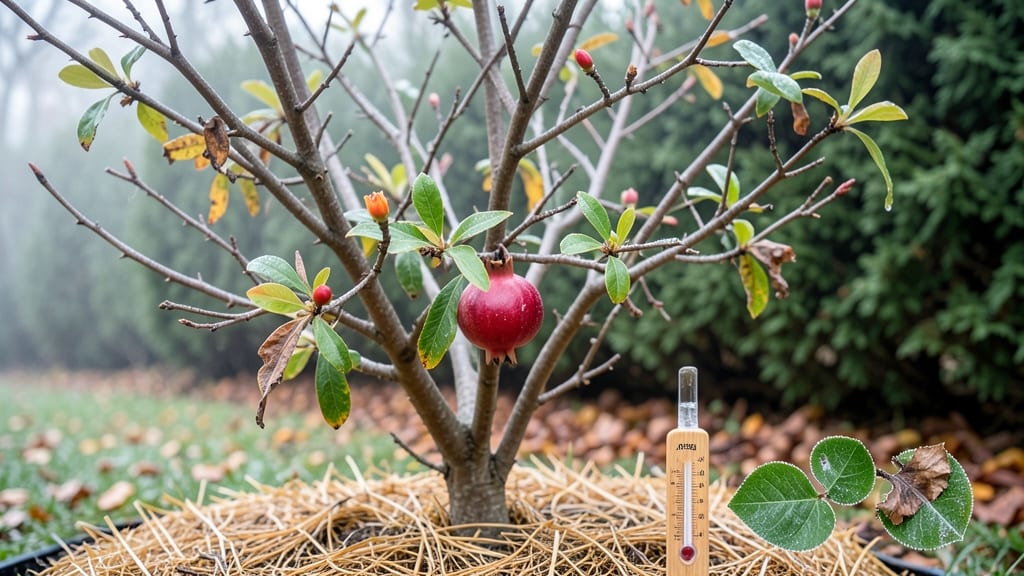
Understanding pomegranate tree cold hardiness reveals they flourish in USDA zones 7-11, enduring short cold snaps down to 15°F (-9°C) but risking damage when temperatures drop below 20°F (-7°C). Popular varieties like 'Wonderful' demand extra winter care, while 'Eversweet' handles cooler conditions better. Strategic mulching and trunk insulation can push their limits in borderline climates.
Cold tolerance varies dramatically between pomegranate varieties, with some able to withstand 20°F (-7°C) for brief periods while others show leaf burn at 25°F (-4°C). 🌱 The key difference lies in their root systems—deeper roots access warmer soil layers, giving them a survival advantage.
I've seen 'Eversweet' trees in zone 6 gardens thrive with proper winter prep, while 'Wonderful' often needs temporary row covers in zone 7. The fruit itself becomes more vulnerable as temperatures drop, making winter protection especially important for commercial growers.
What many gardeners overlook is how microclimates can extend a tree's cold tolerance by 2-5°F. South-facing slopes, windbreaks, and reflective surfaces all create warmer pockets where pomegranates can push their limits.
I recommend testing your tree's resilience by monitoring its response to 25°F (-4°C) temperatures—if it shows no damage, you can gradually reduce winter protection over time.
💡 In This Article
- USDA Zone Limits for Pomegranate Trees
- Winter Protection Techniques for Pomegranate Trees
USDA zone limits for pomegranate trees
The cold hardiness of pomegranate trees hinges on their genetic makeup and root depth. Most commercial varieties like 'Wonderful' can handle brief exposure to 15°F (-9°C) but show signs of stress below 20°F (-7°C).
This threshold triggers cellular damage in leaves and stems, where ice crystals form in plant tissues. 🌱 The root systems of mature trees play a crucial role—they can extend 3-5 feet deep, accessing warmer soil layers that remain above freezing even when surface temperatures drop.
Hardier cultivars like 'Eversweet' and 'Sweetheart' often survive 20°F (-7°C) without protection, thanks to their thicker bark and denser foliage. These varieties also produce fruit more reliably in cooler climates because their flowering occurs later in spring, avoiding late frosts.
The difference between varieties becomes especially noticeable during fruit development—cold snaps below 28°F (-2°C) can cause blossom damage, reducing yield by up to 40% in sensitive types.
Microclimates create dramatic variations in cold tolerance. A tree planted on a south-facing slope might withstand 5°F (-15°C) temperatures when the same variety in a low-lying area shows frost damage at 25°F (-4°C). This is why gardeners in zone 6 can successfully grow pomegranates with proper site selection.
The key is positioning trees where they benefit from reflected sunlight and reduced wind chill, which can raise effective temperatures by 3-7°F.
What most gardeners don't realize is how soil temperature affects root survival. Even if air temperatures drop to 15°F (-9°C), soil at 12 inches depth typically stays above freezing. This is why mulching with 4-6 inches of organic material becomes critical—it insulates roots while allowing moisture retention.
The insulation effect can raise soil temperatures by 10°F during cold snaps, making the difference between survival and damage.
Fruit production becomes the most vulnerable aspect during winter. Pomegranate flowers are particularly sensitive to late frosts, with damage occurring at 28°F (-2°C). This is why varieties like 'Wonderful' often need winter protection in zone 7, where late spring frosts are common.
The economic impact is significant—commercial growers in marginal zones report 30-50% yield losses when proper cold protection isn't implemented.
Consider these cold tolerance factors when selecting varieties:
- Root depth: Deeper roots access warmer soil layers, improving survival in 20°F (-7°C) conditions
- Flowering time: Later-blooming varieties avoid spring frosts that damage blossoms
- Bark thickness: Mature trees develop thicker bark that resists cracking at 15°F (-9°C)
- Microclimate: South-facing locations can extend hardiness by 2-5°F
For gardeners in zone 6, choosing varieties like 'Eversweet' and implementing proper winter care can push survival limits to 15°F (-9°C) with minimal damage. The key is understanding how each factor interacts—root depth protects against soil freezing while proper mulching creates an insulating barrier that maintains critical temperature thresholds.