
Pruning
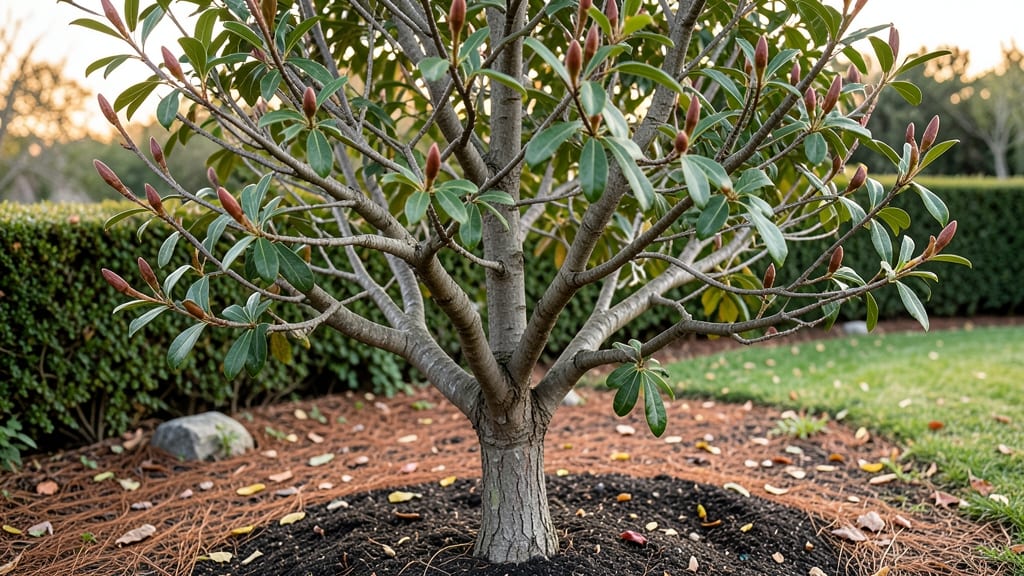
For a pomegranate tree in the winter, cold protection is essential in zones below 15°F, using mulch, frost cloth, or moving container-grown trees indoors. Prune only damaged branches in early spring to promote healthy regrowth.
Pomegranate trees are surprisingly delicate in winter—their roots and bark can suffer irreversible damage when temperatures drop below 15°F. 🌱 The key is creating a protective barrier: thick mulch (at least 4-6 inches) insulates roots, while frost cloth acts like a cozy blanket for the trunk.
If you have a potted pomegranate, moving it to a garage or sheltered spot can make all the difference. What's interesting is that these trees actually enter dormancy naturally, but extreme cold shocks their system, which is why timing matters so much.
Spring pruning is where many gardeners go wrong—they're eager to tidy up after winter, but cutting back too early can stimulate new growth that won't survive late frosts. Instead, wait until late spring when new leaves start appearing, then remove only the blackened or broken branches.
This gives the tree energy to focus on recovering its root system rather than supporting unnecessary foliage.
💡 In This Article
- Pomegranate Tree Cold Hardiness Zones Explained
- Winter Care Checklist for Pomegranate Trees
Pomegranate tree cold hardiness zones explained
The pomegranate tree's cold tolerance hinges on its native Mediterranean climate, where temperatures rarely drop below 20°F.
This is why USDA hardiness zones 7-11 are ideal—trees in these zones naturally survive winters without extra protection. 🌡️ The critical threshold is 15°F: below this, the tree's bark and cambium layer (the growth tissue just under the bark) begin to suffer irreversible damage.
The root system, which can extend 3-5 feet deep, is particularly vulnerable because frozen soil disrupts water and nutrient uptake.
Scientifically, the damage occurs through a process called cold acclimation failure. During dormancy, pomegranate trees produce protective sugars and proteins that lower their cellular freezing point, but extreme cold overwhelms this system.
You'll notice winter damage as blackened branches, peeling bark, or shriveled leaves—these are visual signs the tree's protective mechanisms were compromised. The bark's texture changes too, becoming brittle and cracking when temperatures fluctuate between freezing and thawing cycles.
What most gardeners don't realize is that pomegranate trees in zone 6 or colder can survive winters with proper protection, but their long-term health depends on consistent care.
The root zone needs insulation to maintain 40-50°F soil temperatures, which is why 4-6 inches of mulch (straw or wood chips) is essential.
Without this, roots can freeze solid, killing the tree from the ground up—a fate I've seen too often with neglected potted specimens left outdoors during polar vortex events.
Here's where zone-specific care comes into play: In zone 7, trees may need only light protection (like wrapping the trunk with burlap), while zone 8-9 varieties often thrive with minimal intervention.
The key difference lies in the tree's ability to harden off—some cultivars (like 'Wonderful') are slightly more cold-resistant than others (like 'Eversweet'), making variety selection crucial for colder climates. Always check the specific cultivar's hardiness rating before planting.
One surprising fact is that pomegranate trees actually prefer cooler winters—they bloom best after a period of cold (a process called vernalization). The challenge isn't just surviving winter, but ensuring the tree gets enough chill hours (300-600 hours below 45°F) to trigger proper flowering.
This is why trees in warmer zones (10-11) sometimes produce fewer fruits—they may not get sufficient winter chilling.
For those in marginal zones (6-7), consider these cold-hardy alternatives: 'Crimson Jewel' or 'Russian Red' cultivars, which have shown better survival rates in trials. These varieties develop thicker bark and deeper root systems, giving them a slight edge in colder conditions.
The trade-off? They may produce slightly smaller fruits, but the trade-off is worth it for winter survival. 🍇