
Container Gardens
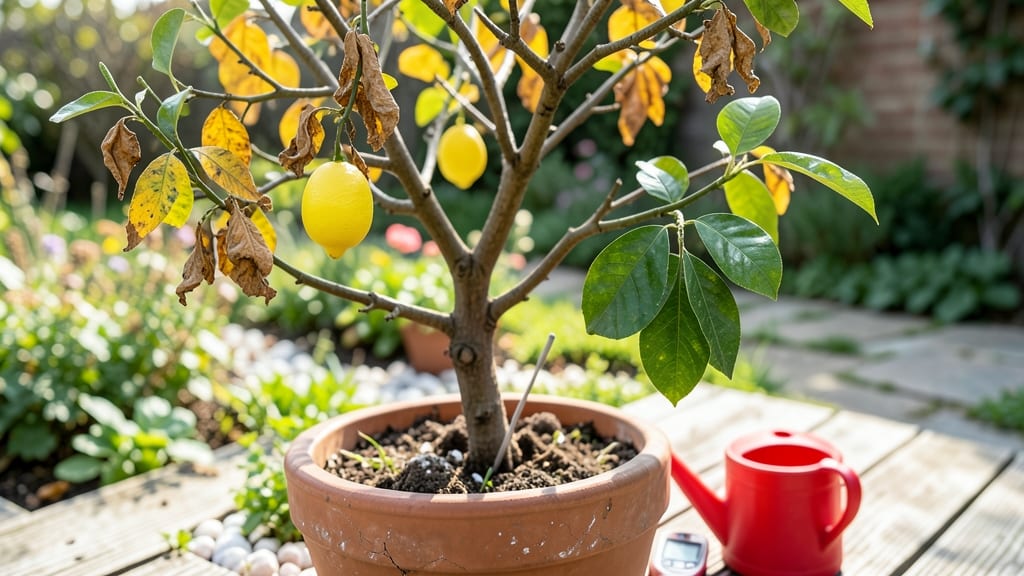
Your potted lemon tree losing leaves isn’t a death sentence—it’s a cry for help. 🌿 I’ve nursed back more than my share of sad-looking citrus trees, and the fix usually comes down to three simple adjustments that make all the difference.
The real culprit is almost always one of three things: watering gone wrong (either too much or too little), hidden pests feasting on the leaves, or a pot that’s either too cramped or too hot. Start by checking the soil—if it’s bone-dry or soggy, that’s your first clue.
Then flip the pot over and inspect the roots for signs of stress or critters. Once you pinpoint the issue, the fix is straightforward: adjust your watering schedule, trim affected leaves, and maybe even repot into fresh soil.
Within a few weeks, you’ll see new growth pushing through, and those glossy green leaves will return like they never left. Prevention is even easier—just keep an eye on moisture, rotate the pot for even light, and give it a good inspection every couple of weeks.
Your tree will be thriving again before you know it.
Root Causes Of Leaf Drop
Understanding why your potted lemon tree is shedding leaves starts with identifying the underlying stress factors. Lemon trees (Citrus limon) are sensitive to environmental shifts, and even minor changes can trigger leaf loss.
Below are the most common culprits, explained in clear, actionable terms so you can diagnose the issue accurately.
Lemon trees thrive in well-draining soil with moderate moisture, but overzealous watering or compacted soil can suffocate roots, leading to root rot—a silent killer that causes leaves to yellow and drop.
- Why it happens: - Lemon trees hate "wet feet."
When roots sit in soggy soil for too long, they starve for oxygen, triggering anaerobic conditions that produce toxic byproducts like ethanol and acetaldehyde. - Fungal pathogens (e.g., Phytophthora or Pythium) exploit waterlogged soil, infecting roots and blocking nutrient uptake.
The tree responds by shedding leaves to conserve energy. - Symptoms to watch for: - Mushy, blackened roots when inspected. - Soil that stays damp for days after watering. - Leaves turning yellow (chlorosis) from the bottom up.
- Quick fix: - Test your soil: Stick your finger 2 inches into the soil—if it’s damp, wait before watering again.
Lemon trees prefer the topsoil to dry out slightly between waterings. - Upgrade drainage: Mix perlite or coarse sand into potting soil (aim for a 60/40 ratio of soil to amendment).
Elevate pots with feet or saucers to prevent water pooling. - Repot if needed: If roots are rotting, trim affected areas with sterilized scissors, dust with cinnamon powder (natural antifungal), and repot in fresh, well-draining mix.
Lemon trees are tropical and crave warmth (65–85°F) and bright, indirect light. Sudden temperature drops, drafts, or insufficient light can shock the tree into abscission (leaf shedding) as a survival mechanism.
- Why it happens: - Cold drafts or temps below 50°F: Lemon trees are not frost-hardy. Cold stress disrupts photosynthesis and chlorophyll production, causing leaves to brown and drop.
Even overnight temps below 60°F can trigger stress. - Light deprivation: Without enough photosynthetically active radiation (PAR), the tree can’t produce energy, leading to nutrient deficiencies and leaf drop. Leggy growth (long, weak stems) is a red flag. - Heat stress (above 95°F): While lemon trees love warmth, intense afternoon sun (especially in hot climates) can scorch leaves, causing them to crisp and fall.
- Quick fix: - Move your tree strategically: - Winter: Keep indoors near a south-facing window or under grow lights (12–14 hours/day). Avoid cold drafts from AC vents or doors. - Summer: Place in morning sun + afternoon shade (e.g., under a sheer curtain).
If outdoors, acclimate gradually to prevent shock. - Adjust humidity: Lemon trees love 50–70% humidity. In dry climates, use a pebble tray with water or a humidifier near the tree. - Rotate the pot weekly to ensure even light exposure (prevents lopsided growth).
Lemon trees are heavy feeders but are sensitive to imbalances in nutrients. Both deficiencies and excesses can cause leaf drop, often accompanied by distinct discoloration patterns.
- Why it happens: - Nitrogen deficiency (🟢 Pale green/yellow leaves): Nitrogen is crucial for leafy growth. Without it, older leaves turn yellow (a process called senescence) and drop prematurely. - Potassium deficiency (🟡 Brown leaf edges): Potassium regulates water and nutrient transport.
A lack of it causes necrosis (dead tissue) at leaf edges, leading to drop. - Magnesium deficiency (🟤 Yellow patches between veins): Magnesium is central to chlorophyll production.
Deficiency causes interveinal chlorosis (yellowing between veins) before leaves fall. - Over-fertilization (🟥 Brown, crispy leaves): Too much fertilizer (especially salt-heavy varieties) burns roots, blocking water uptake. Symptoms include leaf scorch and premature drop.
- Quick fix:
- Test your soil: Use a citrus-specific soil test kit to check pH (ideal: 6.0–7.0) and nutrient levels.
- Fertilize correctly:
- Spring/Summer: Use a balanced citrus fertilizer (e.g., 6-6-6 or 8-3-9) every 4–6 weeks.
- Fall/Winter: Reduce to monthly or bi-monthly (growth slows in cooler months).
- Avoid synthetic fertilizers in winter—they can burn roots when the tree is dormant.
- Flush the soil: If you suspect salt buildup, water thoroughly for 10–15 minutes to leach excess salts.
Hidden pests and pathogens sap nutrients from your lemon tree, weakening it to the point of leaf loss. Common culprits include spider mites, aphids, scale insects, and fungal diseases like citrus canker.
- Why it happens: - Sap-sucking pests (e.g., spider mites, aphids): - These tiny insects pierce leaves, draining sap and nutrients.
Heavy infestations cause yellowing, curling, and premature leaf drop. - Spider mites (🕷️) thrive in dry conditions and leave fine webbing on undersides of leaves. - Aphids (🐜) cluster in new growth, excreting sticky honeydew that attracts sooty mold (a black fungal growth). - Scale insects (🐌): - These armored pests attach to stems/leaves, sucking juices and causing stunted growth and leaf drop.
They appear as brown bumps that don’t move. - Fungal/bacterial diseases (e.g., citrus canker, root rot): - Citrus canker causes raised, crusty lesions on leaves, leading to premature drop. - Root rot (from overwatering) weakens the tree, making it vulnerable to secondary infections.
- Quick fix: - Inspect leaves weekly: Use a magnifying glass to spot pests early.
Check leaf undersides, stems, and new growth. - Treat infestations: - Spider mites/aphids: Spray with neem oil (1 tsp per quart of water) or insecticidal soap every 5–7 days until gone. - Scale insects: Wipe off with a soapy cloth or apply horticultural oil (follow label instructions). - Prevent diseases: - Sterilize pruners with rubbing alcohol before trimming. - Remove fallen leaves (disease reservoirs). - Avoid overhead watering to prevent fungal spores from splashing onto leaves.
Even well-cared-for lemon trees can shed leaves after repotting or if roots become root-bound (circling the pot). This stress disrupts water and nutrient flow, forcing the tree to prioritize survival over foliage.
- Why it happens: - Repotting trauma: Lemon trees have delicate root systems.
Disturbing them—especially during active growth—can cause temporary leaf drop as the tree redirects energy to root recovery. - Root-bound conditions: When roots circle the pot or fill it completely, they compete for space, strangling each other and reducing water absorption.
The tree reacts by shedding leaves to lighten its load. - Pot size mismatch: A pot that’s too large retains excess moisture, while one too small restricts growth—both trigger stress responses.
- Quick fix:
Revive Your Lemon Tree Now
Don’t panic—your potted lemon tree can bounce back! The key is identifying the root cause (literally and figuratively) and taking action before the problem worsens. Below, we’ve broken down the most common reasons your tree is shedding leaves, along with practical, step-by-step fixes to bring it back to health. Think of this as your lemon tree’s emergency first aid kit! 🚑🌿
Too much love (in the form of water) can suffocate your lemon tree’s roots, leading to yellowing leaves, wilting, and eventual leaf drop. Overwatering is the #1 culprit for potted citrus trees.
How to Fix It:
- 🔪 Stop Watering Immediately
- Let the top 2–3 inches of soil dry out completely before watering again. Stick your finger in the soil—if it’s soggy, wait.
- 🏗️ Improve Drainage
- Ensure your pot has drainage holes (if not, repot ASAP).
- Add a layer of gravel or perlite at the bottom of the pot to prevent waterlogging.
- 🌡️ Adjust Your Watering Routine
- Water deeply but infrequently—once every 7–10 days in warm weather, less in winter.
- Pro tip: Water in the morning so excess moisture evaporates during the day. 💧
- 🌱 Check for Root Rot
- If the roots smell foul or look mushy, trim the affected parts with sterilized scissors and repot in fresh, well-draining soil.
Prevention Tips:
- Use a moisture meter to track soil dampness.
- Choose pots with larger diameters (more soil = slower drying).
- Avoid saucers that trap water—empty excess after watering.
While overwatering is dramatic, underwatering is a silent killer. Brown, crispy edges on leaves? That’s your tree screaming for hydration. Lemon trees thrive in consistently moist (not soggy) soil.
How to Fix It:
- 💦 Give It a Deep Soak
- Water until it drains from the bottom of the pot. Repeat every 5–7 days in summer, less in winter.
- 🌊 Increase Humidity (If Needed)
- Place the pot on a pebble tray with water or mist leaves lightly (avoid soggy foliage).
- Group potted plants together to create a microclimate.
- 🌱 Fertilize for Recovery
- Feed with a balanced citrus fertilizer (like 6-6-6) every 4–6 weeks to boost resilience. Dilute to half-strength if roots are stressed.
Prevention Tips:
- Mulch the soil surface with straw or bark to retain moisture.
- Move the pot to a shadier spot temporarily if leaves are severely crispy.
- Pro tip: Lemon trees in small pots dry out faster—upgrade to a 12–18 inch pot if roots are crowded. 🌿
Lemon trees are tropical but hate sudden heatwaves, cold drafts, or harsh afternoon sun. Leaf drop can happen if they’re shocked by temperature swings or scorched by intense rays.
How to Fix It:
- 🏡 Find the Goldilocks Spot
- Move your tree to a location with bright, indirect light (e.g., near a window with sheer curtains).
- Avoid drafts (AC vents, doors, or cold windows in winter).
- 🌡️ Acclimate Gradually
- If moving outdoors, harden off the tree over 7–10 days by exposing it to sunlight incrementally.
- In winter, keep it away from frost (minimum safe temp: 40°F/4°C).
- 🌿 Trim Damaged Leaves
- Snip off brown or crispy leaves with clean scissors to redirect energy to healthy growth.
Prevention Tips:
- Use shade cloth (30–50%) if your tree gets direct afternoon sun.
- In winter, place the pot on a tray with insulation (like a foam board) to protect roots.
- Pro tip: Lemon trees love warmth + humidity—a sunny windowsill or greenhouse is ideal. 🏠☀️
Spider mites, aphids, or fungal infections (like root rot or leaf spot) can cause rapid leaf loss. Check the undersides of leaves and soil for clues.
How to Fix It:
- 🔍 Identify the Culprit
- Pests (mites, aphids): Look for tiny webs, sticky residue, or tiny bugs.
- Fungal issues: Yellow spots, mold, or a foul smell from the soil.
- 🚿 Treat Pests Immediately
- Neem oil spray (mix 1 tbsp neem oil + 1 tsp mild soap + 1 quart water). Spray every 5–7 days until pests vanish.
- Insecticidal soap works for soft-bodied bugs like aphids.
- 🌱 Revive Fungal Issues
- Prune infected leaves and dispose of them (don’t compost!).
- Repot in fresh, sterile soil with added fungicide (like copper-based treatments).
- Pro tip: Space plants apart to improve airflow and prevent fungal spread. 🌬️
Prevention Tips:
- Inspect new plants before bringing them home.
- Quarantine new additions for 2 weeks to catch pests early.
- Water at the base (not overhead) to reduce fungal spores on leaves.
With these fixes, your lemon tree should start regrowing leaves within 4–6 weeks. The key is consistency—stick to the routine, and your tree will reward you with glossy, happy foliage (and eventually, those coveted lemons!). 🍋✨
Frequently asked questions
Why are my potted lemon tree leaves turning yellow before falling?
Yellowing leaves before dropping usually signals overwatering or nutrient deficiency. Check the soil—if it stays soggy, you're likely suffocating the roots. For deficiencies, look for pale green (nitrogen) or brown edges (potassium) on leaves. Adjust watering and fertilize with a citrus-specific blend every 4-6 weeks.
How often should I water my lemon tree in a pot?
Water when the top 2-3 inches of soil feel dry—typically every 7-10 days in warm weather. In winter, reduce to every 2-3 weeks. Always use pots with drainage holes and let excess water drain completely. Overwatering causes root rot, while underwatering leads to crispy leaf edges.
Can I save my lemon tree if it's completely bare?
Yes! Even bare-stemmed trees can recover if the roots are healthy. Prune back all dead growth, repot in fresh well-draining soil, and place in bright indirect light. Fertilize lightly and maintain consistent moisture. New growth should appear within 4-8 weeks if the root system is intact.
What's the best way to check for pests on my lemon tree?
Inspect the leaf undersides, stems, and new growth weekly using a magnifying glass. Look for tiny webs (spider mites), sticky residue (aphids), or brown bumps (scale). Wipe leaves with a damp cloth or spray with neem oil if you spot any pests. Early detection prevents severe damage.
Should I move my lemon tree outside during summer?
Acclimate gradually! Start with 2-3 hours of morning sun, then increase exposure over 1-2 weeks. Avoid harsh afternoon sun that can scorch leaves. Keep it in partial shade if temps exceed 90°F. Always bring it back indoors before nighttime temps drop below 50°F.