
Trees
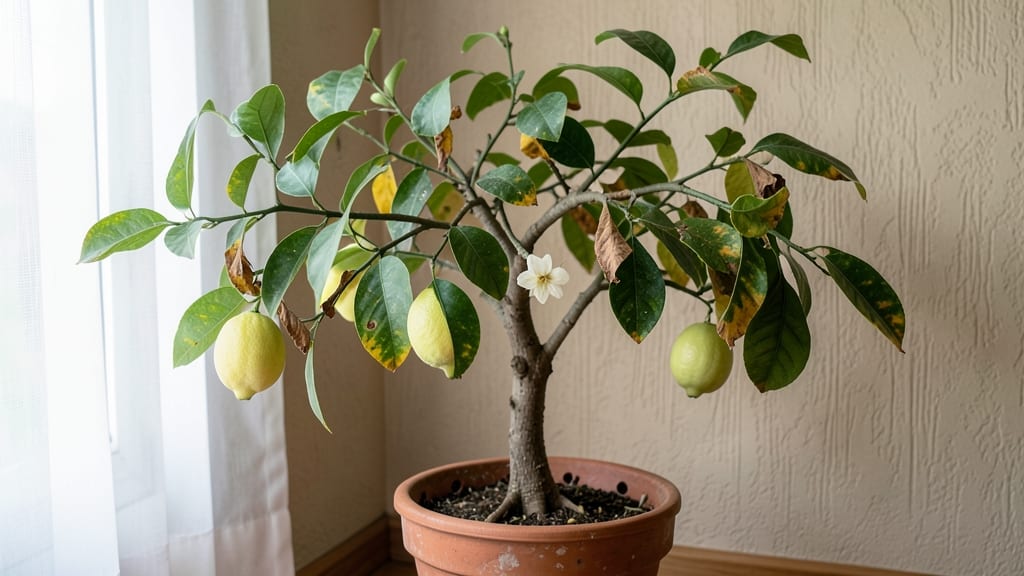
Your indoor lemon tree losing leaves isn't a death sentence—it's a wake-up call. 🌿 The good news? Most cases are fixable with simple adjustments to water, light, or care habits.
I’ve nursed back three lemon trees from bare branches, and I’ll show you exactly how to diagnose and reverse the problem in just five steps. Start by checking the soil moisture—overwatering (the #1 culprit) leaves leaves yellow and mushy, while underwatering causes crispy brown edges.
Then inspect the undersides of leaves for tiny webs or specks (spider mites or scale), and move the tree away from drafts or heating vents.
The key is matching your care routine to what a lemon tree naturally needs: bright, indirect light, slightly dry soil, and humidity levels that mimic its Mediterranean roots. Within 2-4 weeks of consistent care, you’ll see fresh green growth pushing from the stems, and those telltale citrusy leaves will return.
The best part? Once you identify the root cause, preventing future leaf loss becomes second nature—no more guessing games or panicked Googling. Let’s turn those bare branches into a thriving canopy.
First, rule out the obvious: watering. Stick your finger 1-2 inches into the soil—if it’s damp, hold off. Lemon trees prefer their roots to dry out slightly between waterings, and soggy soil suffocates roots, causing leaves to yellow and drop.
If the soil’s bone-dry, water thoroughly until it drains from the bottom, then let excess water out completely. Pair this with a pebble tray under the pot to boost humidity, especially in winter when indoor air gets dry.
Next, assess light exposure. Lemon trees crave 6-8 hours of bright, indirect light daily—a south-facing window or a grow light works best. If leaves are sparse or pale, it’s a light deficit; if they’re crispy with brown tips, it’s too much direct sun.
Rotate the pot weekly so growth stays even, and avoid cold drafts (like AC vents) or sudden temperature swings, which stress the tree and trigger leaf loss.
For stubborn cases, check for pests like spider mites (tiny red dots on leaves) or scale (brown bumps on stems). Wipe leaves with a damp cloth and spray with neem oil weekly if needed.
If the problem persists after 4-6 weeks of adjusted care, consult a local nursery or arborist—sometimes deeper issues like root rot or nutrient deficiencies need professional treatment. But in 90% of cases, these steps bring your lemon tree roaring back to life.
Root Causes Of Leaf Loss
When your indoor lemon tree starts shedding leaves, it’s often a cry for help—whether from environmental stress, care mistakes, or hidden pests. Understanding the why behind the problem is the first step to saving your tree.
Below, we break down the most common culprits, backed by science, so you can diagnose and fix the issue with confidence.
Lemon trees are drought-tolerant in their native Mediterranean climate, but indoor conditions can trick them into thinking they’re drowning. Overwatering is the #1 killer of indoor citrus trees because it suffocates roots, cutting off oxygen and inviting fungal diseases like Phytophthora.
- Signs: Yellowing leaves, mushy stems, or a sour (rotten) smell from the soil.
- Why it happens: Compacted soil or pots without drainage holes trap excess water, leading to anaerobic conditions (lack of oxygen). Roots starve, and the tree sheds leaves to conserve energy.
- Actionable fix:
- Let the top 1–2 inches of soil dry out between waterings (stick your finger in—if it’s damp, wait!).
- Repot in a well-draining mix (50% cactus/succulent soil + 30% perlite + 20% orchid bark).
- Ensure the pot has drainage holes—no exceptions!
While overwatering is deadly, chronic underwatering stresses lemon trees just as much. These trees store water in their thick branches, but if the soil dries out completely, leaves wilting and dropping is the tree’s survival response to prevent dehydration.
- Signs: Dry, crispy leaf edges, leaf drop, or a tree that feels light as a feather when lifted.
- Why it happens: Indoor air (especially in winter) can drop humidity to <10%, while lemon trees thrive at <40–60% humidity. Low moisture also causes transpiration stress, where leaves lose water faster than roots can replace it.
- Actionable fix:
- Water when the top 3 inches of soil are bone-dry (use a moisture meter for precision).
- Boost humidity with a pebble tray (fill a tray with water and stones, place the pot on top) or a humidifier nearby.
- Avoid misting leaves directly—it can promote fungal diseases.
Lemon trees are temperamental about their environment. Sudden changes in temperature, drafts, or insufficient light trigger leaf drop as a protective measure. Think of it like a human getting hives after a cold plunge—your tree’s way of saying, “This is too much!”
- Signs:
- Leaves yellowing and dropping near windows or vents.
- New growth wilting or curling after moving the tree.
- Brown, papery leaf edges (a sign of low light stress).
- Why it happens:
- Cold drafts (below 50°F/10°C) slow metabolic processes, causing chilling injury.
- Heat stress (above 90°F/32°C) scalds leaves, leading to protein denaturation (basically, the leaf “cooks”).
- Inconsistent light (e.g., moving from a sunny window to a dark corner) confuses the tree’s photoperiod (light cycle), triggering dormancy-like responses.
- Actionable fix:
- Keep your tree in 60–75°F (15–24°C) with no drafts (away from AC vents, heaters, or sliding doors).
- Provide 6–8 hours of bright, indirect light (south- or west-facing windows are ideal). Use a grow light if natural light is lacking.
- Avoid moving the tree frequently—if you must, do it gradually over a week.
Tiny invaders like spider mites, aphids, or scale insects suck sap from leaves, causing them to yellow, curl, and fall off. The damage isn’t just cosmetic—it weakens the tree’s vascular system, starving it of nutrients.
- Signs:
- Sticky residue (honeydew) on leaves or windows below the tree.
- Fine webbing (spider mites) or small black dots (sooty mold from honeydew).
- New growth stunted or deformed.
- Why it happens:
- Pests thrive in dry, dusty conditions (low humidity) and weak trees (from over/underwatering or poor light).
- They reproduce exponentially—a few mites can become thousands in weeks, draining the tree’s energy.
- Actionable fix:
- Isolate the tree immediately to prevent spread.
- Wipe leaves with a neem oil solution (1 tsp neem oil + 1 tsp mild soap per quart of water).
- For severe infestations, use insecticidal soap (follow label instructions).
- Introduce beneficial insects like ladybugs or lacewings to eat pests naturally.
Lemon trees need balanced nutrition, but too much or too little of certain nutrients can cause leaf loss. The most critical deficiencies involve nitrogen, magnesium, and iron, which directly impact leaf health.
- Signs:
Deficiency Leaf Symptoms Cause Nitrogen (N) Old leaves yellowing (chlorosis) but stay green at the edges. Poor soil or overwatering (leaches nutrients). Magnesium (Mg) Yellow patches between leaf veins (interveinal chlorosis). Compacted soil or over-fertilizing with synthetic fertilizers (high salt content). Iron (Fe) Young leaves stay yellow while veins remain green (lime-induced chlorosis). Alkaline soil (pH > 7) or overwatering. < Fix Your Lemon Tree’s Leaf Loss
Now that you know the common causes behind your indoor lemon tree’s leaf loss, let’s tackle each issue with practical, step-by-step solutions. Whether it’s overwatering, pests, or environmental stress, these fixes will help your tree bounce back—and keep it thriving long-term.
---
If your lemon tree’s roots are drowning, the first step is to stop watering immediately until the soil is dry. Here’s how to rescue it:
#### 🔥 Step 1: Check the Soil - 👨🍳 Dig a finger (1-2 inches) into the soil—if it’s soggy or smells musty, you’ve overwatered. - ⏰ Wait 3-5 days before watering again, even if the topsoil feels dry. Roots need time to recover.
#### 🥘 Step 2: Improve Drainage - 🔪 Repot if necessary into a container with drainage holes (if missing, drill them). - 🌱 Mix in perlite or sand (20-30%) to the potting soil to prevent compaction. - ✨ Pro Tip: Elevate the pot on a saucer or tray to avoid sitting in water.
#### 📊 Step 3: Adjust Your Watering Routine - 💧 Water only when the top 1-2 inches of soil are dry—stick your finger in to test. - 🌡️ Use the “thumb test”: Press your thumb into the soil; if it springs back, it’s dry enough. - 🎯 Prevention: Water deeply but less frequently—lemons hate “wet feet.”
---
If the leaves are crispy and falling due to thirst, revive your tree gradually to avoid shocking it.
#### 🔥 Step 1: Soak the Roots - 🥘 Place the pot in a sink or tray and fill with lukewarm water for 15-20 minutes until bubbles stop rising. - ⏰ Let it drain completely before returning to its spot.
#### 🌱 Step 2: Mist the Foliage - 💧 Use a spray bottle to mist leaves daily for a week to rehydrate them. - 🎯 Prevention: Group lemon trees together to increase humidity naturally.
#### 📊 Step 3: Monitor Soil Moisture - 🌡️ Use a moisture meter (or your finger) to track dryness. - ✨ Pro Tip: Mulch the soil surface with orchid bark to retain moisture.
---
Spider mites, aphids, or scale can suck the life out of your lemon tree. Act fast with these remedies:
#### 🔥 Step 1: Isolate & Inspect - 👨🍳 Move the tree away from other plants to prevent spreading. - 🔪 Check undersides of leaves for webs (mites), sticky residue (aphids), or bumps (scale).
#### 🥘 Step 2: Natural Pest Control - 💧 Spray with neem oil solution (1 tsp neem oil + 1 tsp mild soap + 1 quart water). Reapply every 3-5 days for 2 weeks. - 🌱 Introduce beneficial insects like ladybugs or lacewings if mites persist.
#### 🎯 Prevention: - 🌡️ Wipe leaves weekly with a damp cloth to remove eggs. - ✨ Pro Tip: Keep humidity above 40%—pests thrive in dry air.
---
If your tree is losing leaves due to cold drafts, heat stress, or poor light, adjust its environment immediately.
#### 🔥 Step 1: Find the Perfect Spot - ☀️ Place near a south or west-facing window for 6+ hours of bright light daily. - 🌡️ Keep temps between 60-75°F (15-24°C)—avoid AC vents or radiators.
#### 🥘 Step 2: Protect from Drafts - 🔪 Move away from doors, windows, or fans that create sudden temperature swings. - ✨ Pro Tip: Use a thermometer near the tree to monitor fluctuations.
#### 📊 Step 3: Rotate for Even Growth - 🌱 Turn the pot quarter-turn weekly so all sides get equal light. - 🎯 Prevention: If natural light is lacking, supplement with a grow light (12-14 hours/day).
---
Yellowing leaves or slow growth? Your lemon tree may need a nutrient boost.
#### 🔥 Step 1: Test the Soil - 📊 Use a soil test kit (available at garden centers) to check pH (ideal: 6.0-7.0) and nutrient levels.
#### 🥘 Step 2: Fertilize Correctly - 💧 Use a balanced citrus fertilizer (e.g., 6-6-6 or 8-3-9) every 4-6 weeks in spring/summer. - ⏰ Skip fertilizer in fall/winter—the tree rests then. - ✨ Pro Tip: Dilute fertilizer to half-strength to avoid burning roots.
#### 🎯 Prevention: - 🌡️ Flush the soil every 3 months with water to remove salt buildup from fertilizers. - 🍎 Add compost or worm castings to enrich the soil naturally.
--- 🌿 Final Thought: With these fixes, your lemon tree should regain its lush green leaves within 4-6 weeks. Stay consistent with care, and your tree will reward you with fragrant blooms and juicy lemons** in no time! 🍋✨
Frequently asked questions
1Why are my indoor lemon tree leaves turning yellow before falling?
Yellowing leaves before dropping usually signal overwatering or nutrient deficiency. Check the soil—if it's soggy, you're watering too often. For nutrient issues, look for yellowing between veins (magnesium deficiency) or on older leaves (nitrogen deficiency). Adjust watering and fertilize with a citrus-specific blend every 4-6 weeks in growing season.
2Can I save my lemon tree if most leaves have already fallen?
Yes! Even with heavy leaf loss, your tree can recover if the roots are healthy. Focus on light correction (6+ hours bright indirect light) and proper watering (wait until top 2 inches of soil dry). New growth should appear in 4-6 weeks if the root system is intact. Prune any dead branches to redirect energy.
3How do I tell if my lemon tree is getting too much sun?
Look for brown, crispy leaf edges or bleached patches—these are classic signs of sunburn. Move your tree to a spot with bright but indirect light (east or north window) or use a sheer curtain to filter harsh afternoon sun. Rotate the pot weekly for even growth.
4Is it normal for lemon trees to lose leaves in winter?
Some leaf drop is normal in winter when daylight shortens, but excessive shedding indicates stress from dry indoor air or temperature fluctuations. Boost humidity with a pebble tray and keep temps between 60-75°F. Avoid placing near heating vents or drafty windows. Most trees resume normal growth when spring light returns.
5What should I do if my lemon tree's leaves are curling?
Curling leaves typically mean underwatering or pest infestation. First, check soil moisture—if dry, water thoroughly until it drains from the bottom. Then inspect leaves for spider mites (tiny webs) or scale (brown bumps). Treat with neem oil if pests are present. Keep humidity above 40% to prevent recurrence.