
Pruning
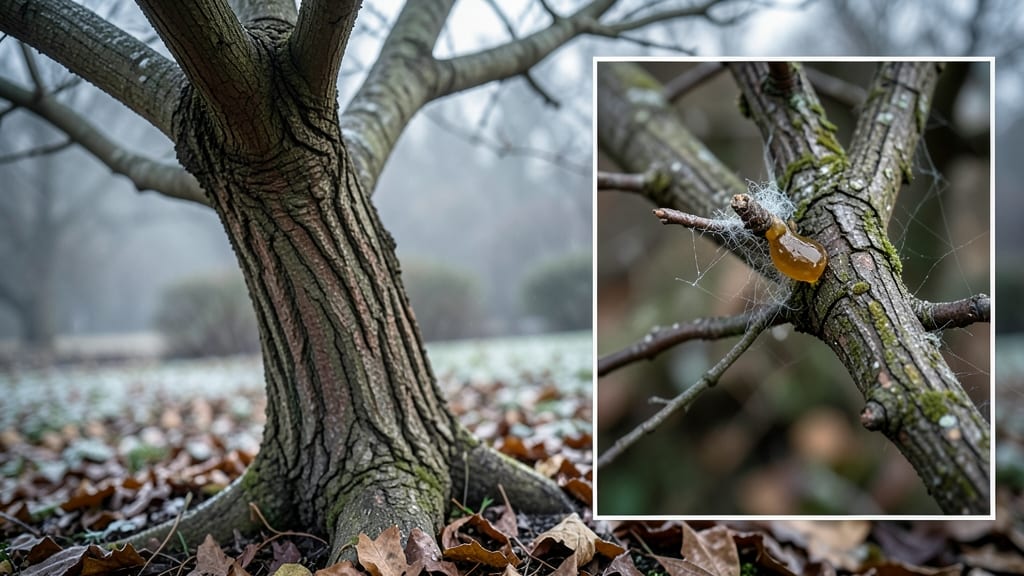
Winter can be brutal for fig trees, especially in colder climates. These 10 essential steps will help you protect your tree, prune strategically, and ensure it thrives when spring arrives—whether you're a novice gardener or an experienced grower.
Identify Your Fig Tree Variety for Pruning Needs
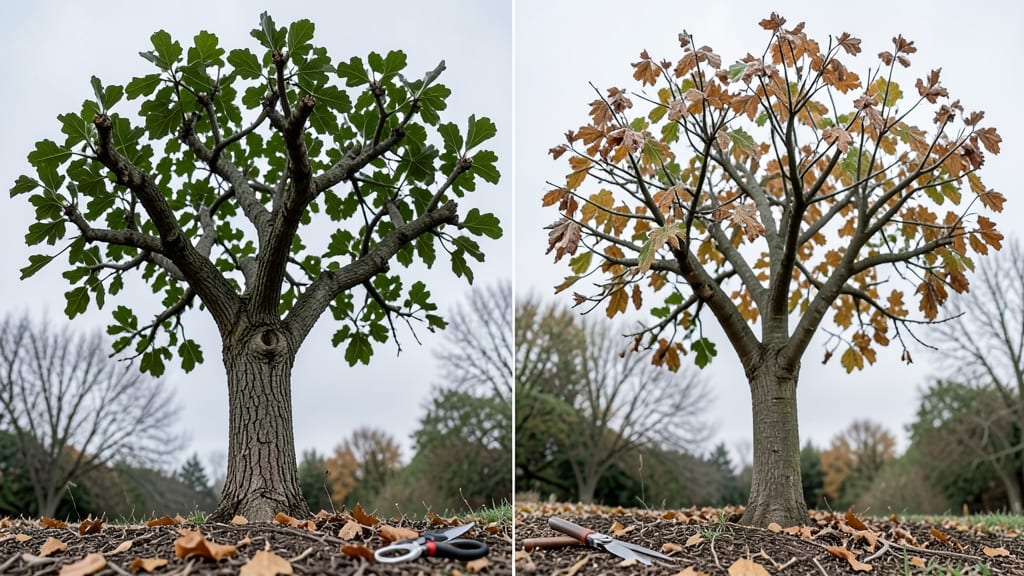
Not all fig trees handle winter pruning the same way—cold-hardy varieties like Chicago Hardy or Brown Turkey can take aggressive cuts, while Mediterranean types (like Celeste or Brown Turkey) may need gentler pruning to avoid dieback. Before grabbing your shears, identify your tree’s type to avoid over-pruning or leaving it vulnerable to frost damage.
Cold-hardy figs can tolerate hard pruning in late winter to remove dead wood and shape the tree, while tender varieties need minimal trimming before winter to avoid stress. Look for clues: cold-hardy types often have smaller, darker leaves and thicker branches. If you’re unsure, check your tree’s label or consult a local nursery—this small step prevents costly mistakes.
Knowing your variety ensures you prune just enough to encourage strong regrowth in spring without risking winter damage. Beginners especially benefit from this first step—it’s the foundation for all other winter prep! 🌱
When to Prune Fig Trees Before Winter
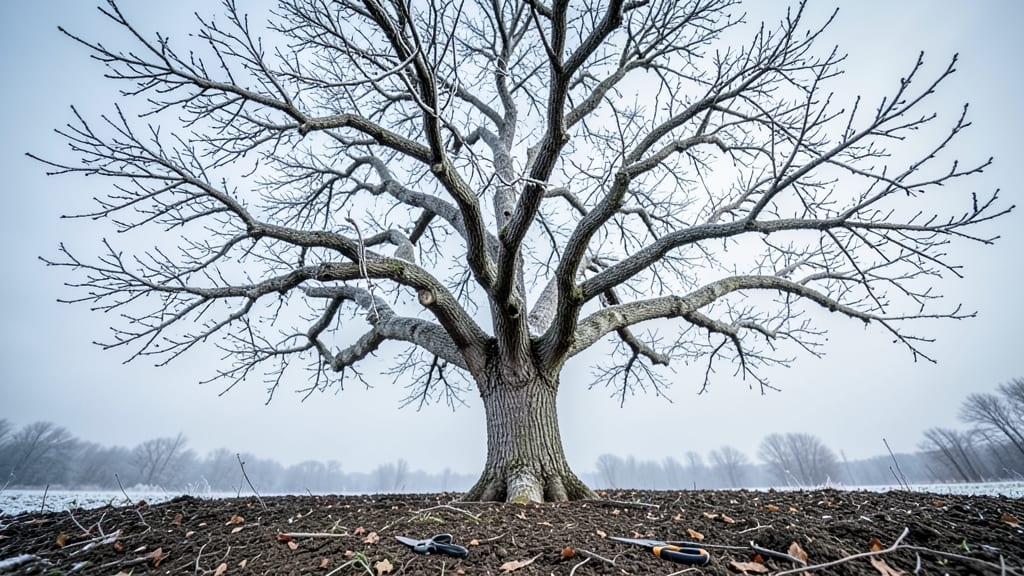
Timing your fig tree’s winter prune can mean the difference between a revived tree and one struggling to bounce back in spring. The key window is after the first hard frost—when temperatures dip below freezing but before the ground locks up solid. This timing prevents disease spread while allowing the tree to heal before dormancy.
Look for golden-brown leaves and a light frost on the branches as your cue. Use sterilized pruners to cut back dead or weak growth, focusing on branches thinner than a pencil. Avoid heavy pruning—remove no more than 20-30% of the canopy to avoid stressing the tree. This approach balances winter protection with spring vigor.
Gardeners in USDA Zones 7-9 will find this timing especially critical, as fig trees here face the most frost risk. By pruning now, you’re not just tidying up—you’re setting the stage for healthier buds and earlier fruit next season. 🌟
How to Prune for Air Circulation and Light
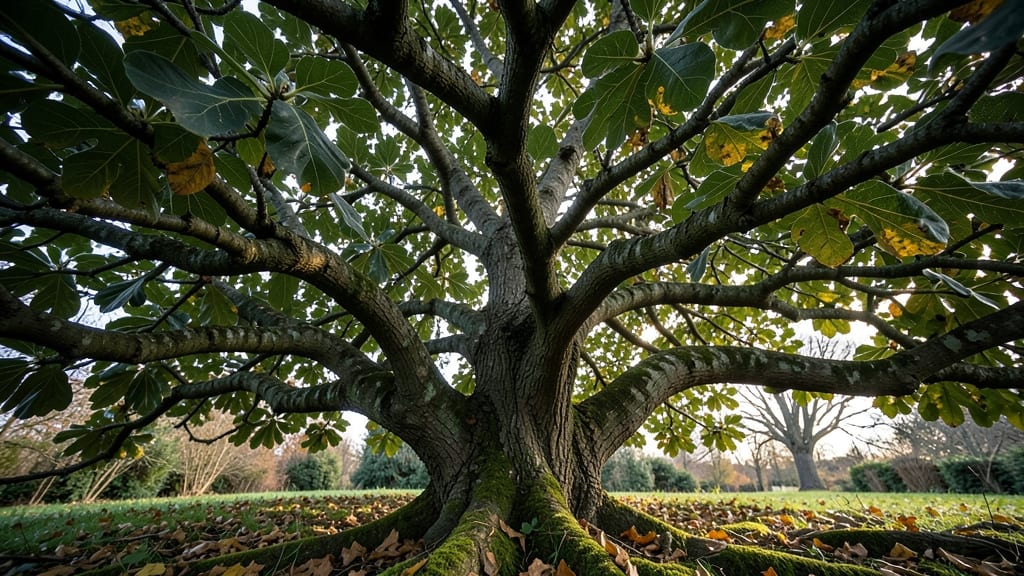
Fig trees with thick, tangled canopies trap moisture and block sunlight—perfect conditions for fungal diseases like powdery mildew during winter dormancy. The solution? Strategic pruning to create an open, airy structure that lets light and air circulate freely.
Start by removing crossing branches and those growing inward toward the center of the tree. Aim to thin the canopy by 20-30% to improve airflow without over-pruning. Use sharp, sterilized pruners to make clean cuts just above outward-facing buds. Focus on the outer third of the tree to maintain its natural shape while maximizing sunlight exposure for the remaining foliage.
This method is especially valuable for young fig trees or those in humid climates, where stagnant air and damp leaves create ideal conditions for disease. A well-pruned tree enters dormancy healthier and rebounds faster in spring. 🌟
Removing Dead or Diseased Branches First
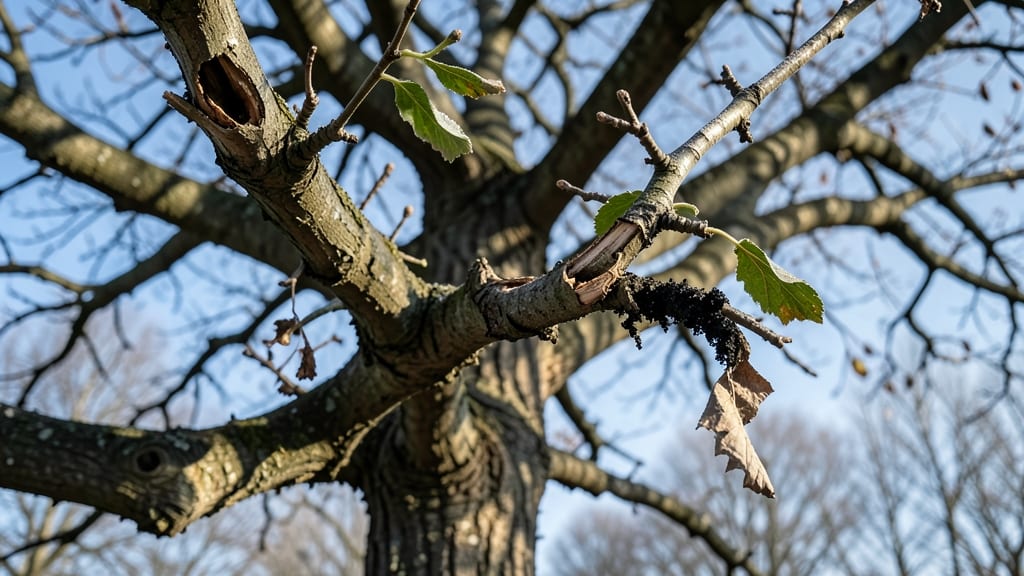
Before you tackle any other pruning tasks, focus on removing dead, cracked, or diseased branches—this is your first line of defense against winter pests and fungal spread. These compromised branches act like open doors for insects and pathogens, allowing them to hide out through the cold months and strike harder in spring.
Use sharp, sterilized pruners to cut back to the nearest healthy growth, making sure to remove any blackened, mushy, or oozing tissue. Dispose of these branches in sealed bags, not your compost pile, to prevent reinfection. This step alone can reduce up to 80% of potential wintertime pest pressure on your fig tree.
This simple task is especially critical for gardeners in mild-winter climates where pests remain active year-round. A few minutes spent now can save your tree from a springtime battle. 💚
Protecting the Tree Trunk from Frost Cracks
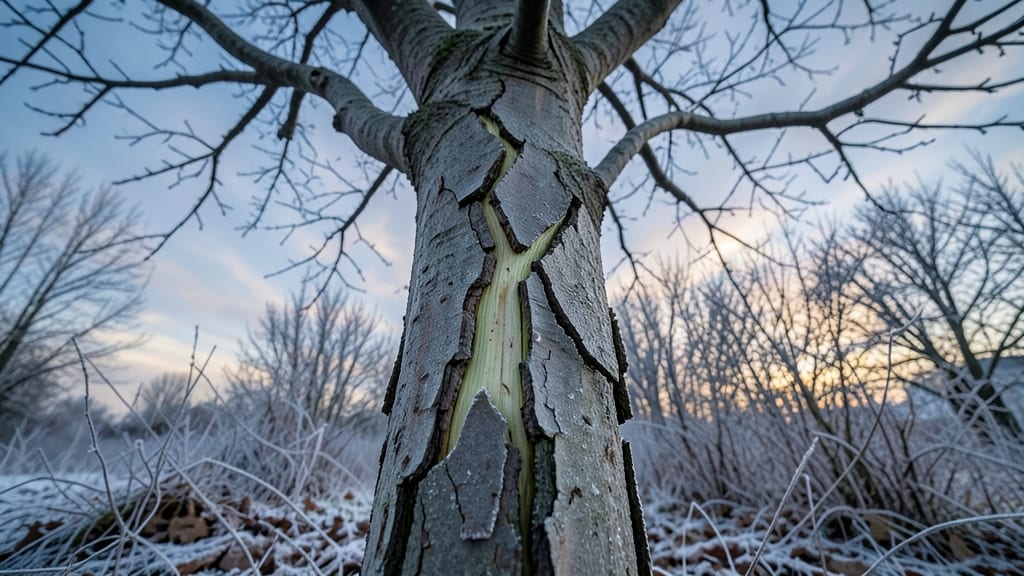
Young fig trees often bear the brunt of winter’s harshest damage—not from freezing roots, but from frost cracks that split their trunks during rapid temperature swings. These jagged wounds create entry points for pests and diseases, weakening the tree’s structure before spring even arrives.
To shield your tree, wrap the trunk with burlap or tree wrap (available at garden centers) starting in late fall. Secure it loosely—tight wraps can girdle the bark—and leave the base uncovered to prevent moisture buprupt. This simple barrier moderates temperature fluctuations, reducing the risk of cracks by up to 70% in extreme climates.
This step is especially critical for gardeners in USDA Zones 7-9, where winter temperatures can plummet overnight. Even cold-hardy varieties like Chicago Hardy benefit from this protection, ensuring they bounce back stronger in spring. 🌟
Mulching the Base for Insulation and Moisture
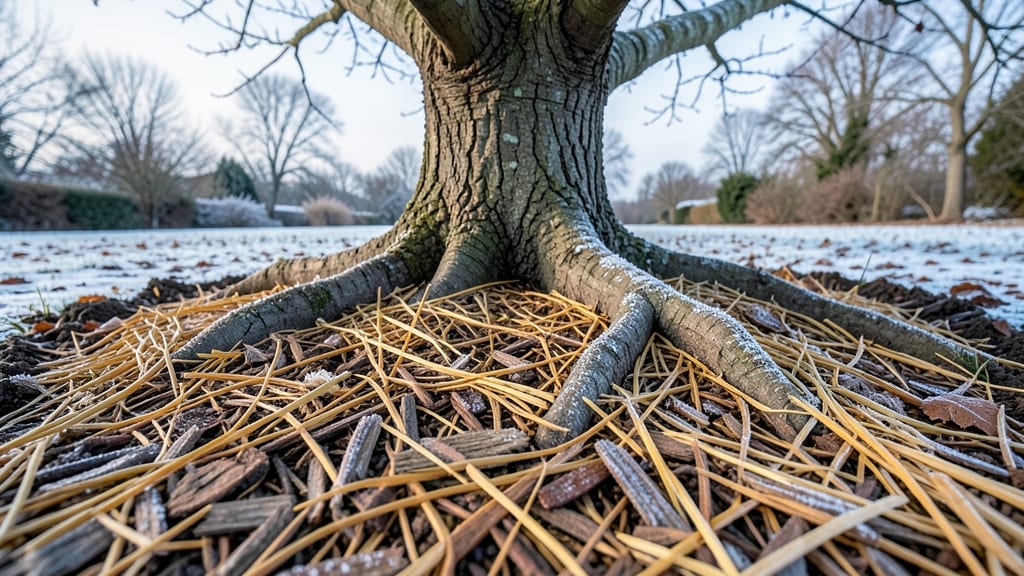
Cold winters can turn your fig tree’s roots into a frozen, brittle mess—but a simple mulch layer acts like a cozy blanket, shielding roots from freezing temperatures while keeping soil moisture steady for spring awakening.
Apply a 4-6 inch layer of organic mulch (straw or wood chips) around the base of your fig tree, keeping it 2-3 inches away from the trunk to prevent rot. This thickness mimics the tree’s natural Mediterranean climate, where roots stay insulated and hydrated. For extra protection in harsh zones, top with a layer of leaves or pine needles before winter sets in.
This step is especially valuable for gardeners in USDA zones 7-9, where temperature swings can stress fig trees. Mulching now means your tree will bounce back faster in spring with stronger root systems. 🌱
Using Frost Cloths for Young or Tender Trees
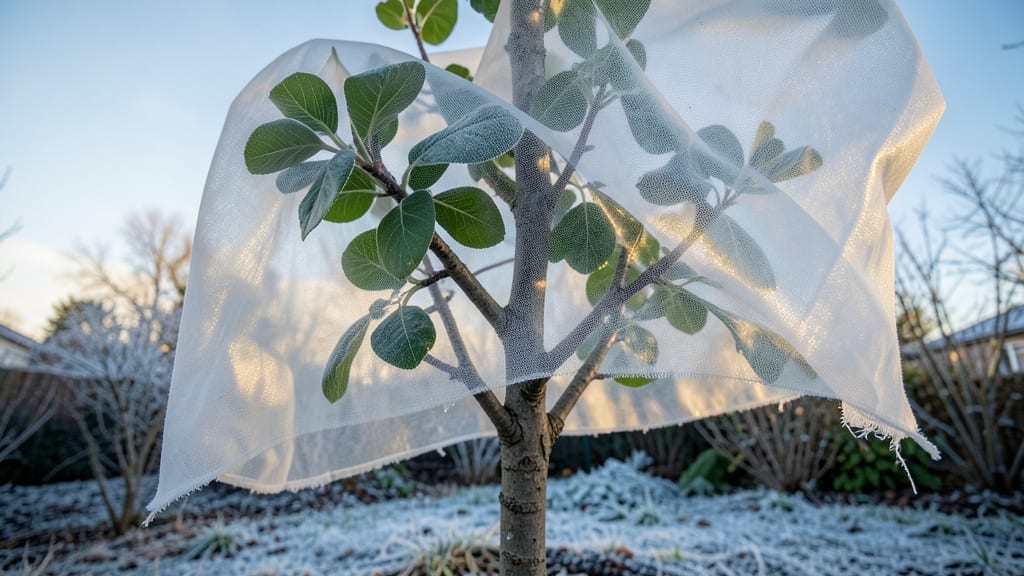
Sudden cold snaps can devastate young fig trees, but frost cloths act like a cozy blanket, trapping warmth and creating a microclimate that shields tender leaves from damage. This lightweight, breathable fabric lets sunlight filter through while protecting against temperatures as low as 15°F.
Drape the cloth loosely over the tree—don’t press it tight—securing it with stakes or bricks to allow airflow. For extra protection in marginal climates, layer it with mulch at the base. Remove it on mild winter days to prevent overheating, and always store it dry between seasons. This simple step can mean the difference between a frost-killed tree and one that greens up early in spring.
Gardeners in USDA Zones 7-9 will love this trick, as it extends the growing season and gives young trees a fighting chance against unpredictable winter weather. 🌱
Container-Grown Fig Trees Need Extra Care
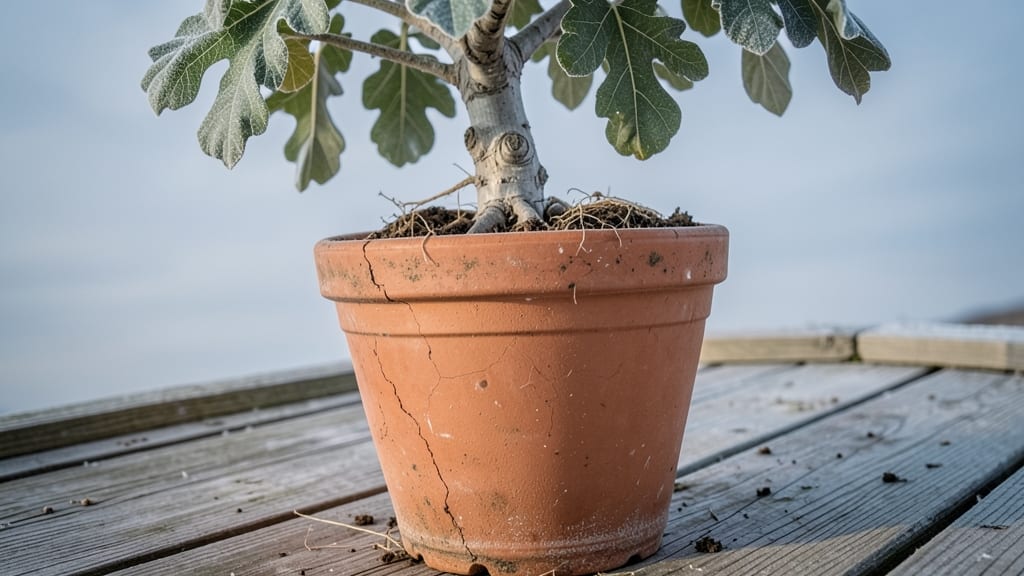
If your fig tree lives in a container, winter brings extra challenges—potted plants freeze faster than in-ground ones, and their roots are far more vulnerable to cold damage. Unlike their planted counterparts, container-grown figs can’t draw warmth from the earth, making them three times more susceptible to winter stress.
Start by relocating your potted fig to a sheltered spot—like a garage, porch, or against a south-facing wall—before temperatures drop below 20°F. Wrap the container in bubble wrap or foam insulation to shield roots from freezing, and avoid watering until spring to prevent soggy soil that worsens cold damage. Urban gardeners and balcony growers will find this especially critical, as city microclimates can swing from warm days to frigid nights.
This simple prep work ensures your fig tree survives winter and bounces back stronger in spring. 💡
Fertilizing Lightly in Early Fall for Spring Growth
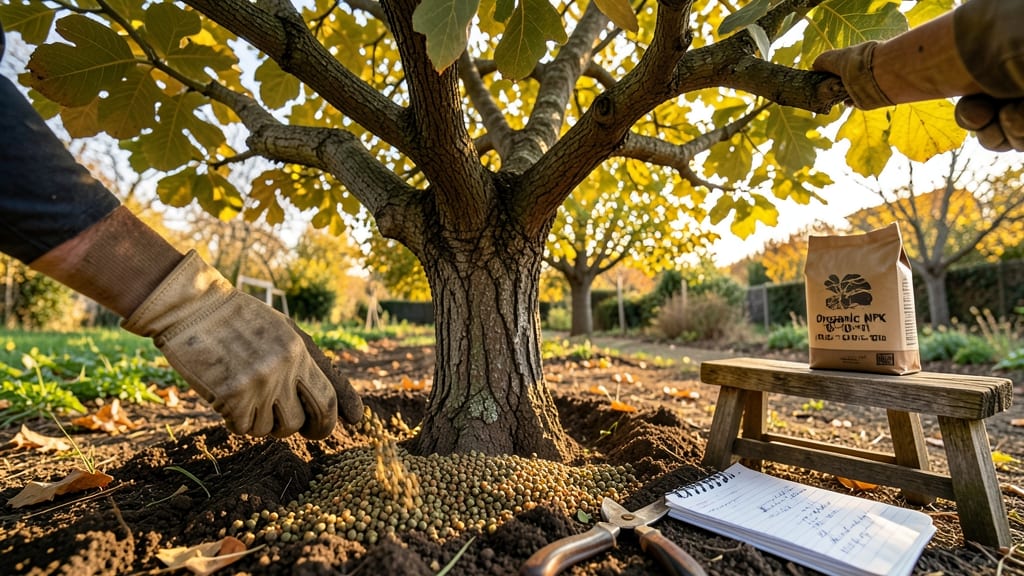
Think of early fall as your fig tree’s chance to stock up for winter—without the risk of late-season growth that frost can damage. A light application of balanced, slow-release fertilizer now gives roots the nutrients they need to strengthen, while avoiding the pitfalls of encouraging tender new shoots that won’t survive cold snaps.
Use a 10-10-10 or 5-10-10 NPK ratio fertilizer (like a general-purpose granular formula) and scatter it evenly around the drip line—about 6 inches from the trunk. Water it in thoroughly so the granules dissolve and reach the roots. This timing, around late September to early October, ensures nutrients are absorbed before the tree enters dormancy but avoids stimulating growth too close to frost.
This step is especially valuable for gardeners in USDA zones 7-9, where winters are chilly but not extreme. It’s a low-effort way to set your fig tree up for a stronger spring comeback without the guesswork. 🌱
Monitoring for Pests and Diseases Over Winter

Winter dormancy doesn’t mean your fig tree is pest-free—overwintering pests like scale insects or fungal spores can still thrive in bark crevices and leaf litter. Even if your tree looks dormant, hidden threats could weaken it before spring growth begins.
Inspect branches monthly for sticky sap (aphid honeydew), cracked bark (hiding borers), or dark spots (early fungal signs). Use a magnifying glass to check leaf axils and under buds. For infestations, apply dormant oil sprays in late winter—this targets pests without harming the tree.
This step is especially critical for young trees or those in mild-winter zones where pests remain active. A little winter vigilance now means fewer headaches—and more fruit—next season. 🌟