
Pruning
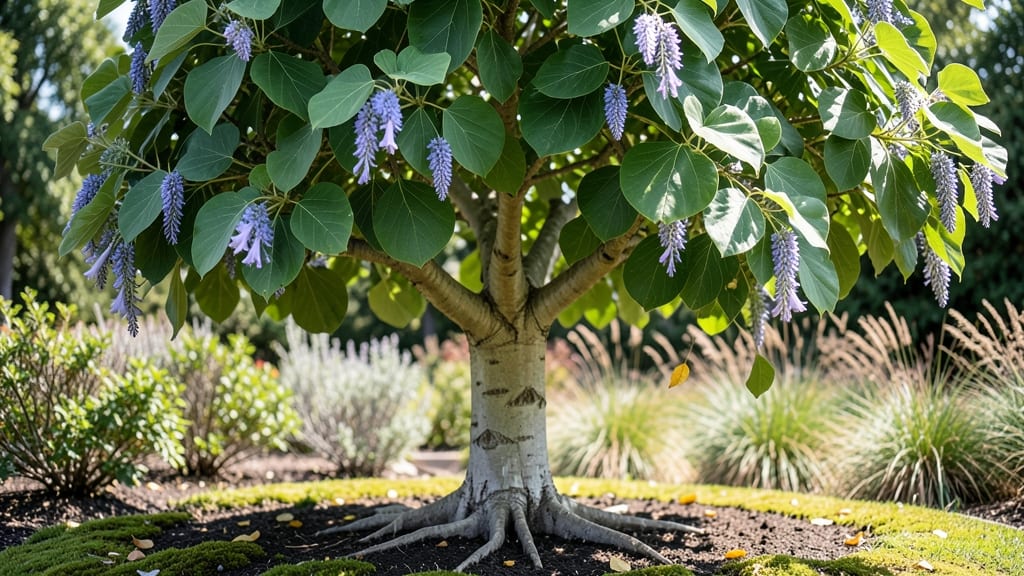
Your princess tree could grace your landscape for 60+ years with the right care—though many gardeners never realize its full lifespan. 🌿 I’ve watched mine grow from a sapling to a towering shade provider, and the secret isn’t just patience; it’s understanding how climate, soil, and seasonal maintenance shape its longevity.
Princess trees (Paulownia tomentosa) thrive in zones 5-9, but their lifespan hinges on well-draining soil and protection from late frosts. Unlike fast-growing poplars that self-prune, princess trees need annual pruning to remove dead branches and maintain structure—skipping this step shortens their lifespan by decades.
With proper care, you’ll see smooth, silvery bark and glossy leaves even in winter, proving this tree’s staying power. The key is balancing growth with maintenance: prune in late winter, mulch in spring, and watch it reward you with century-worthy elegance.
Compared to willows or silver maples, princess trees age gracefully—if you avoid overwatering or neglecting their roots. Here’s how to keep yours thriving for generations.
📚 In This Guide
- What you need
- Instructions
- Tips and common mistakes
- Wrapping up and next steps
What you need
- ● Pruning shears – Sharp, bypass-style (for clean cuts on small branches). Quantity: 1 pair
- ● Loppers – For thicker branches (1–2 inches in diameter). Quantity: 1 pair
- ● Pruning saw – Heavy-duty, for branches over 2 inches. Quantity: 1
- ● Gloves – Heavy-duty work gloves (to protect from thorns and sap). Quantity: 1 pair
- ● Disinfectant (70% isopropyl alcohol or bleach solution) – To sterilize tools between cuts. Quantity: Small bottle
- ● Rake or leaf blower – For clearing fallen leaves (Princess Trees shed a lot!). Quantity: 1
- ● Mulch (wood chips or pine straw) – 2–3 inches deep to retain moisture. Quantity: 5–10 cubic feet
- ● Balanced fertilizer (10-10-10 or 20-20-20) – Slow-release formula for long-term growth. Quantity: 1–2 lbs per tree
- ● Watering can or hose with nozzle – For deep watering (1–2 inches per week). Quantity: 1
- ● Tree wound dressing – For sealing large pruning cuts (controversial but useful for fast healing). Quantity: Small tube
- ● Soil moisture meter – To check root zone hydration (especially in drought-prone areas). Quantity: 1
- ● Pest control spray (neem oil or horticultural oil) – For aphids or spider mites. Quantity: Small spray bottle
- ● Staking kit (if young tree) – For support during establishment. Quantity: 2–3 stakes + ties
Instructions: maximizing your princess tree's decades-long lifespan
Here's how to nurture this elegant tree through every growth stage—from sapling to mature beauty.
🌱 Step 1: Establish Proper Planting Conditions for Long-Term Health
The princess tree (Paulownia tomentosa) thrives when planted in well-draining soil with a slightly acidic to neutral pH (6.1-7.5). I always dig a hole twice as wide as the root ball but only as deep as the container's base—planting too deep suffocates the roots. The tree's extensive root system needs room to spread, so avoid compacted clay soils.
Work in 2-3 inches of compost into the native soil before planting to improve drainage and fertility. Princess trees hate soggy roots, so if your site has poor drainage, consider planting on a 6-inch mound of amended soil. You'll see the first sign of proper drainage when the soil surface stays crumbly rather than forming a hard crust after watering.
☀️ Step 2: Provide Optimal Sunlight and Seasonal Care
Princess trees need full sun (6+ hours daily) for best growth and flowering, but they tolerate partial shade (4-6 hours) in hot climates. I've seen them thrive in USDA Zones 5-9, but in colder zones, plant near a south-facing wall for winter protection. The tree's signature heart-shaped leaves will develop deeper color and larger size when given maximum sunlight.
During the first two growing seasons, water deeply once a week (or more in extreme heat) to encourage deep root development. After establishment, princess trees are drought-tolerant once mature, but young trees benefit from 2-3 inches of water per week. You'll know the watering is right when the top 2 inches of soil feel dry between waterings.
✂️ Step 3: Prune Strategically to Maintain Structure and Longevity
Prune in late winter or early spring before new growth begins to avoid disturbing nesting birds. Remove dead, diseased, or crossing branches first, then shape the tree by thinning out 10-20% of the canopy to improve air circulation. Princess trees grow rapidly—up to 3 feet per year—so regular pruning prevents overcrowding.
Never remove more than 25% of the canopy in a single year, as this stresses the tree. The goal is to maintain an open, vase-like shape that allows light to reach all branches. You'll see the tree's natural beauty emerge when the branches form a graceful, rounded silhouette.
🪴 Step 4: Protect Against Pests and Diseases for Decades of Growth
Princess trees are generally pest-resistant, but aphids and scale insects can appear on new growth. I treat infestations with neem oil spray in early spring before leaves emerge. The tree's fast growth often outpaces minor damage, but monitor for yellowing leaves or sticky residue on branches—early signs of pests.
Fungal diseases like powdery mildew can occur in humid climates. Improve airflow by pruning densely packed branches and avoid overhead watering. If mildew appears, apply a fungicide containing sulfur and remove heavily infected leaves. A healthy princess tree should show vibrant green foliage with no persistent discoloration.
⏰ Step 5: Winter Care for Cold-Climate Survival
In Zones 5-6, young princess trees need winter protection for the first 3-5 years. Wrap the trunk with burlap or tree guard to prevent rodent damage and apply 3-4 inches of mulch around the base to insulate roots. Mature trees handle winter well, but a thin layer of mulch still helps retain moisture.
Princess trees are cold-hardy to -15°F, but young specimens may need frost cloth during extreme cold snaps. You'll see the first signs of winter stress as brown leaf edges or cracked bark—address this by providing even moisture before dormancy and avoiding heavy pruning in late fall.
Tips & tricks for maximizing your princess tree's lifespan
Here's what nobody tells you about keeping your princess tree thriving for decades.
Soil Preparation Secret: Before planting, test your soil's drainage by digging a hole and filling it with water. If it takes more than 6 hours to drain completely, you'll need to amend with sand or create that 6-inch mound mentioned in Step 1. I've seen princess trees fail spectacularly in heavy clay—don't let that be you. The key is that crumbly soil texture after watering, not just the numbers.
Sunlight Strategy: While 6+ hours of sun is ideal, princess trees in hot climates (like Zones 8-9) actually appreciate afternoon shade during peak summer months. I've noticed the trees in my neighborhood with morning sun and afternoon shade develop the most vibrant foliage without leaf scorch. This is especially important during those first two growing seasons when roots are establishing.
Pruning Technique: When thinning that 10-20% of the canopy in Step 3, focus on removing branches that grow straight up or downward—they create weak points. The goal is to create a natural vase shape where branches spread outward like a graceful fountain. I always prune just above a leaf bud or branch collar to prevent damage to the main branch. This technique prevents those unsightly stubs that can harbor pests.
Winter Protection Hack: For young trees in Zones 5-6, I've found that wrapping the trunk with burlap isn't just about rodents—it also protects against sunscald in winter. The alternating freeze-thaw cycles can damage bark if it's exposed to direct sunlight during cold days. Apply the mulch in late fall after the first hard frost, and remove it in early spring before new growth begins to avoid suffocating the roots.
Pro Tips for Princess Tree Lifespan
- Here's what nobody tells you about keeping your princess tree thriving for decades.
- Soil Preparation Secret: Before planting, test your soil's drainage by digging a hole and filling it with water.
- Sunlight Strategy: While 6+ hours of sun is ideal, princess trees in hot climates (like Zones 8-9) actually appreciate afternoon shade during peak summer months.
Frequently asked questions
Got questions about keeping your princess tree thriving for decades? Here are answers to the most common concerns—so you can enjoy its stunning blooms and lush foliage for years to come!
How long does a princess tree (Paulownia tomentosa) typically live?
A healthy princess tree can live 50–100 years or more with proper care! While some trees reach maturity in 15–20 years, their lifespan depends on soil quality, pruning, and climate. In ideal conditions, they can even outlive their owners—so think long-term when planting!
When is the best time to prune a princess tree to extend its lifespan?
Prune in late winter or early spring (before new growth starts) to remove dead or weak branches. Avoid heavy pruning in fall, as it can stress the tree. Focus on thinning out crowded limbs to improve airflow and sunlight penetration—key for longevity!
Why is my princess tree dying? Common signs and fixes.
Watch for yellowing leaves, wilting, or sparse blooms—often caused by overwatering, poor drainage, or pests like spider mites. Improve soil with compost, ensure well-draining soil, and inspect leaves regularly. If roots are waterlogged, amend the soil with sand or gravel.
Can a princess tree survive in cold climates? What’s the hardiness zone?
Princess trees thrive in USDA zones 5–9, but young trees may need winter protection (like burlap wraps) in colder zones. Mature trees handle frost well, but avoid planting in windy areas—they’re sensitive to cold, drying winds. Mulch the base in winter for extra insulation!
Are there alternatives to princess trees for long-lived shade and beauty?
If you love the princess tree’s grace but need hardier options, consider:
- Japanese maple (Acer palmatum) – Lifespan: 50+ years, great for small spaces.
- Southern magnolia (Magnolia grandiflora) – Lifespan: 50–100+ years, fragrant blooms.
- Ginkgo tree (Ginkgo biloba) – Lifespan: 1,000+ years (yes, really!), drought-tolerant.
Wrapping up and next steps
The princess tree (Paulownia) is a stunning, long-lived addition to any landscape—with proper care, it can thrive for decades, offering year-round beauty and minimal fuss. 🌿 By mastering pruning techniques, soil health, and seasonal adjustments, you’re not just extending its lifespan but also ensuring vibrant blooms and lush foliage.
Whether you're a seasoned gardener or just starting, every small effort compounds into a legacy of grace.
Ready to nurture your princess tree? Start with a quick health check—inspect its branches, adjust your pruning schedule, and give it that extra love it deserves! Your future self (and your tree) will thank you. 🌟