
Trees
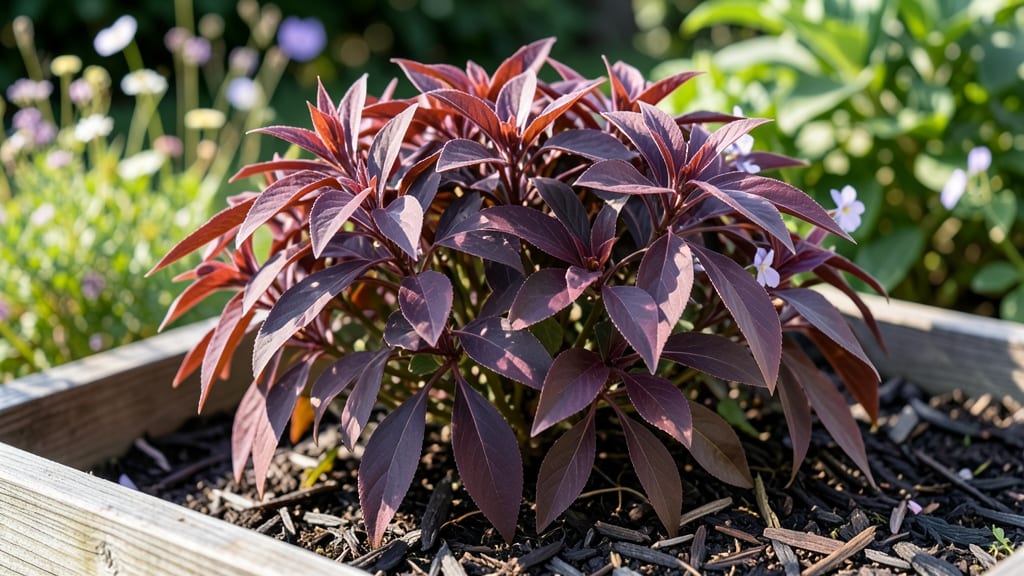
That deep purple heart tree foliage turns heads all year—no seasonal fade, just bold red-purple leaves that glow like a sunset. 🌿 I planted mine last spring, and the neighbors still ask what "magic" I used.
The secret isn’t complicated: it’s all about the right spot, soil, and a little patience to watch those striking leaves unfurl. This tree thrives in full sun (6+ hours daily) and well-draining soil, making it perfect for hot, dry climates.
Mine’s in a southeast-facing border, and the leaves stay vibrant even in summer’s peak heat. Water it deeply but infrequently—once established, it’s drought-tolerant, which saves time and water. By late summer, you’ll see clusters of tiny purple flowers adding another layer of color.
The foliage stays rich through winter, though it may lighten slightly in cold snaps. Prune in late winter to shape it or remove dead growth—just avoid heavy cuts, or you’ll sacrifice next year’s bold color.
Works as a privacy screen, specimen plant, or border, and it’s deer-resistant, which is a bonus where I live. Here’s how to keep those leaves looking their best all season long.
Leaf Color Secrets Unlocked
The vibrant purple-red leaves of the Purple Heart tree (Lagerstroemia indica) aren’t just a seasonal spectacle—they’re the result of a fascinating mix of genetics, sunlight chemistry, and environmental cues.
Let’s break down why these leaves turn bold and stay that way, even as other trees fade to green or brown.
The Purple Heart tree’s signature hue starts with its anthocyanin-rich DNA. Anthocyanins are water-soluble pigments that give fruits, flowers, and leaves their deep reds, purples, and blues. Unlike chlorophyll (which dominates in green leaves), anthocyanins thrive in high-light, low-chlorophyll conditions, creating that striking contrast.
Key factors in this genetic trait:
- Hybrid vigor: Many Purple Heart cultivars are bred to maximize anthocyanin production, ensuring leaves stay vibrant year-round.
- Slow chlorophyll breakdown: The tree’s metabolism preserves anthocyanins longer than typical deciduous trees, preventing premature fading.
- Seasonal adaptation: In cooler climates, the tree’s genes trigger anthocyanin production as a protective response to UV stress and cold snaps.
Pro Tip: 🌱 If your Purple Heart’s leaves are dulling, check for nutrient deficiencies (like low nitrogen or magnesium), which can dilute anthocyanin intensity.
Sunlight isn’t just a light source—it’s the director of your tree’s color palette. Purple Heart leaves love full sun because:
- Photosynthesis boost: Bright light accelerates chlorophyll production and anthocyanin synthesis, creating a double-color effect.
- Stress-induced beauty: Intense sunlight triggers oxidative stress in leaves, prompting the tree to produce more anthocyanins as a natural sunscreen.
- Seasonal shifts: Shorter winter days with lower UVB rays can enhance purple hues, while summer’s harsh glare may bleach them slightly.
Actionable Tip: 🌞 For deeper colors, plant your Purple Heart in a spot with 6+ hours of direct sun daily. If shade is unavoidable, supplement with a balanced fertilizer (like 10-10-10) to support pigment production.
Cold weather doesn’t kill the color—it supercharges it. Purple Heart trees often glow brighter in autumn and winter because:
Warning: ❄️ If your tree is in a warmer climate (Zone 10+), it may lose some color in mild winters. To compensate, prune lightly in late winter to encourage new growth with stronger pigments. Even the most genetically vibrant tree needs the right care inputs to keep its leaves popping. Purple Heart trees are drought-tolerant but not drought-proof—here’s how water and nutrients affect color:
Quick Fix: 💡 For a color boost, apply a low-nitrogen, high-phosphorus fertilizer (like 5-10-5) in early spring before new growth emerges. By understanding these science-backed triggers, you can preserve—or even enhance—your Purple Heart’s show-stopping foliage. Next up: How to Keep Those Leaves Bold All Year.
Nutrient
Role in Color
Signs of Deficiency
Nitrogen (N)
Supports overall leaf health; indirectly boosts anthocyanin production.
Yellowing leaves (chlorosis).
Phosphorus (P)
Enhances flower and leaf pigmentation.
Purple stems, slow growth.
Potassium (K)
Strengthens cellular membranes, helping anthocyanins stay vibrant.
Brown leaf edges, weak stems.
Magnesium (Mg)
Critical for chlorophyll and anthocyanin synthesis.
Interveinal yellowing (like a "limeade" effect).
Revitalize Your Tree’s Vibrant Foliage
If your purple heart tree’s leaves are losing their signature bold hue or showing signs of distress, don’t panic—there are simple, effective ways to restore their lush, deep red glory. Below, we’ll tackle the most common issues with targeted solutions, from quick fixes to long-term care strategies.
Think of this as your tree’s emergency health kit, packed with practical steps to bring back that stunning foliage.
Purple heart trees (Lagerstroemia) thrive when their soil is rich in essential nutrients. If leaves are pale, yellowing, or dull, a nutrient imbalance is likely the culprit.
🔥 Step 1: Test Your Soil
- Grab a soil test kit (available at garden centers) or send a sample to your local cooperative extension service. This will reveal deficiencies in nitrogen, phosphorus, potassium, or micronutrients like iron or magnesium.
- Pro Tip: 💡 Test in early spring before fertilizing—this gives you time to adjust care based on results.
🍳 Step 2: Amend the Soil
- For nitrogen deficiency (pale leaves): Mix in compost or a balanced fertilizer (10-10-10). Purple heart trees love organic matter!
- For yellowing between veins (iron/chlorosis): Sprinkle chelated iron granules around the root zone and water deeply. Repeat every 2–3 months.
- For weak growth (phosphorus/potassium): Use a bone meal or potassium sulfate supplement in late summer to boost root and flower health.
👨🍳 Step 3: Mulch Like a Pro
- Apply a 2–3 inch layer of organic mulch (like pine bark or shredded leaves) around the base, keeping it away from the trunk. This retains moisture, regulates temperature, and slowly releases nutrients.
- ✨ Bonus: Mulch also suppresses weeds, reducing competition for nutrients!
Overwatering or underwatering can turn your purple heart’s leaves into a sad, wilted mess. These trees prefer consistent moisture but hate soggy roots.
🌡️ Step 1: Check the Soil Moisture
- Stick your finger 2 inches into the soil. If it’s dry, it’s time to water. If it’s damp, wait a few more days.
- 🎯 Rule of Thumb: Water deeply 1–2 times per week during dry spells, but adjust for rain or heatwaves.
🔥 Step 2: Improve Drainage
- If your tree’s leaves are yellowing or dropping (signs of root rot), amending the soil with perlite or sand can help. For container-grown trees, ensure pots have drainage holes.
- 💡 Pro Tip: If planting in heavy clay soil, consider a raised bed or mound to prevent waterlogging.
🚰 Step 3: Water Wisely
- Morning watering is best—it reduces evaporation and fungal risks. Avoid overhead sprinkling, which can encourage leaf diseases.
- For established trees, soaker hoses or drip irrigation deliver water directly to the roots without wetting the foliage.
Purple heart trees are generally tough, but pests like scale insects, spider mites, or fungal diseases can dull their leaves and stunt growth. Early action is critical!
🔪 Step 1: Identify the Problem
| Issue | Signs | Solution |
|---|---|---|
| Scale Insects | Sticky residue, white bumps | Spray with neem oil or insecticidal soap |
| Spider Mites | Tiny webs, speckled leaves | Blast off with water, then treat with horticultural oil |
| Powdery Mildew | White powdery coating | Apply baking soda spray (1 tsp/L water) weekly |
| Leaf Spot Fungus | Brown spots with yellow halos | Prune infected leaves, improve airflow |
🌿 Step 2: Prevent Future Outbreaks
- 💡 Keep it clean: Remove fallen leaves and debris where pests/humidity thrive.
- ✨ Boost airflow: Thin out crowded branches to reduce moisture buildup.
- 🌡️ Monitor regularly: Check the undersides of leaves weekly during growing season.
Once your purple heart tree is back in top form, these habits will keep its leaves bold, vibrant, and healthy for years:
- ✅ Prune in late winter/early spring to remove dead wood and encourage new growth.
- ✅ Fertilize lightly in spring with a slow-release, acid-loving plant formula.
- ✅ Watch for stress signs—drooping or curling leaves often mean it’s time to adjust water or shade.
- ✅ Protect from extreme heat—mulch and shade cloth can help in scorching climates.
With these solutions, your purple heart tree will be flaunting its show-stopping red leaves in no time. Remember, consistency is key—whether it’s watering, feeding, or pest control, a little routine care goes a long way! 🌳💜
Frequently asked questions
Why do Purple Heart tree leaves stay red year-round?
The deep purple-red color comes from anthocyanin pigments that thrive in high light and cold conditions. Unlike most trees, Purple Hearts preserve these pigments longer, especially in USDA Zones 7-11. The leaves actually get brighter in winter when chlorophyll production slows down!
Can I grow a Purple Heart tree in a pot?
Yes, but choose a large container (at least 18 inches wide) with drainage holes. Use well-draining potting mix and ensure it gets full sun (6+ hours daily). Container-grown trees may need more frequent watering and winter protection in colder climates.
How fast does a Purple Heart tree grow?
Expect 12-24 inches per year under ideal conditions. Young trees grow faster than mature ones. With proper pruning and care, you can shape it into a small tree (15-20 feet) or keep it as a shrub (6-10 feet) through regular trimming.
Are Purple Heart tree leaves toxic to pets?
No, the foliage is non-toxic to dogs and cats according to ASPCA guidelines. However, some pets may experience mild stomach upset if they eat large quantities. Always monitor your pet around new plants.
When is the best time to prune Purple Heart trees?
Prune in late winter or early spring before new growth begins. Avoid heavy pruning in summer as it can stress the tree. Light shaping pruning can be done anytime, but never prune after mid-summer to prevent winter damage.