
Pests and Diseases
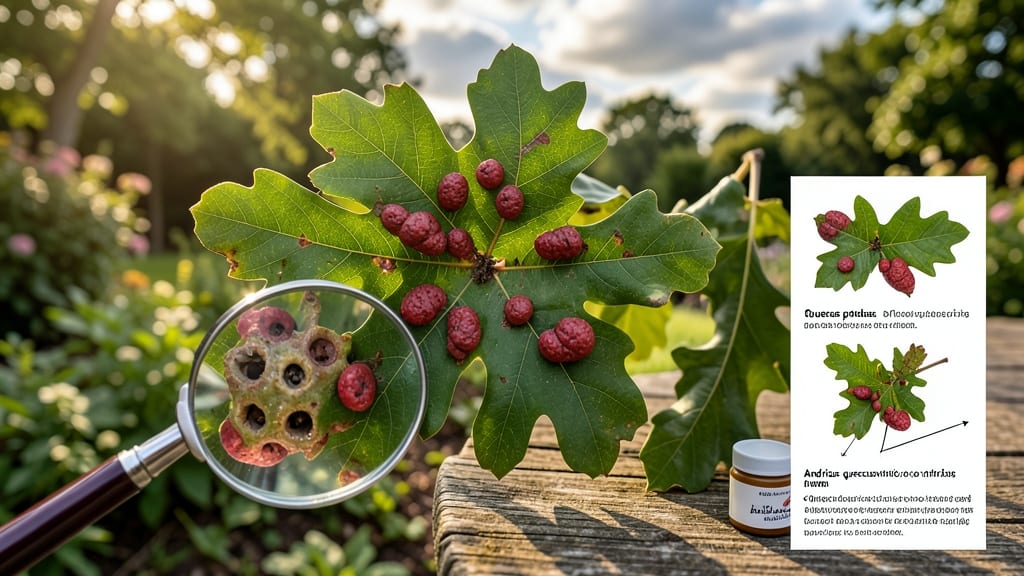
Those red bumps on the tree leaves aren’t just an eyesore—they’re a red flag for fungal rust or mites taking hold. 🌿 I’ve seen this turn into a full-blown infestation when ignored, so let’s diagnose it fast before it spreads.
The key is checking the undersides of leaves and timing your treatment right (before next rain).
Most cases start with cedar-apple rust or oak leaf blister rust, but mites can leave similar crimson specks. Grab a magnifying glass—if the bumps are powdery or clustered, it’s likely fungal.
If leaves yellow first, scale insects might be the culprit. Either way, act within 7-10 days to stop the spread.
You’ll restore your tree’s health with a mix of neem oil spray (for mites) and copper fungicide (for rust), applied on a calm evening. Prune affected branches immediately—they won’t recover, but removing them prevents cross-contamination.
Works for oaks, maples, and fruit trees alike. Here’s how to tell them apart and treat each type correctly.
Root Causes Behind Leaf Spots
Discovering red bumps or spots on your tree leaves can feel like a mystery—especially when you’re not sure what’s causing the damage. The truth is, these unsightly marks usually stem from a mix of environmental stressors, microbial invaders, or even physical trauma.
Below, we break down the most common culprits, backed by science, so you can diagnose the issue and take action.
Fungi are the #1 reason for red bumps on leaves, often appearing as rust-colored pustules, powdery coatings, or scabby lesions. These microscopic organisms thrive in damp, warm conditions and can spread rapidly if left unchecked.
Key fungal culprits include:
- Anthracnose – Causes dark, sunken spots with red or orange margins, often on maple, dogwood, or sycamore leaves. Fungal spores splash onto leaves during rain, germinating in humid conditions.
- Rust Fungi – Produces bright orange-red pustules (spore sacs) on the undersides of leaves. These fungi need two different host plants to complete their life cycle, making them tricky to eradicate.
- Leaf Spot Fungi (e.g., Septoria, Cercospora) – Creates small, circular red or brown spots with concentric rings. These fungi overwinter in fallen leaves or plant debris, reinfecting in spring.
💡 Pro Tip: Fungal spores spread via wind, water, or tools. Always sterilize pruners with 70% isopropyl alcohol between cuts to prevent cross-contamination.
Not all red bumps are fungal—some are the result of sap-sucking insects that pierce leaves, leaving behind tiny red or brown marks. These pests weaken trees by feeding on cell sap, triggering a defensive response that appears as discoloration or raised bumps.
Common insect offenders:
- Spider Mites – Tiny arachnids that create stippled red or yellow speckling on leaves. They thrive in dry, hot conditions and produce fine webbing.
- Leafhoppers & Aphids – Leave behind small, red, or blackened spots where their mouthparts pierce leaf tissue. Heavy infestations can cause leaf curling or wilting.
- Scale Insects – These armored pests secrete a waxy coating, often appearing as bumpy, crusty red or brown patches. They excrete honeydew, which attracts sooty mold.
🔥 Quick Fix: Blast pests off leaves with a strong stream of water or use insecticidal soap (mix 1 tbsp mild soap + 1 quart water) for light infestations.
Sometimes, red bumps aren’t caused by pathogens or pests—they’re a physical reaction to stress. Extreme heat, intense sunlight, or improper watering can damage leaf cells, leading to reddish-brown spots, blisters, or scorch marks.
Environmental triggers:
- Sun Scald – Young, tender leaves exposed to direct afternoon sun (especially after frost or transplanting) develop reddish-brown, crispy patches.
- Water Stress – Overwatering causes root rot, while underwatering leads to leaf edge browning or reddening. Trees like oaks and pines are especially sensitive.
- Cold or Frost Damage – Sudden temperature drops (<32°F) can cause reddish-purple discoloration, often on leaf edges or tips.
🌡️ Prevention Checklist:
- ✅ Mulch around tree bases to regulate soil temperature.
- ✅ Water deeply 1-2 times per week (adjust for drought).
- ✅ Provide afternoon shade for young or sensitive trees.
Mechanical injuries—like hail, wind, or even lawnmower blades—can tear leaf tissue, exposing it to infections or causing reddish-brown bruising. These wounds often appear as irregular, raised bumps or torn edges.
Common physical causes:
- Hail or Wind – Crushed leaves develop reddish-brown spots where cells are ruptured.
- Lawn Equipment – Mower blades or weed whackers can strip bark or shred leaves, leaving behind jagged, discolored areas.
- Animal Chewing – Deer, rabbits, or even squirrels may gnaw on leaves, creating uneven, reddened edges.
🛡️ Protection Tips:
- 🌳 Prune branches to reduce wind exposure.
- 🚜 Use a buffer on lawn tools when trimming near tree bases.
- 🦌 Install physical barriers (e.g., fencing) to deter wildlife.
Now that you know the most likely causes of red bumps on your tree leaves, the next step is diagnosis. Check out our guide to identify the exact issue and treat it effectively before it spreads!
Quick Fixes for Leaf Bumps
Turn those unsightly red bumps into a thing of the past with these targeted solutions. Whether your tree is battling fungal infections, insect infestations, or environmental stress, the right approach can restore its health—fast.
Below, we’ve mapped out practical fixes for the most common causes, along with prevention tips to keep your tree thriving long-term.
Fungal infections like anthracnose, rust, or leaf spot thrive in damp conditions, turning leaves into a red, bumpy mess. Here’s how to tackle them:
🔥 Remove Infected Leaves & Debris
- Step 1: Wear gloves and prune all leaves with red bumps using sterilized shears (wipe with rubbing alcohol).
- Step 2: Bag the clippings and dispose of them in the trash (not compost)—fungi can survive in soil.
- Pro Tip: 💡 If the infection is severe, remove up to 25% of the tree’s canopy to improve airflow and sunlight penetration.
🍳 Apply Fungicide (Organic or Chemical)
- Organic Option: Use a copper-based fungicide (like copper sulfate) or a neem oil spray (1 tsp neem oil + 1 tsp mild soap per quart of water).
Spray early morning or evening to avoid leaf burn. - Chemical Option: For stubborn cases, try propiconazole or myclobutanil (follow label instructions). - Reapply every 7–14 days until new growth appears.
🌡️ Adjust Watering & Improve Drainage
- Water at the base (not overhead) to keep leaves dry.
- Aerate compacted soil with a garden fork to prevent waterlogging.
- Mulch (2–3 inches) with wood chips or straw to regulate moisture.
If mites, aphids, or scale insects are causing bumps, act fast to prevent further damage.
👨🍳 Blast Off Pests with Soap or Oil Sprays
- Insecticidal Soap: Mix 1.5 tbsp mild castile soap + 1 quart water.
Spray directly on infested areas (reapply every 5–7 days). - Horticultural Oil: Use dormant oil (apply in early spring or fall) or neem oil (safe for most trees). Shake well before use! - Pro Tip: 🔥 For heavy infestations, repeat treatments every 3–5 days for 2–3 weeks.
🔪 Introduce Beneficial Predators
- Ladybugs, lacewings, or parasitic wasps eat aphids and mites. Buy them online or attract them with native plants (like dill or fennel).
- Release them at dusk when pests are least active.
🌿 Prune & Monitor Regularly
- Trim heavily infested branches and dispose of them.
- Inspect leaves weekly—catch new bumps early!
If bumps are due to nutrient deficiency, sunburn, or poor soil, focus on long-term care.
📊 Test & Amend the Soil
- Get a soil test (local extension offices often provide free/low-cost kits).
- Add compost or slow-release fertilizer (like 10-10-10 NPK) in early spring.
- For iron deficiency (reddish bumps + yellowing): Use chelated iron or Epsom salt (1 tbsp per gallon of water).
🌿 Provide Shade & Mulch
- If sunburn is the culprit, prune nearby structures or add light shade cloth during peak sun hours.
- Mulch with pine straw or cedar chips to retain moisture and regulate temperature.
✨ Water Deeply & Less Often
- Deep watering (1–2 inches per week) encourages strong root growth.
- Avoid wetting leaves to prevent fungal hitchhikers.
- Spring Cleanup: Remove all fallen leaves and debris before new growth starts.
- Proper Spacing: Plant trees far enough apart (follow species guidelines) for airflow.
- Regular Pruning: Thin out crowded branches to reduce humidity pockets.
- Monitor Year-Round: Check leaves monthly for early signs of stress or pests.
Remember: Most leaf bumps respond well to early intervention. Start with removal + fungicide/oil sprays, then adjust care habits for lasting results. Your tree will thank you with lush, bump-free foliage in no time! 🌳✨
Frequently asked questions
Are red bumps on tree leaves always harmful?
Not always—some red bumps are harmless, like the galls caused by gall wasps on oak trees. These are usually small, rounded bumps that don’t spread and won’t kill the tree. However, if the bumps are spreading rapidly, oozing sap, or covered in powdery residue, they’re likely harmful and need treatment.
How can I tell if red bumps are fungal vs. insect-related?
Check the leaf underside—fungal bumps (like rust) often appear as orange-red pustules, while insect damage usually shows tiny specks, webbing, or sticky residue (honeydew). Use a magnifying glass: fungal spots may have concentric rings, while insect damage often has tiny holes or chewed edges.
Will pruning infected leaves help stop the spread?
Yes! Prune all infected leaves immediately and dispose of them in the trash (not compost). Sterilize your shears with rubbing alcohol between cuts to prevent cross-contamination. For severe cases, remove up to 25% of the canopy to improve airflow and sunlight penetration—this helps leaves dry faster and reduces fungal growth.
Can I use household items like vinegar or baking soda to treat red bumps?
Vinegar (1:1 water mix) can help kill some fungal spores when sprayed directly, but it’s not a long-term fix. Baking soda (1 tbsp + 1 tsp oil + 1 gallon water) may reduce fungal growth, but it won’t eliminate established infections. For best results, use copper fungicide or neem oil instead—they’re more effective and safer for the tree.
When should I call a professional arborist?
Call an arborist if the bumps cover more than 50% of the leaves, the tree is dropping leaves prematurely, or you suspect disease in valuable or mature trees. Also seek help if DIY treatments fail after 3–4 weeks—some fungal infections (like cedar-apple rust) require specialized care to prevent spread to nearby trees.