
Blooming
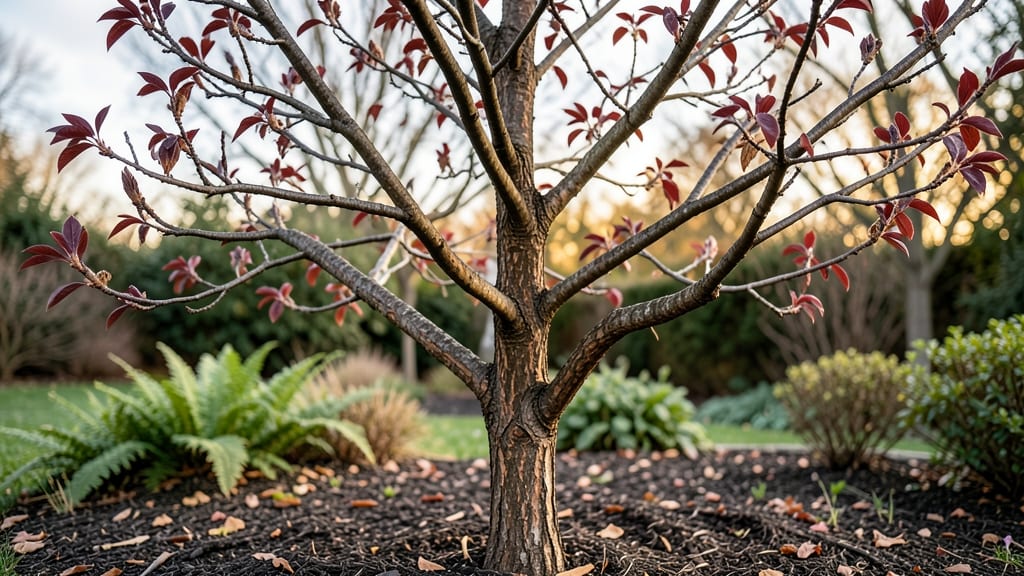
Your redbud tree after bloom is still hard at work—now’s the time to give it the care it needs to shine next spring. ✨ I’ve learned the hard way that skipping post-bloom care means fewer flowers next year—and maybe even a leggy, sparse tree.
The key is timing: prune after leaves drop but before new growth starts, and you’ll trigger bushier branches and more vibrant blooms for seasons to come.
First, grab your pruners and focus on 3 key cuts: remove dead or crossing branches, thin out crowded stems to improve airflow, and trim back any suckers at the base.
Redbuds bloom on old wood, so avoid heavy pruning—just shape gently. A light feeding with 10-10-10 fertilizer in early spring will give roots the boost they need for next year’s show.
Watch for pests like aphids or Japanese beetles—they love tender new growth. A strong spray of water usually does the trick, but keep an eye out for holes in leaves or sticky residue.
Mulch around the base to retain moisture and suppress weeds, and you’ll see fresh green foliage by summer, setting the stage for next spring’s blooms.
This isn’t just about keeping your tree alive—it’s about turning it into the showstopper of your landscape. With the right care, your redbud will reward you with thicker branches, healthier leaves, and even more dramatic pink cascades year after year. Let’s get to it!
📚 In This Guide
- What you need
- Instructions
- Tips and common mistakes
- Wrapping up and next steps
What you need
- ● Bypass pruning shears – Sharp, clean, and disinfected (7- to 10-inch blades for small branches).
- ● Loppers – For thicker branches (18- to 24-inch handles, 1.5-inch cutting capacity).
- ● Pruning saw – For branches thicker than 2 inches (bow or folding saw with fine teeth).
- ● Garden gloves – Heavy-duty, cut-resistant (e.g., Mechanix Wear or Felco brand).
- ● Disinfectant solution – 70% isopropyl alcohol or a 10% bleach solution (1 part bleach to 9 parts water).
- ● Rubbing alcohol or bleach wipes – For quick tool sanitization between cuts.
- ○ Pruning sealant – Optional but helpful for large cuts (e.g., Tanglefoot Tree Wound Pruning Seal).
- ● Ladder or step stool – Sturdy, with a non-slip base (if tree exceeds 6 feet).
- ● Trash bags or bucket – For collecting pruned branches (10–20 gallons, depending on size).
- ● Permanent marker – For labeling branches if doing layered pruning.
- ● Hand pruners with ratcheting mechanism – Reduces hand fatigue for extensive pruning.
- ● Extension pole saw – For high branches (20–30 feet reach).
- ● Work apron with pockets – Keeps tools and wipes handy.
- ● Camera or phone – To document the tree’s shape before/after pruning.
- ● Compost bin – For recycling small pruned branches (if not diseased).
Step-by-step guide to pruning your redbud tree after bloom
Here's how I transform a single-season showstopper into a lush, repeat-blooming beauty year after year.
✂️ Step 1: Wait Until After Full Bloom
Don't prune until after all blooms have faded and new leaf growth appears. This ensures you're not cutting off next year's flower buds, which form on last year's growth. I mark my calendar for late May or early June in most climates—this gives the tree time to set buds for next spring.
Look for dropped pink petals and fresh green leaves as your signal. Pruning too early risks removing flower buds, while waiting too long can encourage excessive new growth that won't harden off before winter.
✂️ Step 2: Remove Dead or Crossing Branches First
Start by cutting out any dead, diseased, or crossing branches using clean, sharp pruners. I make my first cuts at a 45-degree angle just outside the branch collar—the swollen area where the branch meets the trunk. This prevents water from pooling and rotting the wound.
For crossing branches, remove the one growing more upright to maintain an open canopy. Thin out crowded branches by one-third to improve airflow and sunlight penetration. You'll see the tree's natural shape emerge as you work.
✂️ Step 3: Thin Out Overcrowded Areas
Next, focus on thinning overcrowded branches to create space between limbs. Aim to reduce branch density by 20-30% total. I look for branches that are growing inward or rubbing against others—these are prime candidates for removal.
Make cuts just above an outward-facing bud or lateral branch. This encourages new growth in the right direction. Avoid cutting back to stubs—always leave a small collar. You'll notice the tree's structure becomes more balanced and open.
✂️ Step 4: Shape for Better Bloom Display
Now it's time to shape the tree for next year's blooms. Redbuds naturally have a vase-like shape, so I focus on maintaining that form. Remove any suckers growing from the base and any branches growing straight up from the trunk.
For larger branches, I use the three-cut method to avoid bark tearing. First, make an undercut, then a top cut, and finally remove the branch. Limit cuts to no more than 25% of the tree's canopy in one season to avoid stress. You'll see the tree's natural beauty shine through with proper shaping.
🌿 Step 5: Clean Up and Monitor Growth
After pruning, clean your tools with rubbing alcohol to prevent disease spread. Remove all pruned branches and debris from the area. I always water the tree thoroughly after pruning to help it recover.
Monitor the tree's new growth over the next few weeks. Healthy new leaves should appear within 2-3 weeks. If you see any signs of stress like wilting or yellowing, reduce watering slightly. With proper care, your redbud will reward you with even more spectacular blooms next spring.
Tips & tricks for perfect redbud tree pruning after bloom
Here's what nobody tells you about turning your redbud into a blooming machine year after year.
Timing is Everything: The late May to early June window isn't just a suggestion—it's when your tree's flower buds for next spring are already forming. I've seen too many gardeners cut back too early and end up with sparse blooms the following year. That's why I always check for dropped pink petals and fresh green leaves before touching my pruners. This timing ensures you're not accidentally removing next year's showstopper flowers.
The 25% Rule: Never remove more than 25% of your tree's canopy in one season, no matter how tempting it is to give your redbud a dramatic makeover. I learned this the hard way after over-pruning and watching my tree struggle for two years to recover. The tree needs its foliage to photosynthesize and build energy for next year's blooms. Think of it as giving your redbud a spa day—gentle care leads to long-term beauty.
Branch Collar Matters: That swollen area where branches meet the trunk isn't just there for decoration—it's the tree's natural healing mechanism. When you make your cuts just outside this collar at a 45-degree angle, you're helping the wound seal properly. I've seen too many pruning jobs where cuts were made too close, leading to slow healing and potential disease entry points. This simple technique makes all the difference in your tree's long-term health.
Monitoring Growth: Those first 2-3 weeks after pruning are critical for spotting any stress signs. I always check my trees for new leaf growth within this timeframe—it's the best indicator that everything is healing properly. If you notice wilting or yellowing, it's a sign to back off on watering slightly. Your redbud is tougher than you think, but it does need time to adjust after such a major transformation.
Pro Tips for Redbud Tree After Bloom
- Here's what nobody tells you about turning your redbud into a blooming machine year after year.
- Timing is Everything: The late May to early June window isn't just a suggestion—it's when your tree's flower buds for next spring are already forming.
- The 25% Rule: Never remove more than 25% of your tree's canopy in one season, no matter how tempting it is to give your redbud a dramatic makeover.
Frequently asked questions
Got questions about keeping your redbud tree thriving after those stunning pink blooms fade? You’re not alone! Here are answers to the most common concerns—plus some pro tips to ensure your tree stays healthy and puts on a show year after year.
When is the best time to prune a redbud tree after it blooms?
Prune your redbud tree right after blooming (late spring to early summer) to avoid cutting off next year’s flower buds, which form on old wood. Wait until new growth hardens off (about 4–6 weeks post-bloom) for cleaner cuts and less stress on the tree. Pro tip: Avoid heavy pruning in fall or winter—this tree hates cold-season cuts!
Can I prune too much after the redbud blooms?
Yes! Redbuds are sensitive to over-pruning. Stick to removing no more than 20–30% of the canopy per year. Heavy pruning can stress the tree, reduce blooms, and even invite pests. Focus on shaping and deadwood removal—never hack away at healthy branches. Think “less is more” for long-term health!
Will pruning after bloom affect next year’s flowers?
Not if done correctly! Redbuds bloom on old wood, so pruning after blooming (when buds for next year are already set) won’t harm flowers. Just avoid cutting back flowering branches to stubs—prune just above a healthy bud or lateral branch for the best results.
What should I do if my redbud tree isn’t blooming after pruning?
No blooms? Check these fixes:
- Age: Young trees (under 3–5 years) may not bloom yet—be patient!
- Sunlight: Redbuds need full sun (6+ hours/day). Shady spots = fewer flowers.
- Pruning mistakes: Over-pruning or cutting flowering branches too aggressively can reduce blooms.
- Nutrients: A light spring fertilizer (low-nitrogen, high-phosphorus) can encourage blooming.
If the issue persists, inspect for pests (like spider mites) or disease—both can stress the tree.
Are there alternatives to redbud trees for easy-care blooms?
If redbuds seem high-maintenance, try these low-fuss, repeat-blooming alternatives:
- Eastern Redbud’s cousin: Cercis canadensis ‘Forest Pansy’ (deep purple leaves + pink blooms).
- Japanese Tree Lilac: Syringa reticulata—fragrant, drought-tolerant, and blooms later in summer.
- Serviceberry: Amelanchier spp.—white blooms, edible berries, and fall color.
- Dwarf Lilac: Syringa meyeri—compact, cold-hardy, and blooms reliably.
All thrive with minimal pruning and offer seasonal interest beyond just spring blooms!
Wrapping up and next steps
Your redbud tree’s post-bloom care doesn’t have to be complicated—just strategic! With the right pruning techniques, you’ll encourage vibrant, repeat blooms and a lush, healthy canopy for years to come.
Remember, timing, tools, and technique are your best friends, so don’t hesitate to roll up your sleeves and give your tree the TLC it deserves.
Ready to transform your redbud into a showstopper? Grab your pruners and start planning your next pruning session—your tree (and future spring blooms!) will thank you! 🌸✂️