
Pruning
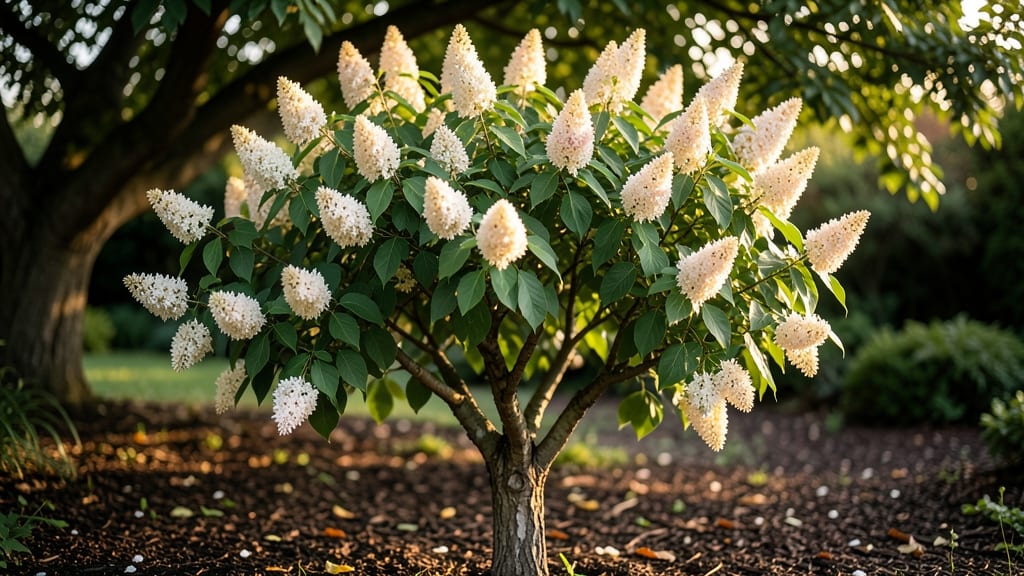
Pruning your Summer Snow Japanese Tree Lilac can transform it from a once-a-year bloomer into a year-round showstopper. ✨ I’ve watched this fragrant beauty go from a single burst of spring flowers to a cascading cloud of white blooms that last from early summer through fall—all thanks to a few strategic cuts at the right time.
The secret lies in when you prune, not just how. Most gardeners make the mistake of trimming after the flowers fade, but that’s when you’re actually cutting off next year’s blooms.
Instead, wait until late winter or early spring when the plant is still dormant but before new growth appears. This ensures you’re shaping the structure without sacrificing future flowers.
With the right timing, you’ll see longer branches, more abundant blooms, and a fuller, bushier shape. The fragrance alone—like a summer breeze trapped in petals—makes it worth the effort.
Plus, the pruning process is simpler than you’d think, and I’ll walk you through it step by step so you can avoid common pitfalls.
Whether you’re dealing with a mature specimen or a young sapling, these techniques work for any size. The key is patience: your lilac will thank you with months of effortless beauty and a garden that smells like a Japanese countryside in full bloom.
📚 In This Guide
- What you need
- Instructions
- Tips and common mistakes
- Wrapping up and next steps
What you need
- ● Pruning shears: Bypass pruners (sharp, clean, and capable of cutting ¼-inch stems). Quantity: 1 pair.
- ● Loppers: For thicker branches (½-inch to 1-inch diameter). Quantity: 1 pair.
- ○ Hand pruners: For fine-tuning smaller cuts. Quantity: 1 pair (optional but helpful).
- ● Disinfectant: 70% isopropyl alcohol or a pruning sealant (to prevent disease spread).
- ● Gloves: Heavy-duty gardening gloves (to protect from thorns and sap).
- ● Pruning saw: Only if dealing with very thick branches (1-inch+ diameter). Quantity: 1.
- ○ Bucket or bag: For collecting pruned branches (optional but tidy!).
- ● Ladder or step stool: If your lilac is tall (6–10 feet).
- ● Rake: For clearing fallen debris post-pruning.
- ● Plant food: Balanced 10-10-10 fertilizer or compost to nourish after pruning.
- ● Mulch: Organic mulch (e.g., shredded bark) to retain moisture.
- ● Notebook & pen: To jot down pruning notes (e.g., branch locations, bloom timing).
How to prune summer Snow Japanese tree lilac for year-round blooms
Here's my go-to pruning method to keep your Summer Snow Japanese Tree Lilac flowering beautifully all year.
✂️ Step 1: Prune Immediately After Spring Blooming
Wait until 4-6 weeks after the spring bloom cycle—when the flowers have fully faded but before new buds form. This timing is critical because Summer Snow lilacs bloom on both old and new wood, so cutting too early removes potential summer blooms. Look for spent flower clusters that have turned brown and dried completely.
Use clean, sharp pruning shears to cut back stems to just above a set of healthy leaves or buds. I like to make my cuts at a 45-degree angle about ¼ inch above the bud. This encourages new growth while maintaining the tree's natural shape. Remove any crossing or rubbing branches at the same time—these create weak spots where disease can enter.
☀️ Step 2: Light Summer Pruning for Airflow and Shape
During the growing season, do a quick 10-minute check every 4-6 weeks to remove any dead, diseased, or damaged branches. Summer Snow lilacs respond well to gradual shaping, so avoid heavy pruning during this time. Focus on thinning out the center to improve airflow—this prevents fungal issues and keeps the tree healthier overall.
If you notice any branches growing toward the center of the tree, trim them back to an outward-facing bud. You'll see the tree's natural growth pattern emerge as you make these small adjustments. Never remove more than 25% of the tree's foliage in any single summer session—this can stress the plant and reduce flowering.
⏰ Step 3: Late-Summer Renewal Pruning for Fall Blooms
In late summer, about 6-8 weeks before your first expected frost, do a final pruning to encourage fall blooms and prepare for winter. Remove any weak or spindly growth that developed during the season. These branches won't produce strong blooms and can detract from the tree's overall appearance.
Cut back any overly long branches by about ⅓ of their length to promote bushier growth. Make your cuts just above a leaf bud that faces outward. This final pruning session helps the tree harden off for winter while still allowing time for new growth to establish before cold weather arrives.
✂️ Step 4: Winter Pruning for Structure and Next Year's Blooms
Winter is the best time for structural pruning when the tree is dormant. Wait until late winter, just before new growth begins—usually 2-3 weeks before your last frost date. This timing ensures you're not cutting back growth that could have produced spring blooms.
Focus on removing any dead wood first—these branches won't regrow and only take up space. Then shape the tree by cutting back any branches that are growing in undesirable directions. Make your cuts at the branch collar where the branch meets the trunk. Avoid leaving stubs, as these can invite disease. After pruning, clean up all fallen debris to reduce pest and disease risks in your garden.
Tips & tricks for perfect summer Snow Japanese tree lilac pruning
Here's what nobody tells you about keeping your Summer Snow Japanese Tree Lilac blooming like clockwork.
Timing is Everything: The 4-6 week window after spring blooming is non-negotiable. I learned this the hard way after missing a season—look for completely browned flower clusters that crumble easily when touched. This visual cue means it's safe to prune without risking summer blooms. Mark your calendar for the exact date each year to avoid confusion.
The 45-Degree Angle Secret: When making cuts in Step 1, that quarter-inch above the bud matters more than you'd think. The angled cut helps water run off properly, preventing rot at the cut site. I use a small piece of tape on my shears marked at 1/4 inch to ensure consistency—this small detail makes all the difference in recovery time.
Summer Maintenance Hack: Those 10-minute checks every 4-6 weeks add up to big results. I set a phone reminder labeled "Lilac Check" during growing season. Focus on removing branches growing inward first—they're the ones that cause the most problems with airflow and disease. Think of it like giving your tree a spa treatment every month.
Winter Prep Insight: The 2-3 weeks before last frost timing is crucial for winter pruning. I check my local frost date calendar and count backward to schedule my pruning. Removing dead wood first creates space for new growth, while shaping cuts at the branch collar (not leaving stubs) prevents disease entry points. This final pruning sets up your tree for next year's spectacular spring display.
Pro Tips for Summer Snow Japanese Tree Lilac
- Here's what nobody tells you about keeping your Summer Snow Japanese Tree Lilac blooming like clockwork.
- Timing is Everything: The 4-6 week window after spring blooming is non-negotiable.
- The 45-Degree Angle Secret: When making cuts in Step 1, that quarter-inch above the bud matters more than you'd think.
Frequently asked questions
Got questions about pruning your Summer Snow Japanese Tree Lilac to keep those stunning blooms coming year-round? You’re not alone! Here are some of the most common queries—and their answers—to help you master the art of strategic cuts.
When is the best time to prune my Summer Snow Japanese Tree Lilac for summer blooms?
The ideal window is right after flowering in late spring or early summer (May–June). This timing ensures you don’t cut off next year’s blooms while still shaping the plant for a fuller, healthier growth cycle. Avoid pruning in fall or winter—it can stress the plant and reduce spring vigor.
How much can I trim back my Summer Snow Japanese Tree Lilac without harming it?
You can safely remove up to one-third of the plant’s height or width in a single session. Focus on dead, crossing, or overcrowded branches first, then thin out older wood to encourage new growth. Avoid heavy pruning every year—opt for light maintenance cuts to maintain shape and health.
Why isn’t my Summer Snow Japanese Tree Lilac blooming as much after pruning?
If blooms are sparse, check these common culprits:
- Pruning too late: Late summer/fall cuts remove next year’s flower buds.
- Over-pruning: Removing too much foliage reduces energy for blooms.
- Poor nutrition: Fertilize with high-phosphorus plant food in early spring.
- Age: Younger plants (under 3 years) may need patience to establish.
Can I prune my Summer Snow Japanese Tree Lilac the same way as regular lilacs?
Not quite! While both are lilacs, Summer Snow blooms on new wood, so you can prune more aggressively without worrying about next year’s flowers. Regular lilacs (like common lilacs) bloom on old wood, so prune them right after flowering but avoid heavy cuts. Always check your plant’s tags!
What should I do if my pruned branches look sad or wilted afterward?
Don’t panic—wilting is normal! Hydrate the plant deeply after pruning, and avoid fertilizing for 4–6 weeks to reduce stress. If branches turn brown, they’re likely dead—trim them off at the base. For extra care, apply a mulch layer around the base to retain moisture and protect roots.
Wrapping up and next steps
The Japanese Tree Lilac—or summer snow—is a garden treasure that rewards patience and care with stunning, fragrant blooms. By mastering the art of strategic pruning, you can ensure year-round beauty and vibrant growth.
Whether you're a seasoned gardener or just starting, every snip brings you closer to a flourishing, fragrant landscape.
Ready to transform your garden? Grab your tools, plan your next pruning session, and watch your summer snow thrive like never before! 🌸✂️