
Pruning
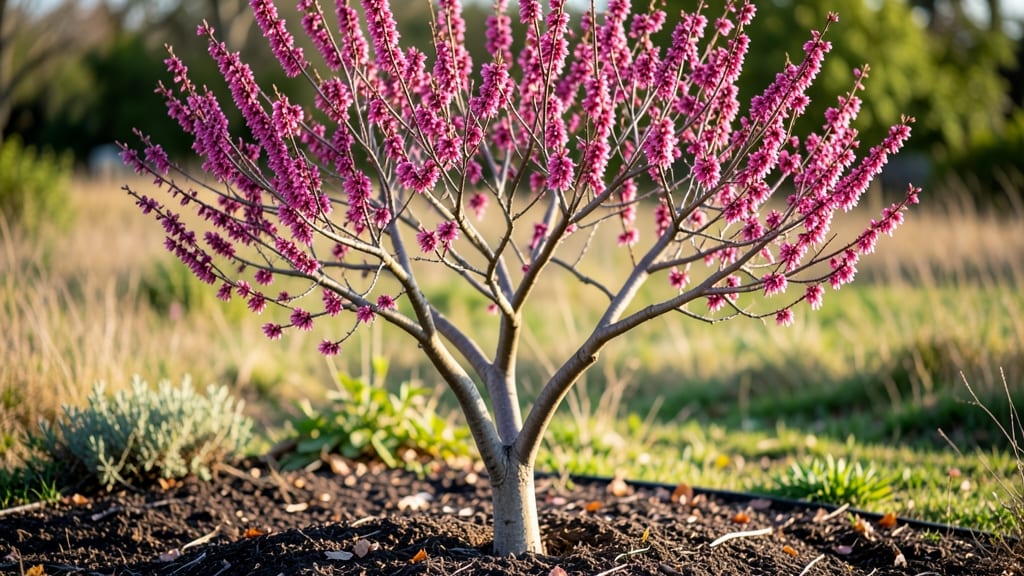
Early spring is the perfect time to prune your redbud tree for next year's showstopping pink blooms—and I've learned the exact cuts that transform a scraggly tree into a springtime masterpiece. 🌸 The key is timing: wait until after the flowers fade but before new growth bursts forth, usually in late March or April depending on your zone.
Those delicate pink flowers aren't the only reason to prune now—they're a sign the tree's energy is shifting. I focus on removing dead wood first, then thinning out crowded branches to let sunlight reach the center.
A sharp pruning saw and a little patience are all you need; no fancy equipment required. The goal is to shape the tree while it's still dormant but ready to rebound. What you'll end up with is a tree that blooms earlier, more abundantly, and for longer each year.
The branches will spread out beautifully, creating that classic weeping form redbuds are known for. Plus, you'll avoid the heartbreak of discovering hidden deadwood later in the season. This method works for both young trees and mature specimens, though older trees may need more aggressive pruning.
The secret is to prune when the tree is just waking up but before it puts too much energy into new growth—typically within 2-4 weeks after flowering.
📚 In This Guide
- What you need
- Instructions
- Tips and common mistakes
- Wrapping up and next steps
What you need
- ● Pruning shears: Bypass pruners (sharp, clean, and disinfected with rubbing alcohol or bleach). Specs: 6-8" blades, ergonomic grip.
- ● Loppers: For thicker branches (½"–1½" diameter). Specs: Long handles (24–36"), bypass or anvil type.
- ● Pruning saw: For branches >1½". Specs: Curved blade, non-serrated teeth for clean cuts.
- ● Gloves: Heavy-duty gardening gloves (cut-resistant, waterproof).
- ● Disinfectant: 1 part bleach to 9 parts water (for sterilizing tools between cuts).
- ● Rag or paper towels: For wiping tools and branches.
- ○ Marking twine or flags: (Optional but helpful) To tag branches for removal.
- ● Hand pruners: Compact pair for small trims (great for tight spaces).
- ● Extension pole: Attach loppers/saws for high branches (10–15 ft reach).
- ● Sealing wax: For large cuts (>2" diameter) to prevent disease entry.
- ● Notebook/pencil: To sketch a pruning plan or note branch directions.
- ● Safety glasses: If working near eyes or in windy conditions.
Step-by-step guide to pruning redbud trees for vibrant spring blooms
Here's the simple method I use every spring to keep my redbuds flowering beautifully year after year.
✂️ Step 1: Time Your Pruning for Optimal Bloom
Prune your redbud tree right after the last frost date but before buds swell—typically late February to early March in most climates. This timing ensures you remove dead wood without cutting off next year's flowers, since redbud blooms appear on old wood. Wait too long, and you'll accidentally trim off flower buds that haven't opened yet.
Look for dormant branches with no signs of swelling buds or new growth. The ideal branch to prune is one that's dead, crossing, or rubbing against another branch. Use sharp pruning shears to make clean cuts at a 45-degree angle just outside the branch collar—the swollen area where the branch meets the trunk.
✂️ Step 2: Remove Dead, Diseased, and Problematic Branches
Start by eliminating any dead or diseased branches—these are easy to spot as they're brown, brittle, or devoid of leaves. Cut these back to the trunk or a healthy lateral branch. Next, remove crossing branches that rub against each other, creating wounds where pests and diseases can enter. You'll also want to prune out weak, spindly growth that doesn't contribute to the tree's structure.
For larger branches over ½ inch thick, make the cut just outside the branch collar to prevent water from pooling and rotting the wound. If a branch is too large for your shears, use a pruning saw instead. Always sterilize your tools with rubbing alcohol between cuts to prevent spreading disease.
☀️ Step 3: Thin the Canopy for Better Airflow and Light
Step back and assess the tree's overall shape. Your goal is to open up the canopy so sunlight can reach the inner branches—this encourages more blooms and healthier foliage. Remove up to 25% of the canopy by selectively trimming branches that are growing inward or blocking light. Focus on the outer third of the tree first, then work your way inward.
Look for branches that are too close together—these compete for sunlight and nutrients. Thin these out by cutting back to the nearest lateral branch or the trunk. Avoid "topping" the tree by cutting back the main leader—this can stunt growth and reduce flowering. Instead, aim for a balanced, open shape that lets light filter through evenly.
⏰ Step 4: Clean Up and Monitor for New Growth
After pruning, rake up and dispose of all debris—this removes potential hiding spots for pests and diseases. Give your tree a light watering if the soil feels dry, but avoid overwatering, which can stress the tree. Now, it's time to watch for new growth—this is your signal that the tree is recovering well.
Within 2-3 weeks, you should see new buds forming along the branches you didn't cut. If you notice yellowing leaves or wilting branches, it could be a sign of over-pruning or stress. In this case, hold off on further cuts and focus on keeping the soil moist and providing shade until the tree stabilizes. Fertilize lightly in early spring with a balanced, slow-release fertilizer to support new growth.
Tips & tricks for perfect redbud tree early spring pruning
These simple yet game-changing tips will help you prune your redbud like a pro and keep those stunning blooms coming back every spring.
Timing is Everything: Don't guess when to prune—check your local frost dates and aim for that narrow window between the last frost and when buds start swelling. I learned this the hard way after accidentally cutting off flower buds that were just about to open! Use a weather app to track frost dates for your specific area, and mark your calendar for late February to early March. If you're unsure, take a closer look at the buds: if they're still tight and haven't started swelling, you're safe to prune.
Tool Prep Makes All the Difference: Before you even touch the tree, sterilize your pruning shears and saw with rubbing alcohol. I keep a small bottle of 70% isopropyl alcohol in my tool bag specifically for this purpose. Clean tools prevent spreading disease from branch to branch. Also, make sure your blades are sharp—dull tools crush branches instead of making clean cuts, which can damage the tree. Test your shears on a small twig before starting; if it doesn't cut cleanly, sharpen your tools first.
Canopy Vision Test: When thinning the canopy in Step 3, step back and squint at the tree. You should be able to see light filtering through the branches. If you can't, you're probably blocking too much sunlight. Remember the 25% rule—never remove more than a quarter of the canopy in one season. I like to think of it as creating a "light tunnel" through the center of the tree. This isn't just about looks; proper light penetration leads to more flowers and healthier foliage throughout the growing season.
Recovery Checklist: After pruning, monitor your tree closely for the first 2-3 weeks. Look for these three signs of healthy recovery: new buds forming on uncut branches, vibrant green leaves appearing, and no yellowing or wilting. If you see yellowing leaves, it might mean you removed too much foliage at once. In that case, provide some afternoon shade and keep the soil consistently moist (but not soggy) to help the tree recover. A light application of balanced fertilizer in early spring can also give your redbud a helpful boost.
Pro Tips for Redbud Tree Early Spring
- These simple yet game-changing tips will help you prune your redbud like a pro and keep those stunning blooms coming back every spring.
- Timing is Everything: Don't guess when to prune—check your local frost dates and aim for that narrow window between the last frost and when buds start swelling.
- Tool Prep Makes All the Difference: Before you even touch the tree, sterilize your pruning shears and saw with rubbing alcohol.
Frequently asked questions
about redbud tree early spring pruning—because even pros need a little clarity! Here are answers to the most common questions to help you master the art of shaping your tree for stunning year-round blooms.When is the absolute best time to prune my redbud tree for early spring blooms?
The ideal window is late winter to early spring, just as buds swell but before leaves emerge (typically February–March in most U.S. zones). This timing ensures you don’t accidentally remove next year’s flower buds—redbuds bloom on old wood! Avoid pruning after blooms fade, as summer cuts can stress the tree.
Can I prune my redbud tree in fall or winter instead? What are the risks?
While light pruning in late fall (after leaves drop) is safe, avoid heavy cuts—dormant season stress increases disease risk (like powdery mildew) and attracts pests. Winter pruning (below 20°F) can damage tender new growth. Stick to early spring for best results, but never prune during active blooming or extreme heat.
My redbud isn’t blooming much—did I prune too aggressively?
Redbuds are light pruners—cutting back more than 20–30% of branches at once can reduce blooms. Focus on removing dead/diseased wood and shaping, not heavy thinning. If blooms are sparse, try fertilizing in early spring (balanced 10-10-10) and ensure it gets 6+ hours of sun.
Are there other trees I can prune similarly for early spring color?
Yes! Try these low-maintenance, early bloomers with similar pruning needs:
- Japanese Maple (prune after blooms, shapes easily)
- Serviceberry (light prune in late winter)
- Dogwood (avoid heavy cuts—blooms on old wood too!)
- Crabapple (prune in summer to prevent silver leaf disease)
I see tiny holes in my redbud leaves—is this from pruning mistakes?
Not directly! Those holes are likely leafminers or Japanese beetles—common pests that love stressed trees. Pruning too late or heavily can weaken the tree, making it more vulnerable. Solution: Spray with neem oil in early spring, or introduce beneficial nematodes for beetles. Healthy pruning = fewer pests!
Pro Tip:
Mark your calendar! Redbuds bloom earlier than most trees—their pink blooms often appear in late winter (as early as January in warm zones). Prune 6–8 weeks before expected bloom time for the best balance of shape and flowers.
Wrapping up and next steps
The redbud tree’s vibrant early spring blooms are a reward for thoughtful care—and pruning is your secret weapon. By following these steps, you’ll encourage healthier growth, stunning flowers, and a tree that thrives year after year.
Now that you’re armed with the when, how, and why of pruning, grab those shears and get ready to give your redbud the love it deserves! 🌸✂️
Your next step? Mark your calendar for late winter or early spring and make that first cut—your future blossoms will thank you!