
Planting
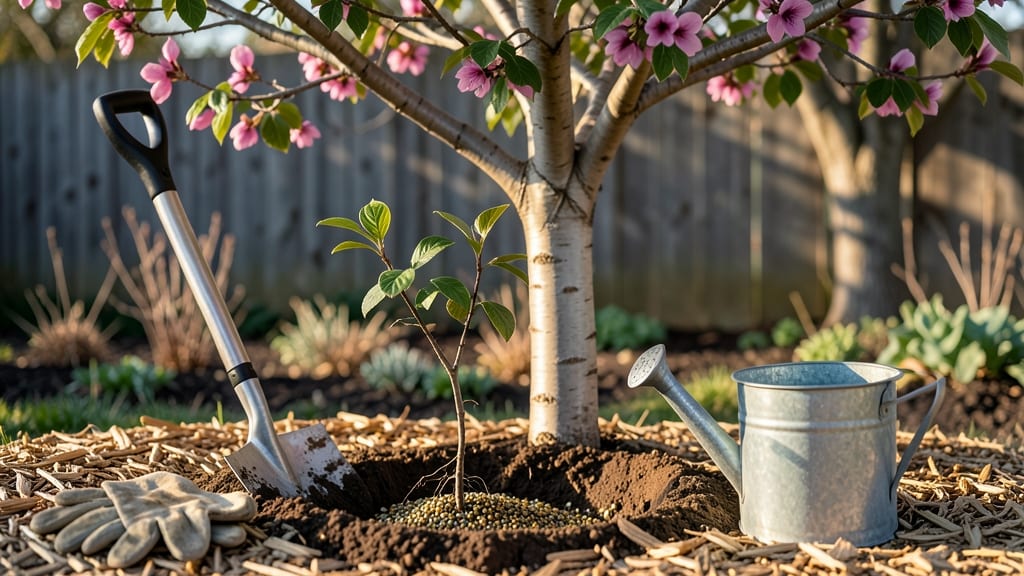
Best time and location for planting redbud trees
The redbud tree (Cercis canadensis) is one of spring's most stunning performers, but timing and placement make all the difference. Planting at the wrong time or in the wrong spot can lead to stunted growth or poor flowering.
I've learned through experience that early spring planting (March-April) gives young redbuds a strong start before summer heat arrives. This timing allows roots to establish while the tree focuses on leaf and bloom production rather than stress.
If you live in warmer climates (USDA Zones 7-9), you can plant in late winter or early spring to avoid summer drought stress. In colder regions (Zones 4-6), wait until after the last frost date (typically mid-April) to prevent frost damage to tender new growth.
I always check my local frost-free date from the USDA Plant Hardiness Zone Map to time my planting perfectly.
| Planting Factor | Ideal Condition | Why It Matters |
|---|---|---|
| Best Planting Months | March-April (Zones 4-6) February-March (Zones 7-9) |
Allows root establishment before summer heat |
| Sunlight Requirements | Full sun (6+ hours) to partial shade | Full sun = vibrant blooms; partial shade = longer foliage life |
| Soil Drainage | Well-draining (avoid waterlogged) | Prevents root rot which kills redbuds |
| Wind Exposure | Sheltered from strong winds | Protects delicate branches and new growth |
| Spacing Needs | 15-20 feet from structures/buildings | Prevents root competition and structural damage |
When selecting a location, prioritize full sun exposure for maximum blooms. Redbuds need at least 6 hours of direct sunlight daily to produce their signature pink spring flowers. However, they tolerate partial shade (especially in hot climates) where they'll still bloom but with slightly fewer flowers.
I planted mine near my south-facing patio where it gets morning sun and afternoon shade from nearby shrubs.
Avoid planting redbuds in low-lying areas where cold air settles, as this can damage tender new growth. The tree's root system is shallow, so choose a spot with well-draining soil to prevent waterlogging.
If your yard has heavy clay soil, consider planting on a slight slope or amending the soil with compost to improve drainage. I've seen redbuds struggle in waterlogged conditions, so proper drainage is non-negotiable.
For urban gardeners, redbuds make excellent small-space trees due to their moderate size (20-30 feet at maturity). Plant them 15-20 feet away from buildings to allow for proper root spread and air circulation.
In smaller yards, consider the dwarf variety ('Forest Pansy') which maxes out at 8-12 feet tall. I've seen these compact redbuds thrive in backyard gardens and even large containers with proper care.
Another critical factor is wind protection. Redbuds have delicate branches that can break in strong winds. Plant yours near a natural windbreak like a fence, building, or group of shrubs. In open areas, consider staking young trees until they establish a strong root system.
My first redbud nearly snapped in a spring storm—a lesson I won't forget when planting new trees!
If you're planting multiple redbuds, space them 15-20 feet apart to allow for mature spread. Redbuds have a round, vase-shaped canopy that benefits from this spacing. For a naturalistic look, plant them in odd-numbered groupings (3, 5, or 7 trees) rather than straight lines.
I created a spring bloom garden by planting redbuds alongside magnolias and dogwoods for sequential color.
Fall planting is possible but requires extra care. If you must plant in late fall, choose a smaller container-grown tree and water thoroughly before the first frost. The roots will establish slightly before dormancy, giving your redbud a head start in spring.
I've had success with fall-planted redbuds in Zone 6, but they need consistent moisture during their first growing season.
Remember that redbuds are fast-growing in ideal conditions but can be slow to establish in poor soil or harsh climates. The key to long-term success is proper planting timing and location. When done right, your redbud will reward you with decades of stunning spring color and minimal maintenance.
With the right spot and care, my redbud has been blooming beautifully for over 10 years—proof that patience and preparation pay off! 🌷
Soil preparation and fertilization tips for healthy redbud growth
Redbud trees (Cercis canadensis) thrive in well-draining, slightly acidic soil with a pH between 6.0 and 7.0. Before planting, I always test my soil to ensure it meets these ideal conditions.
You can use a simple home soil test kit or send a sample to your local cooperative extension service for professional analysis.
If your soil is too clay-heavy or compacted, redbuds will struggle to establish strong roots. Amending the soil with organic matter like compost or aged manure improves drainage and aeration.
I recommend mixing in 2-3 inches of compost into the top 12 inches of soil before planting. This creates a nutrient-rich foundation for your young tree.
⚠️ WARNING: Avoid heavy or waterlogged soils ⚠️
- Raised beds for better drainage
- Sand or grit mixed into clay soil
- Mounding soil around the planting hole
For fertilization, I use a balanced organic fertilizer with an NPK ratio of 10-10-10 applied in early spring after the last frost. A ½ cup per tree is plenty for young redbuds.
Avoid high-nitrogen fertilizers, as they promote leafy growth over flowers, which is the opposite of what we want for these stunning spring bloomers.
Mulching is another game-changer for redbud health. Apply 2-3 inches of mulch (like wood chips or shredded bark) around the base, keeping it 3-4 inches away from the trunk. This helps retain moisture, regulate soil temperature, and suppress weeds. I always replenish mulch annually to maintain its benefits.
In the first year, I monitor my redbud closely for signs of nutrient deficiencies. Yellowing leaves may indicate iron or nitrogen deficiency, while slow growth could signal phosphorus or potassium needs.
If needed, I apply a slow-release organic fertilizer** in late spring to support steady growth without overfeeding.
Remember, redbuds are drought-tolerant once established, but proper soil prep and fertilization in the early years set the stage for decades of vibrant blooms and lush foliage. With the right soil conditions, your redbud will reward you with stunning spring color year after year! 🌷