
Pruning
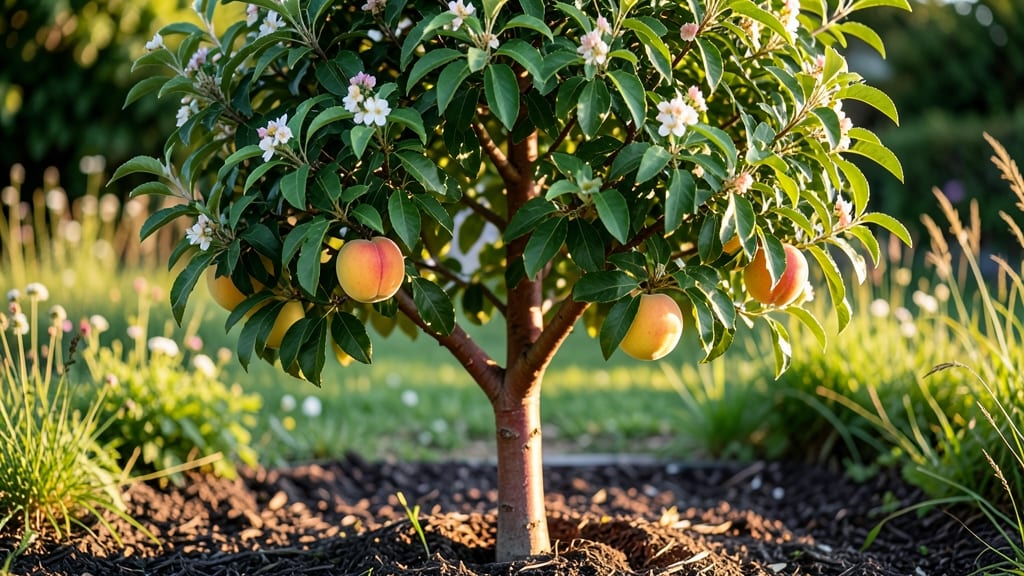
The Reliance peach tree size will stay compact—typically 12-15 feet tall with a spread of 8-10 feet—making it perfect for home gardens where space is limited. 🌳 Unlike standard peach trees that tower over 20 feet, this variety stays manageable without sacrificing fruit production, which means you can plant it closer to your house or patio without worrying about branches overreaching.
The key to keeping it this size lies in pruning during dormancy (late winter) and light shaping in early spring. I’ve found that cutting back 10-15% of the previous year’s growth encourages bushier habits while maintaining airflow—critical for preventing fungal diseases.
Even in small yards, this tree thrives with just 10-12 feet of clearance on all sides, giving you room to walk underneath without bending over. By summer, you’ll see a dense canopy loaded with fruit, but the branches stay sturdy enough to support the harvest without sagging.
The Reliance’s natural growth habit means less aggressive pruning than standard varieties, so it’s low-maintenance yet productive—ideal for gardeners who want peaches without the upkeep of a full-sized tree. For urban or suburban gardens, this size makes it orchard-friendly in small spaces, too.
Just avoid planting near fences or structures where branches might rub and weaken over time. With the right care, your Reliance peach tree will deliver years of sweet, juicy fruit without dominating your landscape.
📚 In This Guide
- What you need
- Instructions
- Tips and common mistakes
- Wrapping up and next steps
What you need
- ● Pruning shears: Bypass pruners with sharp, sterilized blades (for cuts up to ½ inch thick). Example: Felco F-2 or Corona Tools Classic.
- ● Loppers: For thicker branches (½ to 1½ inches). Opt for bypass-style loppers for cleaner cuts.
- ● Hand saw: Pruning saw with a fine-tooth blade for branches 1½+ inches in diameter.
- ● Rubbing alcohol (70%+) or bleach solution: 1 part bleach to 9 parts water (for sterilizing tools between cuts).
- ○ Pruning sealant: Optional but helpful for larger cuts (>1 inch) to prevent disease (e.g., Tanglefoot Tree Wound Pruning Seal).
- ● Gloves: Heavy-duty gardening gloves (to protect from thorns and sap).
- ● Disposable pruning bags: 1-2 bags (for collecting debris and preventing disease spread).
- ● Ladder or step stool: If your tree exceeds 6 feet in height (ensure it’s stable and non-slip!).
- ● Notebook & pencil: To sketch a simple pruning map or note cuts made.
- ● Pole saw: Extendable saw for high branches (if you don’t want a ladder).
- ● Tree wound dressing: Alternative to sealant (e.g., Tree Help Wound Paint).
- ● Safety glasses: Protect your eyes from flying debris.
- ● Hose with spray nozzle: For rinsing tools and cleaning up sap.
- ● Pruning reference guide: A book or app (like iTree Pruner) for visualizing cuts.
Step-by-Step pruning guide for compact Reliance peach tree growth
Here's how to shape your Reliance peach tree for manageable size without sacrificing fruit production.
✂️ Step 1: Time Your First Pruning for Dormant Season
Prune your Reliance peach tree during late winter (just before buds swell) or early spring when the tree is still dormant. This timing prevents disease spread and encourages strong new growth. For young trees, focus on removing dead, crossing, or inward-growing branches first—these compete for energy and create weak entry points for pests.
Use clean, sharp pruning shears to make cuts at a 45-degree angle just outside the branch collar (the swollen area where the branch meets the trunk). Avoid leaving stubs—this invites rot and weakens the tree. If your tree is already established, limit initial pruning to no more than 25% of the canopy to avoid shocking the plant.
🌿 Step 2: Thin the Canopy for Airflow and Light Penetration
The Reliance peach tree naturally grows 12-15 feet tall and wide if unpruned, but strategic thinning keeps it 8-10 feet while maximizing fruit production. Remove suckers (shoots growing from the base or trunk) immediately—they drain energy from the main structure. For branches inside the canopy, cut back to the nearest outward-growing lateral branch to open the center.
Watch for water sprouts (fast-growing vertical shoots) and prune them back to a lateral branch. These compete with fruit-bearing wood. Thin branches from the inside outward—this ensures sunlight reaches the center of the tree where peaches develop. You’ll know you’ve done enough when you can see blue sky through 50% of the canopy from below.
☀️ Step 3: Shape for Compact Growth with Structural Pruning
To maintain a compact, vase-like shape, focus on scaffold branches (the main structural limbs). Select 3-5 well-spaced branches growing outward from the trunk at different heights. Remove any that grow too close together or upward—these create a crowded, unstable structure. For each selected branch, cut back to a bud facing the direction you want growth (e.g., outward for a wider tree).
Prune fruit spurs (short branches bearing peaches) lightly—remove only overcrowded or weak spurs to avoid reducing next year’s harvest. The Reliance variety is already semi-dwarf, so avoid heavy heading cuts (cutting back to a stub)—this stimulates excessive suckering. Instead, make cuts just above a healthy outward-facing bud to encourage balanced growth.
⏰ Step 4: Post-Harvest Maintenance for Long-Term Size Control
After harvest, inspect the tree for deadheading (removing spent fruit clusters) and thinning any remaining branches that grew too vigorously during the season. This prevents the tree from putting energy into non-productive wood. For Reliance peaches, summer pruning is minimal—focus only on removing diseased wood or branches rubbing against each other.
Apply a 1-inch layer of organic mulch (like wood chips) around the base to retain moisture and suppress weeds, which compete with the tree’s roots. Water deeply once a week during dry spells to support recovery after pruning. By late fall, your tree should show new growth at the pruning cuts—this confirms the cuts were made correctly and the tree is healing.
Tips & tricks for managing Reliance peach tree size
Pruning a Reliance peach tree to maintain its compact shape requires precision and timing—here's how to avoid common pitfalls while achieving that perfect balance between size control and fruit production.
Seasonal Timing Matters: The late winter to early spring window is critical because dormant season pruning minimizes disease risk and allows the tree to allocate energy toward new growth rather than healing wounds. I've seen too many gardeners prune in summer and end up with stressed trees that produce fewer peaches. Mark your calendar for just before buds swell—this is your target moment for the most effective pruning.
Branch Selection Technique: When choosing which branches to keep during Step 3's structural pruning, prioritize branches that form a natural vase shape with good spacing between them. I recommend selecting 3-5 scaffold branches that spread outward from the trunk at different heights. This creates an open center that allows sunlight to reach the core where fruit develops. Think of it like creating a balanced umbrella structure—each branch should have its own "territory" without overlapping with others.
Visual Pruning Cues: The "blue sky test" in Step 2 is your best friend for determining when you've thinned enough. When you can see blue sky through at least 50% of the canopy from below, you've achieved the perfect balance of airflow and light penetration. This open structure prevents fungal diseases and ensures even fruit ripening across the tree. I always do a quick "sky check" after each round of pruning to verify I haven't gone too far.
Tool Maintenance Strategy: Your pruning shears are more important than you might think. Clean and sharpen them before each use to make clean cuts that heal properly. I keep a small spray bottle of rubbing alcohol handy to disinfect between cuts, especially when working with multiple trees. Dull blades crush rather than cut cleanly, which creates jagged wounds that invite pests and diseases. Consider investing in a pair of bypass pruners specifically for your peach tree—they'll last longer and perform better than standard shears.
Pro Tips for Reliance Peach Tree Size
- Pruning a Reliance peach tree to maintain its compact shape requires precision and timing—here's how to avoid common pitfalls while achieving that perfect balance between size control and fruit production.
- Seasonal Timing Matters: The late winter to early spring window is critical because dormant season pruning minimizes disease risk and allows the tree to allocate energy toward new growth rather than healing wounds.
- Branch Selection Technique: When choosing which branches to keep during Step 3's structural pruning, prioritize branches that form a natural vase shape with good spacing between them.
Frequently asked questions
Got questions about managing your Reliance peach tree’s size?
Here are answers to the most common concerns—from pruning tips to growth expectations—so you can keep your tree healthy and compact!
How big does a Reliance peach tree typically grow without pruning?
A Reliance peach tree can reach 12–15 feet tall and spread 10–12 feet wide if left unpruned. However, with regular pruning (especially during dormancy), you can keep it between 6–10 feet tall—ideal for smaller yards or containers. Pro tip: Prune in late winter to shape early!
When is the best time to prune for compact growth?
Prune your Reliance peach tree during late winter or early spring (before buds swell) for best results. Avoid heavy pruning in summer, as it stresses the tree. Light summer trimming (to remove suckers or water sprouts) is fine, but focus on structural cuts in dormancy to control size.
How much can I prune off without harming the tree?
You can safely remove up to 25% of the tree’s canopy per year during dormancy. For compact growth, aim to trim backward-growing branches and crossing limbs first. Avoid over-pruning—this can reduce fruit production. Warning: Never remove more than 30% in a single year!
Can I grow a Reliance peach tree in a container for small spaces?
Yes! Reliance peach trees thrive in large containers (at least 20–25 gallons) with well-draining soil. Use a dwarfing rootstock (if available) and prune aggressively to keep it under 6 feet tall. Move containers to full sun (6+ hours/day) and water deeply 2–3 times per week during dry spells.
Why are my Reliance peach tree’s branches dying after pruning?
Dying branches often signal over-pruning, disease, or pest damage. Check for:
- Bacterial canker (oozing wounds)—sterilize tools with rubbing alcohol.
- Cankerworms or borers—inspect bark for holes or sawdust-like frass.
- Root stress—ensure proper watering and mulching after pruning.
If branches are brown and brittle, they’re likely dead—remove them below the damage to encourage new growth.
Wrapping up and next steps
Growing a Reliance peach tree with compact, manageable size is totally within reach—just follow the right pruning techniques! By mastering open-center shaping, selective thinning, and seasonal trimming, you’ll encourage healthy growth while keeping your tree both productive and easy to care for. 🌿
Now that you’re equipped with the knowledge, roll up your sleeves and get pruning! Start with a fresh cut this season, and soon you’ll have a well-balanced, fruit-bearing beauty that fits perfectly in your garden. Happy gardening!