
Size
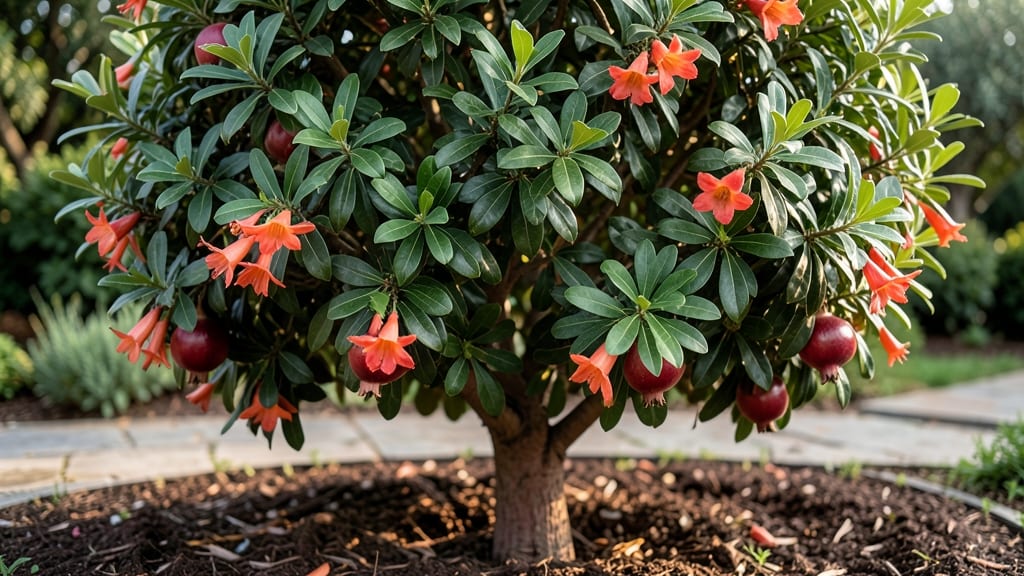
The Russian Pomegranate Tree 🍇 grows to a mature size of 10 to 20 feet—taller than a basketball hoop but manageable for most gardens with smart planning.
If you're dreaming of a stunning, low-maintenance pomegranate tree that thrives in cooler climates, this hardy variety could be your perfect match—but its growth habits might surprise you. Unlike tropical pomegranates, the Russian type stays compact yet sturdy, making it ideal for small spaces or containers.
Understanding its size helps you choose the right spot, whether you're planting in USDA Zone 6a or a container on a patio. Proper spacing and pruning can keep it from outgrowing your yard while maximizing fruit production.
Below, I’ll cover everything from variety-specific heights to pruning tips and container-friendly strategies—so you can enjoy this beauty without the hassle of a runaway giant.

Russian pomegranate tree size: mature height and spread by variety
The Russian pomegranate (Punica granatum 'Russian') is a hardy, cold-tolerant variety that grows more compactly than its tropical relatives. Unlike traditional pomegranates that can reach 15-20 feet, Russian varieties typically mature between 10-15 feet tall with a spread of 8-12 feet.
This makes them perfect for smaller gardens or container growing, but their exact size depends on the variety and growing conditions. Understanding these dimensions helps you plan spacing, pruning, and even container sizes for optimal growth.
Most Russian pomegranate varieties fall into two categories: standard and dwarf types. 'Russian Red' and 'Russian Pink' are classic standard varieties, reaching 12-15 feet at maturity. In contrast, 'Russian Dwarf' varieties like 'Nana' stay between 6-10 feet tall, ideal for containers or small spaces.
The trunk thickness also varies, with standard types developing trunks 4-6 inches in diameter, while dwarf varieties remain slender at 2-4 inches.
The canopy shape of Russian pomegranates is another key factor for space planning. These trees grow in a rounded, bushy form, unlike the more upright growth of some tropical varieties.
This shape means they spread wider than they grow tall, requiring at least 8 feet of clearance from walls, fences, or other plants. Seasonal growth patterns also play a role—spring and summer see the most vigorous growth, while fall and winter bring dormancy, making pruning easier during these periods.
Here’s a quick comparison to other pomegranate types: traditional varieties like 'Wonderful' can reach 20 feet, while Russian types stay 30-50% smaller. This compact size is one of their biggest advantages, especially in USDA Zones 6-9, where they thrive in cooler climates.
Their smaller stature also means they require less aggressive pruning to maintain shape and encourage fruit production.
| Variety | Mature Height (ft) | Mature Spread (ft) | Trunk Thickness (in) | Canopy Shape | Growth Rate |
|---|---|---|---|---|---|
| Russian Red | 12-15 ft | 8-10 ft | 4-6 in | Rounded | Moderate |
| Russian Pink | 10-14 ft | 7-9 ft | 3-5 in | Bushy | Slow-Moderate |
| Russian Dwarf (Nana) | 6-10 ft | 5-7 ft | 2-4 in | Compact Rounded | Slow |
| Wonderful (Standard) | 15-20 ft | 10-12 ft | 6-8 in | Upright | Moderate-Fast |
When planning your garden layout, consider the spread of the tree as much as its height. A 12-foot-tall Russian pomegranate with an 8-foot spread will need ample space to avoid crowding other plants or structures.
For example, planting it 10 feet from a fence ensures it won’t outgrow its space in 5-7 years. In containers, dwarf varieties like 'Nana' thrive in 15-20 gallon pots, while standard types may need 30+ gallon containers to prevent root binding.
Seasonal growth patterns also influence size management. Russian pomegranates grow most rapidly in spring and early summer, with new shoots emerging from dormant buds. Pruning in late winter or early spring (before new growth starts) helps control size and shape.
Summer pruning is less common but can be done to remove water sprouts or leggy growth. In fall and winter, the tree enters dormancy, making it easier to assess its structure and plan pruning for the following year.
If you’re growing Russian pomegranates in containers, their size will naturally stay smaller due to root restriction. However,
How to control Russian pomegranate tree size: pruning and growth tips
Keeping your Russian pomegranate tree at a manageable size isn’t just about aesthetics—it’s crucial for fruit production, air circulation, and preventing disease.
This hardy variety can reach 10–20 feet tall, but with the right pruning techniques, you can shape it to fit your space, whether that’s a container garden or a small backyard. The key is timing, technique, and consistency.
Most gardeners make the mistake of pruning at the wrong time or cutting too aggressively, which can stunt growth or encourage leggy branches. Instead, focus on selective pruning during dormant season (late winter/early spring) and light shaping in summer.
This approach ensures your tree stays healthy while producing abundant pomegranates. Let’s break down the steps to keep your tree compact and thriving.
Step-by-Step Pruning Guide for Compact Growth
-
Step 1: Prune in Late Winter (Before Bud Break)
Remove dead, diseased, or crossing branches to improve airflow. Use sterilized pruners to prevent infections. Aim to cut back 1/3 of the tree’s height if it’s overgrown, but avoid heavy pruning in one season.
-
Step 2: Summer Pruning for Shape and Fruit
After flowering, trim new growth to encourage bushier growth. Focus on inner branches to maintain an open canopy, which reduces humidity and fungal risks. Avoid pruning after July to protect next year’s blooms.
-
Step 3: Thin Out Leggy Branches
Identify long, weak branches growing outward and cut them back to a bud or side branch. This redirects energy to stronger, fruit-bearing wood. Never remove more than 25% of the foliage in a single pruning session.
-
Step 4: Container-Specific Pruning
For potted pomegranates, prune roots every 2–3 years by top-dressing with fresh soil. Trim overly long branches to fit the pot’s height. Use smaller containers (15–20 gallons) to naturally limit size.
One of the biggest mistakes I see is over-pruning in spring, which can delay flowering and reduce fruit set. Russian pomegranates are self-pollinating, but stressed trees may produce fewer pomegranates.
Instead, prioritize selective cuts that maintain the tree’s natural shape while encouraging balanced growth. For example, always leave at least 3–4 main branches to support the structure.
If your tree is already too large, don’t panic—gradual pruning over 2–3 years will bring it back to a manageable size. Start with light pruning in the first year, then increase intensity in subsequent seasons.
Pair pruning with regular fertilizing (balanced 10-10-10 NPK) to support new growth. Mulch around the base to retain moisture and reduce stress during recovery.
For container-grown trees, choose dwarf varieties like ‘Russian Dwarf’ if space is limited. These stay under 6–8 feet tall but still produce abundant fruit. Repot every 2–3 years to refresh soil and prevent root-bound conditions.
Place containers in full sun (at least 6–8 hours daily) to maximize growth and fruiting potential.
Remember, pruning isn’t just about size control—it’s about health and productivity. A well-pruned Russian pomegranate will reward you with vibrant blooms, juicy fruit, and a tree that fits perfectly in your garden or patio. Start small, stay consistent, and watch your tree thrive! 🌱✂️🍇