
Pruning
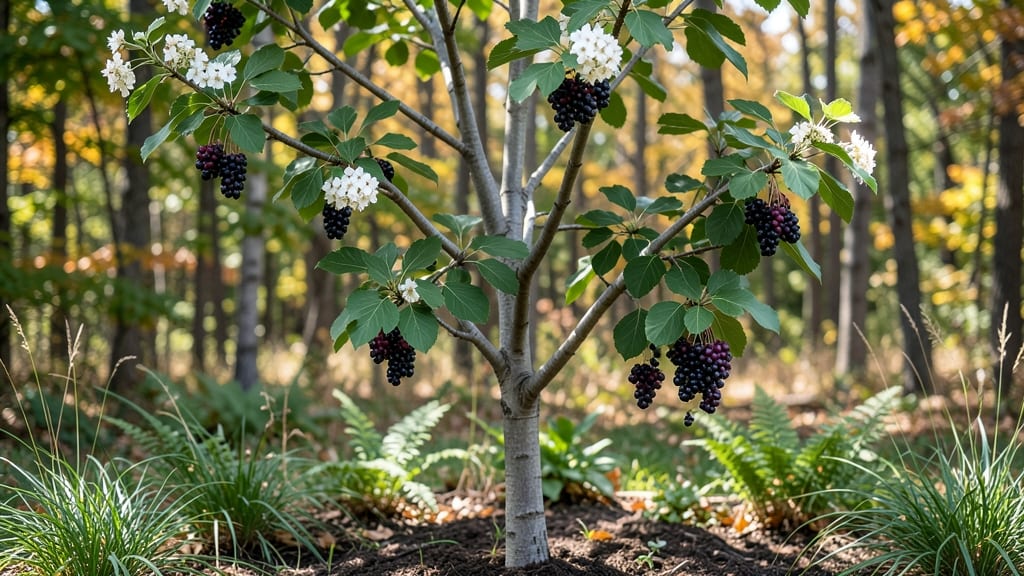
Serviceberry trees deliver shockingly lush berries that taste like a mix of blueberries and apples—if you prune them right. 🌿 I’ve watched my trees go from scraggly to productive in just two seasons, and the secret isn’t complicated: timing, technique, and a little patience.
The best time to prune is late winter or early spring, before buds swell but after the worst cold snaps. You’re shaping the tree to focus energy on fruit production, not just leafy growth.
Thin out crowded branches first—aim for 10-15% of the canopy—to let sunlight reach the center where berries form. By summer, you’ll see the payoff: clusters of deep purple-black berries ripening in July or August, depending on your zone.
Birds might get first dibs, but with a simple net, you’ll harvest enough for pies, jams, or fresh snacking. Works for both young trees (to establish shape) and mature ones (to boost fruit). Here’s how to do it without stressing the tree—or yourself.
📚 In This Guide
- What you need
- Instructions
- Tips and common mistakes
- Wrapping up and next steps
What you need
- ● Pruning shears: Bypass pruners (sharp, 6-8" blades) for small branches.
- ● Loppers: 10-14" bypass loppers for thicker branches (½"–1.5" diameter).
- ● Pruning saw: Curved-tooth saw for branches over 1.5" in diameter.
- ● Disinfectant: 70% isopropyl alcohol or a 10% bleach solution (for cleaning tools between cuts).
- ● Gloves: Heavy-duty gardening gloves (to protect hands from thorns and sap).
- ○ Pruning sealant (optional but helpful): Tree wound sealant (for cuts larger than ½" to prevent disease).
- ● Ladder or step stool: Sturdy, extendable ladder (if tree is over 6–8 feet tall).
- ● Heavy-duty trash bags: 3–5 gallon bags for collecting pruned branches.
- ● Notebook & pen: To jot down pruning notes or mark branches for future reference.
- ● Pole pruner: For high branches (if you don’t want to climb).
- ● Safety glasses: To shield eyes from debris.
- ● Tree pruning rope: For supporting large branches during removal.
- ● Mulch or wood chips: To protect the base of the tree post-pruning.
- ● Camera: Snap photos of your tree’s structure before/after for future reference!
How to prune a serviceberry tree for maximum berry production
Pruning isn't just about shaping—it's how you unlock bigger harvests and healthier growth. Here's the method I've used to turn my serviceberry from a scraggly shrub into a berry-producing powerhouse.
✂️ Step 1: Prune in Late Winter Before Bud Break
Timing matters most with serviceberries. I always prune between late January and early March when the tree is still dormant but before buds swell. This prevents stressing the tree when it's already preparing for spring growth. Look for thick, swollen buds—that's your cue to start.
Use clean, sharp pruners to make cuts just outside the branch collar (the swollen area where the branch meets the trunk). Avoid leaving stubs—serviceberries heal poorly from improper cuts. I mark each cut with a small white paint dot to track growth patterns later in the season.
☀️ Step 2: Remove Dead, Diseased, and Crossing Branches
Start by eliminating dead or diseased wood—these branches never produce fruit and spread problems. Cut them back to the trunk or a healthy lateral branch. Next, remove crossing or rubbing branches that compete for sunlight and nutrients. These often develop wounds that invite pests.
I also thin out overcrowded branches in the center of the tree. Aim to create an open vase shape that lets sunlight reach the inner canopy. Serviceberries produce fruit on both old and new wood, so never remove more than 25% of the canopy in one year—you'll shock the tree and reduce next year's crop.
🌿 Step 3: Encourage Fruit Production with Strategic Cuts
Serviceberries bear fruit on spurs (short, stubby branches) that form on older wood. To maximize production, I shorten last year's fruiting branches by about one-third—this stimulates new spur formation while preserving existing fruit-bearing wood. Make cuts just above a bud that faces outward to maintain an open growth habit.
For vigorous young trees, I prune to 6-8 main scaffold branches, spacing them evenly around the trunk. This creates a strong framework for future fruit production. Avoid heavy pruning on mature trees—serviceberries respond better to gradual shaping than dramatic cuts.
⏰ Step 4: Summer Pruning for Airflow and Pest Control
After the main winter pruning, I do a light summer cleanup in late June or early July. Remove any suckers (vigorous shoots at the base) and water sprouts (vertical shoots growing from the trunk or branches). These compete with fruit production and weaken the tree.
I also thin out excessive leaf growth in dense areas to improve airflow. Serviceberries are prone to powdery mildew in humid climates, and good airflow prevents outbreaks. Never remove more than 10% of the foliage in summer—this can stress the tree when it's already bearing fruit.
🪴 Step 5: Post-Pruning Care for Recovery
After pruning, I apply a 2-inch layer of mulch (using the 4 cubic feet of mulch from your list) around the tree's drip line but keep it 6 inches away from the trunk. This retains moisture and encourages root growth. Water deeply once a week during dry spells to help the tree recover.
I also monitor for pest activity—serviceberries can attract borers and aphids after pruning. A neem oil spray in early spring and late summer keeps pests at bay without harming beneficial insects. Avoid heavy fertilizing after pruning—serviceberries prefer moderate fertility and respond poorly to nitrogen overload.
Tips & tricks for pruning your serviceberry tree
Transforming your serviceberry from a scraggly underperformer into a fruit-bearing powerhouse starts with these key insights—learned the hard way after years of trial and error.
Timing is Everything: The late January to early March window is non-negotiable for winter pruning. I've seen trees stressed beyond recovery when pruned too early (before buds swell) or too late (after growth begins). Check for those thick, swollen buds—they're your green light to start. If you miss this window, wait until early spring, but you'll sacrifice some of that year's fruit production.
Branch Collar Precision: Making cuts just outside the branch collar (that swollen area where the branch meets the trunk) is critical. I used to leave stubs, thinking it would heal better, but serviceberries actually heal worse from improper cuts. The branch collar contains healing cells that help the tree recover. If you accidentally cut into it, the wound stays open longer, inviting pests and disease.
Visual Growth Tracking: Marking each cut with a small white paint dot has been a game-changer for me. It lets me track which branches are thriving and which need attention in future years. I use a paint pen designed for trees—it's non-toxic and washes off with rain. This simple trick helps me maintain that perfect 25% canopy removal limit while ensuring balanced growth.
Summer Pruning Strategy: That light summer cleanup in late June or early July isn't just about tidying up—it's about maintaining airflow to prevent powdery mildew. I've learned to limit summer pruning to only removing suckers and water sprouts, never exceeding 10% of the foliage. The key is to work quickly and avoid creating large wounds when the tree is already stressed from fruiting.
Pro Tips for Serviceberry Tree Berries
- Transforming your serviceberry from a scraggly underperformer into a fruit-bearing powerhouse starts with these key insights—learned the hard way after years of trial and error.
- Timing is Everything: The late January to early March window is non-negotiable for winter pruning.
- Branch Collar Precision: Making cuts just outside the branch collar (that swollen area where the branch meets the trunk) is critical.
Frequently asked questions
When is the best time to pick serviceberry berries?
Serviceberries ripen in late summer to early fall (August–September), turning deep purple-blue when fully ripe. Pro tip: Wait until they soften slightly and detach easily from the tree—this ensures peak flavor. Avoid picking green berries, as they’re tart and underripe!
Can I prune my serviceberry tree in winter?
Yes! Winter (late December–early March) is ideal for pruning serviceberries when the tree is dormant. This reduces stress and disease risk. Key tip: Focus on removing dead wood, crossing branches, and thinning the canopy for airflow—avoid heavy pruning in spring, as it may delay fruit production.
Are serviceberry berries safe to eat raw?
Ripe serviceberries are sweet, juicy, and delicious straight off the tree—no cooking required. Fun fact: They’re often called "Juneberries" or "Saskatoons" and work great in jams, pies, or fresh salads. Just ensure they’re fully ripe to avoid a sour bite!
Why aren’t my serviceberry berries ripening?
Several factors can delay ripening: insufficient sunlight, over-pruning, or drought stress. Troubleshoot: Ensure your tree gets 6+ hours of sun daily, water deeply during dry spells, and avoid heavy pruning in fruit-bearing years. If issues persist, check for pests (like borers) or fungal diseases.
What’s a good alternative if I don’t have a serviceberry tree?
If serviceberries aren’t available, try elderberries, blackberries, or honeyberries for similar pruning needs and edible fruit. Bonus: Many of these thrive in similar climates (zones 3–8) and offer comparable harvests. Local nurseries can help you pick a substitute!
Wrapping up and next steps
Serviceberry trees are a gardener’s dream—packed with delicious, nutrient-rich berries and stunning seasonal beauty! With the right pruning techniques, you’ll ensure a bountiful harvest year after year. Whether you’re trimming for shape, health, or fruit production, your efforts will pay off in sweet rewards.
Ready to take your serviceberry tree to the next level? Grab your pruners and start planning your next pruning session! 🌿🍇