
Pruning
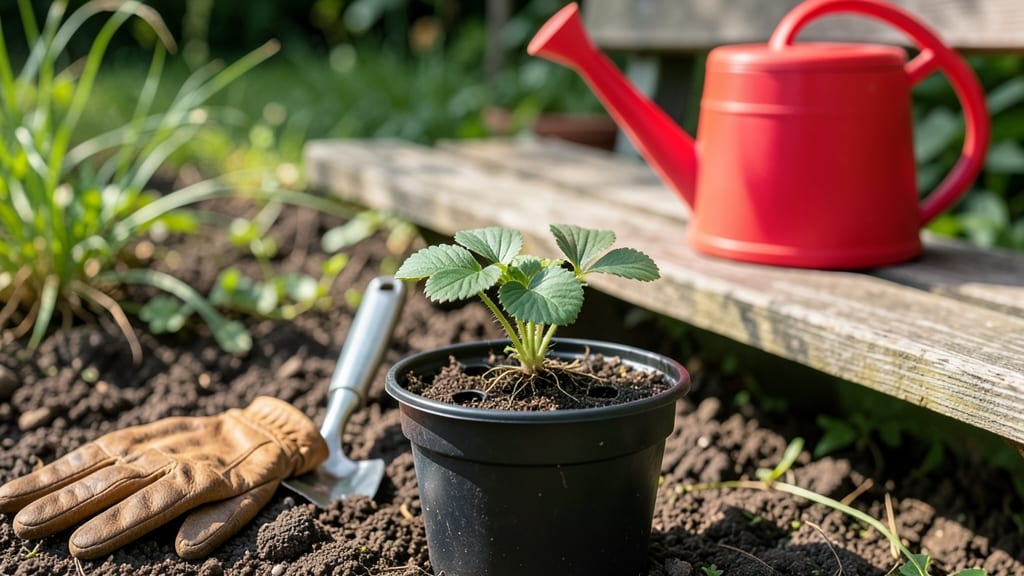
Growing a strawberry tree seedling means year-round fruit that thrives even in chilly climates. 🌿 I planted mine last spring, and now it's a lush, evergreen centerpiece that produces edible berries—no summer heat required. The key is patience and understanding its unique needs.
This Mediterranean native loves well-draining soil and 6+ hours of sunlight daily, but it won’t bolt in heat like tropical plants. Water deeply once a week after establishment—overwatering is the #1 killer. Mulch helps retain moisture while protecting shallow roots, especially in winter.
Prune lightly in late winter to shape the tree and remove dead wood, but avoid heavy cuts—this slow-grower (12 inches per year) rewards gentle care. By year 5, you’ll see clusters of peach-sized, strawberry-flavored berries that ripen in fall and winter.
Cold-hardy down to 10°F, it’s perfect for zones 7-9 and even coastal areas with mild winters. The secret to fruiting? Consistent care and avoiding nitrogen-heavy fertilizers—this tree rewards balance over excess.
📚 In This Guide
- What you need
- Instructions
- Tips and common mistakes
- Wrapping up and next steps
What you need
- ● Strawberry tree seedling (1-3 plants, depending on space—choose Arbutus unedo or Arbutus × andrachne for cold-hardy varieties)
- ● Well-draining soil mix (50% native soil + 50% compost or peat moss; avoid heavy clay)
- ● 5-gallon nursery pot or garden bed (minimum 18" deep for root growth; larger for multiple seedlings)
- ● Organic mulch (2–3 inches of pine bark, straw, or wood chips to retain moisture and regulate temperature)
- ● Slow-release fertilizer (balanced 10-10-10 or organic options like fish emulsion; 1 tbsp per plant)
- ● Watering can or hose with a gentle nozzle (avoid overhead spraying to prevent fungal issues)
- ● Pruners or bypass shears (sterilized, sharp tools for trimming—must be clean to prevent disease)
- ● Garden gloves (to protect hands from thorns and soil-borne pathogens)
- ● Soil pH tester (ideal range: 5.0–6.5; strawberry trees prefer slightly acidic soil)
- ● Drip irrigation system (for consistent moisture without overwatering)
- ● Frost cloth or row covers (for young seedlings in zones below 7a)
- ● Epsom salt (1 tbsp dissolved in water monthly for magnesium boost)
- ● Compost tea or mycorrhizal fungi (to enhance root health and nutrient uptake)
- ● Stakes or trellis (if growing in windy areas—strawberry trees can reach 10–20 ft tall!)
Step-by-Step instructions for growing a cold-hardy strawberry tree seedling
Here's how I've grown thriving strawberry trees that produce fruit even in colder climates—no greenhouse needed.
🌱 Step 1: Select and Prepare the Optimal Planting Site
Strawberry trees (Arbutus unedo) thrive in partial shade to full sun with 6+ hours of light daily, but they tolerate cooler conditions better than most fruit trees. Choose a spot with well-draining soil—they hate soggy roots. If your soil is heavy clay, mix in 2-3 inches of compost to improve aeration before planting.
Dig a hole twice as wide as the seedling's root ball but only as deep as the container it came in. The top of the root ball should sit 1 inch above ground level—this prevents water from pooling around the stem. I always tap the sides of the hole gently to remove air pockets before placing the seedling in.
☀️ Step 2: Plant at the Right Time and Provide Seasonal Care
Plant your strawberry tree seedling in early spring (after the last frost) or early fall—this gives roots time to establish before extreme heat or cold. Water deeply right after planting to settle the soil and eliminate air gaps. You'll know it's soaked enough when water runs out the drainage holes without puddling.
Mulch around the base with 2-3 inches of organic mulch (like shredded bark) to retain moisture and regulate soil temperature. Keep mulch 6 inches away from the trunk—piling it against the stem invites rot. In colder zones (USDA 6-8), I add an extra 4 inches of mulch in winter to protect roots from freeze-thaw cycles.
💧 Step 3: Water Strategically for Year-Round Growth
Strawberry trees are drought-tolerant once established, but seedlings need consistent moisture for the first 2 years. Water deeply once a week during dry spells, aiming for 1-2 gallons per plant. You'll know you've watered enough when the soil 6 inches down feels damp—stick your finger in to check.
Reduce watering in winter unless temperatures drop below 20°F, then give a light drink to prevent desiccation. Overwatering is the #1 killer—yellowing leaves or mushrooms at the base mean you're drowning the roots. Let the top 2 inches of soil dry out between waterings after the first year.
✂️ Step 4: Prune for Shape and Fruit Production
Prune in late winter or early spring before new growth begins. Remove dead, crossing, or diseased branches first—these compete with healthy growth. Thin out overcrowded stems to improve airflow, which reduces fungal diseases like powdery mildew. I never cut more than 25% of the plant in one season to avoid stress.
Shape the tree by selectively trimming long, leggy branches to encourage bushier growth. Strawberry trees fruit on both old and new wood, so avoid heavy pruning that removes all last year's growth. Use sterilized pruners (wipe with rubbing alcohol) to prevent spreading disease between cuts.
🌿 Step 5: Fertilize and Monitor for Pests/Diseases
Feed in early spring with a balanced 10-10-10 fertilizer (½ cup per plant) to support new growth. Switch to a low-nitrogen, high-phosphorus formula (5-10-10) in late spring when flowers appear—this boosts fruit set. I always water the soil first, then scatter fertilizer, and finally water again to prevent root burn.
Watch for scale insects (tiny bumps on stems) or aphids (sticky residue on leaves). Spray with neem oil at the first sign—it's organic and effective. If leaves yellow despite proper watering, your tree may need iron (apply chelated iron in early summer). Strawberry trees are generally low-maintenance, but these check-ins keep them thriving for decades.
Tips & tricks for perfect strawberry tree seedling growth
A few strategic moves will help your cold-hardy strawberry tree thrive for decades—avoiding the most common pitfalls that trip up new growers.
Soil Preparation Secret: Before planting, I always test soil drainage by digging a hole, filling it with water, and timing how long it takes to drain. If it takes more than 6 hours, your soil needs amending—mix in 2-3 inches of compost and repeat the test. Proper drainage is non-negotiable for strawberry trees, which rot easily in soggy conditions. The 1-inch elevation above ground level for the root ball in Step 1 creates that crucial air gap that prevents waterlogging.
Planting Timing Insight: While both early spring and early fall work, I've found fall planting gives roots a head start in cooler climates. The key is to plant 6-8 weeks before your first hard frost—this allows roots to establish before winter dormancy. In colder zones (USDA 6-8), I even plant 2 weeks earlier than the recommended fall window to maximize root growth before freeze-up.
Mulching Mastery: The 2-3 inches of organic mulch in Step 2 should be refreshed annually in late winter. I use shredded bark because it breaks down slowly while maintaining that perfect moisture barrier. For winter protection in colder zones, I double the mulch to 4 inches but create a 3-inch mulch-free zone around the trunk to prevent rot. This creates an insulating blanket without suffocating the tree.
Watering Wisdom: The 6-inch soil dampness check in Step 3 is your best indicator of proper watering. I've learned to water in the early morning to allow foliage to dry before evening—this prevents fungal issues. When temperatures drop below 20°F, I reduce watering to just enough to keep soil from becoming completely dry, as winter desiccation is a real risk for young trees.
Pro Tips for Strawberry Tree Seedling
- A few strategic moves will help your cold-hardy strawberry tree thrive for decades—avoiding the most common pitfalls that trip up new growers.
- Soil Preparation Secret: Before planting, I always test soil drainage by digging a hole, filling it with water, and timing how long it takes to drain.
- Planting Timing Insight: While both early spring and early fall work, I've found fall planting gives roots a head start in cooler climates.
Frequently asked questions
Got questions about growing your strawberry tree seedling? You’re not alone!
Here are answers to the most common queries—from planting tips to troubleshooting—so you can nurture a thriving, fruit-bearing tree with confidence.
When is the best time to plant a strawberry tree seedling?
The ideal time to plant your strawberry tree seedling is in early spring (after the last frost) or early fall. This gives roots time to establish before extreme heat or cold. If you’re in a mild climate, fall planting can work too—just avoid winter dormancy periods.
How cold-hardy are strawberry tree seedlings, and do they need winter protection?
Strawberry trees (Arbutus unedo) are surprisingly tough—they tolerate temperatures down to -15°F (-26°C) once established! However, young seedlings (under 3 years old) benefit from mulch (3–4 inches of wood chips or straw) to shield roots. In freezing zones, a burlap wrap around the trunk can prevent sunscald.
How long does it take for a strawberry tree seedling to bear fruit?
Patience is key! Strawberry trees grown from seedling can take 5–7 years to produce fruit, while grafted trees may fruit in 3–5 years. Focus on well-draining soil, full sun (6+ hours), and consistent watering to speed up maturity. Pro tip: Male and female flowers are on separate trees—plant at least one of each for fruit!
Can I grow a strawberry tree from seed, or should I buy a seedling?
While you can grow from seed, it’s a slow process (germination takes 20–60 days) and results in unpredictable varieties. For faster, reliable growth, opt for a nursery-bought seedling (grafted or rooted cuttings). Seedlings are also easier to transplant and establish. Bonus: Look for disease-resistant cultivars like ‘Marina’ or ‘Regent.’
Why are my strawberry tree seedlings’ leaves turning yellow or dropping?
Yellow leaves often signal overwatering, underwatering, or nutrient deficiencies. Check soil moisture—it should be damp but not soggy. Yellowing at the edges? Likely underwatering. If leaves drop entirely, it could be root rot (from poor drainage) or transplant shock. Adjust care and amend soil with compost to restore health. Fix it: Prune affected branches to redirect energy.
How much space does a strawberry tree seedling need to grow?
Strawberry trees mature into 15–25-foot-tall shrubs, so plant seedlings 15–20 feet apart (or closer in containers). In small gardens, consider dwarf varieties (like ‘Compacta’) that max out at 6–10 feet. Ensure they have room to spread—their roots are shallow but extensive!
Wrapping up and next steps
Growing a strawberry tree seedling is a rewarding journey that brings year-round fruit to your garden—even in colder climates! 🌱 With the right site selection, pruning techniques, and care, you’ll enjoy its sweet, strawberry-like berries for decades.
Whether you’re a beginner or a seasoned gardener, this resilient tree is a fantastic addition to any landscape.
Ready to take the next step? Start by planting your seedling in well-draining soil and give it the love it needs. Watch it thrive—and soon, you’ll be harvesting your own homegrown treats!