
Trees
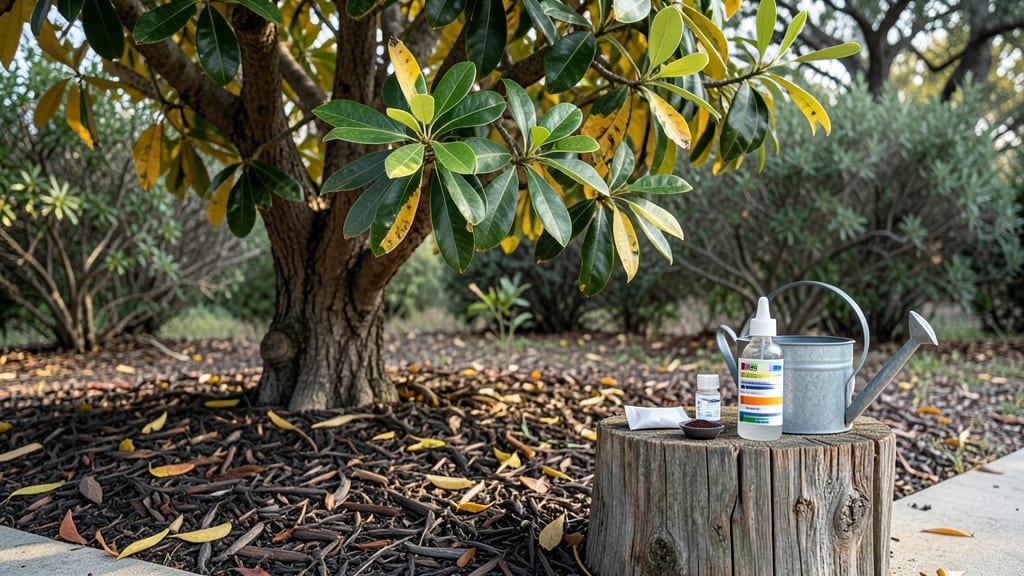
Your avocado tree’s yellow leaves could mean one of three simple fixes—let’s start with the most common. 🌿 I’ve seen this happen with my own tree after a winter of inconsistent watering, and the good news is, it’s almost always reversible with just a few adjustments.
The first step is checking your watering routine—too much or too little can trigger yellowing. Avocados hate soggy roots but also need consistent moisture, especially in pots where soil dries faster. Stick your finger an inch deep; if it’s bone dry, water deeply until it drains from the bottom.
Next, test your soil’s fertility. Yellow leaves often signal a lack of nitrogen or zinc, both easy to fix with the right fertilizer. A balanced citrus blend or a quick zinc spray (available at garden centers) can turn those leaves green again in just a few weeks.
The best part? Once you correct the issue, your tree will bounce back faster than you think. With proper care, you’ll see new growth within a month—and maybe even a few extra avocados next season!
Root Causes Of Leaf Discoloration
Yellowing leaves on your avocado tree can feel like a mystery—especially when you’ve poured love (and water) into its care. 🌿 But the truth is, these vibrant green leaves turn yellow for very specific reasons, often tied to nutrient imbalances, environmental stress, or underlying health issues.
Let’s break down the most common culprits, why they happen, and how to spot them in your tree.
Avocado trees thrive on a balanced diet, and when key nutrients go missing, leaves react fast—often with yellowing. Here’s what’s likely starving your tree:
- 💡 Nitrogen (N) Deficiency - Why it happens: Nitrogen is the building block of chlorophyll (the pigment that makes leaves green).
Without enough, older leaves turn pale yellow or yellow-green, starting at the base and moving upward. - How to spot it: Check for stunted growth alongside yellowing.
New leaves may appear smaller or curled. - Actionable fix: Apply a balanced fertilizer (like 10-10-10) or composted manure in early spring. Avoid overdoing it—too much nitrogen can burn roots.
- 💡 Magnesium (Mg) Deficiency - Why it happens: Magnesium is crucial for chlorophyll production.
When soil lacks it (common in sandy or acidic soils), leaves develop interveinal yellowing—yellow patches between veins, while veins stay green. - How to spot it: Look for yellowing on older leaves first, often with a "mottled" or "blotchy" pattern.
Severe cases may show brown spots or leaf curl. - Actionable fix: Use Epsom salt (magnesium sulfate) as a foliar spray (1 tbsp per gallon of water) or work dolomitic lime into the soil to raise magnesium levels.
- 💡 Iron (Fe) Deficiency - Why it happens: Iron is essential for chlorophyll, but avocado trees struggle to absorb it in alkaline or calcareous soils (pH > 7.0).
Even if iron is present, the tree can’t access it. - How to spot it: New leaves turn bright yellow while veins remain green—a classic "lime-induced chlorosis" pattern. Growth may slow. - Actionable fix: Lower soil pH with elemental sulfur or peat moss.
For quick relief, use a chelated iron supplement (like Ironite) every 2–4 weeks.
- 💡 Potassium (K) Deficiency - Why it happens: Potassium regulates water and nutrient transport.
A deficiency weakens the tree’s ability to process nutrients, leading to yellowing at leaf edges (often with brown, crispy tips). - How to spot it: Older leaves develop scorched or dead edges, and the yellowing spreads inward like a "V" shape. - Actionable fix: Apply potassium sulfate or a banana peel compost tea (yes, really!).
Wood ash can also help in small amounts.
Avocado trees hate soggy roots. When soil stays too wet, roots suffocate, leading to nutrient uptake failure and yellow leaves.
- Why it happens:
- Fungal infections (like Phytophthora) thrive in wet conditions, clogging root systems.
- Leaves yellow evenly across the tree, often with mushy or blackened roots if you check.
- The tree may lean or wilt despite moist soil.
- Improve drainage by amending soil with perlite, coarse sand, or gravel.
- Raise the tree in a mound of soil if planting in heavy clay.
- Water deeply but less often—avocado trees prefer dry spells between waterings.
Not all yellowing is about nutrients. Pests and pathogens can sap the tree’s strength, causing leaves to lose their green.
- 🐛 Root-Knot Nematodes - Why it happens: These microscopic worms damage roots, reducing nutrient absorption. Leaves turn yellow systemically (whole tree), and growth stalls. - How to spot it: Check roots for gall-like lumps.
Shake roots in water—nematodes look like tiny white worms. - Actionable fix: Use neem oil or beneficial nematodes (Steinernema) to combat them. Replace infested soil.
- 🍄 Fungal Infections (e.g., Anthracnose, Root Rot)
- How to spot it: Leaves may have black or brown patches, and stems can ooze gum-like sap.
- Actionable fix: Prune infected branches, apply copper fungicide, and space out waterings.
Avocado trees are tropical—they hate extremes. Sudden changes in light, temperature, or wind can shock them into dropping or yellowing leaves.
- 🔥 Sunburn or Heat Stress - Why it happens: Too much direct sun (especially after transplanting) causes leaf scorch, turning edges yellow or brown. - How to spot it: New leaves may curl or crisp in hot, dry conditions. - Actionable fix: Acclimate trees gradually to full sun.
Use shade cloth in extreme heat.
- ❄️ Cold Damage - Why it happens: Avocados are frost-sensitive.
Temperatures below 30°F (-1°C) can cause yellowing, wilting, or blackened leaves. - How to spot it: Leaves may drop suddenly or develop water-soaked brown patches. - Actionable fix: Protect trees with frost cloth or mulch heavily in winter.
- 💨 Wind or Physical Damage
- How to spot it: Leaves have irregular yellow patches or torn edges.
- Actionable fix: Stake young trees or plant in a sheltered spot.
Pro Tip: 🔍 Diagnose like a pro—start by checking the oldest leaves first (nutrient issues) vs. new leaves (environmental stress). If yellowing spreads systemically, roots are likely the problem. Act fast—avocado trees recover best when issues are caught early!
Revive Your Avocado Tree Now
Yellow leaves on your avocado tree don’t have to mean the end of your green thumb dreams—most issues are fixable with the right care. Below, we’ve mapped out practical solutions for each common cause, along with prevention tips to keep your tree thriving.
Let’s get your avocado back to its lush, healthy self!
Signs: Yellowing leaves, soggy soil, or leaves that feel mushy to the touch.
How to Fix It: 🔥 Step 1: Stop Watering Immediately
- Let the top 2–3 inches of soil dry out completely before watering again. Stick your finger in the soil—if it’s damp, wait.
🍳 Step 2: Check Your Pot or Soil
- If your tree is in a pot, ensure it has drainage holes. If not, repot it ASAP.
- For in-ground trees, improve drainage by adding organic matter (like compost or coconut coir) to heavy clay soil.
👨🍳 Step 3: Adjust Your Watering Routine
- Avocados hate "wet feet." Water deeply once a week (or less in humid climates) and never let water pool in saucers or the root zone.
- Pro Tip: 💡 Use a moisture meter to track soil dryness—no guesswork!
🌡️ Prevention:
- Choose well-draining soil mixes (e.g., 50% potting soil + 30% perlite + 20% sand).
- If your tree is in a container, raise it on pot feet to prevent waterlogging.
Signs: Pale yellow leaves (especially older ones), slow growth, or leaves that curl or drop.
How to Fix It: 🔥 Step 1: Test Your Soil
- Grab a DIY soil test kit (or send a sample to a local extension office) to check pH and nutrient levels. Avocados thrive in slightly acidic soil (pH 6.0–7.0).
🍳 Step 2: Fertilize Correctly - For containers: Use a balanced citrus/avocado fertilizer (like 6-6-6 or 8-3-9) every 6–8 weeks during growing season (spring–fall). - For in-ground trees: Spread compost or worm castings around the base in early spring, then top-dress with a slow-release fertilizer. - Key Nutrients to Boost: - Nitrogen (N): Yellow leaves?
Try fish emulsion or blood meal. - Zinc/Manganese: Use chelated micronutrients if leaves show interveinal yellowing (common in calcareous soils). - Magnesium: Epsom salt spray (1 tbsp per gallon of water) can help if older leaves yellow between veins.
👨🍳 Step 3: Feed the Roots Right
- Avoid over-fertilizing! Too much salt can burn roots. Always water thoroughly after fertilizing to flush excess salts away.
- Pro Tip: 💡 Mix mycorrhizal fungi into the soil to boost nutrient absorption naturally.
🌡️ Prevention:
- Mulch annually with wood chips or straw to retain moisture and nutrients.
- Rotate fertilizers to prevent lockout (e.g., alternate between organic and synthetic).
Signs: Crispy, yellow-edged leaves (especially on young trees), or leaves that look "bleached."
How to Fix It: 🔥 Step 1: Provide Shade Gradually
- Move potted trees to a dappled sunlight spot (e.g., under 30–50% shade cloth) for a few weeks.
- For in-ground trees, prune nearby aggressive plants or install a light shade sail if your tree is in a hot, exposed area.
🍳 Step 2: Hydrate Deeply
- Water early in the morning to reduce evaporation. Aim for 1–1.5 inches of water per week (more in extreme heat).
- Mist leaves lightly in the evening to cool them down (but avoid soggy conditions).
👨🍳 Step 3: Protect New Growth
- If your tree is young, cover it with a breathable shade cloth during peak sun (10 AM–4 PM).
- Pro Tip: 💡 Avoid cold drafts + hot sun—avocados hate temperature swings!
🌡️ Prevention:
- Acclimate new trees slowly to full sun (start with 2–3 hours/day, then increase weekly).
- Choose the right spot: Mature avocados need 6+ hours of sun, but young trees prefer morning sun + afternoon shade.
Signs: Yellowing leaves with holes, webbing, or sticky residue, or fungal spots (like black mold).
How to Fix It: 🔥 Step 1: Identify the Culprit
- Pests: Spider mites (tiny webs), scale (brown bumps), or aphids (sticky honeydew).
- Fungus: Powdery mildew (white fuzzy coating) or root rot (mushy stems).
🍳 Step 2: Treat Naturally First
- For pests:
- Spider mites: Spray with neem oil (1 tsp per quart of water) every 7 days.
- Scale/aphids: Wipe off with soapy water (1 tsp mild soap + 1 quart water) or introduce ladybugs.
- For fungus:
- Prune infected leaves and dispose of them.
- Apply copper fungicide or baking soda spray (1 tbsp baking soda + 1 quart water + a drop of soap).
👨🍳 Step 3: Boost Tree Health
- Strengthen defenses with compost tea or kelp fertilizer to speed up recovery.
- Pro Tip: 💡 Prevent future infestations by inspecting leaves weekly and keeping the area weed-free.
🌡️ Prevention:
- Space trees properly (15–20 ft apart) for airflow.
- Water at the base (not overhead) to reduce fungal spores.
Signs: Yellowing leaves after repotting, roots circling the pot, or stunted growth.
How to Fix It: 🔥 Step 1: Repot Correctly
- Choose a pot 2–4 inches larger in diameter with fresh, well-draining soil.
- Gently loosen roots before repotting to encourage outward growth.
🍳 Step 2: Support Recovery
- Hold off on fertilizing for 4–6 weeks to avoid stressing the roots.
- Keep soil moist (not soggy) and place the tree in bright, indirect light for 2–3 weeks.
👨🍳 Step 3: Encourage New Growth
- Trim any severely yellowed leaves to redirect energy to healthy foliage.
- Pro Tip: 💡 Use rooting hormone on bare roots if you’re dividing a tree to speed up regrowth.
🌡️ Prevention:
- Repot every 2–3 years (or when roots circle the pot).
- Transplant in spring to give the tree time to establish before winter.
Final Thought: 🎯 Most yellow leaves are a call for action, not a death sentence! Start with one fix (like adjusting water or fertilizing), monitor for 2–4 weeks, and tweak as needed. Your avocado tree will thank you with new, vibrant growth in no time.
Frequently asked questions
Why do my avocado tree's leaves turn yellow only on the edges?
Edge yellowing (often with brown tips) usually signals a potassium deficiency or overwatering stress. Check if older leaves show this "V-shaped" yellowing—it's a classic potassium sign. For containers, flush soil with water to prevent salt buildup from fertilizers. Try a banana peel compost tea or potassium sulfate every 4 weeks.
Can I save my avocado tree if all the leaves are yellow?
Not necessarily! If 90%+ of leaves are yellow and the tree feels mushy or wilted, it may be suffering from root rot or severe nutrient collapse. Prune all yellow leaves, repot in fresh soil with perlite/sand mix, and adjust watering immediately. If roots are black/mushy, you may need to propagate from healthy stems.
How often should I fertilize an avocado tree with yellow leaves?
Start with half-strength fertilizer every 6-8 weeks during spring/fall. Over-fertilizing burns roots and worsens yellowing. Use a citrus-specific blend (like 6-6-6) and always water thoroughly after applying. For micronutrient deficiencies, try Epsom salt spray (magnesium) or chelated iron instead of heavy fertilizers.
Will pruning yellow leaves help my avocado tree recover?
Yes! Pruning removes the tree's energy drain, helping it focus on new growth. Cut back only yellowed leaves (never more than 1/3 of the canopy at once). Sterilize pruners with rubbing alcohol to prevent infections. After pruning, increase shade for 2 weeks to reduce stress while roots recover.
Could my avocado tree's yellow leaves be from tap water?
Hard water (high in chlorine/fluoride) can cause nutrient lockout, especially iron/magnesium deficiencies. Use rainwater or filtered water for potted trees. If you must use tap water, let it sit 24 hours before watering to reduce chemical buildup. For severe cases, flush soil monthly with distilled water.