
Pruning
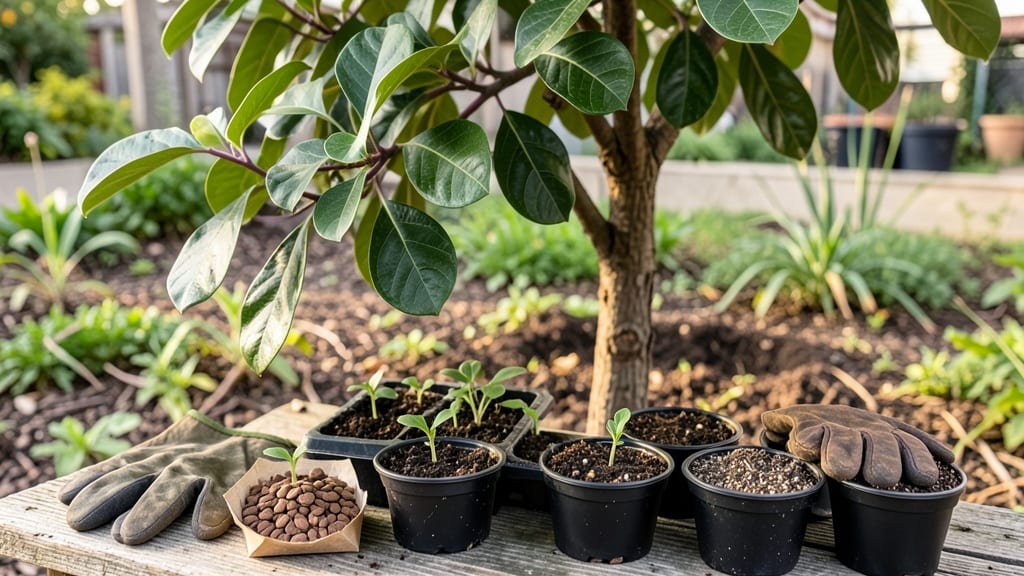
Growing tamarillo trees from seeds can have you tasting tropical fruit in just 6-8 weeks—if you know the right tricks. 🌱 I’ve struggled with slow germination before, but these simple adjustments cut that waiting time in half while keeping the process foolproof for beginners.
The secret starts with scarification: nicking the seed coat with sandpaper mimics nature’s weathering and triggers faster sprouting. Combine that with a warm, moist paper towel setup, and you’ll see tiny roots emerge within days. No fancy equipment needed—just patience and the right conditions.
Once sprouted, transplant into well-draining soil and keep it warm (70-80°F) under bright light. Within weeks, you’ll have sturdy seedlings ready for their forever home. The key is consistency—water lightly but often, and avoid cold drafts that stall growth.
This method works in zones 9-11, but with a grow light, indoor gardeners in cooler climates can still succeed. Just be ready for the fast pace—these seeds don’t mess around once they start!
📚 In This Guide
- What you need
- Instructions
- Tips and common mistakes
- Wrapping up and next steps
What you need
- ● Tamarillo seeds: 3–5 fresh, plump seeds (harvested from ripe fruit or purchased from a reputable supplier). Pro tip: 💡 Soak seeds in warm water for 24 hours to soften the outer shell and speed up germination!
- ● Seed-starting mix: 1 small tray (10x20 inches) or 4–6 individual pots (3–4 inches deep) filled with sterile, well-draining potting soil (avoid garden soil—it’s too dense!).
- ● Containers: Option 1: Seedling trays with drainage holes (ideal for multiple seeds).
- ● Option 2: Small plastic or biodegradable pots (3–4 inches wide).
- ● Spray bottle: For gentle watering (avoid over-saturating the soil!).
- ○ Clear plastic wrap or humidity dome: To create a mini greenhouse effect (optional but highly recommended for faster sprouting!).
- ● Tweezers or pencil: For carefully placing seeds in the soil (avoid burying them too deep—just ¼ inch is perfect!).
- ○ Heat mat (optional): A seedling heat mat (set to 75–85°F) can double your germination speed! 🔥
- ● Grow lights or sunny windowsill: Tamarillos love bright, indirect light (6+ hours daily). A simple LED grow light works if natural light is lacking.
- ● Fertilizer (after sprouting): A balanced, water-soluble fertilizer (5-5-5 or 10-10-10) diluted to half-strength once seedlings have 2–3 true leaves.
- ● Patience (but not too much!): Germination can take 2–6 weeks—stay consistent with moisture and warmth.
- ● Space for seedlings: Tamarillos grow fast! Plan to transplant them into larger pots (5+ gallons) or outdoor beds after 3–4 months.
- ● Climate awareness: Tamarillos thrive in USDA zones 9–11. If you’re in a cooler zone, start seeds indoors and be ready to bring them inside during winter.
Step-by-step instructions for germinating tamarillo tree seeds
Here's how to break the tamarillo's stubborn germination barrier and get sprouts in weeks.
🌱 Step 1: Prepare Seeds for Faster Germination
Tamarillo seeds have a tough outer coating that slows sprouting. First, soak them in warm water for 24 hours to soften the seed coat. I use a small bowl and cover the seeds completely—they'll sink to the bottom. After soaking, drain and rinse them gently to remove any remaining pulp.
Next, place the seeds between two damp paper towels. Fold the towels so the seeds are sandwiched inside but not crushed. Put this seed "sandwich" inside a sealed plastic bag. The goal is to keep the towels consistently moist but not soggy. You'll see condensation form on the bag's interior—that's your visual cue the moisture level is perfect.
💧 Step 2: Create Warmth and Humidity for Germination
Tamarillo seeds need 75-85°F soil temperatures to sprout reliably. I place my seed towels on top of a seedling heat mat set to 80°F. Without this warmth, germination can take months instead of weeks. If you don't have a heat mat, place the bagged seeds in a warm spot like on top of your refrigerator or near a sunny window.
Check daily for moisture. The paper towels should feel damp like a wrung-out sponge—never dry, never dripping. Mist lightly with lukewarm water if they begin to dry out. Within 7-14 days, you'll see tiny white roots emerge first. This is your signal to move to soil immediately before the roots grow too long and become brittle.
☀️ Step 3: Transplant Germinated Seeds to Soil
Fill small 2-3 inch pots with a light, airy seed-starting mix (never garden soil). Make a small hole about ½ inch deep—just enough to accommodate the seed with its attached root. Gently place the seed in the hole, roots pointing downward, and cover lightly with additional mix. Press down very gently to ensure contact with the soil.
Water immediately after planting using a spray bottle to avoid disturbing the delicate seedling. Place the pots in a warm, bright location where they'll receive indirect light for the first week. Direct sunlight can scorch the tiny seedlings. You'll know you've got the light right when the seedlings grow sturdy and upright rather than stretching toward the light source.
🌿 Step 4: Provide Consistent Care for Seedling Growth
Keep the soil consistently moist but never soggy. Tamarillo seedlings are particularly sensitive to overwatering, which can cause damping-off—a fungal disease that collapses stems overnight. I water when the top inch of soil feels dry to the touch, using room-temperature water to avoid shocking the roots.
After 4-6 weeks, when seedlings develop their first set of true leaves (the second set after the initial seed leaves), you can gradually introduce them to more sunlight. Harden off seedlings by placing them outside in a sheltered spot for 1-2 hours daily, increasing exposure over 10 days. This prepares them for transplanting into larger containers or the garden.
Tips & tricks for fast tamarillo seed germination
Breaking through tamarillo seeds' stubborn germination barrier takes patience—but these tricks will help you achieve those first sprouts in weeks instead of months.
Soak Smart: The 24-hour soak in warm water is your first critical step, but don't let the water get cold. I use a bowl of water that's been heated to about 85°F—just warm enough to feel comfortable in a sink. This consistent temperature helps soften the seed coat more evenly. After soaking, give the seeds a quick rinse to remove any lingering pulp that could encourage mold growth. This prep work makes all the difference in breaking dormancy.
Moisture Management: In Step 2, maintaining that perfect dampness between the paper towels is crucial. I've learned the hard way that soggy towels lead to rot while dry ones stall germination. The condensation on the plastic bag is your best visual cue—it should look like a light mist on glass. If you notice droplets forming inside the bag, you're right on target. Check daily and mist with lukewarm water if the towels begin to feel dry to the touch, but never soak them again.
Temperature Troubleshooting: While the ideal range is 75-85°F, I've found that tamarillo seeds are particularly sensitive to temperature fluctuations. If your home environment dips below 70°F at night, consider moving your seed setup to a warmer location like near a sunny window during the day and onto the refrigerator top at night. A simple seedling heat mat set to 80°F is worth the investment if you're serious about fast germination—it cuts weeks off the process by maintaining that perfect warmth consistently.
Transplant Timing: When those first white roots appear within 7-14 days, don't wait too long to transplant. I've seen roots grow up to ½ inch before realizing they were too long and brittle. The moment you see those first signs of root emergence, prepare your 2-3 inch pots with seed-starting mix and be ready to move them. This quick transition prevents root damage and gives your seedlings the best possible start in their new home.
Pro Tips for Tamarillo Tree Seeds
- Breaking through tamarillo seeds' stubborn germination barrier takes patience—but these tricks will help you achieve those first sprouts in weeks instead of months.
- Soak Smart: The 24-hour soak in warm water is your first critical step, but don't let the water get cold.
- Moisture Management: In Step 2, maintaining that perfect dampness between the paper towels is crucial.
Frequently asked questions
Got questions about tamarillo tree seeds? You’re not alone! Here are some of the most common queries—and the answers to help you grow like a pro.
How long do tamarillo seeds take to germinate?
With the right conditions (warmth, moisture, and a bit of patience), tamarillo seeds typically sprout in 2 to 4 weeks. Some may take up to 6 weeks, especially if they’re fresh or stored improperly. Pro tip: Soak seeds overnight before planting to speed up germination!
What’s the best temperature for germinating tamarillo seeds?
Tamarillo seeds thrive in warmth—aim for a consistent 70–85°F (21–29°C). Use a seedling heat mat or place your pots near a sunny window (or under grow lights) to mimic tropical conditions. Warning: Avoid cold drafts or sudden temperature drops, which can stall germination. →
Can I plant tamarillo seeds directly in the ground?
While possible in warm climates (USDA Zones 9–11), direct sowing is riskier due to slow early growth and frost sensitivity. Start seeds indoors 8–12 weeks before the last frost, then transplant seedlings after they’ve hardened off. Alternative: Use biodegradable pots to reduce transplant shock.
Why aren’t my tamarillo seeds sprouting?
Common culprits: old seeds (viability drops after 1–2 years), poor drainage (root rot kills sprouts), or inconsistent moisture. Try these fixes:
- Test seed viability by soaking a few—if they sink, they’re likely good.
- Use a well-draining mix (50% potting soil, 50% perlite).
- Keep soil moist but not soggy (bottom-watering helps).
How do I care for tamarillo seedlings after germination?
Once sprouted, keep seedlings in bright, indirect light and maintain 60–70% humidity (use a humidity dome or mist lightly). Fertilize lightly with a balanced 10-10-10 solution when true leaves appear. Watch for: Leggy seedlings (needs more light) or yellowing leaves (overwatering). Transplant outdoors only after frost risk passes!
Wrapping up and next steps
Growing a tamarillo tree from seeds is an exciting journey that rewards patience with vibrant, tropical beauty! 🌱 With the right germination tricks—like proper seed stratification, warmth, and moisture—you can coax sprouts in just a few weeks.
Whether you’re a seasoned gardener or a curious beginner, these techniques make the process surprisingly simple.
Ready to take the next step? Start your tamarillo seeds today and watch your garden transform! Once your seedlings sprout, research transplanting tips to give them the best possible start in your climate. Happy growing! 🌿