
Pests and Diseases
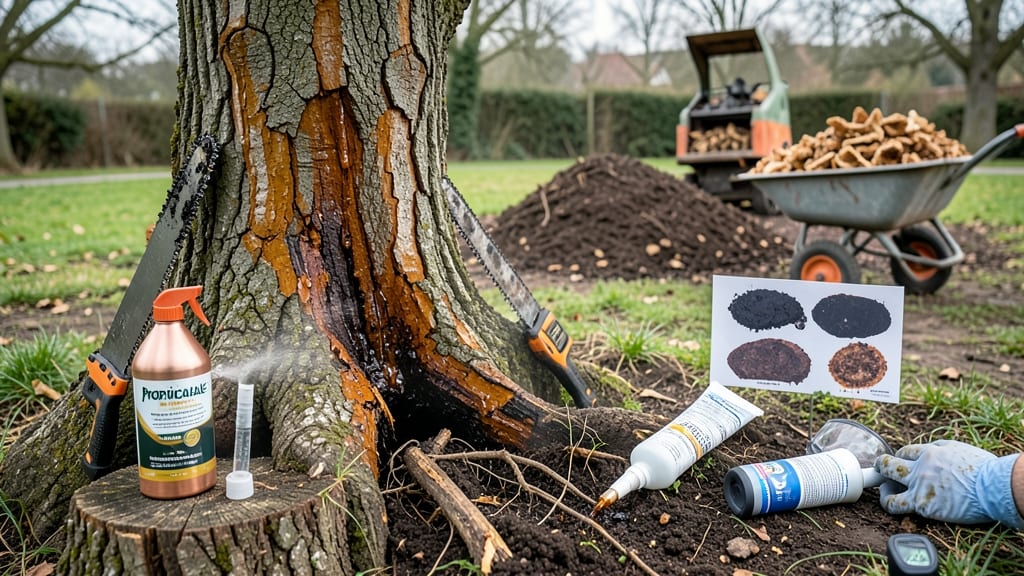
When your oak’s bark starts splitting open like a cracked paint job and mushrooms pop up overnight, you’re dealing with tree fungus and rot treatment specialists—not a death sentence, but a call for precision. 🌱 I’ve watched healthy trees spiral into structural nightmares from untreated rot, but I’ve also seen them bounce back with the right mix of diagnostics and organic treatments.
The key? Spotting the symptoms early (think soft, spongy wood or honey-colored sap) and acting before the fungus claims another branch—or worse, the whole tree.
Most homeowners panic and grab the strongest fungicide they can find, but that’s like throwing a grenade at a squirrel—overkill that might mask the problem without fixing it.
Instead, start with clean pruning cuts (sterilize your tools with rubbing alcohol!) to remove infected wood, then apply organic copper-based sprays or baking soda mixtures (yes, the kitchen staple) to starve the fungus.
For advanced rot, specialists use mycorrhizal treatments to rebuild the tree’s defenses from the roots up—think of it as probiotics for your tree’s soil microbiome.
What you’ll end up with is a tree that’s not just alive, but stronger than before—provided you tackle drainage issues (fungus loves soggy roots) and avoid wounding the bark with tools or string trimmers.
I’ve nursed back trees that looked doomed in as little as one growing season by combining these steps with proper mulching (3–4 inches of wood chips, kept away from the trunk). The best part? Your yard stays fungus-free without harsh chemicals clinging to your kids’ swing set.
This approach works for any tree species—from maples to fruit trees—though some (like willows) are more resilient than others. If your tree’s rot is spreading faster than you can prune, it’s time to call in a specialist for pressure-treated injections or cultural rescue plans.
Either way, you’re not just saving a tree—you’re reclaiming your landscape’s health, one organic treatment at a time.
Root Causes Of Tree Decay
Fungal infections and wood rot in trees aren’t random acts of nature—they’re the result of specific biological, environmental, and human factors working together. Understanding these causes is the first step to preventing or treating decay before it becomes irreversible.
Below, we break down the key reasons trees fall victim to fungus and rot, from microscopic invaders to overlooked maintenance.
Just like humans, trees have natural defenses—but when their immune systems weaken, pathogens like Armillaria (honey fungus) or Fomes fomentarius (tinder fungus) exploit the opportunity. Weakness often stems from:
- Nutrient Deficiencies: Trees deprived of essential nutrients (like nitrogen, phosphorus, or potassium) struggle to produce antifungal compounds. 💡 Pro Tip: Soil tests can reveal imbalances—addressing them with organic fertilizers or mycorrhizal fungi can bolster resistance.
- Water Stress: Overwatering or drought creates ideal conditions for fungal spores. 🌡️ Warning: Soggy soil (from poor drainage) is a red flag—fungi like Phytophthora thrive in waterlogged environments.
- Physical Damage: Cracks, splits, or wounds from storms, construction, or improper pruning give fungi a direct entry point. ✨ Prevention: Seal wounds with tree paint (like Tanglefoot) and prune during dormant seasons to minimize stress.
Fungal spores are everywhere—some are harmless, but others are highly opportunistic. Spores from decaying wood, mulch, or even neighboring infected trees can hitch a ride on wind, water, or insects to colonize healthy trees. Common culprits include:
| Fungus Type | How It Spreads | Signs of Infection |
|---|---|---|
| Armillaria mellea (Honey Fungus) | Spores from infected stumps or roots; spreads via underground rhizomorphs. | Sheets of honey-colored mushrooms at the base; white fan-shaped growths on bark. |
| Polyporus (Shelf Fungus) | Aerial spores; often targets stressed oaks, beeches, or pines. | Bracket-like fungi on trunks; brown cubical rot inside wood. |
| Ceratocystis (Wilt Fungi) | Insect vectors (like bark beetles) carry spores into tree vessels. | Sudden wilting, discolored sapwood, and fungal stains (red/brown). |
🔥 Key Insight: Trees with compromised bark (e.g., from sun scald or frost cracks) are especially vulnerable. Remove infected mulch or debris within 10 feet of the tree to reduce spore sources.
Fungi don’t just appear—they thrive in specific conditions. These environmental factors create the perfect storm for decay:
- High Humidity: Spores germinate best in 70–90% humidity. 💡 Fix: Improve airflow around the canopy with strategic pruning.
- Poor Drainage: Waterlogged roots suffocate beneficial microbes and invite water-loving fungi like Phellinus weirii (Laminated Root Rot). ⚠️ Action: Install French drains or raise soil levels if needed.
- Extreme Temperatures: Freeze-thaw cycles crack bark, while heat stress (e.g., urban heat islands) weakens defenses. 🌡️ Balance: Mulch with wood chips (not bark) to regulate soil temp.
✨ Organic Hack: Compost tea (brewed from aerobic compost) can introduce beneficial microbes that outcompete pathogens.
Even well-intentioned actions can accelerate decay. Common human mistakes include:
- Improper Pruning: Cutting too close to the trunk (within 6–12 inches) creates large wounds that fungi colonize. 🔪 Rule: Use a three-cut method and sterilize tools with 70% alcohol.
- Compacted Soil: Heavy foot traffic or machinery compresses roots, reducing oxygen and inviting anaerobic fungi. 🚜 Solution: Aerate soil annually with a manual fork.
- Ignoring Stumps: Leaving stumps after tree removal leaves a direct fungal highway to the root system. 🌲 Fix: Remove stumps or treat them with borax-based fungicides.
- Over-Mulching: Piling mulch against the trunk (a practice called volcano mulching) traps moisture and heat. 🍄 Correction: Keep mulch 6 inches from the trunk in a 3-inch layer.
🎯 Remember: Fungi exploit stress. Whether from neglect, injury, or environmental factors, decay often follows weakness. The good news? Early intervention—like targeted pruning, soil amendments, or biological controls—can turn the tide.
How to Treat Tree Fungus and Rot
Fungal infections and rot in trees can feel like a death sentence for your prized greenery—but don’t panic. With the right approach, you can stop the spread, restore health, and even save your tree.
Below, we break down practical, step-by-step solutions tailored to the most common causes of tree decay, plus prevention tips to keep your trees thriving long-term.
Cause: Overwatering, poor drainage, or compacted soil traps excess moisture, creating the perfect breeding ground for fungi like Phytophthora or Armillaria.
How to Fix It: 🍳 Improve Drainage Immediately
- Dig a 12-inch-deep trench around the tree’s drip line (the edge of its canopy) to redirect excess water.
- Mix organic matter (compost, bark chips) into the soil to loosen it and encourage airflow.
- Consider installing a French drain if your yard has chronic waterlogging issues.
👨🍳 Adjust Watering Habits
- Water deeply but less frequently—trees need 1–1.5 inches of water per week, but in long, slow sessions (not daily sprinkles).
- Avoid overhead watering—use soaker hoses or drip irrigation to keep foliage dry.
- Mulch properly: Apply 3–4 inches of organic mulch (wood chips, straw) 3 inches away from the trunk to regulate moisture.
🔪 Fungal Treatment (If Infected)
- Hydrogen peroxide (3%) or copper fungicide can be applied to the soil to kill fungal spores.
- Beneficial microbes like Trichoderma (found in organic soil amendments) outcompete harmful fungi.
- Avoid chemical fungicides—they can harm beneficial soil organisms and may not reach deep root zones.
⏰ When to Call a Pro If the tree is leaning, oozing sap, or has mushrooms at the base, root rot may be severe. A tree fungus specialist can assess whether root pruning, aeration, or even transplanting (in young trees) is needed.
Cause: Wounds from storms, pruning cuts, or bark damage allow fungi (Fomes fomentarius, Polyporus) to invade the inner wood, weakening structural integrity.
How to Fix It: 🔥 Prune Strategically (But Carefully!)
- Remove infected branches 6–12 inches below the decay to ensure you cut into healthy wood.
- Seal pruning wounds with pruning paint or wound dressing (only on large cuts over 2 inches).
- Avoid topping trees—this creates more entry points for fungi.
🌡️ Boost Tree Vitality
- Fertilize with slow-release organic fertilizer (like fish emulsion or mycorrhizal inoculants) to strengthen the tree’s immune response.
- Thin the canopy to improve airflow—fungi thrive in dense, damp foliage.
- Monitor for pests (like bark beetles), which can compromise the tree further.
🎯 Structural Support
- If the tree is hazardous, consult an arborist about cabling or bracing to prevent sudden limb failure.
- Remove the tree if >30% of the trunk is hollow—heart rot often means the tree is past saving.
Cause: Fungi like Anthracnose or Venturia attack leaves and bark, causing spots, blight, or sunken cankers—often spread by rain, wind, or infected tools.
How to Fix It: 💡 Clean Up Debris
- Rake and remove all fallen leaves, twigs, and infected branches—fungal spores overwinter in debris.
- Sterilize pruning tools with rubbing alcohol or bleach between cuts.
🌿 Fungal Sprays (Organic Options)
- Neem oil or baking soda spray (1 tbsp baking soda + 1 quart water + a drop of dish soap) can prevent spore germination.
- Copper fungicide (like Copper Soap) is effective for severe infections but use early in the season.
✨ Encourage Natural Defenses
- Plant resistant tree varieties (e.g., disease-resistant oaks or maples if possible).
- Improve air circulation by thinning dense branches.
- Water in the morning so foliage dries quickly—fungi love damp leaves.
- Inspect trees annually for cracks, oozing sap, or unusual discoloration.
- Avoid wounding trees—use proper pruning techniques and protect trunks from lawnmowers.
- Diversify your landscape—fungi spread faster in monocultures (mixed plantings reduce risk).
- Test your soil—pH imbalances (too acidic or alkaline) weaken tree defenses.
Final Thought: 🌳 Most tree diseases are manageable with early action. If you catch the signs early, you can reverse damage, restore health, and prevent spread.
For advanced cases, a tree fungus specialist can provide targeted organic treatments (like biological controls or mycoremediation) to save your tree without harsh chemicals.
Would you like a for monitoring tree health? Let us know in the comments!
Frequently asked questions
How quickly can tree fungus spread if left untreated?
Fungal infections like Armillaria (honey fungus) can spread several feet per year through roots, while surface fungi (e.g., shelf fungi) may advance 6–12 inches annually in ideal conditions. Early signs like discolored bark or mushroom growth at the base mean the fungus is already active—waiting even 3 months can allow it to colonize large sections of the root system or trunk.
What’s the difference between heart rot and root rot?
Heart rot (e.g., caused by Fomes fomentarius) attacks the inner trunk, creating hollow cavities while leaving the outer bark intact. Root rot (e.g., from Phytophthora) targets the root system, causing wilting, yellowing leaves, and mushrooms at the soil line. The key difference? Heart rot weakens structural integrity first, while root rot starves the tree by disrupting water/nutrient uptake.
Can I use household items like vinegar or baking soda to treat tree fungus?
Yes! A baking soda spray (1 tbsp baking soda + 1 quart water + a drop of dish soap) can prevent spore germination on leaves, while white vinegar (1 part vinegar to 3 parts water) may help disinfect tools or pruning wounds. For deeper infections, combine these with copper fungicide or hydrogen peroxide (3%)—household remedies work best as part of a broader treatment plan.
When should I call a tree fungus specialist instead of DIY treatment?
Consult a specialist if you see mushrooms at the base, honey-colored fungal growths, or sudden wilting—these signs often indicate advanced root rot or heart rot. Other red flags: cracks in the trunk wider than 1 inch, oozing sap, or a tree that’s leaning severely. Specialists use pressure-treated injections or mycoremediation for cases where DIY methods fall short.
How do I know if my tree is beyond saving?
A tree is likely beyond saving if >50% of the trunk is hollow, large sections of bark are missing, or the tree leans at a dangerous angle with no structural support. Even then, some species (like willows) may regrow from roots, but most specialists recommend removal if the tree poses a safety risk or the rot has spread to multiple major branches.