Diseases
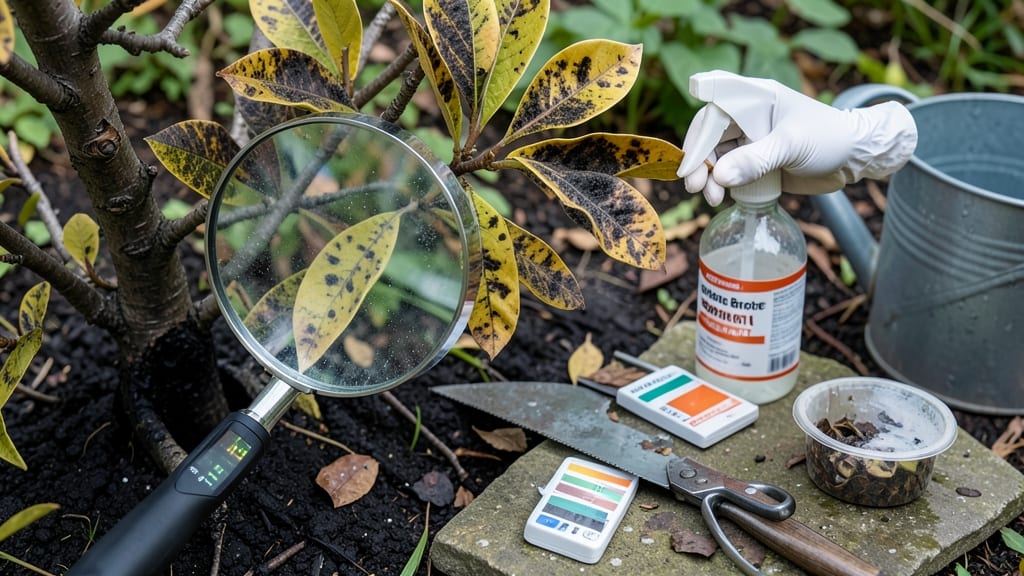
When your brown magnolia tree diseases turn leaves brown, it’s not just an eyesore—it’s a cry for help. 🌿 I’ve watched my own magnolia struggle with browning, and the difference between saving it and losing it often comes down to spotting the problem early.
This guide cuts through the guesswork so you can diagnose the issue and act before it’s too late.
Brown magnolia leaves usually mean one of three culprits: fungal infections like anthracnose, environmental stress from heat or drought, or pest damage from scale insects. The key is checking the edges—if they’re crispy, it’s likely drought; if spots appear, it’s probably a fungus.
I’ve learned to inspect the undersides of leaves first, where pests and early fungal signs often hide.
Fixing it starts with pruning away the worst-affected branches (sterilize your tools first!) and treating with neem oil or copper fungicide for fungal issues. For drought stress, deep watering in the early morning keeps roots happy.
The goal isn’t just to stop the browning—it’s to restore that glossy, vibrant green your magnolia deserves.
Prevention is simpler than you think: mulch to retain moisture, water consistently, and prune for airflow. If the browning spreads fast or the tree looks weak, call an arborist—some issues need professional care. With these steps, your magnolia can bounce back to full, healthy growth in just a few seasons.
Root Causes Behind Browning
When your magnolia tree starts showing brown patches, wilting leaves, or dieback, it’s rarely a random act of nature—it’s usually a response to specific stressors. Understanding why these issues arise is the first step to restoring your tree’s health.
Below, we break down the most common culprits, from environmental factors to biological invaders, with clear explanations of how they trigger browning.
Magnolias are resilient, but extreme or inconsistent conditions can push them over the edge. These environmental factors often lead to browning by disrupting the tree’s ability to absorb water, nutrients, or perform photosynthesis.
#### 🔥 Drought and Water ImbalanceMagnolias thrive in well-draining, consistently moist soil. When drought strikes—or if you’re overwatering (yes, that’s a thing!)—the tree’s leaves and branches can turn brown as a survival response.
- How it happens: Roots struggle to uptake water, leading to wilting (first sign) and eventually necrosis (dead tissue) in leaves and stems.
- Overwatering impact: Soggy soil cuts off oxygen to roots, causing root rot (a fungal disease that accelerates browning).
- Actionable fix: Water deeply 1–2 times per week (depending on climate) and mulch 2–3 inches around the base to retain moisture.
While magnolias love sunlight, intense, direct afternoon sun—especially in hot climates—can scorch leaves, turning them brown and crispy.
- How it happens: High temperatures (>90°F) combined with low humidity cause leaf desiccation (drying out). Young, tender leaves are most vulnerable.
- Signs to watch for: Brown patches on upper leaf surfaces (sun-exposed side) with green undersides.
- Actionable fix:
- Provide afternoon shade (use shade cloth or plant near taller trees).
- Mulch heavily to cool root zones.
- Avoid pruning in peak summer—wait until early spring.
Magnolias are somewhat cold-hardy, but sudden freezes (especially when combined with wind) can cause cold injury, leading to brown, mushy, or blackened branches.
- How it happens: Ice crystals form in plant cells, rupturing them. Evergreen magnolias are more prone because they retain leaves year-round.
- Red flags:
- Brown, dry branches (indicates freeze desiccation).
- Black, slimy areas (sign of secondary fungal infection).
- Actionable fix:
- Wrap young trees in burlap or frost cloth during late fall/winter.
- Plant in sheltered locations (away from wind).
- Water deeply before first freeze to reduce stress.
Pathogens don’t just appear—they exploit weaknesses in your tree’s defenses. Once established, they can spread rapidly, causing browning through leaf spot diseases, cankers, or root infections.
#### 🍄 Fungal Leaf Spots and BlightsFungi like Gloeosporium or Phyllosticta thrive in warm, humid conditions, creating brown spots with yellow halos on magnolia leaves.
- How it happens:
- Spores land on leaves, germinate, and block stomata (pores), preventing gas exchange.
- Toxins produced by fungi kill leaf tissue, leading to browning and premature leaf drop.
- Actionable fix:
- Remove and dispose of infected leaves (don’t compost!).
- Apply copper fungicide in early spring before new growth.
- Improve air circulation by pruning dense branches.
Bacteria like Pseudomonas syringae cause oily, brown spots that ooze when wet. Cankers (sunken, dead areas on stems) can also form, girdling branches and cutting off nutrients.
- How it happens:
- Bacteria enter through wounds (pruning cuts, insect damage) or natural openings (stomata).
- They multiply rapidly in wet conditions, releasing enzymes that digest plant cells.
- Actionable fix:
- Prune only when dry and sterilize tools with 70% isopropyl alcohol.
- Apply copper bactericide (e.g., Copper Sulfate) during wet seasons.
- Reduce overhead irrigation to keep leaves dry.
Fungi like Phytophthora or Armillaria (shelf fungus) attack roots and stems, causing browning from the bottom up. Infected trees may show yellowing leaves, stunted growth, or mushrooms at the base.
- How it happens:
- Waterlogged soil starves roots of oxygen, allowing fungi to colonize.
- Fungi produce toxic metabolites that disrupt nutrient transport, leading to browning and dieback.
- Actionable fix:
- Improve drainage by amending soil with compost or installing a French drain.
- Remove infected mulch and debris within a 3-foot radius.
- For severe cases, consult an arborist about systemic fungicides (e.g., Propiconazole).
Insects like magnolia scale, lace bugs, or spider mites feed on sap, weakening the tree and causing brown, stippled leaves or sooty mold (a black fungal growth on honeydew).
#### 🐛 Scale Insects and Lace BugsThese pests pierce leaves and stems, sucking out
Fixing Brown Magnolia Tree Issues
When your magnolia tree starts showing signs of browning—whether it’s leaves, branches, or bark—quick action can make all the difference. Below, we’ve mapped out practical solutions for the most common causes, along with prevention tips to keep your tree thriving. Think of this as your step-by-step guide to revival!
---
Cause: Fungal diseases like anthracnose, powdery mildew, or root rot thrive in damp, shaded conditions, turning leaves brown and crispy.
How to Fix It: 🔥 🍳 Prune Infected Areas Remove and dispose of (don’t compost!) brown or spotted leaves and branches. Use sterilized pruners (wipe with rubbing alcohol) to avoid spreading spores. Cut back to healthy green tissue—about ¼ inch above the browning.
👨🍳 🥘 Apply Fungicide Spray with a copper-based or sulfur fungicide (like Neem Oil or Fungi-Nil) during early morning or evening to avoid leaf burn.
Reapply every 7–14 days until new growth appears. For root rot, dig out affected soil, replace it with sandy, well-draining mix, and water lightly.
⏰ 🌡️ Improve Airflow & Light Thin out dense branches to reduce humidity near the tree. If planted in shade, consider gradually acclimating it to sunlight (move it to a sunnier spot over weeks).
--- Cause: Scale insects, spider mites, or borers suck sap, causing leaves to brown and drop prematurely.
How to Fix It: 🔥 🔪 Inspect & Remove Pests Check for sticky residue (honeydew) or tiny webs on leaves. Use a strong spray of water to dislodge pests, or apply insecticidal soap (like Safer® Brand) or horticultural oil (spray in late afternoon to avoid leaf burn).
👨🍳 🥘 Set Up Traps For borers, wrap the trunk with sticky tree bands (like Tanglefoot®) to catch crawling pests. For scale, use a soft brush dipped in rubbing alcohol to scrub off clusters.
✨ 🎯 Encourage Natural Predators Ladybugs and lacewings love eating magnolia pests. Plant nearby flowers (like marigolds or daisies) to attract them.
--- Cause: Overwatering, underwatering, or extreme heat/drought can scorch leaves, turning them brown at the edges.
How to Fix It: 💡 🌡️ Check Soil Moisture Stick your finger 2 inches into the soil—if it’s dry, water deeply (1–2 inches per week). If soggy, stop watering and let it dry out. Mulch (2–3 inches of wood chips) to retain moisture and regulate temperature.
🔥 🍳 Protect from Sunburn If leaves are bleached or crispy, your magnolia may be getting too much direct sun. Provide partial shade (especially for young trees) with lightweight shade cloth (30–50% coverage) during peak afternoon sun.
🌿 💪 Fertilize Smartly Brown leaves from nutrient deficiency? Test soil and add a balanced, slow-release fertilizer (like 10-10-10) in early spring. Avoid high-nitrogen fertilizers—they can burn roots.
--- Keep your magnolia healthy and brown-free with these pro tips: - 🌧️ Water at the base (avoid wetting leaves to prevent fungal growth). - 🍂 Clean up fallen leaves regularly (fungi love hiding in them!). - 🔄 Prune in late winter/early spring (never during wet seasons). - 🌡️ Monitor soil pH (magnolias prefer slightly acidic soil, pH 5.0–6.0). - 🐞 Inspect monthly for pests—early action = easier fixes!
--- Remember: Some browning is natural (like older leaves in fall), but if it’s sudden, widespread, or accompanied by wilting, act fast. With the right care, your magnolia can bounce back—and even bloom more beautifully than before! 🌸
Frequently asked questions
Why are my magnolia leaves turning brown in patches but not all at once?
Patchy browning usually signals a fungal infection like anthracnose or leaf spot. These diseases thrive in damp conditions and spread gradually. Check the undersides of leaves for yellow spots with brown centers—this confirms fungal activity. The good news is these can be treated with copper fungicide and proper pruning.
Can I save my magnolia if the browning is spreading fast?
Act immediately! First, remove all infected leaves/branches and sterilize your tools. Apply a copper-based fungicide or neem oil every 7-10 days for fungal issues. For pests like scale, use horticultural oil. If the tree looks structurally weak, consult an arborist—some infections need professional intervention before they become irreversible.
Is it safe to prune brown branches from my magnolia?
Yes, but do it correctly! Prune only when the tree is dry (never after rain) and sterilize your tools with 70% rubbing alcohol to prevent spreading disease. Cut 1/4 inch above healthy green tissue—never leave stubs. The best time to prune is late winter/early spring when the tree is dormant.
Why do some magnolia leaves turn brown at the edges only?
Edge browning typically means underwatering or environmental stress. Check soil moisture—if the top 2 inches are dry, water deeply. Mulch with 2-3 inches of wood chips to retain moisture. If the weather is extremely hot (>90°F), provide afternoon shade to prevent sun scorch.
How can I tell if my magnolia's browning is from pests vs. disease?
Look for these clues: Pests (like scale or lace bugs) leave sticky residue (honeydew) or tiny webs on leaves. Diseases show spots with yellow halos or crusty patches on stems. Inspect the undersides of leaves first—pests hide there, while fungal spores often appear on upper surfaces.