
Trees
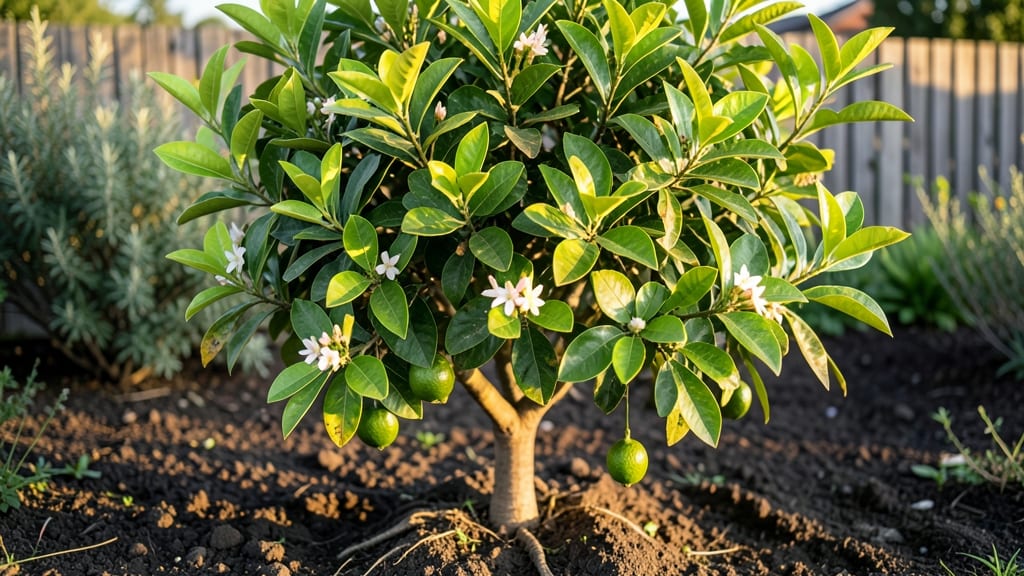
When your tree’s leaves turn that unsettling lime green, it’s not just a color change—it’s a cry for help. 🌿 I’ve seen this on everything from citrus trees to maples, and the causes run from simple fixes to serious problems hiding in plain sight. The good news?
You can often turn things around before the leaves fall. Most lime-green leaves point to nitrogen overload or magnesium deficiency, but pests like spider mites or fungal issues can mimic these symptoms. The key is checking the soil first—sometimes it’s as easy as adjusting fertilizer or watering habits.
My first step? Running a simple soil test kit to rule out nutrient imbalances. By the end of these five steps, you’ll know whether your tree needs pruning, a targeted fertilizer, or just better watering.
The worst-case scenario is still manageable—even if it’s a disease, early action keeps the tree alive. I’ve saved more than a few this way. This works for backyard trees, container-grown citrus, or even those stubborn shade trees that refuse to look healthy. Let’s get that green back to normal.
Root Causes Of Leaf Discoloration
Understanding why your tree’s leaves turn lime green—or worse, yellow—starts with examining the underlying factors. These shifts in color are rarely random; they’re often your tree’s way of signaling stress, disease, or environmental imbalances.
Below, we break down the most common culprits behind this issue, backed by science and actionable insights.
When lime-green leaves appear, nitrogen deficiency is often the top suspect. Nitrogen is essential for chlorophyll production—the pigment that gives leaves their vibrant green hue. Without enough nitrogen, chlorophyll breaks down, leading to pale, yellow-green foliage.
- How it happens: Poor soil quality, overwatering (which leaches nutrients), or compacted soil can starve roots of nitrogen. - What to watch for: Lime-green leaves paired with stunted growth or weak stems. - Actionable fix: Test your soil and amend with organic matter (compost, aged manure) or a balanced fertilizer (10-10-10 or 20-20-20 ratio).
For quick results, use a liquid nitrogen supplement like fish emulsion.
Too much water—or soil that doesn’t drain properly—can suffocate roots, cutting off their access to nutrients and oxygen. This leads to chlorosis, where leaves lose their deep green color and turn lime-green or yellow.
- How it happens: Heavy clay soil, frequent rain, or overzealous watering without mulch can trap excess moisture.
- What to watch for: Yellowing between leaf veins (a classic sign of iron deficiency caused by waterlogged roots).
- Actionable fix:
- Improve drainage by amending soil with perlite or sand.
- Ensure your tree is planted in a well-draining location (avoid low spots where water pools).
- Water deeply but infrequently—let the top 2-3 inches of soil dry out before watering again.
Extreme temperatures or inconsistent sunlight can disrupt chlorophyll production. Young trees, in particular, struggle with heat stress or cold snaps, leading to lime-green leaves as a survival mechanism.
- How it happens:
- Heat stress: High temperatures (above 90°F/32°C) can scorch leaves, reducing chlorophyll.
- Cold damage: Early or late frosts can shock new growth, causing discoloration.
- Shade deficiency: Too little light limits photosynthesis, leading to pale leaves.
- What to watch for: Lime-green leaves on new growth or those exposed to harsh conditions.
- Actionable fix:
- Provide afternoon shade during heatwaves (use shade cloth or strategic planting).
- Mulch heavily to regulate soil temperature (2-4 inches of organic mulch helps).
- Gradually acclimate young trees to sunlight to avoid shock.
Pathogens like anthracnose, powdery mildew, or bacterial leaf spot can interfere with a tree’s ability to produce chlorophyll, resulting in lime-green or yellow patches.
- How it happens:
- Fungal infections (e.g., anthracnose) thrive in humid, wet conditions, clogging leaf pores and blocking nutrient uptake.
- Bacterial infections (e.g., Pseudomonas) can create water-soaked spots that turn yellow-green over time.
- What to watch for:
- Spots, blotches, or powdery residue on leaves.
- Wilting or curling of affected foliage.
- Actionable fix:
- Prune infected branches (sterilize tools with rubbing alcohol) and dispose of them (don’t compost).
- Apply copper-based fungicides or neem oil for organic control.
- Improve airflow around the tree by thinning dense branches.
Soil pH affects nutrient availability. If your soil is too alkaline (high pH), essential minerals like iron, manganese, and zinc become "locked up," preventing the tree from absorbing them—even if they’re present in the soil.
- How it happens: Over-fertilization with lime, hard water, or naturally alkaline soil (common in limestone-rich areas) raises pH.
- What to watch for: Lime-green leaves with yellow veins (a classic sign of iron deficiency).
- Actionable fix:
- Test your soil’s pH (ideal range for most trees: 6.0–7.0).
- Lower pH naturally with sulfur, pine needles, or peat moss.
- Use chelated iron supplements for quick relief (apply in early morning or evening to avoid leaf burn).
Sap-sucking pests like aphids, spider mites, or scale insects weaken trees by feeding on nutrients in the leaves. Their damage disrupts chlorophyll production, leading to lime-green or yellowing foliage.
- How it happens:
- Aphids excrete honeydew, encouraging sooty mold (which blocks sunlight).
- Spider mites thrive in dry conditions, causing stippling and discoloration.
- What to watch for:
- Sticky residue (honeydew) on leaves.
- Fine webbing (spider mites) or black sooty mold.
- Actionable fix:
- Blast off pests with a strong water spray (disrupts their life cycle).
- Use insecticidal soap or neem oil for organic control.
- Introduce beneficial insects like ladybugs or lacewings.
Quick Fixes for Lime Green Leaves
Reviving your tree’s vibrant health starts with pinpointing the cause of those unsettling lime-green leaves—and then acting fast. Below, we’ve mapped out practical, step-by-step solutions for the most common culprits, along with prevention tips to keep your tree thriving long-term. Think of this as your tree’s emergency first-aid kit!
Symptoms: Yellowing leaves with a lime-green tint, soggy soil, or roots sitting in water.
How to Fix It:
- 🔥 Stop Watering Immediately
- Let the soil dry out completely before watering again. Stick your finger 2–3 inches into the soil—if it’s damp, wait.
- 🍳 Improve Soil Drainage
- Mix coarse sand, perlite, or compost into the top 6 inches of soil to aerate it.
- For container trees, ensure pots have drainage holes and use a well-draining potting mix.
- 👨🍳 Repot If Needed
- If roots are circling or the soil is compacted, repot into a larger container with fresh, fast-draining soil.
Prevention Tips:
- 💡 Water deeply but infrequently—trees hate "wet feet."
- 🌡️ Check soil moisture with a moisture meter or your finger.
- ✨ Use raised beds for trees in heavy clay soil.
Symptoms: Lime-green leaves with crispy edges, wilting, or sunburn spots.
How to Fix It:
- 🔪 Provide Afternoon Shade
- Move potted trees to a shadier spot (especially during peak sun, 11 AM–3 PM).
- For in-ground trees, install lightweight shade cloth (30–50% coverage).
- 🥘 Increase Water Frequency
- Water deeply 2–3 times per week (more in extreme heat).
- Use mulch (2–3 inches) to retain moisture and cool roots.
- 🎯 Gradual Sun Acclimation
- If moving a tree outdoors, harden it off by slowly increasing sun exposure over 1–2 weeks.
Prevention Tips:
- 💡 Choose sun-tolerant species (e.g., olive trees, junipers) if full sun is unavoidable.
- 🌡️ Monitor leaf temperature—if leaves feel hot to touch, it’s time to adjust shade.
Symptoms: Lime-green leaves with yellow spots, powdery residue, or tiny holes (from pests like spider mites).
How to Fix It:
- 🔥 Prune Infected Areas
- Cut off and dispose of (don’t compost!) leaves with fungal spots or pest damage.
- 🍳 Apply Fungicide or Insecticide
- For fungi: Use neem oil spray (1 tsp neem oil + 1 tsp mild soap per quart of water). Spray every 7–10 days until cured.
- For pests: Try insecticidal soap or horticultural oil. Reapply after rain.
- 👨🍳 Improve Air Circulation
- Thin out dense foliage or space trees 3–5 feet apart to reduce humidity and fungal spread.
Prevention Tips:
- 💡 Water at the base (avoid wetting leaves) to prevent fungal spores from spreading.
- ✨ Inspect new plants before bringing them home—quarantine for 2 weeks if possible.
Symptoms: Lime-green leaves with yellow veins, stunted growth, or small leaves.
How to Fix It:
- 🔪 Test Your Soil
- Grab a DIY soil test kit (or send a sample to a local extension office) to check pH and nutrient levels.
- 🥘 Choose the Right Fertilizer
- For nitrogen deficiency (yellowing): Use a balanced fertilizer (10-10-10) or compost tea.
- For iron deficiency (lime-green leaves): Apply chelated iron or Epsom salt (1 tbsp per gallon of water, spray leaves).
- 🎯 Feed Seasonally
- Spring/Summer: Fertilize every 6–8 weeks.
- Fall/Winter: Reduce feeding—trees rest!
Prevention Tips:
- 💡 Mulch annually with well-rotted compost to slowly release nutrients.
- 🌡️ Avoid over-fertilizing—more isn’t better! Follow package instructions.
If your tree isn’t improving after 2–3 weeks, it may need professional help. Signs to watch for:
- Mushrooms at the base (root rot).
- Oozing sap or cankers (bacterial/fungal disease).
- Sudden leaf drop despite care changes.
When to Call an Arborist:
- If the tree is large or valuable.
- If you suspect deep-rooted issues (like girdling roots).
Pro Tip: 🌟 Document progress! Take photos weekly to track changes—it helps diagnose stubborn problems faster. Most trees bounce back in 4–6 weeks with the right care. Now grab your watering can and get to work! 🌿💚
Frequently asked questions
Why do my tree's leaves look lime green instead of healthy green?
Lime-green leaves usually signal a nutrient imbalance, often magnesium or iron deficiency or excess nitrogen. These minerals are essential for chlorophyll production—the pigment that gives leaves their vibrant color. Check the soil pH first, as alkaline conditions (high pH) can lock out these nutrients even if they're present.
Can overwatering cause lime green leaves?
Overwatering creates waterlogged soil, which suffocates roots and prevents them from absorbing nutrients like iron and magnesium. This leads to chlorosis (lime-green/yellow leaves). Let the top 2-3 inches of soil dry out between waterings and improve drainage with compost or perlite.
How do I tell if lime green leaves are from pests or nutrient issues?
Check for tiny webs, sticky residue (honeydew), or visible bugs—these indicate pests like spider mites or aphids. Nutrient issues typically show as uniform color changes without visible damage. Flip leaves over and inspect the undersides carefully for signs of infestation.
Will Epsom salt fix lime green leaves?
For magnesium deficiency, yes! Mix 1 tablespoon of Epsom salt per gallon of water and spray it on leaves (early morning or evening). This works best for trees like citrus or roses. For iron deficiency, use chelated iron instead—Epsom salt won't help with iron issues.
How long does it take to see improvement after fixing the problem?
With proper care, you'll often see new growth returning to normal color in 4-6 weeks. Older leaves may stay discolored, but new foliage should look healthy. If no improvement occurs after 2-3 weeks, there may be a deeper issue like root rot or disease requiring professional attention.