
Pruning
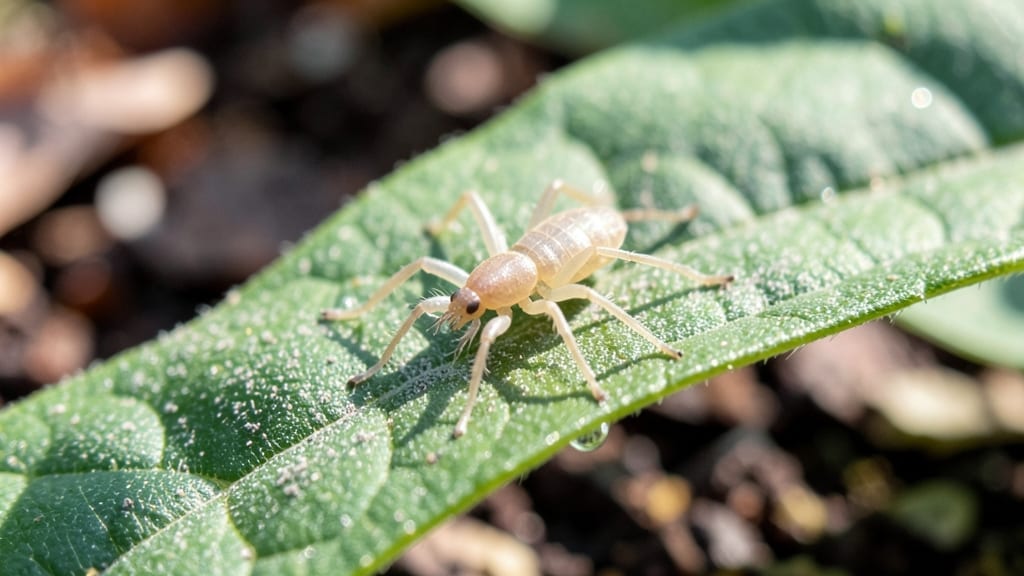
Your maple tree’s leaves are turning yellow and speckled—tree mites might be the culprit. 🌿 I’ve seen these tiny pests turn vibrant maples into sad, dusty shadows, but pruning and targeted treatments can bring them back to life. The key is acting fast before they spin webs across the branches.
These microscopic pests thrive when trees are stressed, often after drought or poor pruning. You’ll spot them as tiny moving dots on leaf undersides or as fine webbing between branches.
My first mistake? Waiting until the leaves looked like lace—by then, the damage was done. The good news? Pruning out heavily infested branches early can cut their numbers dramatically.
You’ll need sharp pruners, a hose for blasting off webs, and either neem oil (for organic control) or horticultural oil (for stronger results). After treatment, monitor for new webbing weekly.
With consistent care, your maple’s leaves will regain their rich green color by summer’s end—and you’ll have a plan to keep them mite-free next year.
This works for sugar maples, red maples, and silver maples alike, though young trees recover fastest. The secret? Catching them before they spin their webs. Let’s get those branches back in shape!
Root Causes of Maple Mites
When your maple tree’s leaves start looking like they’ve been dusted with tiny, moving confetti—or worse, turn yellow and crispy—tree mites are likely the culprits. These microscopic pests thrive under specific conditions, turning your maple’s lush canopy into a battleground.
Understanding why they strike is the first step to reclaiming your tree’s health. Let’s break down the science behind their invasion, so you can outsmart them before they cause lasting damage.
Maple trees with dense, poorly pruned foliage create the perfect hideout for mites. Here’s why:
- Limited airflow: Thick canopies trap heat and humidity, creating a greenhouse effect that mites adore. Studies show mites like Eriophyes (a common maple mite) thrive in temperatures between 70–90°F (21–32°C)—exactly the conditions found in shaded, overgrown branches.
- Food abundance: Dense leaves mean more sap and cellular fluids for mites to feast on. A single mite can consume 10–20 plant cells per day, weakening the tree’s defenses over time.
- Pruning neglect: If you’ve skipped pruning for years, mites have decades of unchecked breeding grounds. Strategic thinning (removing 20–30% of the canopy) disrupts their ecosystem.
Actionable fix: Prune in late winter or early spring to open the canopy and encourage airflow. Focus on removing crossing branches and deadwood—mite hotspots.
Mites are not picky about seasons—they’re opportunists. But prolonged heatwaves and low humidity turn your maple into their all-you-can-eat buffet. Here’s the science:
- Desiccation stress: Maple trees under drought conditions produce more sugars in their leaves to survive, making them sweeter targets for mites. Research from Journal of Economic Entomology shows mite populations spike 3–5x during drought years.
- Slower predator response: Mites’ natural enemies (like ladybugs or lacewings) become less active in dry heat, giving mites free rein. A 2019 study found predator activity dropped by 40% during heatwaves.
- Rapid reproduction: Female mites lay 20–50 eggs per day in ideal conditions (80°F+). Without rain, their offspring don’t drown—they multiply.
Actionable fix:
- 💡 Water deeply during heatwaves (1–2 inches per week) to reduce leaf sugar content.
- 🌡️ Use shade cloth on young trees if your region faces extreme heat.
- ✨ Monitor humidity: Mites hate 60%+ humidity—consider a sprinkler system for large trees.
A healthy maple tree is like a fortress—mites can’t breach its defenses. But stress from poor soil, disease, or pest history leaves it vulnerable. Here’s how it happens:
| Stress Factor | How It Helps Mites | Science Behind It |
|---|---|---|
| Compacted or poor soil | Reduces nutrient uptake, making leaves less resilient to mite saliva (which contains enzymes that break down cells). | Studies show trees with low nitrogen produce thinner cell walls, making them easier for mites to penetrate. |
| Past pest/disease damage | Mites target trees already weakened by aphids, scale insects, or fungal infections. | Damaged trees release volatile organic compounds (VOCs) that attract mites as a signal of “easy prey.” |
| Lack of pruning | Dead or dying branches provide shelter and moisture for mite colonies. | Mites prefer shaded, humid microclimates—exactly what deadwood creates. |
Actionable fix:
- 🌱 Test soil pH (ideal: 6.0–7.0 for maples) and amend with compost or mycorrhizal fungi to boost immunity.
- 🛡️ Treat other pests first: Address aphids or scale before mites arrive—they’re often early warning signs.
- ✨ Fertilize in early spring with slow-release nitrogen to strengthen cell walls.
Pro tip: If your maple has yellowing leaves with stippled patterns (tiny white dots), it’s a classic sign of Eriophyes mites. Act now—these pests spread faster than you think! 🚨
Fixing Maple Tree Mite Damage
Maple trees can become a battleground for tiny but destructive tree mites, but don’t let these microscopic pests win! With the right approach, you can restore your tree’s health and prevent future outbreaks.
Below, we’ve mapped out practical, step-by-step solutions tailored to the root causes of mite infestations—so you can act fast and see results.
Before treating, confirm that mites (not aphids, spider mites, or fungal issues) are the culprit. Look for:
- Tiny yellow or brown speckles on leaves (early sign of feeding damage).
- Webbing or stippling (tiny dots) on the undersides of leaves.
- Premature leaf drop or curled, discolored foliage.
- Mites themselves (use a magnifying glass—tree mites are < 0.02 inches long!).
💡 Pro Tip: Shake a leaf over white paper—if you spot tiny moving dots, it’s mites!
🍳 Prune damaged foliage (immediate rescue)
Cause: Heavy infestations weaken the tree, making it vulnerable to secondary stress. Fix: 1. Remove severely infested branches (focus on new growth where mites thrive).
- Use clean, sharp pruners (sterilize with rubbing alcohol between cuts).
- Trim 1–2 feet beyond visibly damaged areas to stop spread.
- Bag and dispose of pruned leaves off-site (do not compost—mites can survive!).
- Thin the canopy to improve airflow (mites love dense, humid conditions).
⏰ Timing: Do this in early spring (before mites peak) or late summer (after they’ve fed).
👨🍳 Apply targeted sprays (chemical & organic options)
Cause: Mites multiply rapidly—chemical or natural sprays can break their life cycle.
| Solution | How to Use | Best For | Safety Notes |
|---|---|---|---|
| Neem Oil | Mix 1 tbsp neem oil + 1 tsp mild soap per gallon of water. Spray thoroughly (top/bottom of leaves). | Early-stage infestations, organic gardens | Apply in evening to avoid burning leaves. |
| Horticultural Oil | Use dormant oil in late winter (before buds swell) or summer oil during active growth. | Severe infestations, overwintering eggs | Avoid if temps are below 40°F or above 90°F. |
| Insecticidal Soap | Spray directly on mites (focus on undersides). Reapply every 5–7 days. | Light to moderate outbreaks | Test on a small leaf first—can cause spotting. |
| Systemic Granules | Apply imidacloprid or dinotefuran to soil (follow label rates). Water in well. | Large trees or persistent problems | Not organic; use as a last resort. |
💡 Pro Tip: Add a surfactant (like dish soap) to sprays to help them stick to leaves!
🔪 Encourage natural predators (eco-friendly boost)
Cause: Mites thrive when their predators (like ladybugs, lacewings, or parasitic wasps) are scarce. Fix:
- Plant companion plants near your maple tree to attract predators:
- Dill, fennel, or yarrow (lure beneficial insects).
- Asters or goldenrod (provide habitat for lacewings).
- Install a insectary plant (like marigolds) in pots near the tree.
- Avoid broad-spectrum pesticides (they kill predators too!).
✨ Bonus: Bird feeders near the tree can boost local bird populations, which eat mites!
🌡️ Adjust watering & soil care (prevent future outbreaks)
Cause: Stress from drought or overwatering makes maples more susceptible to mites. Fix: - Water deeply but infrequently (1–2 inches per week).
Mites hate dry conditions but also waterlogged roots. - Mulch properly (2–3 inches of wood chips or bark) to retain moisture and regulate soil temp. - Test soil pH (ideal for maples: 6.0–7.5). Amend with lime (to raise pH) or sulfur (to lower it) if needed.
💡 Pro Tip: Drip irrigation keeps foliage dry, reducing mite-friendly humidity.
Stop mites before they start with these easy habits:
- Inspect trees weekly during spring and summer (catch infestations early).
- Prune in late winter to remove overwintering egg sites (mites lay eggs on buds).
- Keep grass short under the tree (miters hide in tall grass).
- Avoid nitrogen-heavy fertilizers (soft new growth attracts mites—opt for balanced 10-10-10 instead).
- Quarantine new plants for 2 weeks before adding to your yard.
If your maple tree is large, heavily infested, or showing signs of decline (like oozing sap or dead branches), it’s time for an arborist. They can:
- Perform high-canopy pruning safely.
- Recommend tree-specific treatments (like trunk injections).
- Diagnose secondary issues (like fungal infections from mite damage).
Final Thought: Tree mites on maples are manageable—act fast, stay consistent, and lean on nature’s helpers to keep your tree lush and strong. With these steps, you’ll be well on your way to mite-free maple glory! 🌳💚
Frequently asked questions
How can I tell if my maple tree has tree mites instead of spider mites or aphids?
Tree mites on maples create tiny yellow/brown speckles on leaves, while spider mites form fine webbing between branches. Aphids leave sticky residue (honeydew). Use a magnifying glass—tree mites are 0.02 inches long and move slowly, while spider mites are red and faster.
Is neem oil safe to use on maple trees during flowering?
Neem oil is low-risk for maples during flowering, but apply it in the evening to avoid harming pollinators. Avoid spraying directly on open flowers—focus on leaf undersides where mites hide. Always test a small branch first.
Why do tree mites seem to disappear after heavy rain?
Heavy rain washes mites off leaves and disrupts their life cycle. They’re also sensitive to humidity—60%+ moisture makes their environment unfavorable. However, they’ll return quickly if conditions (like dense foliage) stay ideal.
Can I use the same pruning tools for my maple tree after treating mites?
No! Sterilize tools with rubbing alcohol or a 10% bleach solution between trees to prevent spreading mites. Mites can hide in crevices and reinfest if tools aren’t clean.
How often should I check my maple tree for mites after treatment?
Inspect every 7–10 days during growing season (spring–fall). Focus on new growth—mites target tender leaves. After treatment, reapply sprays if you spot fresh stippling or webbing.