
Pruning
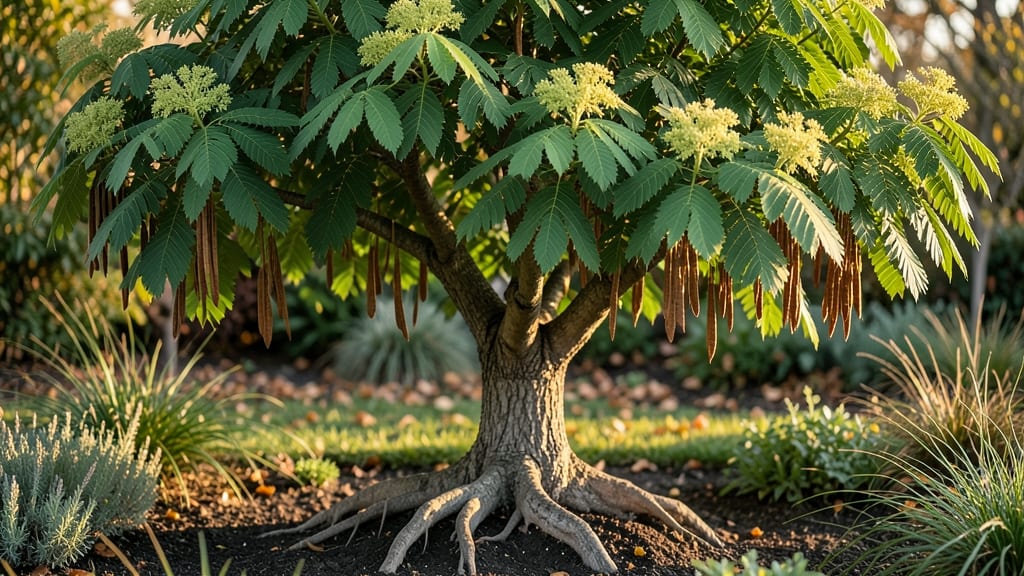
Tree of heaven pods are nature’s way of warning you—this invasive tree spreads like wildfire and poisons the soil. 🌿 I’ve watched them take over backyards, choking out native plants and making yards look like a jungle nightmare.
The pods alone won’t kill your garden, but they’re the first sign of a plant that’s already winning the battle against your landscape.
These pods are the plant’s secret weapon: they sprout easily, even in cracked pavement, and the tree’s roots release chemicals that stifle nearby vegetation. Once established, removal becomes a years-long battle.
The key is acting fast—before the pods have a chance to germinate and before the tree’s roots dig in deeper than your shovel.
You’ll reclaim your yard by cutting the tree at the base, bagging every pod, and monitoring for new sprouts. It’s tedious work, but within a season, you’ll see native plants reclaiming space.
The air smells fresher, the soil stops fighting back, and you’ll finally have control over what grows in your yard.
This method works for any size yard, from suburban backyards to rural properties. The sooner you tackle the pods, the easier the cleanup—and the sooner your garden can heal. Let’s get started on the cleanup before they take over completely.
The Hidden Triggers Behind Pod Spread
The prolific spread of tree of heaven pods isn’t random—it’s driven by a mix of biological traits, environmental factors, and human activity. Understanding these causes helps homeowners and land managers take targeted action before infestations become unmanageable. Here’s why these pods take over so aggressively.
The tree of heaven (Ailanthus altissima) is a master of passive spread, relying on lightweight, winged pods to hitch rides on the wind. Each pod splits open when mature, releasing hundreds of tiny, buoyant seeds that can travel up to a mile from the parent tree.
Birds, squirrels, and even deer also unintentionally spread seeds by feeding on the pods or carrying them in fur or feathers.
- Wind-assisted spread: Pods release seeds in late summer and fall, aligning with peak wind patterns. Urban areas with open spaces or near highways accelerate this process.
- Animal involvement: While the seeds aren’t highly nutritious, animals may still ingest them, excreting them far from the original tree—often in nutrient-rich soil where germination rates skyrocket.
- Actionable fix: Remove pods before they split (hand-picking or bagging) and monitor areas with high wildlife activity.
Even a small stump or broken root can regenerate into a full-grown tree if left untreated. The tree of heaven produces vigorous underground suckers and aerial shoots, making it nearly impossible to eradicate with surface-level cuts alone.
Its deep taproot system also allows it to outcompete native plants for water and nutrients.
- Underground suckers: A single root fragment can sprout multiple stems, creating dense thickets. These suckers are especially active in disturbed soil (e.g., construction sites, garden beds).
- Sprout clusters: If you prune the tree but leave any part of the root system intact, new shoots will emerge within weeks. This is why stump grinding (not just cutting) is critical.
- Actionable fix:
- Use a stump grinder to remove roots below the soil line.
- Apply herbicide to fresh cuts (e.g., glyphosate) to prevent regrowth.
- Mulch heavily around treated areas to block sunlight and suppress sprouts.
Tree of heaven thrives in human-altered landscapes, where competition from native plants is weak. It’s particularly drawn to:
| Environmental Factor | Why It Helps the Tree | How to Counter It |
|---|---|---|
| Compacted or disturbed soil | Weakens native plants, giving the tree an open niche to dominate. | Improve soil health with compost or mulch to support competitors. |
| High-nitrogen areas (e.g., lawns, farmland) | Fast growth and seed production are fueled by excess nitrogen. | Reduce fertilizer use or switch to slow-release, organic options. |
| Lack of natural predators | Unlike native trees, it has few insects or diseases to control its spread. | Introduce competitive native plants (e.g., black walnut, hickory) to outcompete it. |
Pro tip: 🌡️ Tree of heaven pods germinate best in full sun and warm soil (60–80°F). Shade out young seedlings with dense mulch or plant ground covers like clover or creeping thyme.
While the tree spreads naturally, human actions often amplify the issue:
- Landscaping choices: Buying or planting tree of heaven (even as an ornamental) introduces it to new areas. Its fast growth and tolerance for pollution make it a "convenient" but disastrous choice.
- Construction and land clearing: Heavy machinery disrupts soil, creating perfect conditions for root suckers to take hold. Roadsides and parking lots become prime real estate for invasive spread.
- Firewood and wood chips: Transporting infested wood (even as mulch) can spread seeds or root fragments to new locations.
- Actionable fix:
- 🔥 Verify plant sources: Only purchase native or non-invasive species from reputable nurseries.
- 🚜 Post-construction care: Treat disturbed areas with pre-emergent herbicides or plant competitive ground covers immediately.
- ✨ Report sightings: Notify local extension offices or invasive species task forces to coordinate removal efforts.
By targeting these root causes—literally and figuratively—you can disrupt the tree of heaven’s lifecycle before it takes over your property. Early intervention is key, as mature trees produce thousands of pods per year, each capable of starting a new invasion.
How to Remove & Prevent Spread
Dealing with invasive tree of heaven pods requires a mix of immediate action and long-term prevention. Below, we break down practical solutions based on the root causes—whether you’re dealing with existing trees, fallen pods, or preventing future growth.
If the tree is already mature, complete removal is the only foolproof solution. Partial cutting encourages regrowth, and the roots can sprout new shoots.
Steps to Eliminate the Tree: 🔪 Cut the trunk at the base – Use a chainsaw or professional arborist to sever the main stem as close to the ground as possible. 🌱 Dig out the root system – The tree’s roots can spread aggressively. Use a shovel or root saw to expose and remove as much of the root ball as possible. Avoid leaving stumps—they’ll regenerate. 💨 Check for root fragments – Even small root pieces can sprout. Inspect the soil and remove any remaining roots. 🔥 Burn or dispose properly – If local regulations allow, burn the wood and roots (check fire codes first). Otherwise, take them to a landfill or green waste facility.
⚠️ Warning: Do not compost tree of heaven wood or roots—this can spread seeds!
Those spiky, seed-filled pods are the tree’s way of spreading. If you’ve already got pods littering your yard, act fast.
How to Clean Up Pods: 🧹 Pick them up by hand – Wear gloves to avoid skin irritation. Place pods in a sealed plastic bag. 🚯 Do NOT compost them – The seeds can survive decomposition and sprout later. 🗑️ Dispose in the trash – Double-bag them and toss in outdoor trash bins (not recycling). 💦 Wet them down (optional) – If pods are still on the tree, soak them with water to weaken seed viability before removal.
💡 Pro Tip: Check your yard after storms—pods scatter easily, and even one missed seed can start a new tree.
If you can’t dig out every root (or the tree is too large), use these chemical-free or chemical-assisted methods:
🌱 Smothering Method (Best for Small Roots)
- Cover the area with thick cardboard or landscape fabric – Block sunlight to prevent regrowth.
- Add 4–6 inches of mulch or wood chips – Keep the area suppressed for 1–2 years to starve remaining roots.
- Monitor for new shoots – If any pop up, dig them out immediately.
💊 Herbicide Application (For Large Infestations)
- Use a systemic herbicide (like glyphosate) on freshly cut stumps or foliar spray for large trees.
- Follow label instructions carefully – Reapply as needed, especially if regrowth occurs.
- Avoid spraying on windy days – Drift can harm nearby plants.
✨ Eco-Friendly Alternative: Vinegar + dish soap spray (for small shoots) – Mix 1 gallon vinegar + 1 oz dish soap, spray directly on leaves. Repeat weekly until dead.
Once you’ve removed the tree, stop it from coming back with these long-term strategies:
🚧 Block Seed Dispersal
- Install physical barriers – Use fencing or mulch barriers around your property to prevent wind-blown pods from landing in your yard.
- Keep gutters and drains clear – Pods can wash into storm drains and sprout elsewhere.
🌿 Regular Inspections
- Check for new shoots – Tree of heaven can regrow from root fragments or seeds for years.
- Pull weeds near old growth areas – Young shoots resemble weeds; remove them early.
🎯 Professional Help for Large Areas
If your neighborhood is overrun, consider:
- Hiring an arborist – They have heavy equipment to remove deep roots.
- Contacting local invasive species programs – Some regions offer free or subsidized removal for aggressive plants.
💡 Final Prevention Tip: Plant native trees instead! Tree of heaven thrives in disturbed soils—restoring native vegetation makes your yard less hospitable to invaders.
By acting now, you’ll save your yard from becoming a toxic jungle—and help your community stay green (and safe) for years to come!
Frequently asked questions
Are tree of heaven pods poisonous to humans or pets?
The pods themselves aren't highly toxic, but they can cause skin irritation if handled without gloves. The real danger comes from the tree's roots, which release chemicals (allelochemicals) that poison soil and harm nearby plants. Keep pets and children away from the area while removing pods or roots.
Can I just burn the pods to kill the seeds?
Burning pods can help reduce seed viability, but it's not 100% effective. Some seeds may survive if not completely incinerated. For best results, combine burning with proper disposal in sealed trash bags. Always check local burn regulations first—some areas ban outdoor burning.
How do I tell tree of heaven pods apart from other tree seeds?
Tree of heaven pods are distinctive with their winged, samara-like shape (like a helicopter blade) and spiky, brown appearance. They're larger than maple samaras but smaller than ash keys. The tree itself has compound leaves with 7-13 leaflets and a strong, unpleasant odor when crushed.
Will vinegar kill tree of heaven roots?
Vinegar can kill small shoots but won't penetrate deep roots. For roots, you need systemic herbicide or physical removal. The vinegar method works best for young seedlings—mix 1 gallon vinegar + 1 oz dish soap and spray directly on leaves. Reapply weekly until dead.
How long does it take for tree of heaven to regrow after removal?
New shoots can appear within 2-4 weeks if any roots remain in the ground. That's why stump grinding is crucial—even small root fragments can sprout. Monitor treated areas for 2-3 years as roots may take that long to fully decompose.