
Pruning
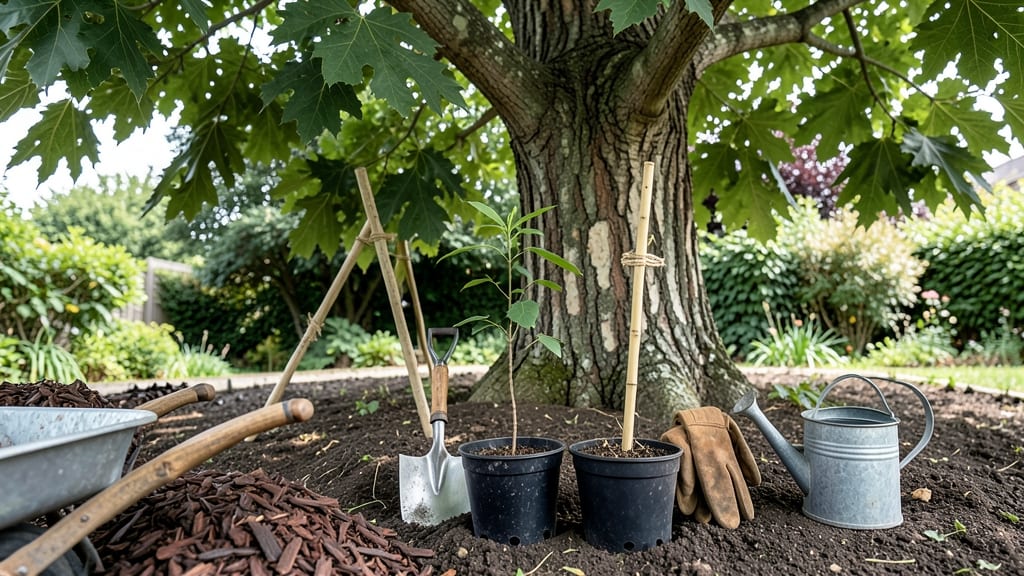
Planting a tree in London isn’t just about digging a hole—it’s about defying the city’s concrete grip to create lasting green spaces. 🌳 The key is choosing the right species for London’s clay-heavy soil and unpredictable weather, then giving it the care it needs to thrive where others fail.
I’ve planted everything from London plane trees to silver birches, and the difference between a struggling sapling and a flourishing canopy comes down to these proven techniques.
Start with soil prep: London’s clay soil drains poorly, so mix in organic matter like compost or well-rotted manure to improve aeration. Native species like field maple or hawthorn handle the conditions better than ornamental imports, though ornamental choices like cherry blossom can still work with the right aftercare.
The best time to plant is late autumn to early spring, when the ground isn’t frozen and competition for water is low.
Once planted, mulch heavily to retain moisture and protect roots from temperature swings—London’s urban heat island effect can bake young trees in summer. Water deeply once a week for the first year, and avoid fertilizers until the tree establishes itself.
With these steps, you’ll see roots spreading into the city’s soil within 12 months, setting the stage for decades of shade and wildlife support.
London offers resources like the Tree Council’s free tree-planting guides and local nurseries stocked with urban-adapted species. Check your borough’s regulations too—some areas require permits for larger trees. The payoff? A tree that grows strong enough to outlast the pavement around it, one leaf at a time.
📚 In This Guide
- What you need
- Instructions
- Tips and common mistakes
- Wrapping up and next steps
What you need
- ● Tree sapling: 1 native species (e.g., London Plane, Silver Birch, or Hawthorn)—check local guidelines for best fits!
- ● Size: 1–3 meters tall, container-grown or bare-root (season-dependent).
- ● Planting hole supplies: 1 shovel (or digging spade for precision)
- ● 1 garden fork (for aerating soil)
- ○ 1 tree planting spade (optional but helpful for delicate roots)
- ● Soil amendments (if needed): Compost or well-rotted manure (1–2 buckets)
- ● Grit or sharp sand (1 bucket) for drainage (critical in clay-heavy London soil!)
- ● Support & protection: 1 tree stake (if sapling is tall/unsteady)
- ● 1 tree tie (soft fabric or rubber, not wire)
- ● Mulch (2–3 inches of bark chips or straw)
- ● Watering tools: 1 watering can (5–10 liters) or hose with gentle spray nozzle
- ○ 1 soaker hose (optional, for deep watering)
- ● Root stimulator gel (follow label instructions)
- ● Eco-friendly weed barrier (landscape fabric)
- ● Pest deterrents (e.g., copper tape for slugs)
- ● GPS coordinates or planting map (if contributing to a community project!)
- ● Check London Borough guidelines—some areas require permits for street planting!
- ● Test soil pH (ideal: 6.0–7.5 for most native trees).
- ● Plan for root space—measure mature tree spread (e.g., London Plane needs 20+ feet!).
- ● Schedule planting for autumn/winter (best root establishment) or early spring.
Step-by-Step guide for planting trees in London’s urban environment
London’s climate and soil demand a thoughtful approach—here’s how to plant trees that thrive in the city’s unique conditions.
🌱 Step 1: Choose the Right Tree for London’s Climate
London’s USDA Zone 8b-9a climate and urban soil require species that tolerate pollution, compacted ground, and seasonal extremes. I recommend native or adapted trees like London plane (Platanus × acerifolia), field maple (Acer campestre), or silver birch (Betula pendula)—they handle the city’s stress better than delicate imports.
Check your site’s sunlight exposure: full sun (6+ hours) for most species, but shade-tolerant options like hornbeam (Carpinus betulus) work well in narrow streets. Avoid planting near overhead cables or within 10 feet of buildings—root systems can damage foundations over time.
🪴 Step 2: Prepare the Planting Hole and Amend Urban Soil
Dig a hole twice as wide as the root ball but no deeper—this prevents root suffocation. London’s clay-heavy soil drains poorly, so loosen the sides of the hole with a fork to encourage root spread. Remove any construction debris or old concrete fragments you find.
Mix the excavated soil with 30% compost (not peat—it compacts when wet) and a handful of mycorrhizal fungi to boost root establishment. This improves drainage and nutrient uptake, critical for urban trees struggling with compacted soil. Water the amended soil before planting to help it settle.
☀️ Step 3: Plant with Proper Spacing and Support
Position the tree so the top of the root ball sits 1-2 inches above ground level—this prevents waterlogging during heavy London rains. Spread roots gently if pot-bound, but don’t force them. Backfill with the amended soil, tamping lightly every 6 inches to eliminate air pockets.
Stake only if necessary (young trees in windy areas), using two stakes at opposite sides and a tree tie—not wire, which can girdle the trunk. Water deeply immediately after planting to encourage root contact with the amended soil. A 5-gallon bucket of water is ideal for small trees.
💧 Step 4: Mulch and Establish a Watering Routine
Apply 3 inches of wood chip mulch in a 3-foot diameter circle, keeping it 6 inches away from the trunk to prevent rot. London’s urban heat island effect dries soil quickly, so mulch retains moisture and regulates temperature. Avoid plastic mulch—it traps heat and suffocates roots.
Water twice weekly for the first month, then taper to once weekly unless there’s no rain for 10+ days. Deep watering (soaking the root zone) is better than frequent light watering. After six months, most urban trees establish enough to handle London’s erratic rainfall patterns.
✂️ Step 5: Prune and Monitor for Urban Stress
Remove any broken branches immediately after planting, but avoid heavy pruning—this stresses newly established trees. Focus on shaping in late winter when the tree is dormant. London’s pollution can cause leaf scorch, so I recommend a foliar feed in spring to boost resilience.
Check the base of the trunk annually for voles or fungal growth—common in London’s damp urban soils. If you see gnaw marks or white mycelium, treat promptly with organic solutions. Healthy urban trees develop a thick bark layer within 3-5 years, signaling successful establishment.
Tips & tricks for perfect urban tree planting in London
London’s urban environment throws unique challenges at tree planters—here’s how to give your new greenery the best fighting chance from day one.
Species Selection Wisdom: When choosing between London plane, field maple, or silver birch in Step 1, consider the tree’s mature size relative to your space. A mature London plane can reach 60 feet tall with a 40-foot spread—ensure you have the clearance, especially in narrow streets. For small gardens, field maple’s compact growth (20-30 feet) makes it ideal. I always check local council guidelines first, as some areas restrict large species near properties.
Soil Amendment Strategy: In Step 2, that 30% compost-to-soil ratio is non-negotiable for London’s clay-heavy conditions, but don’t overlook the mycorrhizal fungi. These beneficial fungi form symbiotic relationships with tree roots, helping them absorb nutrients more efficiently. I source mine from local garden centers that specialize in organic amendments—it’s worth the small investment for urban trees struggling with compacted soil.
Watering Routine Mastery: The twice-weekly watering schedule in Step 4 works perfectly for London’s climate, but timing matters just as much as frequency. I recommend watering in the early morning (between 6-9 AM) to reduce evaporation and fungal risks. During the first month, I set a timer on my watering can to ensure each 5-gallon bucket empties completely—this guarantees proper root saturation without waterlogging.
Long-Term Monitoring Secret: That 3-5 year timeline for bark thickening in Step 5 is your best indicator of success, but don’t wait until then to intervene. I check my trees annually for early signs of stress like yellowing leaves or stunted growth. London’s pollution often causes leaf scorch, so I’ve found that applying a foliar feed containing iron and manganese in early spring gives trees an extra boost of resilience during their critical growing months.
Pro Tips for Tree Planting London
- London’s urban environment throws unique challenges at tree planters—here’s how to give your new greenery the best fighting chance from day one.
- Species Selection Wisdom: When choosing between London plane, field maple, or silver birch in Step 1, consider the tree’s mature size relative to your space.
- Soil Amendment Strategy: In Step 2, that 30% compost-to-soil ratio is non-negotiable for London’s clay-heavy conditions, but don’t overlook the mycorrhizal fungi.
Frequently asked questions
Got questions about planting trees in London’s urban landscape? You’re not alone! Here are some of the most common queries—and straightforward answers—to help you get growing with confidence.
When is the best time to plant a tree in London?
The ideal window is late autumn to early spring (November–March), when the ground is soft and frost isn’t a threat. London’s mild winters make this perfect for root establishment before summer heat. Avoid planting in extreme heat or drought—roots need moisture to thrive!
How much does it cost to plant a tree in London?
Costs vary widely: small saplings start at £10–£30, while mature trees or professional planting services can run £100–£500+. Check local schemes like City of London’s tree grants or community projects for discounts—sometimes trees are free!
Can I plant a tree in my London garden if I rent?
Yes, but check your lease first! Many landlords allow it with permission, especially for small trees. If unsure, opt for container-grown trees (easy to remove later) or consult your property manager. Pro tip: Offer to maintain it—landlords often say yes to low-hassle greenery!
What’s the easiest tree to grow in London’s urban conditions?
For beginners, try Silver Birch (tolerates pollution), Hawthorn (hardy and wildlife-friendly), or Rowan (drought-resistant). Avoid fast-growing species like Willow—they can damage foundations. Always research local soil pH and sunlight before choosing!
My newly planted tree looks sad—what went wrong?
Common culprits: underwatering (check soil moisture weekly), over-pruning (wait 1–2 years before trimming), or poor soil. London’s clay-heavy soil? Mix in compost! If leaves yellow, it might be root rot—ensure good drainage. Most trees bounce back with TLC!
Still stumped? Drop your question in the comments—we’re happy to help your London tree thrive!
Wrapping up and next steps
Planting trees in London isn’t just about beautifying the city—it’s a powerful way to cool urban heat, boost biodiversity, and create healthier spaces. 🌳 Whether you’re a green thumb or a beginner, every seedling counts, and with the right knowledge, your efforts will flourish. Now’s your chance to take action: research local planting events, gather supplies, and start transforming London’s skyline—one tree at a time!
Next step: Pick a spot, dig in, and share your progress with the community! 🌱