
Pruning
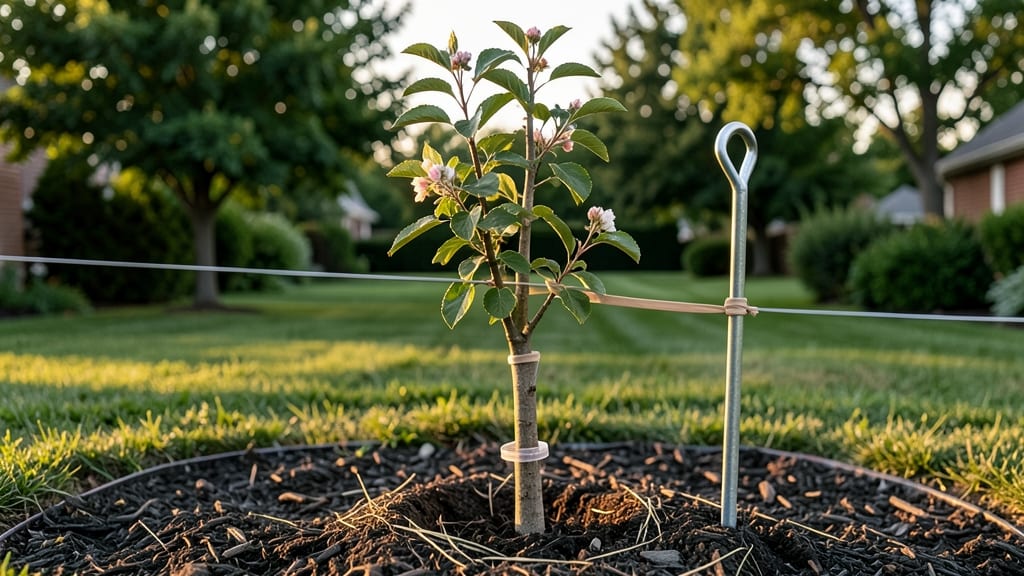
Tree stake wire keeps your tall plants standing strong in even the windiest spots. 🌳 I’ve seen too many young trees topple in spring storms—until I learned how to use this simple but powerful support system.
The key isn’t just tying them up; it’s doing it right so the wire works with the plant, not against it.
You’ll need just three things: sturdy stakes, flexible wire (1-2mm gauge), and a little patience. The wire should be snug but not cutting—think of it like a gentle hug that guides growth, not restricts it.
Too tight, and you’ll girdle the trunk; too loose, and it won’t hold in a breeze. I’ve ruined stakes both ways, so I’ll show you how to get it perfect.
By the end, your plants will stand straighter and stronger than ever, with no risk of damage. The wire stays hidden once the plant matures, and you’ll avoid the common mistake of over-staking—where trees grow weak from too much support.
This method works for tomatoes, sunflowers, and young trees alike, even in high-wind zones.
We’ll cover when to stake (hint: not always!), how to adjust tension as the plant grows, and what to do when it’s time to remove the wire. No more guessing—just foolproof support that lasts all season. Let’s get started!
📚 In This Guide
- What you need
- Instructions
- Tips and common mistakes
- Wrapping up and next steps
What you need
- ● Tree stake wire – Choose 18-20 gauge galvanized steel wire (10–20 ft per stake, depending on plant height). Pro tip: 💡 Opt for coated wire to prevent rust and extend lifespan.
- ● Tree stakes or bamboo supports – 2–4 stakes per plant, sized to match plant diameter (e.g., ½–1 inch thick, 3–4 ft tall).
- ● Soft plant ties or rubber tree straps – 2–3 per stake (avoid plastic ties that can girdle stems).
- ● Gardening gloves – To protect hands from wire and rough bark.
- ● Pruning shears – For trimming excess branches that might interfere with staking.
- ● Measuring tape – To gauge wire length and stake placement.
- ● Wire cutters – For trimming wire to size (avoid using pliers—they can damage the wire).
- ○ Staple gun (optional) – To secure wire loops to stakes if needed.
- ● Sunny, calm day – Staking works best when plants are hydrated and the wind isn’t howling! ⛈️
- ● ✨ Avoid over-tightening wire—leave room for plant growth (about 1–2 inches of slack).
- ● 🌡️ Use wire with a memory—pre-bend it to reduce kinking during installation.
- ● 🎯 For delicate stems, wrap wire loosely with soft fabric strips to prevent abrasions.
How to install tree stake wire for sturdy plant support
Here's the simple method I use to keep tall plants growing strong in windy spots.
🪴 Step 1: Select the Right Wire and Stake for Your Plant
Choose a 36-inch galvanized tree stake wire for most garden plants—it's flexible enough to adjust as your plant grows but sturdy enough to handle wind. For larger trees or wind-prone areas, opt for 48-inch wire. Pair it with a 1-inch diameter wooden stake or metal rod that's at least half the height of your plant.
Drive the stake into the soil 3-4 inches deep about 6-8 inches away from the plant stem. You want it angled slightly toward the plant's natural lean—this prevents the wire from cutting into the bark as it grows. Tap the stake firmly with a mallet until it's steady, but don't pound it so hard you compact the soil around the plant's roots.
💧 Step 2: Attach the Wire with Gentle Tension
Loop the wire around the plant stem 6-8 inches above the soil line. For delicate stems, use a soft fabric strip between the wire and plant to prevent scratches. Wrap the wire around the stake twice to create a secure anchor point, leaving 2-3 inches of slack so the plant can sway slightly in wind without resistance.
Here's the thing—you want enough tension to keep the plant upright, but not so tight it restricts growth. I like to test it by gently pushing the plant side to side; it should return to center but still have a little give. Adjust the wire as the plant grows, always keeping it loose enough to allow natural movement.
☀️ Step 3: Secure Additional Wires as Needed
For plants taller than 4 feet, add a second wire at 18-24 inches above the first. This prevents the plant from bending permanently at the base. Wrap the wire around the stem in a figure-eight pattern to distribute pressure evenly. You'll see this makes a big difference in how straight your plant grows—no more permanent leaning toward the sun.
Check the wires every 2-3 weeks during the growing season. Plants grow faster than you think, and wires that were perfect at installation can become too tight in just a few weeks. Loosen them gradually to avoid shocking the plant. If the wire starts digging into the stem, add a small piece of foam tubing or old garden hose as a buffer.
✂️ Step 4: Remove Support When the Plant is Established
Most plants only need support for 6-12 weeks, until they develop strong stems of their own. You'll know it's time to remove the wires when the plant can stand upright without leaning—usually when it reaches half its mature height and has several sets of true leaves.
Don't rush this step. I've seen gardeners remove supports too soon, only to watch their plants flop over in the next windstorm. Take the wire off gradually if needed, starting with the topmost wire first. This lets the plant adjust to standing on its own without sudden stress. Store the wires for next season—they're reusable for years if kept clean and dry.
Tips & tricks for perfect tree stake installation
Here's what I've learned after years of keeping my garden plants standing tall—these tricks make all the difference in windy spots.
Wire Selection Wisdom: The 36-inch galvanized wire is your workhorse for most plants, but don't overlook the 48-inch option for wind-prone areas or tall varieties. I've found that the galvanized coating lasts for years without rusting—just give it a quick wipe with a damp cloth after the growing season to extend its life even longer. The flexibility of these wires is key; they bend to accommodate growth without snapping.
Stake Placement Strategy: When driving that 1-inch stake 3-4 inches deep in Step 1, think of it like planting a flagpole—you want it angled slightly toward the plant's natural lean. This isn't just about aesthetics; it prevents the wire from cutting into the bark as the plant grows. I always use a rubber mallet to avoid compacting the soil around the roots, and I make sure to place the stake about 6-8 inches away from the stem. Too close, and you risk damaging the plant as it grows.
Tension Test for Success: That 2-3 inches of slack in Step 2 is more important than you might think. I test the tension by gently pushing the plant side to side—it should bounce back to center but still have some give. This allows the plant to sway naturally in the wind, which actually strengthens its stem over time. Too tight, and you'll stunt growth; too loose, and it won't provide support when you need it most. Check this every 2-3 weeks during the growing season, as plants grow faster than you'd expect.
Growth Monitoring: The 6-12 week support period in Step 4 is a guideline, not a rule. I've seen some plants ready to stand alone after just 6 weeks, while others need the full 12 weeks. The key is watching for when the plant can support itself—usually when it reaches half its mature height and has several sets of true leaves. Remove the wires gradually, starting with the topmost one first. This lets the plant adjust to standing on its own without sudden stress, and you'll be surprised how much stronger it feels after just a few days without support.
Pro Tips for Tree Stake Wire
- Here's what I've learned after years of keeping my garden plants standing tall—these tricks make all the difference in windy spots.
- Wire Selection Wisdom: The 36-inch galvanized wire is your workhorse for most plants, but don't overlook the 48-inch option for wind-prone areas or tall varieties.
- Stake Placement Strategy: When driving that 1-inch stake 3-4 inches deep in Step 1, think of it like planting a flagpole—you want it angled slightly toward the plant's natural lean.
Frequently asked questions
Got questions about using tree stake wire?
Here are answers to the most common concerns—from installation to troubleshooting—so you can keep your tall plants standing strong!
What’s the best time to install tree stake wire?
Install tree stake wire immediately after planting to prevent wind damage. For young trees, use stakes and wire within the first 2–4 weeks to encourage upright growth without restricting root development. Avoid staking mature trees unless they’re unstable—over-staking can weaken trunks over time!
How tight should the wire be around the trunk?
The wire should be snug but not cutting into the bark. Use a rubber sleeve or soft fabric between the wire and trunk to prevent abrasions. You should be able to fit 1–2 fingers between the wire and bark—any tighter risks girdling (damaging the tree’s growth). Adjust as the trunk thickens!
Can I reuse tree stake wire from last year?
Reusing wire is fine if it’s still flexible and rust-free, but check for fraying or kinks. If the wire is stiff or corroded, replace it—old wire can snap under stress or harm new bark. A fresh roll is cheap insurance for long-term support!
What’s a good alternative to tree stake wire?
If you’re avoiding wire, try:
- Tree ties or fabric straps: Gentle on bark, reusable, and easy to adjust.
- Burlap wraps: Natural and breathable, but less sturdy for heavy winds.
- Plastic tree collars: Pre-cut and safe for young saplings.
Why is my tree leaning even with stakes and wire?
Leaning could mean:
- Stakes aren’t planted deep enough (bury them 1/3 of the stake’s length).
- The wire is too loose or uneven—check tension on all sides.
- Root issues (e.g., circling roots or poor soil) may need addressing.
Wrapping up and next steps
Investing in tree stake wire is a game-changer for gardeners aiming to nurture tall plants, young trees, or wind-prone gardens with confidence. 🌱 Its durability, flexibility, and ease of use make it a reliable ally against nature’s unpredictability—ensuring your greenery thrives without compromise.
Whether you’re a seasoned gardener or just starting, this simple tool can transform your outdoor space into a sturdy, flourishing haven.
Ready to give your plants the support they deserve? Grab your tree stake wire, roll up your sleeves, and start staking today! Your future garden will thank you—one strong, steady step at a time. 🌿