
Flowers
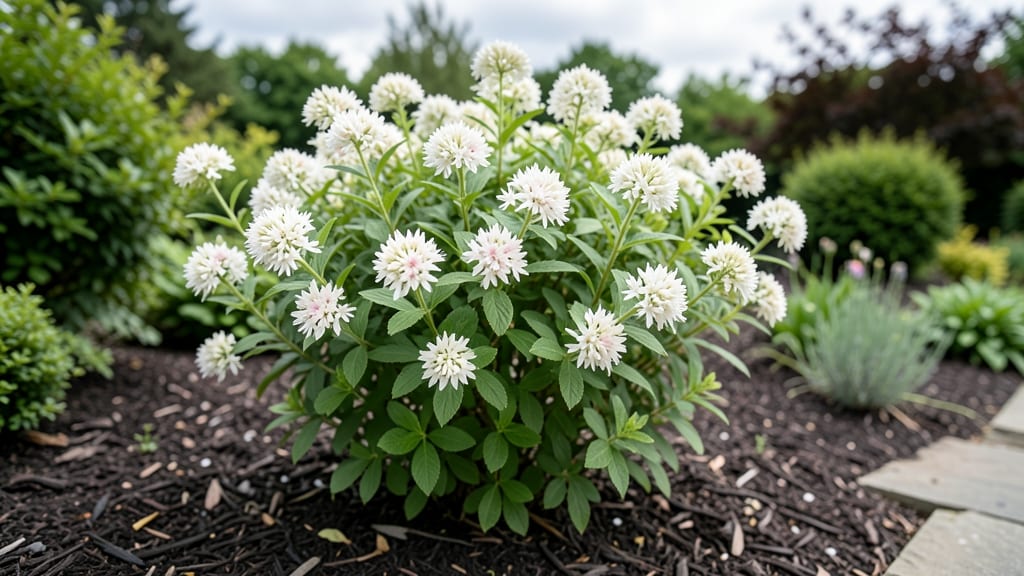
Your garden’s vertical spaces deserve this mock orange—a tree shrub with small white fragrant flowers that climbs like a dream. 🌿 I fell for it after struggling to fill a blank wall with something both fragrant and elegant.
The secret lies in its arching branches and intoxicating scent that lingers at dusk, drawing hummingbirds and butterflies like magic. This beauty thrives in partial shade, making it perfect for north-facing walls or under trees. Pair it with lavender for a cottage-garden charm or roses for a formal touch.
The blooms appear in late spring, but the glossy foliage keeps interest through fall, and the bark adds winter texture. You’ll love how it softens harsh lines in modern gardens while adding old-world romance. Plus, it’s drought-tolerant once established, so maintenance stays light.
The fragrance alone makes it worth the space—imagine stepping into a fragrant cloud every evening. Works in containers for patios or trained against trellises for a living screen. Whether you’re going for pollinator-friendly or simply fragrant, this shrub delivers year-round interest with minimal fuss.
Why Fragrance Fades in Flowering Shrubs
When your beloved tree shrub with small white fragrant flowers loses its signature scent, it’s often a mix of environmental stress, biological factors, or even improper care. Understanding the root causes helps you revive that intoxicating aroma. Let’s break down why this happens—and how to fix it.
Flowering shrubs, like many aromatic plants, rely on optimal temperature ranges to produce volatile organic compounds (VOCs)—the chemicals responsible for fragrance. When temperatures swing too high or too low, scent production slows or stops.
- Heat Stress: Above 90°F (32°C), many shrubs (such as jasmine, mock orange, or gardenia) conserve energy by reducing VOC production. The flowers may still bloom, but the scent weakens. - Actionable Fix: Provide afternoon shade during peak summer months.
Mulch the base to regulate soil temperature. - Cold Snaps: Below 50°F (10°C), enzymatic activity in the plant slows, dulling fragrance. Some shrubs (like deutzia) are particularly sensitive. - Actionable Fix: Choose cold-hardy varieties for your climate zone.
Use frost blankets in early spring/fall to protect buds. - Seasonal Dormancy: Many fragrant shrubs (e.g., pieris or abelia) go dormant in winter, halting scent production entirely. This is normal—but if it persists into spring, check for other issues.
Fragrance isn’t just about flowers—it’s tied to root health and nutrient uptake. Poor watering or compacted soil starves the plant of the resources it needs to produce aromatic compounds.
- Underwatering: Dry soil triggers osmotic stress, forcing the plant to prioritize survival over scent production. Leaves may curl, and flowers lose potency. - Actionable Fix: Water deeply 1–2 times per week (adjust for clay/sandy soil).
Use a moisture meter to check soil levels. - Overwatering: Soggy roots suffocate roots, leading to anaerobic conditions that prevent nutrient absorption. Yellowing leaves and weak blooms often follow. - Actionable Fix: Ensure well-draining soil (amend with perlite or compost).
Avoid soggy spots by improving drainage with gravel or raised beds. - Nutrient Deficiencies: Fragrance relies on phosphorus and potassium (key for flower development).
A lack of these can produce blooms with little to no scent. - Actionable Fix: Apply a balanced fertilizer (10-10-10) in early spring, then switch to a low-nitrogen, high-phosphorus formula when buds form.
Fragrance often evolves alongside pollination strategies. If your shrub isn’t getting enough light—or lacks pollinators—it may produce scentless flowers as an energy-saving measure.
- Insufficient Sunlight: Many fragrant shrubs (like mock orange) need 6+ hours of sun to trigger VOC production. Shady spots lead to pale, weakly scented blooms. - Actionable Fix: Prune nearby trees or relocate the shrub to a sunnier spot.
If moving isn’t an option, supplement with grow lights for 4–6 hours daily. - Lack of Pollinators: Bees and butterflies stimulate scent production by interacting with flowers. Without them, some plants reduce fragrance to conserve resources. - Actionable Fix: Plant pollinator-friendly companions (e.g., lavender, salvia, or coneflowers) nearby.
Avoid pesticides that harm bees.
Even the hardiest shrubs lose their scent over time—age-related decline is natural. However, aggressive pruning can accelerate the problem by removing scent-producing tissues.
- Over-Pruning: Cutting back too late in the season (after flowering) removes next year’s scent buds. Some shrubs (like deutzia) bloom on old wood and need careful trimming. - Actionable Fix: Prune right after flowering (for spring bloomers) or early spring (for summer bloomers).
Never cut into last year’s growth unless necessary. - Under-Pruning: Without regular maintenance, shrubs grow dense and leggy, reducing air circulation and scent dispersal. - Actionable Fix: Lightly thin out crowded branches in late winter to improve airflow and encourage new, fragrant growth.
Hidden pests or fungal infections divert the plant’s energy away from fragrance production.
Common culprits include: - Aphids & Scale: These sap-sucking insects weaken the plant, leading to stunted, poorly scented flowers. - Actionable Fix: Spray with neem oil or introduce ladybugs for natural control. - Powdery Mildew: A fungal disease that coats leaves, blocking sunlight and reducing VOC synthesis. - Actionable Fix: Improve air circulation, avoid overhead watering, and apply baking soda spray (1 tsp baking soda + 1 quart water + a drop of soap).
Not all shrubs with small white flowers are created equal—some naturally produce less fragrance due to genetics.
For example: - Hybrid Varieties: Many modern cultivars (like some jasmine hybrids) are bred for disease resistance over scent. - Regional Adaptations: Shrubs grown outside their native climate may struggle to develop full fragrance. - Actionable Fix: Research highly fragrant cultivars (e.g., Philadelphus ‘Minnesota Snow’ for intense scent).
If possible, grow native species for optimal aroma.
Before diagnosing, test your shrub’s fragrance at different times:
- Morning vs. Evening: Many fragrant shrubs (like night-scented jasmine) peak at dusk.
- After Rain: Humidity can amplify scent—if it’s stronger post-rain, your plant may just need better moisture balance.
By addressing these root causes, your small white-flowering shrub can bounce back with a full, intoxicating fragrance—just as nature intended!
Revive & Restore Your Fragrant Shrub
If your beloved tree shrub with small white fragrant flowers is struggling—whether from pests, disease, or environmental stress—don’t panic! With the right care, you can nurse it back to health and enjoy its delicate blooms once again.
Below, we’ve mapped common issues to practical fixes, plus prevention tips to keep your shrub thriving long-term.
Problem: Chewed leaves, sticky residue, or wilting branches often signal pests like aphids, spider mites, or scale insects.
How to Fix It: 🔥 Inspect & Isolate – Start by examining the shrub under bright light to spot pests. Remove heavily infested leaves or branches immediately to prevent spread.
🍳 Natural Sprays – Mix 1 tsp neem oil + 1 tsp mild dish soap + 1 quart water in a spray bottle. Apply to both sides of leaves, focusing on undersides where pests hide. Reapply every 5–7 days.
👨🍳 Introduce Beneficial Insects – Ladybugs and lacewings devour aphids naturally. Purchase them online or attract them with companion plants like marigolds or dill.
🥘 Prune Strategically – Trim back dead or pest-ridden growth in early spring or late summer to encourage new, healthy foliage.
💡 Prevention Tip: Mulch around the base to deter crawling pests and water in the morning to reduce humidity (which pests love).
Problem: Yellowing leaves, black spots, or powdery white residue could mean fungal infections like powdery mildew or leaf spot.
How to Fix It: 🔪 Remove Affected Parts – Snip off diseased leaves or stems with sterilized pruners (wipe with rubbing alcohol between cuts). Dispose of them in the trash, not the compost.
⏰ Improve Airflow – Thin out dense foliage to reduce humidity. If growing in containers, ensure drainage holes are clear.
🌡️ Fungicide Treatment – Use a copper-based fungicide or a baking soda spray (1 tsp baking soda + 1 quart water + a drop of soap) weekly until symptoms fade.
✨ Prevention Tip: Avoid overhead watering—use drip irrigation or water at the base. Space plants properly to prevent crowding.
Problem: Overwatering leads to root rot, while underwatering causes wilting and stunted growth.
How to Fix It: 📊 Check Soil Moisture – Stick your finger 1–2 inches into the soil. If it’s dry, water deeply; if soggy, hold off until it drains.
💪 Adjust Your Routine – Most fragrant shrubs prefer moderate moisture (about 1 inch per week). Water early in the day to reduce evaporation.
🥗 Improve Drainage – Amend heavy soil with compost or perlite. If in a pot, ensure it has drainage holes and elevate it slightly.
🎯 Prevention Tip: Group plants with similar water needs together to simplify care.
Problem: Scorched leaves, leaf drop, or stunted growth often mean your shrub is struggling with sunburn, wind, or extreme temperatures.
How to Fix It: 🌿 Provide Partial Shade – If leaves are crispy or bleached, move the shrub to a spot with morning sun and afternoon shade, especially in hot climates.
🌬️ Windbreaks – Use a fence, trellis, or other plants to block harsh winds. If growing in containers, place them against a wall or under eaves.
🍎 Mulch & Moisture Retention – Apply 2–3 inches of mulch (wood chips or straw) to keep roots cool and hydrated.
💡 Prevention Tip: Acclimate young plants gradually to full sun over 2–3 weeks to avoid shock.
With these targeted solutions, your fragrant shrub should bounce back stronger than ever. Consistency is key—monitor its progress and adjust care as needed. Soon, you’ll be enjoying those sweet, intoxicating blooms again! 🌸
Frequently asked questions
Which fragrant shrubs thrive in containers for small spaces?
Look for compact varieties like mock orange (Philadelphus) or dwarf gardenia. These handle container life well and still produce those intoxicating white blooms. Choose pots with drainage holes and use well-draining soil mix to prevent root rot.
How do I encourage more fragrance in my shrub?
Boost fragrance by ensuring 6+ hours of sunlight and moderate moisture (about 1 inch per week). Prune lightly after flowering to promote new growth, and fertilize with a low-nitrogen, high-phosphorus formula in spring. Avoid overwatering, which can dilute scent production.
Are these shrubs deer-resistant?
Most fragrant white-flowering shrubs like mock orange and abelia are deer-resistant, but they’re not completely immune. Young plants may attract nibbling, so protect them with fencing or repellents until established. Mature shrubs are usually safe due to their tough foliage.
When is the best time to plant these shrubs?
Plant in early spring or fall when temperatures are mild. This gives roots time to establish before summer heat or winter cold. Avoid planting in extreme heat or frost, which can stress young plants. For containers, you can plant anytime with proper care.
Can I grow these shrubs in full shade?
Most fragrant white-flowering shrubs prefer partial shade (4-6 hours of sun). Full shade limits blooming and fragrance. If you must plant in shade, choose varieties like pieris or deutzia, which tolerate lower light better than others.