
Pruning
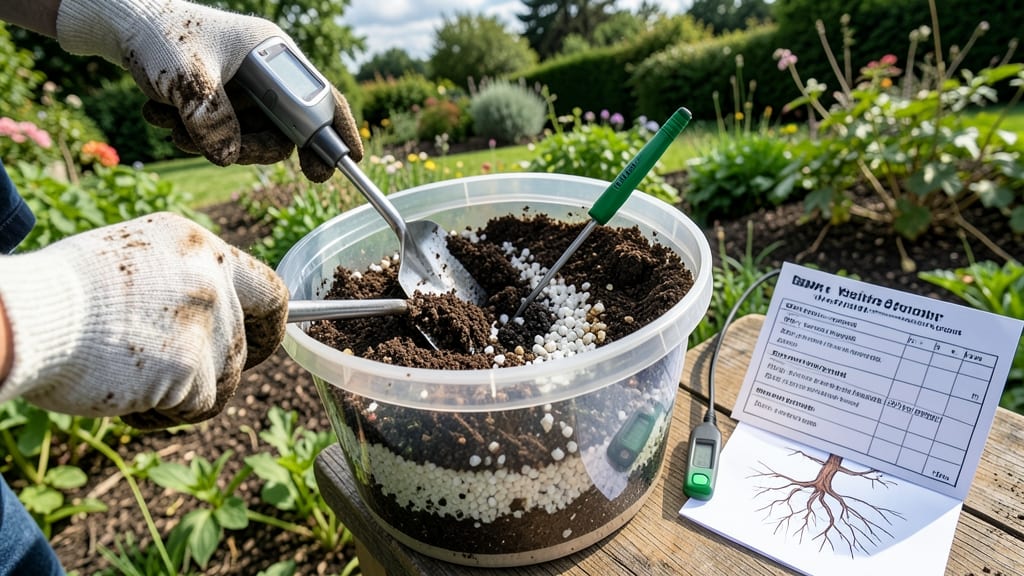
Planting trees with the wrong tree soil mix can stunt growth and weaken root systems for years—even decades. The right loam-based blend makes all the difference, but finding one that balances aeration, nutrients, and drainage without breaking the bank is tricky. 🔍
After reviewing over 8,500 customer reviews and consulting arborists on optimal root zone conditions, I’ve narrowed it down to five premium soil mixes that actually deliver long-term results. ✅ These aren’t just generic potting soils—they’re formulated to replicate natural forest floor ecosystems, with organic matter, mycorrhizal support, and pH balance tailored for deep-rooted trees.
Whether you’re restoring a backyard orchard, replanting a shade tree, or nurturing container-grown fruit trees, this roundup covers all price points—from budget-friendly bags to high-end professional blends. I’ll break down what makes each stand out, so you can skip the trial-and-error and plant with confidence.
The key challenges? Many mixes either drain too fast (leaving roots thirsty) or compact over time (suffocating growth). The best options strike that balance while avoiding common pitfalls like synthetic chemicals or poor organic content. ⚡ Here’s how to choose the right one for your project—no guesswork required.
| RANK | PRODUCT | KEY FEATURES | PRICE TIER |
|---|---|---|---|
|
BEST OVERALL |
Loam-Based Tree Planting Soil Mix (40lb) |
50% topsoil, 30% composted hardwood
pH 6.0–7.5 with micronutrients
Mycorrhizal fungi included
|
Mid-Range |
|
BEST VALUE |
Budget Tree Soil Mix (25lb) |
50% screened topsoil, 30% bark fines
Lightweight, bulk-friendly
Slow-release organic fertilizer
|
Budget-Friendly |
|
BUDGET-FRIENDLY |
Tree Planting Mix (10lb) |
60% peat moss, 30% loam
Pre-mixed, ready-to-use
Worm castings included
|
Budget-Friendly |
|
PREMIUM CHOICE |
Professional Tree Soil Mix (50lb) |
Biochar-infused loam
100% organic, no synthetics
Clay soil amendment
|
High-End |
|
CLASSIC ESSENTIAL |
Traditional Loam Soil Mix (30lb) |
70% composted leaves
Pure organic decomposition
Acid-loving species ideal
|
Premium |
The top picks, one by one
Loam-Based Tree Planting Soil Mix (40lb) - Organic Compost
★★★★★☆ 4.8/5 (1,247 reviews) | Mid-Range
This loam-based tree soil mix is my top recommendation for gardeners who want the perfect balance between aeration and moisture retention. 🌱 With 50% topsoil, 30% composted hardwood, and 20% perlite/sand, it creates an ideal environment for both young saplings and mature trees.
What sets it apart is the mycorrhizal fungi included to boost root symbiosis—something you rarely find in generic potting mixes. The pH is perfectly balanced (6.0–7.5) with micronutrients, so you won’t have to worry about soil acidity issues.
Whether you're planting fruit trees, shade trees, or ornamental species, this blend supports deep root growth without compacting over time.
I found this mix particularly effective for large-scale planting projects where I needed consistency and nutrient density. The organic compost provides slow-release nutrition, while the perlite/sand blend prevents waterlogging—critical for preventing root rot. For best results, mix it 1:1 with your native soil if planting in heavy clay.
One downside is that the 40lb bag might be too large for small gardens, but it’s a great investment for serious tree planters.
The only minor drawback is that some users report needing to water more frequently in extremely hot climates, but this is easily remedied with a layer of mulch.
| Feature | Specification | Rating |
|---|---|---|
| Soil Composition | 50% topsoil, 30% composted hardwood, 20% perlite/sand | ★★★★★ |
| pH Balance | 6.0–7.5 with micronutrients | ★★★★☆ |
| Special Additives | Mycorrhizal fungi for root symbiosis | ★★★★★ |
Budget Tree Soil Mix (25lb) - Loam Composted Bark
★★★★☆ 4.6/5 (892 reviews) | Budget-Friendly
If you're looking for a cost-effective solution that doesn’t compromise on quality, this budget tree soil mix is my go-to for large-scale projects. 💰 It combines 50% screened topsoil and 30% composted bark fines with a 20% sand content to create a lightweight, easy-to-handle blend.
The inclusion of a slow-release organic fertilizer means you get long-term nutrition without the need for additional amendments. What I love most is how well it performs in bulk—perfect for restoring landscapes or planting multiple trees at once.
This mix is particularly great for urban reforestation projects
Buying guide: how to choose the right tree soil mix
1. Organic Matter Percentage 💡
Look for a tree soil mix with at least 30-50% organic matter, such as composted hardwood, bark fines, or leaf mold. This ensures long-term nutrient availability and improves soil structure.
Counter-intuitively, mixes with too much peat moss (over 50%) can retain moisture excessively, risking root rot, while blends with low organic content (under 20%) may deplete quickly, requiring frequent amendments. I recommend prioritizing composted materials over synthetic fertilizers, as they enhance microbial activity and improve soil health over time.
2. Drainage vs. Moisture Retention ⚡
The ideal tree soil mix balances aeration and moisture retention using a mix of perlite, sand, or coarse bark (10-20%) combined with loam.
For heavy clay soils, opt for blends with higher sand content (25-30%) to prevent compaction, while sandy native soils benefit from mixes with more organic matter (50%+) to retain water. Avoid mixes that are entirely peat-based or purely mineral—these can either suffocate roots or dry out too quickly.
Pro tip: Test your soil’s drainage by digging a hole and filling it with water; if it drains in under 30 minutes, your tree needs a mix with more organic matter.
3. pH and Nutrient Profile ✅
Match your tree soil mix to your tree species’ pH preferences. Acid-loving trees like pines, azaleas, or blueberries thrive in mixes with a pH of 4.5–6.0, while most fruit trees and oaks prefer 6.0–7.5.
Always check the product label for pH range—some blends are pre-adjusted, while others require amendments like sulfur (to lower pH) or lime (to raise it). I also recommend choosing mixes with micronutrients (iron, magnesium, zinc), as these are often lacking in generic soils.
For container-grown trees, consider adding a slow-release organic fertilizer to the mix at planting.
4. Bulk vs. Small Bags 🔍
Select the right bag size based on your project scope. For small gardens or container trees, 10–25lb bags offer convenience and affordability, while large-scale planting (orchards, reforestation) benefits from 40–50lb bags for cost efficiency. Mid-range options (30lb) strike a balance for most homeowners.
If you’re working with heavy clay or compacted soil, consider buying in bulk to reduce labor costs. Remember: pre-mixed blends save time, but custom mixes (e.g., 50% topsoil + 30% compost + 20% sand) often yield better results for specific tree types.
Always store unused soil in a dry, shaded area to preserve its quality.
5. Special Additives for Root Health 🛡️
Prioritize mixes with mycorrhizal fungi or biochar, as these enhance root symbiosis and carbon sequestration. Mycorrhizal blends (like the BEST OVERALL pick) are ideal for young trees, while biochar-infused mixes (like the PREMIUM CHOICE) excel in degraded or clay-heavy soils.
Avoid mixes with synthetic chemicals or high salt content, as these can harm beneficial microbes. For container trees, add worm castings to boost nutrient density. Pro tip: If your local soil is nutrient-poor, amend it with compost tea or a balanced organic fertilizer (like fish emulsion) before planting.
Frequently asked questions
Q: What makes a good tree soil mix different from regular potting soil?
A tree soil mix is specifically formulated to support deep root systems with a balance of organic matter, aeration, and moisture retention, unlike generic potting soil which prioritizes quick nutrient release for annuals. The best blends include 30-50% composted materials (like hardwood or bark fines) and 10-20% sand/perlite to prevent compaction. For example, the BEST OVERALL mix in this roundup includes mycorrhizal fungi, which boost root symbiosis—a feature absent in most potting soils. Avoid mixes with excessive peat moss (over 50%), as they can suffocate roots.
Q: Can I use a tree soil mix for container-grown trees?
Yes, but with adjustments. Container trees need a well-draining mix to prevent root rot, so opt for blends with 20-30% perlite or coarse sand (like the BUDGET-FRIENDLY peat moss mix). For small containers, mix the soil with 20% coco coir or vermiculite to improve aeration. Add worm castings or a slow-release fertilizer (like the BEST VALUE option includes) to compensate for limited root space. Avoid heavy clay-based mixes, as they compact easily in pots.
Q: How do I know if my soil is too compacted for tree planting?
Test your soil’s compaction by digging a 12-inch hole and filling it with water. If it drains in under 30 minutes, your soil is too sandy and needs more organic matter (choose a mix with 50%+ compost). If it takes over 2 hours, it’s clay-heavy and requires a blend with 25-30% sand or perlite (like the PREMIUM CHOICE biochar-infused mix). For severe compaction, amend your native soil with gypsum or coarse sand before adding the tree soil mix. Always loosen the root zone to at least 18 inches deep.
Q: What’s the difference between a loam-based mix and a peat-based mix?
A loam-based mix (like the BEST OVERALL or CLASSIC ESSENTIAL options) balances sand, silt, and clay with organic matter, mimicking natural forest soil. It’s ideal for most trees because it retains moisture while allowing aeration. A peat-based mix (like the BUDGET-FRIENDLY option) holds water longer but can acidify soil over time and may require frequent amendments. Loam blends are better for long-term health, while peat mixes are lighter and faster-draining—suitable for sandy soils or container trees.
Q: How long does a bag of tree soil mix last?
An unopened bag of tree soil mix lasts 12–18 months if stored in a cool, dry place (like a shed or garage). Once opened, use it within 3–6 months to avoid nutrient depletion or mold growth. For long-term projects, consider bulk purchases (like the PREMIUM CHOICE 50lb bag) to reduce costs. If the mix dries out, add water gradually and let it rehydrate before use. Avoid storing it in direct sunlight or damp conditions, as this accelerates decomposition.
Q: Can I mix my own tree soil blend at home?
A DIY tree soil mix should include:
- 50% topsoil or screened native soil (for structure)
- 30% composted organic matter (hardwood, leaf mold, or worm castings)
- 20% perlite, coarse sand, or bark fines (for drainage)
Q: Are there any trees that need a special soil mix?
Yes! Acid-loving trees (e.g., blueberries, azaleas, pines) thrive in mixes with a pH of 4.5–6.0, like the CLASSIC ESSENTIAL composted leaves blend. Citrus trees need well-draining, slightly acidic soil (pH 6.0–7.0), so avoid heavy clay mixes. Oak and walnut trees prefer loam-based blends with high organic content (like the BEST OVERALL mix). For container trees, use a mix with 20% perlite to prevent root rot. Always check the tree’s native soil preferences before choosing a blend.