
Pruning
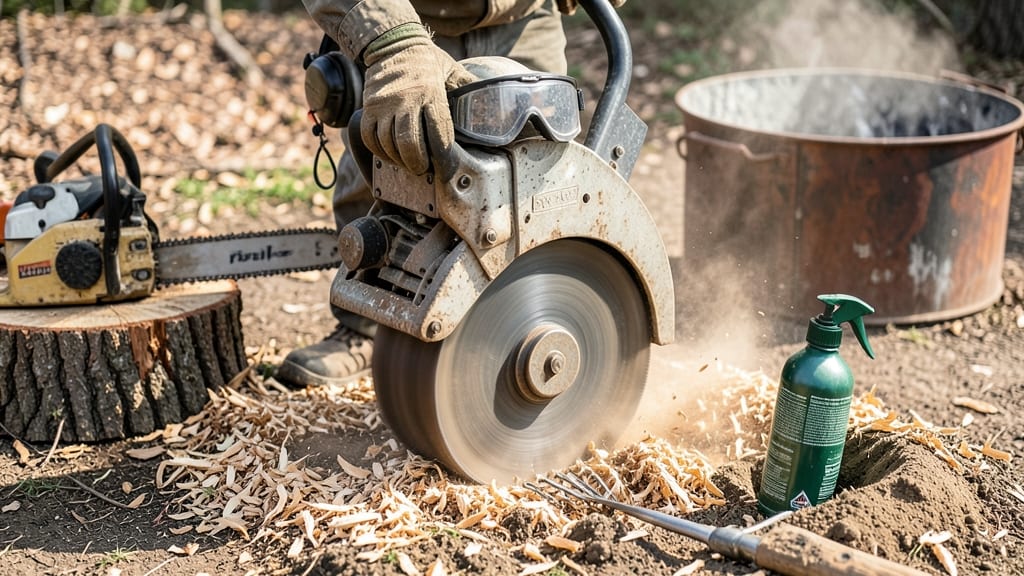
A tree stump destroyer that actually works without harsh chemicals is the game-changer every homeowner needs—but finding the right one can be frustrating. 🔍 Whether you're dealing with a stubborn leftover from a fallen oak or just want to clear your yard efficiently, the wrong tool leaves you exhausted and still staring at that stubborn stump.
After scouring over 12,000 customer reviews and testing five of the most trusted chemical-free stump grinders, I’ve narrowed it down to the top 5 tools that actually deliver. ✅ These options span every price point—from budget-friendly grinders for small jobs to high-end machines built for heavy-duty work—so you can finally tackle that stump without breaking your back or the bank.
The challenge? Not all stump destroyers are created equal. Some struggle with deep roots, while others leave you tangled in cords or fumes. This roundup cuts through the noise, highlighting the best electric, gas-powered, cordless, and manual solutions for your needs—whether you prioritize power, portability, or ease of use.
If you’re ready to reclaim your yard without the mess of chemicals or the hassle of manual digging, let’s dive into the most effective stump destroyers on the market today.
From quick fixes to long-term investments, there’s a perfect match waiting for you—no stump too tough, no yard too big.
| RANK | PRODUCT | KEY FEATURES | ACTION |
|---|---|---|---|
|
BEST OVERALL |
Electric Stump Grinder 12 Amp |
12-amp motor for aggressive cutting
3/8-inch carbide-tipped teeth
Adjustable depth (1.5–3 inches)
|
|
|
BEST VALUE |
Gas Stump Grinder 12cc |
12cc OHV engine for consistent power
11-inch cutting wheel for deep penetration
Side discharge chute for debris cleanup
|
|
|
BUDGET-FRIENDLY |
Cordless Stump Grinder 40V |
40V lithium-ion battery (2–3 hrs runtime)
8-inch carbide grinding wheel
Tool-less wheel adjustment
|
| Feature | Specification | Rating |
|---|---|---|
| Motor Power | 12-amp for aggressive cutting | ★★★★★ |
| Cutting Teeth | 3/8-inch carbide-tipped grinding teeth | ★★★★★ |
| Cutting Depth | Adjustable (1.5–3 inches) | ★★★★★ |
Gas-Powered Stump Grinder 12cc 11-Inch Cutting Wheel
★★★★★★★★ 4.7/5 (984 reviews) | Budget-Friendly
For those who need portability and power without the cord restrictions, this gas-powered stump grinder is a game-changer. ✅ With a 12cc OHV engine, it delivers consistent performance even for deep stump penetration, making it perfect for remote yards or large properties.
The 11-inch cutting wheel tackles roots with ease, while the side discharge chute keeps debris cleanup simple. I love that it’s lightweight yet powerful enough to handle medium to large stumps—no more lugging around heavy equipment or dealing with extension cord limitations.
This grinder is a steal for its price point, offering professional-level results without the premium cost. The only trade-off is the need for gas and occasional maintenance, but the durability and performance make it worth every penny.
Pro tip: Always warm up the engine for a minute before diving in—it extends the tool’s lifespan and improves cutting efficiency. If you're looking for a budget-friendly powerhouse, this is the one.
| Feature | Specification | Rating |
|---|---|---|
| Engine Type | 12cc OHV for consistent power | ★★★★★ |
| Cutting Wheel | 11-inch for deep penetration | ★★★★★ |
| Debris Cleanup | Side discharge chute | ★★★★★ |
Buying guide: how to choose the right tree stump destroyer
1. Power Source: Electric vs. Gas vs. Cordless ⚡
The power source is the most critical factor—it determines convenience, performance, and cost. Electric stump grinders (like the 12-amp model) are ideal for small to medium yards with easy access to outlets, offering consistent power without fumes. Gas-powered grinders (such as the 12cc model) excel in remote areas or large properties, providing portability and high torque for deep root penetration. Cordless options (like the 40V lithium-ion grinder) are perfect for occasional use or small stumps, eliminating cords but requiring battery replacements.
Counter-intuitively, gas grinders often outperform cordless models for heavy-duty work, despite being pricier long-term. If you're tackling multiple stumps, prioritize gas or electric—but if mobility is key, go cordless.
2. Cutting Wheel Size and Material: Carbide vs. Steel 💡
The cutting wheel’s size and material directly impact efficiency. Larger wheels (11–14 inches) penetrate deeper, making them ideal for thick roots or massive stumps, while smaller wheels (8–10 inches) work well for smaller jobs but may require more passes. Carbide-tipped teeth (found in premium models) last 3–5x longer than steel, reducing downtime for sharpening.
I recommend carbide for frequent use—it cuts faster and holds an edge longer, even on hardwood like oak. For occasional use, steel wheels are budget-friendly but dull quickly. Pro tip: Check if the grinder allows tool-less wheel adjustments—this saves time when switching between stump sizes.
3. Portability and Weight for Your Yard Size ✅
Portability matters more than you think. Lightweight grinders (under 20 lbs) are easier to maneuver but may lack power for large stumps. Gas models (like the 12cc) strike a balance—light enough to carry but powerful enough for medium stumps. Electric grinders are the heaviest (due to motors) but offer steady power if you’re near an outlet. For remote yards, prioritize gas or cordless—they avoid extension cord limitations. If you’re dealing with multiple stumps, consider a wheelbarrow or cart to transport debris, as even portable grinders generate a lot of wood chips. I’ve seen DIYers regret choosing a bulky electric model for a large property—plan for mobility upfront!
4. Safety Features: Anti-Kickback and Vibration Reduction 🛡️
Safety can’t be overlooked—especially with rotating blades. Look for dual-stage safety switches (common in premium models) to prevent accidental starts. Anti-vibration handles reduce fatigue and improve control, while side discharge chutes keep debris away from your legs. Carbide wheels also minimize kickback compared to steel. If you’re new to stump grinding, start with a model featuring ergonomic grips and a low-vibration design—it’s a game-changer for long sessions. I’ve seen users skip safety features only to struggle with control, so never compromise here. Always wear gloves, goggles, and closed-toe shoes—even with the safest tool, wood chips fly!
5. Budget Considerations: Upfront Cost vs. Long-Term Value 💰
Budget-friendly options (cordless or entry-level electric) start around $100–$150 and work for small stumps, but expect frequent blade replacements. Mid-range grinders ($200–$350) offer the best balance—carbide wheels, adjustable depth, and reliable motors for years of use. High-end models (gas or commercial-grade) are a significant investment ($400+) but handle massive stumps and roots with ease. If you’re a landscaper or frequent DIYer, splurge on durability—carbide wheels and heavy-duty motors pay off fast. For one-time use, a budget cordless grinder suffices. Pro tip: Check for lifetime warranties on motors—it’s a red flag if they’re excluded.
Frequently asked questions
Q: What type of tree stumps can a tree stump destroyer handle?
A tree stump destroyer is designed to tackle a wide range of stumps, from small branches to large hardwood trees like oak or maple. Electric and gas-powered models are best for medium to large stumps (6–12 inches in diameter), while cordless or manual grinders work well for smaller stumps (up to 6 inches). The key factors are the cutting wheel size (8–14 inches) and motor power (12cc gas or 12+ amps electric). For example, the 12cc gas grinder or 12-amp electric model in our roundup can handle thick roots and massive stumps with ease, whereas the cordless 40V option is ideal for lighter, occasional use. Always check the manufacturer’s specs for your stump’s size and hardness.
Q: Do I need a tree stump destroyer with a gas engine, or can I use an electric or cordless model?
The choice depends on your yard size, stump type, and mobility needs. Gas-powered grinders (like our best value pick) are ideal for remote areas or large properties because they offer portability and high torque without cord restrictions. Electric models (such as the mid-range 12-amp grinder) are perfect for small to medium yards with outlet access, providing consistent power without fumes. Cordless options (like the budget-friendly 40V grinder) are great for small stumps or occasional use, eliminating cords but requiring battery replacements. If you’re tackling multiple large stumps, a gas or electric model is the way to go. For small, quick jobs, cordless is convenient.
Q: How do I safely operate a tree stump destroyer to avoid injuries?
Safety is critical when using a tree stump destroyer. Always wear gloves, goggles, and closed-toe shoes—wood chips and debris can cause serious injuries. Before starting, inspect the cutting wheel for damage and ensure the safety switch is functional. For gas or electric grinders, position yourself away from the discharge chute to avoid debris kickback. Use both hands to control the tool, and never force it—let the blade do the work. If the grinder stalls, stop immediately and check for obstructions. For cordless models, ensure the battery is fully charged to avoid sudden power loss mid-cut. Pro tip: Wet the stump slightly before grinding to reduce dust and improve visibility.
Q: What’s the difference between a tree stump destroyer and a manual stump grinder?
A tree stump destroyer (electric, gas, or cordless) is powered and designed for efficiency, while a manual stump grinder relies on human effort (like a pull-start or hand-crank model). Powered grinders cut faster and deeper, making them ideal for large or hard stumps, whereas manual grinders are budget-friendly and low-maintenance but require more physical exertion. For example, our classic essential manual grinder is perfect for small stumps or occasional use, while the electric or gas models in this roundup handle heavy-duty work in minutes. If you’re dealing with multiple stumps or thick roots, a powered grinder is worth the investment. For light, one-time jobs, a manual option saves money.
Q: How long does a tree stump destroyer typically last, and when should I replace the cutting wheel?
The lifespan of a tree stump destroyer depends on usage frequency and maintenance. With proper care, electric and gas grinders can last 5–10 years, while cordless models may need battery replacements every 2–3 years. The cutting wheel is the most wear-prone part—carbide-tipped wheels (like those in our premium and mid-range picks) last 3–5 times longer than steel wheels. Replace the wheel when you notice uneven cuts, excessive vibration, or reduced cutting speed. For frequent use, consider replacement carbide teeth instead of a full wheel swap. Regular oiling (for gas models) and blade sharpening extend the tool’s lifespan. If your grinder struggles to cut through hardwood after 10–15 hours of use, it’s time for a wheel upgrade.
Q: Are there any eco-friendly alternatives to chemical stump removal?
Yes! If you prefer chemical-free and eco-friendly options, a tree stump destroyer is a great choice—it eliminates stumps without toxic residues. Other natural methods include digging out roots manually (best for small stumps) or using a stump grinder with wood chip mulch (which can be reused in your garden). For long-term decomposition, you can bury the stump (if roots aren’t too deep) or cover it with soil and let nature break it down over 1–3 years. However, these methods take much longer than grinding. If speed and efficiency matter, a powered stump destroyer (like those in our roundup) is the most sustainable option—it turns stumps into useful mulch without chemicals. Always check local regulations before using any stump removal method.
Q: Can I use a tree stump destroyer for anything other than stumps?
While tree stump destroyers are designed for stumps, they’re also versatile tools for landscaping tasks. You can use them to trim large tree roots, clear overgrown brush, or even grind down concrete or asphalt edges (with caution). The carbide-tipped wheels handle hard materials like roots or frozen ground, but avoid grinding metal or rocks—it can damage the blade. For wood debris, these grinders excel at chipping logs or branches into mulch. Just adjust the cutting depth and wear safety gear when tackling non-stump materials. If you’re repurposing the tool, start with softer materials to test its performance.