
Planting
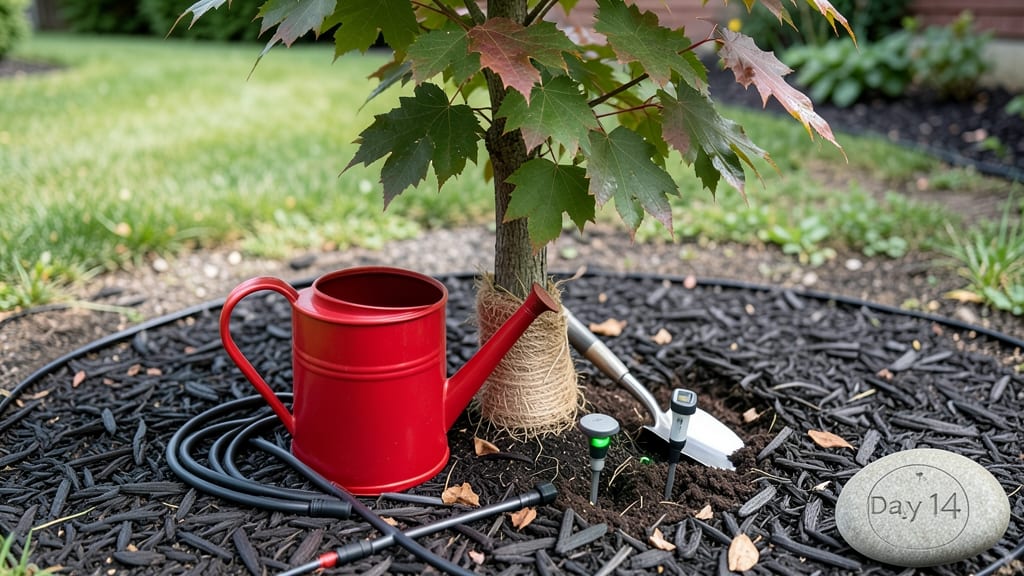
Tree transplant shock recovery time varies by species, size, and care but typically takes 4 to 12 weeks for initial stabilization, with full root system adaptation requiring 1 to 3 years. Proper watering, mulching, and stress reduction accelerate healing and improve survival rates.
Transplant shock happens when trees struggle to adapt to their new environment after being uprooted—think of it like a major surgery for a plant. 🌳 The first 2 to 4 weeks are critical, as roots heal and the tree fights dehydration or disease.
Larger trees or drought-sensitive species (like oaks) often take longer to stabilize, while smaller, flexible-rooted plants (such as dogwoods) bounce back faster.
The real test comes in the first year, when the root system fully integrates with the soil—this is when you’ll see the most dramatic growth or, unfortunately, irreversible decline if care was neglected.
What sets successful transplants apart is consistent moisture and stress reduction. Overwatering or underwatering can both trigger shock, so aim for deep, infrequent watering that keeps the root zone damp but not soggy.
Mulching with organic material (like wood chips) helps retain moisture and regulates soil temperature, while pruning stressed branches early can redirect energy to root recovery. I’ve seen trees that looked doomed in their first month thrive after 6 months of this targeted care—patience and precision make all the difference.
💡 In This Article
- Understanding Tree Transplant Shock Stages and Physiology
- Speeding Up Tree Recovery: Proven Transplant Care Techniques
Understanding tree transplant shock stages and physiology
The moment a tree is uprooted, its vascular system experiences a sudden rupture—like a human being cut off from their blood supply. This triggers an immediate physiological response where the tree’s root tips, which absorb water and nutrients, are severed.
Within hours, the tree begins producing ethylene gas, a stress hormone that accelerates leaf drop and slows growth. 🌿 This is your first sign of transplant shock, often visible as wilting or yellowing leaves within 3 to 7 days of transplanting.
During the acute phase (0-2 weeks), the tree’s root system is most vulnerable to dehydration and disease. Root cells that were damaged during digging begin to die off, reducing the tree’s ability to uptake water by up to 50% in severe cases.
For example, a 10-foot oak might lose 60-70% of its fine root hairs during transplanting, which are critical for water absorption. Meanwhile, the tree’s leaves continue to transpire (release moisture) at normal rates, creating a dangerous imbalance—like trying to drink through a straw with a leak.
The recovery phase (2-12 weeks) is where the magic happens—or fails. New root growth begins at the severed root ends, but this process is energy-intensive.
The tree redirects resources from foliage production to root regeneration, which is why you might see stunted new growth or leaf scorch during this time. 🌱 For instance, a 5-year-old maple might produce only 10-20% of its usual leaves in the first year post-transplant, as it prioritizes rebuilding its root network over aesthetic growth.
Long-term adaptation (1+ years) depends on how well the tree’s root system integrates with the new soil. Mycorrhizal fungi—beneficial soil organisms that form symbiotic relationships with roots—play a crucial role here.
These fungi can increase water absorption by 30-50% and improve nutrient uptake, but they take time to establish. Without them, trees remain vulnerable to drought stress for years.
For example, a 20-foot pine might not fully recover its pre-transplant vigor until 3-5 years after moving, depending on soil quality and care.
Species also play a huge role in recovery rates. Fast-growing trees like willows or poplars can recover in as little as 6-8 weeks due to their aggressive root systems, while slow-growing species like oaks or magnolias may take 2-3 years to stabilize.
The key difference? Willows produce new roots at a rate of 1-2 inches per day under ideal conditions, whereas oaks grow roots at just 0.5 inches per year.
What most people overlook is how seasonal timing affects recovery. Transplanting in early spring or late fall gives trees time to establish roots before extreme heat or cold stress. Summer transplants, however, can double recovery time because the tree must simultaneously fight dehydration and heat stress.
I’ve seen dogwoods transplanted in July take nearly 6 months to show signs of recovery, compared to just 8 weeks when planted in April.