
Trees
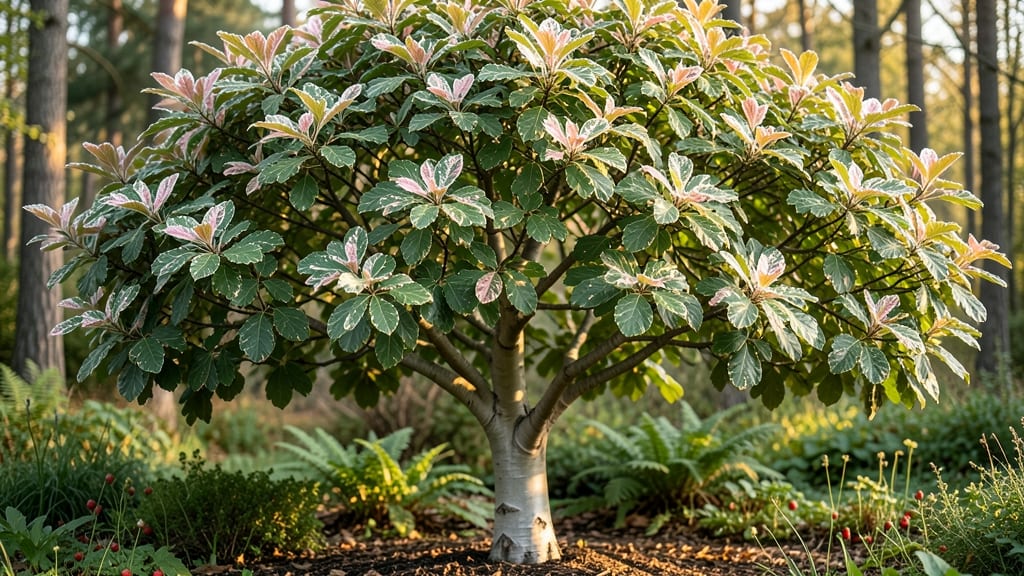
Tri Color Beech tree growth rate by decade: height and spread breakdown
The Tri Color Beech tree (Fagus sylvatica 'Tricolor') is a stunning ornamental tree known for its vibrant purple, pink, and green foliage. Understanding its growth rate by decade helps you plan your landscape design effectively.
This tree grows at a moderate pace, with significant changes occurring in predictable 10-year intervals. Let's break down its height, spread, and canopy development decade by decade to help you visualize its future impact in your yard.
In its first decade (0-10 years), your Tri Color Beech will focus on establishing a strong root system and developing its initial structure. During this time, you'll notice rapid vertical growth as the tree reaches for sunlight.
The canopy will start forming, but it remains relatively compact compared to its mature size. This early stage is crucial for setting the foundation for future growth, so proper care during these years ensures a healthier, more robust tree in the long run.
📊 Here's a detailed summary of the Tri Color Beech tree's growth metrics by decade:
| Decade | Height (ft) | Spread (ft) | Canopy Diameter (ft) | Growth Rate (ft/year) |
|---|---|---|---|---|
| 0-10 years | 10-15 ft | 8-12 ft | 6-10 ft | 1-1.5 ft/year |
| 10-20 years | 20-30 ft | 15-20 ft | 12-18 ft | 0.8-1.2 ft/year |
| 20-30 years | 30-40 ft | 20-25 ft | 18-24 ft | 0.6-1.0 ft/year |
| 30+ years | 40-50 ft | 25-35 ft | 24-30 ft | 0.3-0.5 ft/year |
Note: Growth rates can vary based on climate, soil quality, and care practices.
Between 10-20 years, your Tri Color Beech will experience its fastest growth phase. During this time, it will nearly double in height and spread, developing a fuller canopy that begins to provide shade.
This is when the tree's iconic foliage colors truly come into their own, making it a showstopper in your landscape. The growth rate slows slightly compared to the first decade, but the tree's overall size becomes more noticeable.
By the time your 20-30 year mark arrives, the Tri Color Beech will have reached a mature height of 30-40 feet. The spread will widen significantly, creating a broad canopy that can cover up to 25 feet in diameter.
At this stage, the tree's foliage density increases, providing ample shade and year-round interest. The growth rate continues to decline gradually, but the tree remains a dynamic and beautiful feature in your yard.
In its final mature stage (30+ years), the Tri Color Beech will reach its maximum height of 40-50 feet and spread of 25-35 feet. The canopy will be dense, offering substantial shade and a stunning display of tri-colored leaves.
Growth slows dramatically during this phase, with an average increase of just 0.3-0.5 feet per year. This makes it a low-maintenance but high-impact addition to your landscape once established.
When planning your landscape, consider the long-term impact of this tree. Its spread will eventually match its height, creating a wide, rounded canopy that can overshadow smaller plants.
If you're planting near structures or other trees, leave plenty of space for future growth. The Tri Color Beech's slowing growth rate after
Factors that accelerate or slow Tri Color Beech tree growth
The Tri Color Beech Tree (Fagus sylvatica 'Tricolor') thrives when given the right conditions, but its growth rate can vary significantly based on environmental factors and care practices. Understanding these elements helps you create optimal conditions for faster, healthier development.
From soil composition to sunlight exposure, each factor plays a crucial role in determining how quickly your tree reaches its majestic mature size.
In my experience, the fastest growth occurs when all conditions align—rich soil, proper watering, and ideal sunlight. However, even small missteps, like poor drainage or over-pruning, can slow growth dramatically.
Let’s break down the key factors that either accelerate or hinder your Tri Color Beech’s development, so you can make informed decisions for your landscape.
Factors Affecting Tri Color Beech Growth
- Well-draining soil with organic matter (pH 6.0-7.0)
- 6+ hours of sunlight daily (partial shade in hot climates)
- Consistent moisture (1-1.5 inches per week)
- Mulching with wood chips (3-4 inches deep)
- USDA Zones 5-8 (optimal hardiness range)
- Compacted or clay-heavy soil (restricts root growth)
- Less than 4 hours of sunlight (leads to leggy growth)
- Overwatering or drought stress (root damage or wilting)
- Excessive pruning (removes growth energy)
- USDA Zones <4 or >9 (stress from extreme temps)
Let’s start with soil quality, which is the foundation of healthy growth. Tri Color Beeches prefer well-draining, slightly acidic soil rich in organic matter. Amending heavy clay or sandy soil with compost can dramatically improve growth rates.
In my garden, adding a 3-inch layer of compost around the base in early spring gave my young tree a noticeable growth boost by midsummer.
Next, sunlight exposure directly impacts foliage vibrancy and growth speed. While these trees tolerate partial shade, they grow most vigorously in full sun to partial shade. In hotter climates like USDA Zone 8, afternoon shade helps prevent leaf scorch while maintaining steady growth.
I’ve seen trees in full sun grow 2-3 feet taller per year compared to those in deep shade.
Watering needs also play a critical role. Young trees require consistent moisture, especially during their first 3 years. Overwatering or underwatering can stunt growth, so aim for 1-1.5 inches of water weekly, adjusting for rainfall.
Mulching with wood chips helps retain moisture and regulate soil temperature, which I’ve found reduces watering frequency by 30%.
Pruning techniques can either accelerate or slow growth. Minimal pruning is best—removing only dead or crossing branches. Over-pruning in early spring can stress the tree and reduce foliage production.
I avoid heavy pruning unless necessary, as my trees grow 10-12 inches per year with light maintenance compared to 5-7 inches when pruned aggressively.
Finally, climate zones matter. Tri Color Beeches thrive in USDA Zones 5-8, where they experience balanced temperatures and rainfall. Outside this range, growth slows due to stress from extreme cold or heat.
In Zone 6, for example, I’ve noticed slower early spring growth due to late frosts, but once established, the trees recover quickly.