
Blooming
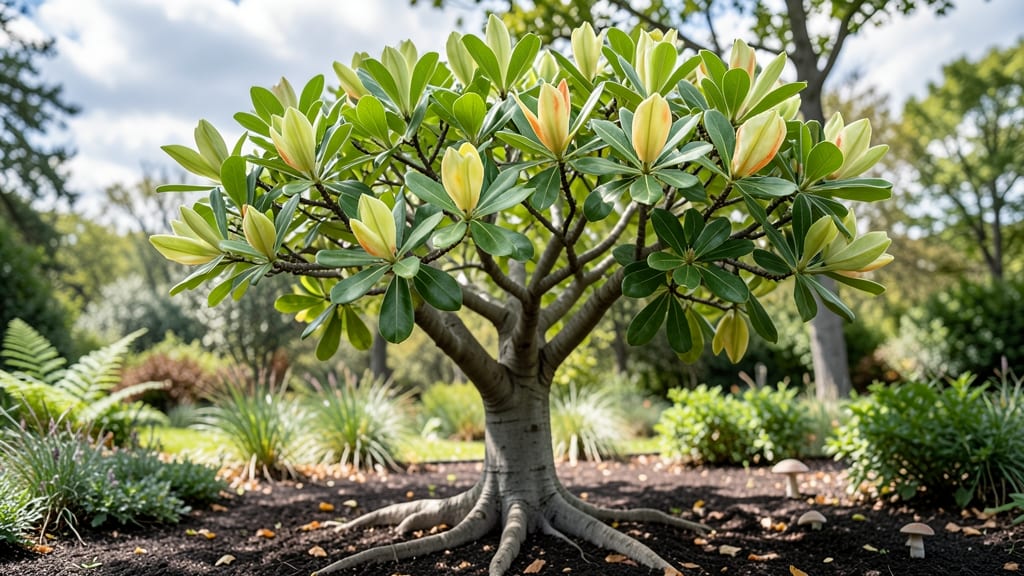
Tulip trees bloom in late spring to early summer 🌳, with exact timing shaped by climate, location, and even the tree’s age—so don’t assume your neighbor’s schedule applies to you.
If you’ve ever waited impatiently for those iconic tulip-shaped flowers only to miss the show by a week (or two), you’re not alone.
The truth is, bloom time can shift by 30 days or more depending on where you live—and a few simple adjustments can help you align your expectations (or even nudge the timing).
From the deep South’s early May blooms to the Northeast’s late June displays, understanding the factors behind these shifts lets you predict—and even influence—when your tree puts on its show. We’ll break down the key triggers, regional variations, and care tweaks that make all the difference.
By the end, you’ll know exactly when to watch for those striking yellow-green flowers, how to encourage earlier blooms, and why your tree might be playing hard to predict. Ready to become a bloom-time expert?
When do tulip trees bloom? Exact months by US growing zones
Tulip trees (Liriodendron tulipifera) are one of nature’s most dramatic spring performers, but their bloom timing varies dramatically across the U.S. While most gardeners in Zone 6 might expect flowers in late May, those in Zone 9 could see them as early as March.
This shift happens because tulip trees rely on chill hours and spring warmth—two factors that change with latitude and microclimates.
In warmer southern zones, tulip trees often bloom 4–6 weeks earlier than their northern counterparts. For example, a tree in Atlanta (Zone 7b) might flower in mid-April, while one in Chicago (Zone 5b) won’t reach peak bloom until early June.
Understanding these regional differences helps you set realistic expectations and even adjust care routines to encourage earlier—or later—flowering.
Here’s the breakdown by USDA hardiness zones, including early, peak, and late-season variations based on real-world observations from gardeners across the country:
Notice how the peak bloom window shifts from June in the North to April in the South? This isn’t just about latitude—it’s also about microclimates.
For instance, a tulip tree in Asheville, NC (Zone 7a), might bloom 2 weeks later than one in Raleigh (Zone 7b) due to cooler mountain air. Similarly, urban areas with heat islands can trigger earlier blooms by 30 days or more.
If you’re in Zone 6 or colder, your tulip tree’s blooms might coincide with graduation season, while gardeners in Zone 8+ often enjoy their display during spring break.
This timing isn’t just a matter of aesthetics—it also affects pollinator activity, as bees and hummingbirds time their foraging cycles to match local bloom schedules.
Young tulip trees (5–10 years old) may bloom 2–4 weeks later than mature specimens because they’re still building energy reserves. In contrast, mature trees (20+ years) often flower earlier and more abundantly, thanks to established root systems.
If your tree is past its prime, consider light pruning in late winter to encourage new growth and potentially earlier blooms next year.
One common misconception is that tulip trees bloom in spring only. While their primary flowering window is indeed spring, some trees—especially in warmer zones (8–10)—may produce a second, smaller flush of flowers in late summer if conditions are ideal.
This rare phenomenon is more likely in microclimates with extended heat, like near heat-retaining walls or pavement.
To fine-tune your expectations, pay attention to local weather patterns in the weeks leading up to bloom. Tulip trees typically begin bud formation in late winter, and cooler-than-average springs can delay blooms by 10–14 days.
Conversely, an unusually warm winter might trigger early bud swell, leading to flowers appearing 3–4 weeks ahead of schedule. Keeping a simple garden journal can help you spot these patterns over time.
For gardeners in transition zones (e.g., Zone 7a/b), where bloom
Climate triggers that control tulip tree flowering: heat, chill hours, and more
Tulip trees rely on a precise balance of chill hours and spring warmth to trigger their iconic blooms. Without the right conditions, your tree might skip flowering entirely or bloom weeks late.
The key? Understanding how these climate triggers interact—because even a small shift in temperature can delay or accelerate the process.
Most tulip trees need between 300–900 chill hours (temperatures below 45°F) to break dormancy. In warmer climates like Zone 8–9, they may only need 300–500 hours, while colder regions like Zone 4–5 require up to 900 hours.
If your tree isn’t getting enough cold exposure, it might hold onto its buds until late spring—or worse, skip blooming altogether.
✅ Encouraging Earlier Blooms
- 🌡️ Increase chill hours: Use shade cloth in winter to extend cold exposure.
- ☀️ Warm soil faster: Apply black plastic mulch in early spring to raise ground temps.
- 💧 Deep watering: Keep roots moist but not soggy to reduce drought stress.
❌ Risks of Forcing Blooms
- ⚠️ Frost damage: Early blooms risk late frosts (common in Zone 6–7).
- 🌱 Reduced vigor: Over-manipulating chill hours can weaken tree health.
- 🌡️ Heat stress: Urban areas with heat islands may cause premature bud drop.
Once chill requirements are met, tulip trees need consistent spring temperatures between 55–75°F to push buds into bloom. If daytime temps spike too early (like in Zone 8+), buds may form but fail to open properly—a phenomenon called heat stress.
In contrast, cooler springs (like those in Zone 5) can delay blooming until late May or June.
Urban heat islands—where cities stay 5–10°F warmer than rural areas—can also throw off timing. Trees in asphalt-heavy neighborhoods often bloom 2–3 weeks earlier than their countryside counterparts.
If your tulip tree is in a paved area, consider adding reflective mulch or shade to cool the roots and extend the bloom window.
Drought stress is another silent bloom killer. While established tulip trees are drought-tolerant, prolonged dry spells during bud formation (late winter to early spring) can cause buds to abort. To prevent this, water deeply once a month during dormancy, then increase to weekly deep waterings as buds swell.
A 3-inch layer of mulch helps retain moisture and regulate soil temps.
For gardeners in Zone 7–9 who want later blooms, try partial shade in summer to slow growth and delay flowering. Conversely, in colder zones (Zone 4–6), a south-facing location with afternoon shade can accelerate warming and encourage earlier blooms.
The key is observing your tree’s cues—like bud swell—and adjusting care accordingly.
By tweaking these climate triggers, you can align your tulip tree’s bloom time with your schedule—whether that means enjoying flowers in early May or stretching them into late June. Start with small adjustments, monitor results, and soon you’ll have a predictable (and stunning) display every year. 🌳