
Pruning
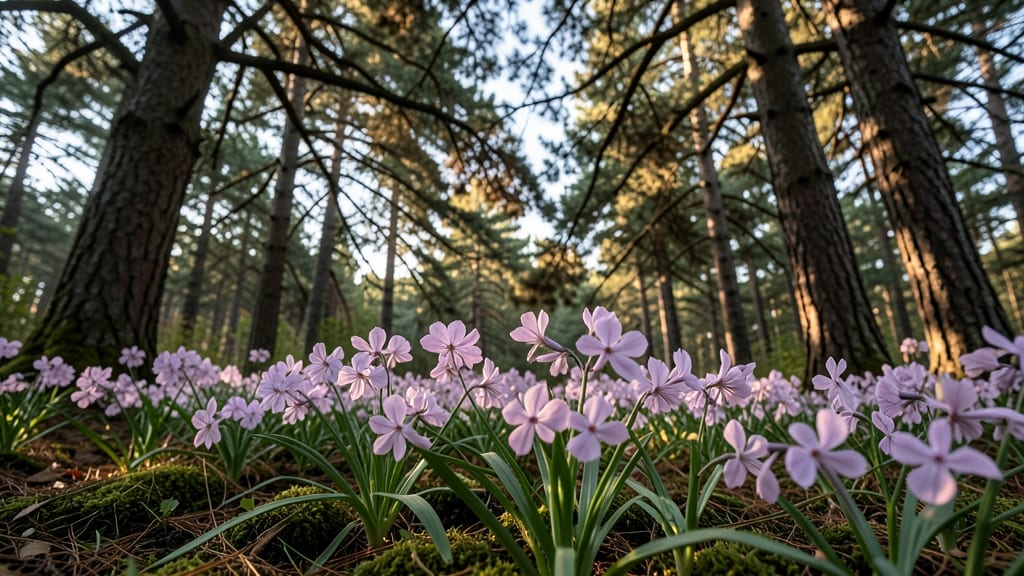
Struggling to find plants that survive under pine trees? Acidic soil and dense shade create challenges, but these 10 ground covers thrive year-round with minimal maintenance, adding beauty and ecosystem benefits to your landscape.
Creeping Juniper for Evergreen Texture
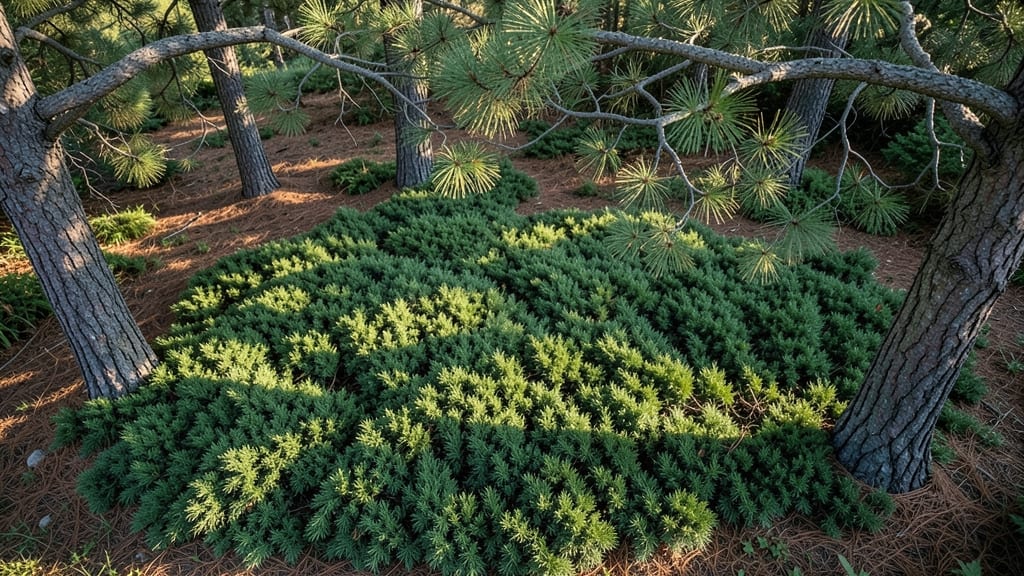
Tired of patchy ground cover under your pine trees? Creeping juniper is the solution—this hardy evergreen thrives in the acidic, nutrient-poor soil typical of pine forests while outcompeting weeds naturally. Its low, spreading habit creates a dense, carpet-like texture that stays lush even during droughts.
Plant it in full sun to partial shade and space stems 2-3 feet apart for full coverage in 2-3 years. The deer-resistant foliage remains vibrant year-round, requiring only occasional pruning to maintain its tidy form. This juniper variety is perfect for gardeners seeking low-maintenance, high-impact ground cover that mimics a natural woodland floor.
Best for woodland gardens and areas where deer browsing is a concern, creeping juniper transforms barren spaces into a verdant, evergreen tapestry with almost no effort. 🌱
Wild Ginger for Fragrant Shade Cover
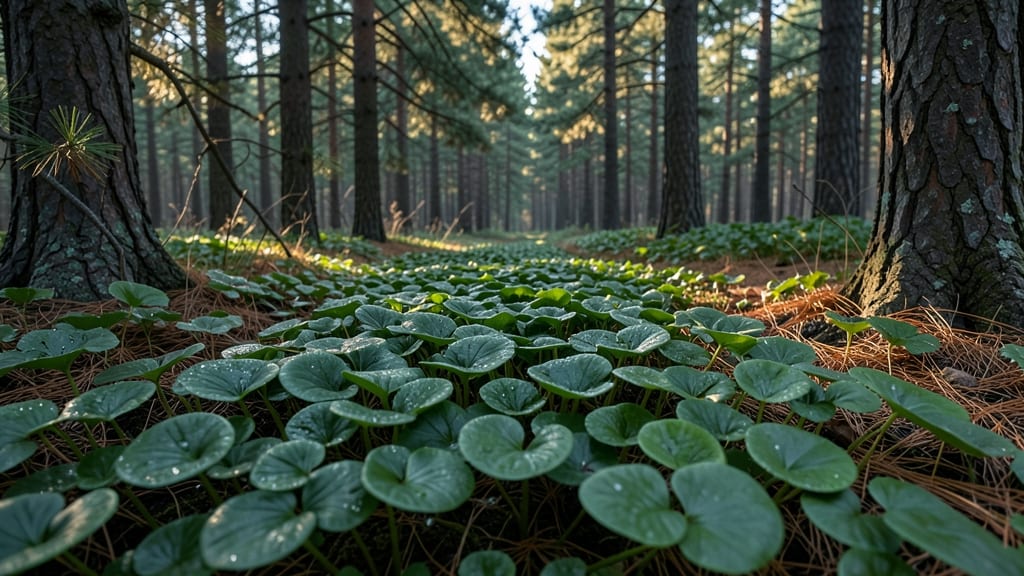
Looking for a ground cover that thrives in the moist, shaded spots under your pine trees? Wild ginger (Asarum canadense) is the perfect solution—its lush, heart-shaped leaves create a fragrant carpet while adapting effortlessly to acidic soil and dappled sunlight.
This low-growing perennial spreads slowly but steadily, forming a dense mat that suppresses weeds and retains moisture. The spicy-scented foliage releases a refreshing aroma when crushed, and its small, nodding flowers in late spring attract bees and other pollinators. Unlike competing plants, wild ginger won’t steal nutrients from your pines—it’s content to thrive in the understory.
Ideal for gardeners who want a low-maintenance, fragrant ground cover that enhances the woodland ambiance, wild ginger is especially valuable in areas where other plants struggle. 🌿
Alpine Strawberry for Edible Ground Cover
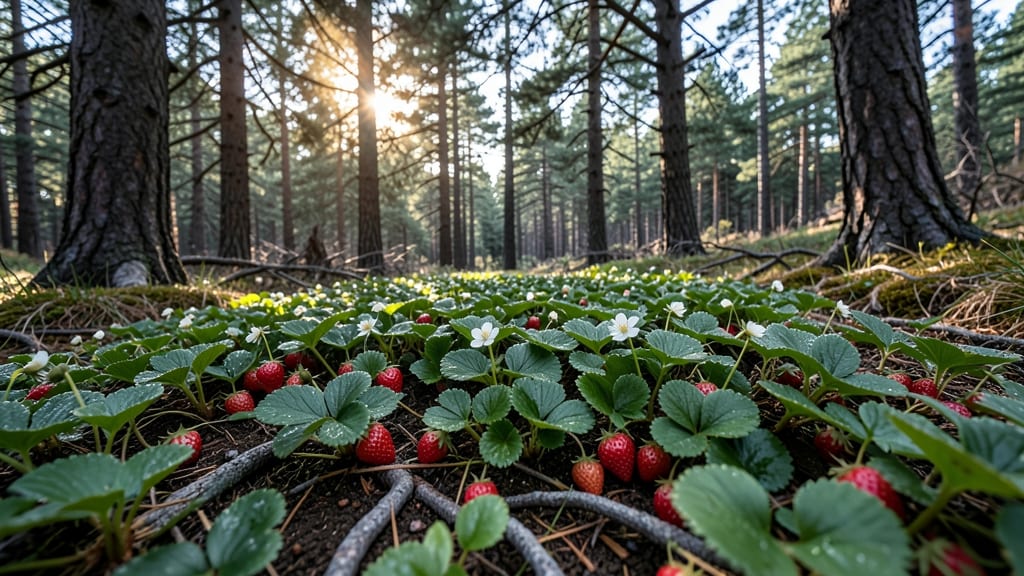
Want a ground cover that’s both beautiful and edible—without the fuss of sunny garden spots? Alpine strawberries thrive in the dappled shade of pine forests, producing sweet, tiny berries while outcompeting weeds with their aggressive spread.
These cold-hardy plants handle shade and acidic soil effortlessly, making them perfect for understory planting. Their low-growing habit (3–6 inches tall) creates a lush carpet, while their year-round greenery keeps your forest floor vibrant. Plus, the berries are a treat for wildlife and humans alike.
Ideal for gardeners who love low-maintenance edibles, alpine strawberries are especially great for woodland gardens where traditional strawberries would struggle. Just mulch with pine needles to retain moisture and watch them flourish. 🌱
Dwarf Fetterbush for Year-Round Color
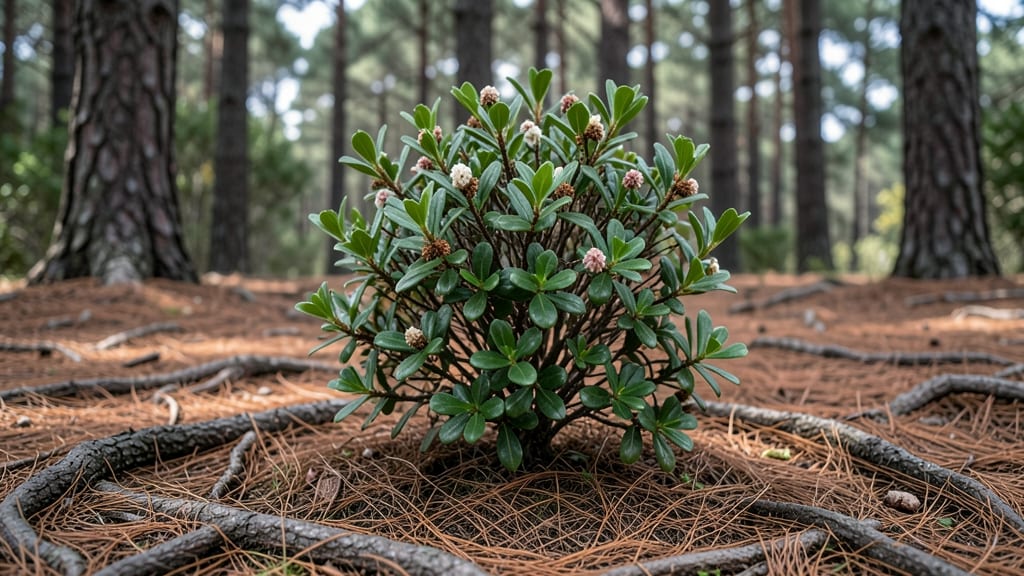
If you're looking to break up the monotony of low ground cover under mature pine trees, dwarf fetterbush (Lyonia fruticosa) delivers three-season interest with minimal fuss. This compact evergreen shrub grows just 2-3 feet tall, making it perfect for filling vertical gaps while keeping its roots in the acidic, dry soil beneath pines.
In late spring, it bursts with fragrant white flower clusters that attract pollinators, followed by bright red berries in fall that persist through winter—adding color when most plants have gone dormant. Unlike many understory plants, it thrives in full shade to partial sun and handles drought once established. Prune lightly after flowering to maintain its tidy, mounded shape.
This is the ideal choice for gardeners who want height variation without sacrificing shade tolerance. Pair it with creeping juniper for a layered look that mimics natural forest understories. 💚
Lungwort for Medicinal Beauty
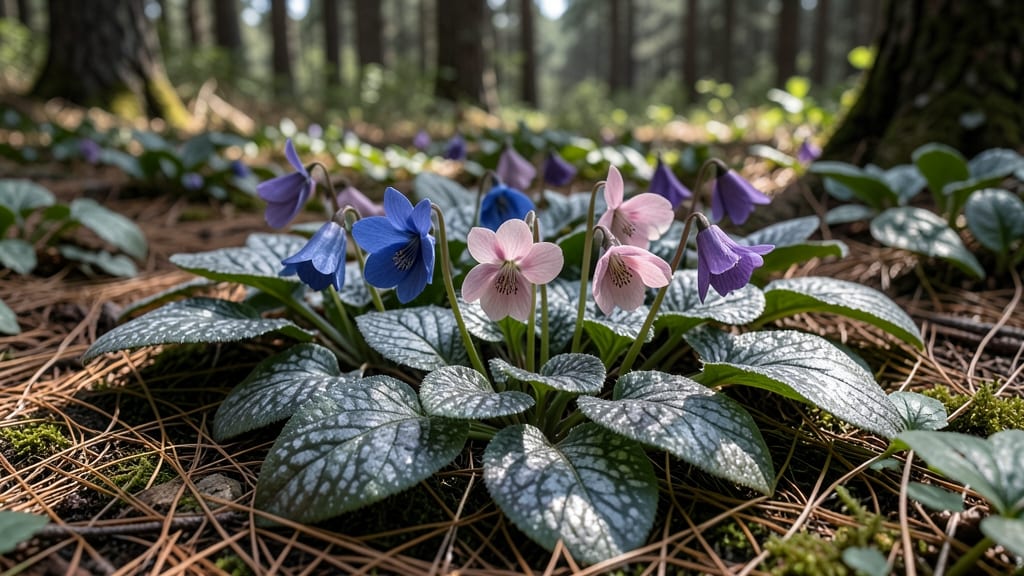
Transform your shaded pine area into a living apothecary with lungwort (Pulmonaria), a perennial that thrives where others falter. Its silver-spotted leaves and early spring blooms (in shades of blue, pink, or purple) bring both beauty and historical medicinal value to your garden.
This hardy plant adapts to acidic, well-drained soil under pine trees, flourishing in partial to full shade. The spotted foliage emerges in late winter, providing color when most plants are dormant, while its self-cleaning flowers (no deadheading needed) attract early pollinators. Lungwort’s cough-soothing properties (hence its name) were historically used in herbal remedies, adding a layer of garden intrigue.
Ideal for gardeners who love low-maintenance perennials with dual purpose—both ornamental and functional—lungwort pairs beautifully with ferns and hostas. Its clumping habit prevents aggressive spread, making it perfect for understory planting. 💚
Coral Bells for Seasonal Interest
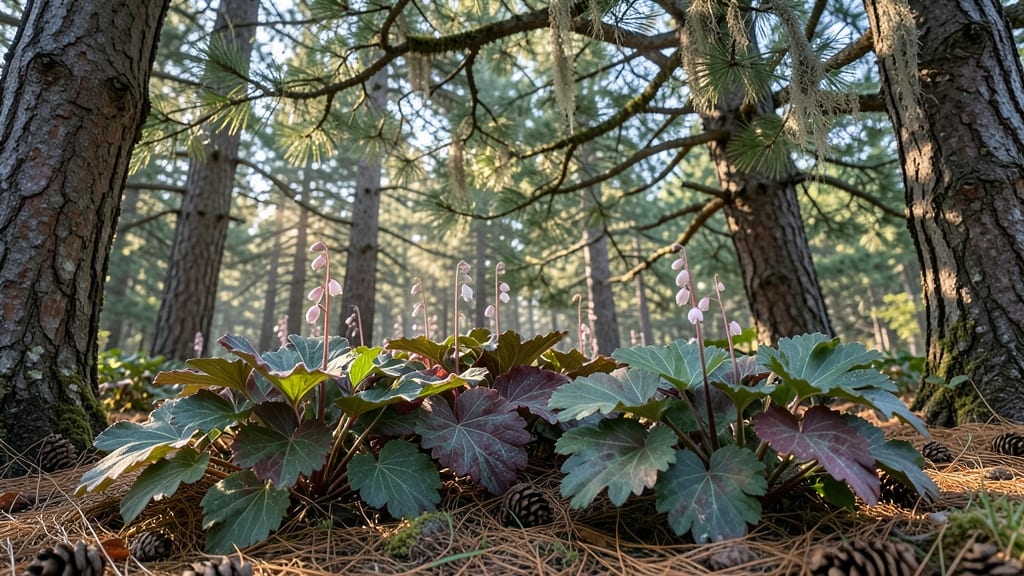
When your pine forest floor looks dull in late spring, coral bells (Heuchera) burst into color with their vibrant foliage and delicate flower spikes—often the first showstopper under pines. These cold-hardy perennials thrive where other plants struggle, offering a year-round visual feast with foliage that ranges from deep purple to lime green, even in deep shade.
Plant coral bells in well-draining, slightly acidic soil (perfect for pine mulch) and space them 12-18 inches apart for full coverage. Their late spring blooms (pink, white, or red) attract pollinators, while their textured leaves add dimension to shady corners. Varieties like 'Palace Purple' or 'Lime Rickey' provide bold contrast against pine needles.
Ideal for gardeners who want low-maintenance color with minimal fuss, coral bells also make excellent container plants or edging. They're deer-resistant and handle drought once established—making them a perfect partner for your pine forest understory. 💚
Sword Fern for Lush Green Carpet
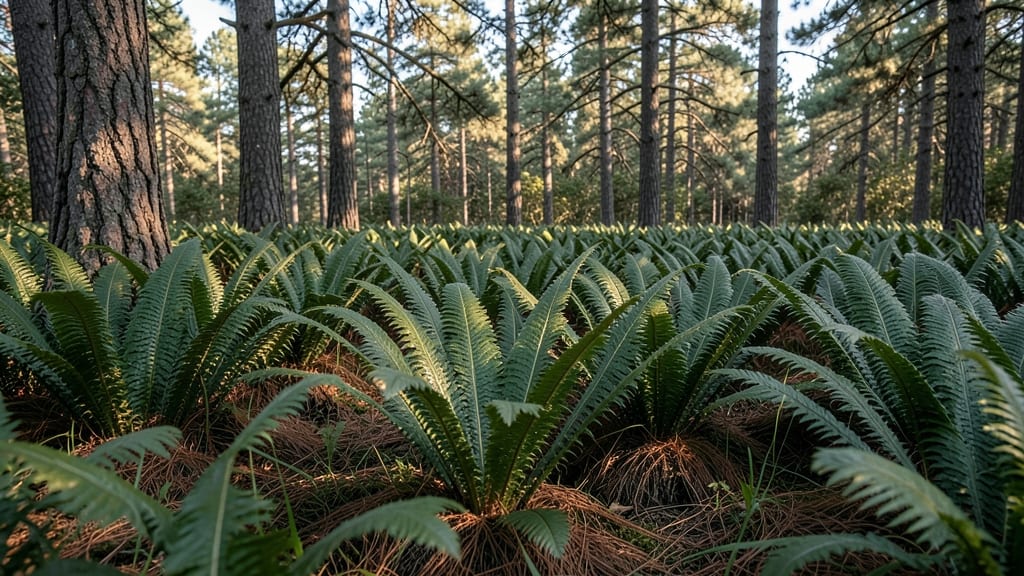
Tired of patchy ground cover under your pine trees? The sword fern (Polystichum munitum) grows faster than most ferns, creating a dense, evergreen carpet that outcompetes weeds while thriving in dry shade. Unlike delicate woodland perennials, this fern handles the acidic, nutrient-poor soil typical under pines without fuss.
Once established, sword ferns spread 1-2 feet per year, forming a lush mat that suppresses weeds naturally. Their arching fronds (up to 3 feet tall) add vertical texture while providing year-round greenery—even when other plants fade. The fronds also create microhabitats for beneficial insects like lacewings and small wildlife like salamanders, making it a dual-purpose plant.
Perfect for gardeners who want low-maintenance beauty without the upkeep of flowering perennials, sword ferns are especially ideal for coastal gardens or areas with mild winters. Just avoid overwatering—they prefer dry to moderately moist conditions. 🌿
Barren Strawberry for Low-Maintenance Spread
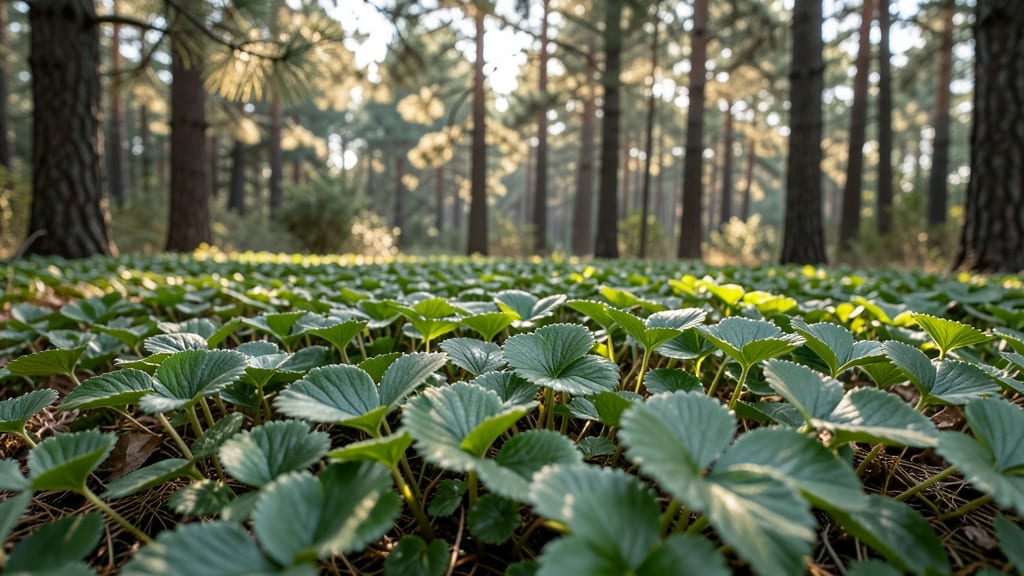
If you want a no-fuss ground cover that spreads like wildfire (without the weeds), barren strawberry (Waldsteinia ternata) is your secret weapon. Unlike fruiting strawberries, this shade-loving relative focuses all its energy on creating a lush, drought-tolerant carpet of triangular leaves and delicate white flowers.
Thriving in partial to full shade, it’s perfect for those tricky spots under pine trees where other plants struggle. Simply plant crowns 12–18 inches apart in well-draining, acidic soil—it’ll fill gaps naturally while suppressing weeds. Bonus: It’s deer-resistant and handles dry spells better than most ground covers.
Ideal for busy gardeners or areas where maintenance is minimal, this plant turns barren soil into a self-sustaining green mat. 🌱
Dwarf Mountain Laurel for Fragrant Evergreen
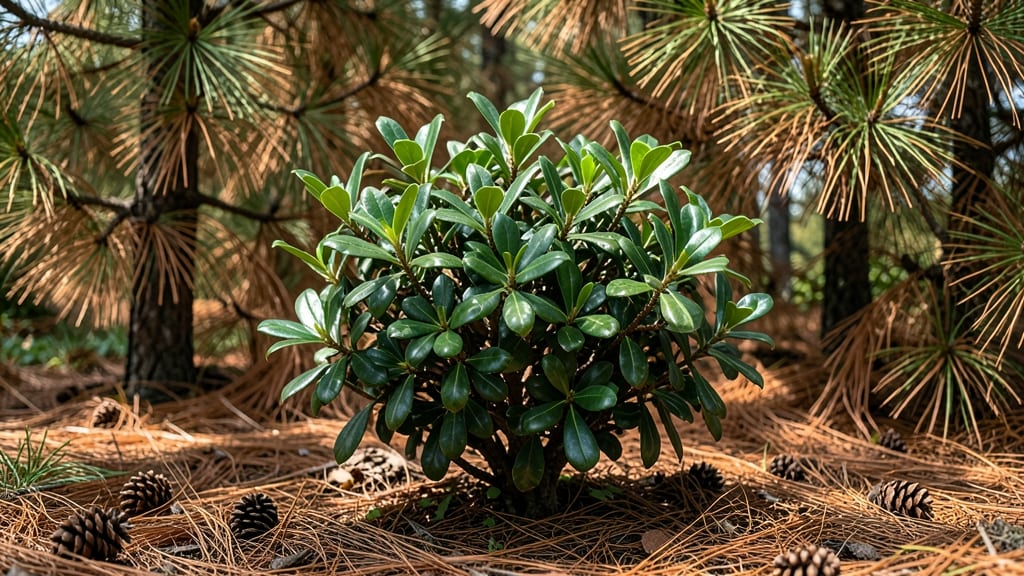
If you crave a fragrant, evergreen shrub that thrives under pine trees without demanding constant attention, dwarf mountain laurel (Kalmia procumbens) is your perfect match. Unlike fast-spreading ground covers, this slow-growing beauty develops a compact, rounded form with glossy, leathery leaves that stay vibrant year-round.
Native to acidic woodlands, it naturally adapts to pine soil conditions while producing clusters of pink spring flowers that attract pollinators like bees and butterflies. Prune lightly after flowering to maintain shape, but otherwise, it requires minimal care—just occasional watering during droughts. The year-round structure it provides creates visual interest even when other plants sleep through winter.
Ideal for gardeners seeking low-maintenance structure with seasonal color, this shrub thrives in partial shade to full shade and reaches just 1-2 feet tall—perfect for understory planting. 🌷
Woodland Phlox for Early Spring Color

When the rest of your garden is still dormant, woodland phlox bursts into color under pine trees, offering a vibrant early spring show that hummingbirds can't resist. This native perennial thrives in the acidic, shaded conditions created by pine needles, making it one of the first plants to bloom in late winter or early spring.
With delicate clusters of purple, pink, or white flowers on 12-18 inch stems, woodland phlox spreads slowly via rhizomes to form a tidy carpet. It prefers moist but well-drained soil and partial shade, though it tolerates drier conditions once established. Deadhead spent blooms to encourage a second flush of flowers in summer.
Perfect for pollinator gardens, this low-maintenance beauty is ideal for gardeners who want early color without the fuss of high-maintenance plants. Pair it with sword fern or wild ginger for a natural woodland understory effect. 🌷