
Pruning
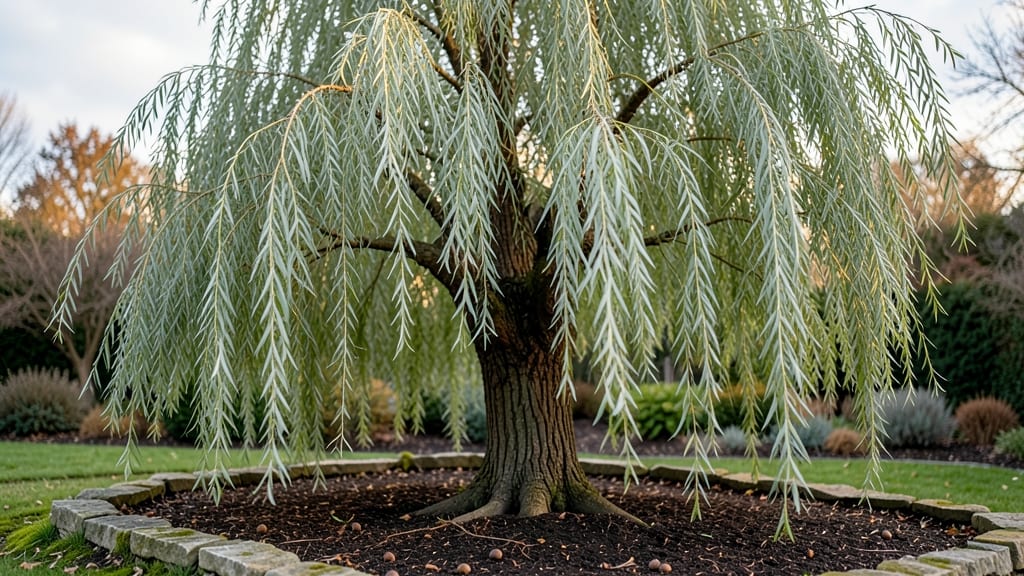
A weeping willow tree size can reach 50 feet tall with a spread of 30 feet wide, making it a stunning but space-hungry centerpiece for large landscapes.
If you dream of a graceful, cascading tree but worry about space constraints, the weeping willow’s dramatic size might seem intimidating—until you learn how to harness its growth for your landscape.
This fast-growing tree starts small, with 3-5 feet in its first year, but its mature dimensions demand careful planning. Whether you’re designing a backyard oasis or a park feature, understanding its potential height and spread is key to avoiding overcrowding.
Below, I’ll break down how to choose the right location, compare varieties for smaller spaces, and use natural techniques to manage its size—so you can enjoy its beauty without the headaches.

How tall does a weeping willow tree grow? Mature size & growth rate explained
A weeping willow tree (Salix babylonica) is famous for its dramatic, cascading branches and fast growth rate, but its mature size can be overwhelming. On average, it reaches 20-50 feet tall with a spread of 20-30 feet wide, making it one of the largest ornamental trees for landscapes.
The canopy spread alone can dwarf smaller trees, so planning is essential before planting.
In its first year, a weeping willow grows 3-5 feet tall, but by year three, it can surge to 15-20 feet. This rapid growth means it’s not a tree for impatient gardeners—it demands space and patience.
If you’re considering one for your yard, think of it as a long-term commitment rather than a quick shade solution.
🌳 Key Insight: The tree’s root system spreads just as aggressively as its branches, often reaching 30-50 feet wide underground. This makes it a poor choice for urban gardens or areas with underground utilities. Always check local regulations before planting near foundations or septic systems.
Soil type plays a critical role in determining how large your weeping willow grows. In moist, well-draining soil, it thrives and reaches its maximum height. However, in clay-heavy or dry soil, growth slows significantly—sometimes by 30-50%.
If your yard has poor drainage, consider planting it near a natural water source like a pond or stream to encourage healthier growth.
For those with limited space, the 'Nana' weeping willow is a compact alternative, reaching only 10-15 feet tall with a 8-12 foot spread. While not a true dwarf, it’s the closest option for smaller landscapes.
Always verify the cultivar’s specific growth habits before purchasing, as mislabeled trees can still outgrow their intended space.
Pruning is often the go-to solution for controlling size, but it’s not the only option. Root barriers (buried plastic or metal sheets) can limit underground spread, while regular mulching helps manage moisture and nutrients.
Avoid heavy pruning in late summer, as new growth may not harden off before winter, leaving branches vulnerable to frost damage.
If you’re planting near a house or driveway, maintain a minimum 20-foot distance from structures to avoid root or branch interference. The tree’s aggressive roots can lift sidewalks or damage foundations over time.
For urban gardens, consider container-growing in a large pot (at least 3 feet in diameter), though this limits long-term growth.
💡 Pro Tip: Weeping willows grow fastest in USDA Zones 5-8, where they can add 3-5 feet per year under ideal conditions. In cooler climates (Zones 3-4), growth slows, but they still reach impressive sizes given time.
Always check your local climate to set realistic expectations for your tree’s future height.
Space-saving planting tips: how to control weeping willow tree size naturally
Controlling a weeping willow tree size naturally starts with smart planting choices. Unlike aggressive pruning, these methods focus on guiding growth rather than restricting it. By using root barriers, soil amendments, and strategic companion plants, you can keep this majestic tree manageable without sacrificing its beauty.
One of my favorite techniques is installing root barriers during planting. These plastic or metal barriers redirect roots downward and away from structures, preventing the tree from spreading uncontrollably. For a weeping willow, bury the barrier 2-3 feet deep and extend it 3-4 feet beyond the root ball.
Here’s how to implement these space-saving strategies effectively:
Use HDPE root barriers (20-30 mil thick) to contain roots. Bury them 2-3 feet deep and 3 feet from the trunk to redirect growth downward.
Add compost or aged manure to improve drainage and reduce root expansion. Aim for a 12-inch layer around the planting area.
Position the tree 10-15 feet from ponds or streams. The natural moisture reduces the need for aggressive root spread to seek water.
Surround the base with drought-tolerant perennials like black-eyed Susans or coneflowers to compete with roots for nutrients.
Apply 3-4 inches of mulch (wood chips or pine straw) to suppress weeds and regulate soil temperature, slowing root expansion.
For small spaces, grow in a large container (3+ feet deep) with drainage holes. Repot every 3-5 years to manage root growth.
Reduce spring fertilization by 50% to limit rapid growth. Prune only to remove dead or crossing branches—never for size control.
Seasonal adjustments play a crucial role in managing weeping willow tree size. For example, I always reduce watering slightly in late summer to encourage dormancy, which naturally slows growth.
Avoid heavy fertilization in the first 2 years—this helps the tree establish a stronger root system without shooting up too quickly.
If you’re working with a limited garden space, consider the 'Nana' cultivar, which stays under 15 feet tall while maintaining the weeping habit. Pair it with low-growing shrubs like dwarf boxwood to define boundaries naturally.
With these techniques, you can enjoy the elegant drape of a weeping willow without the stress of overgrowth—just imagine its branches cascading gracefully over a patio or pond! 🌳